
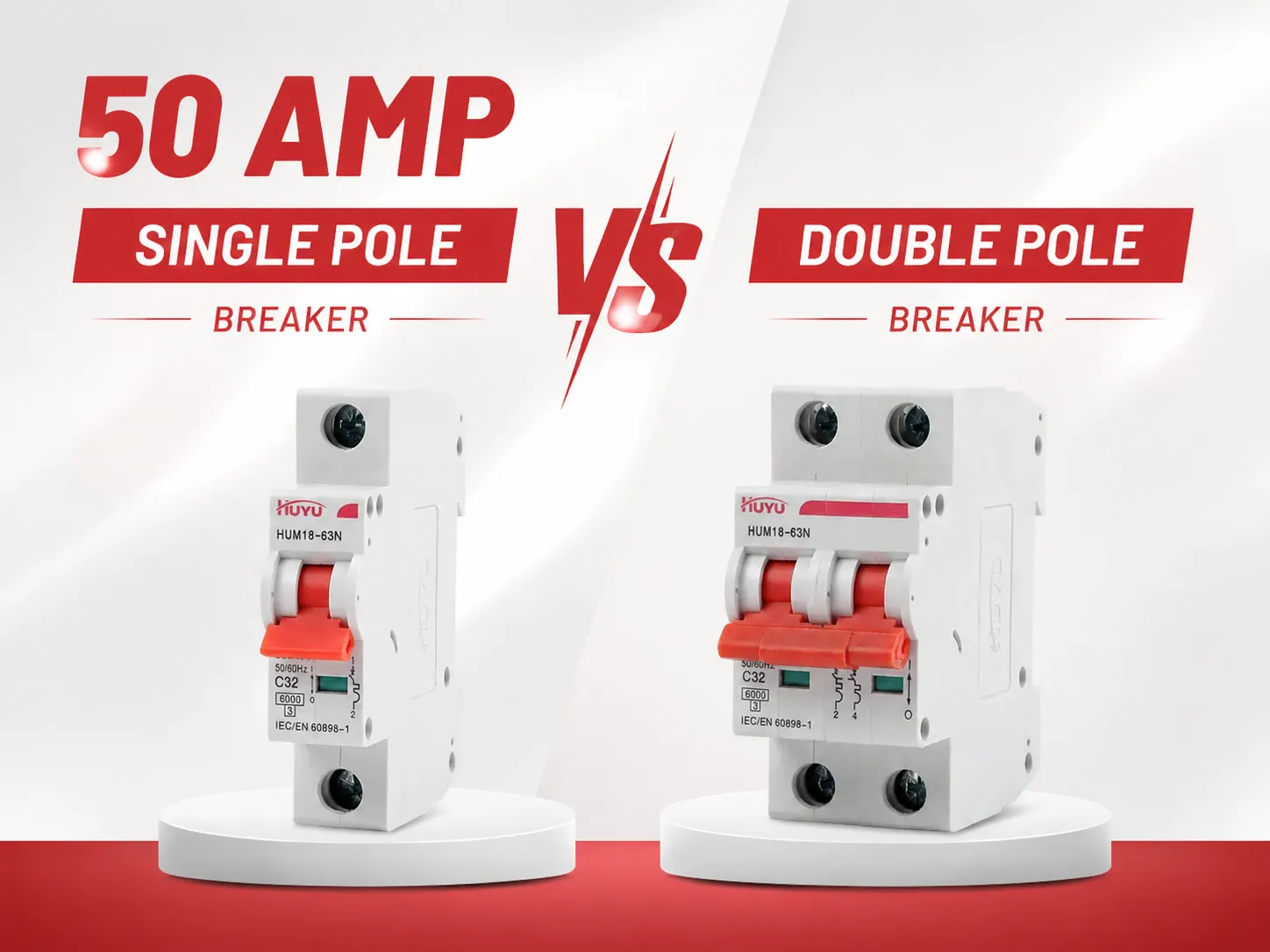
When improving the electrical system in a home or installing a new appliance, it is necessary to choose between a 50 Amp Single Pole Breaker and a 50 Amp Double Pole Breaker, which are each built uniquely. Each of these devices will protect the circuit to prevent an overload condition and short circuits. This article will explain the differences between a single pole circuit breaker and a double pole circuit breaker, where they are used, and how to determine which one is appropriate for your home and/or business.
Define the Terms Single Pole and Double Pole Circuit Breakers
Before we get into the specifications of a 50 Amp Single Pole Circuit Breaker and 50 Amp Double Pole Circuit Breaker, it is important to understand that a single pole and a double pole circuit breaker have fundamentally different functions.
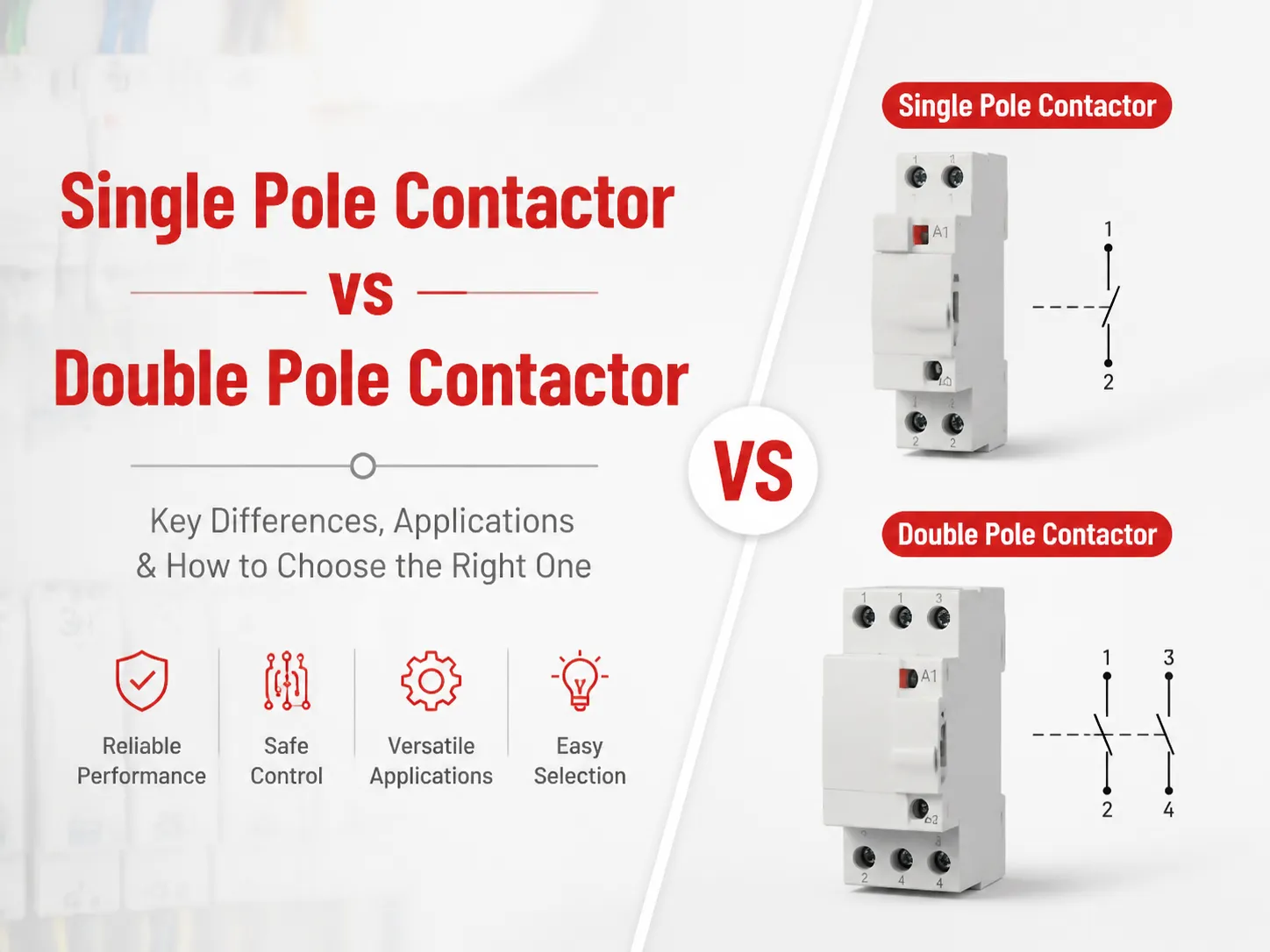
- Single Pole Circuit Breaker: Provides protection for 120V circuits by interrupting one hot wire only. Therefore, the most common application in residential homes would be for light fixtures, outlets, and/or small appliances.
- Double Pole Circuit Breaker: Provides protection for 240V circuits by interrupting two hot wires at the same time. This type of circuit breaker is required to operate high-wattage electrical appliances such as an electric stove, water heater, or air conditioning unit.
Single pole and double pole circuit breakers are part of the larger family of circuit breakers which includes MCB (Miniature Circuit Breaker), RCCB (Residual Current Circuit Breaker), or RCBO (Residual Current Circuit Breaker with Overcurrent Protection). However, the single pole or double pole circuit breaker is most likely used in a residential setting.
Uses and Specifications of the 50 Amp Single Pole Circuit Breaker
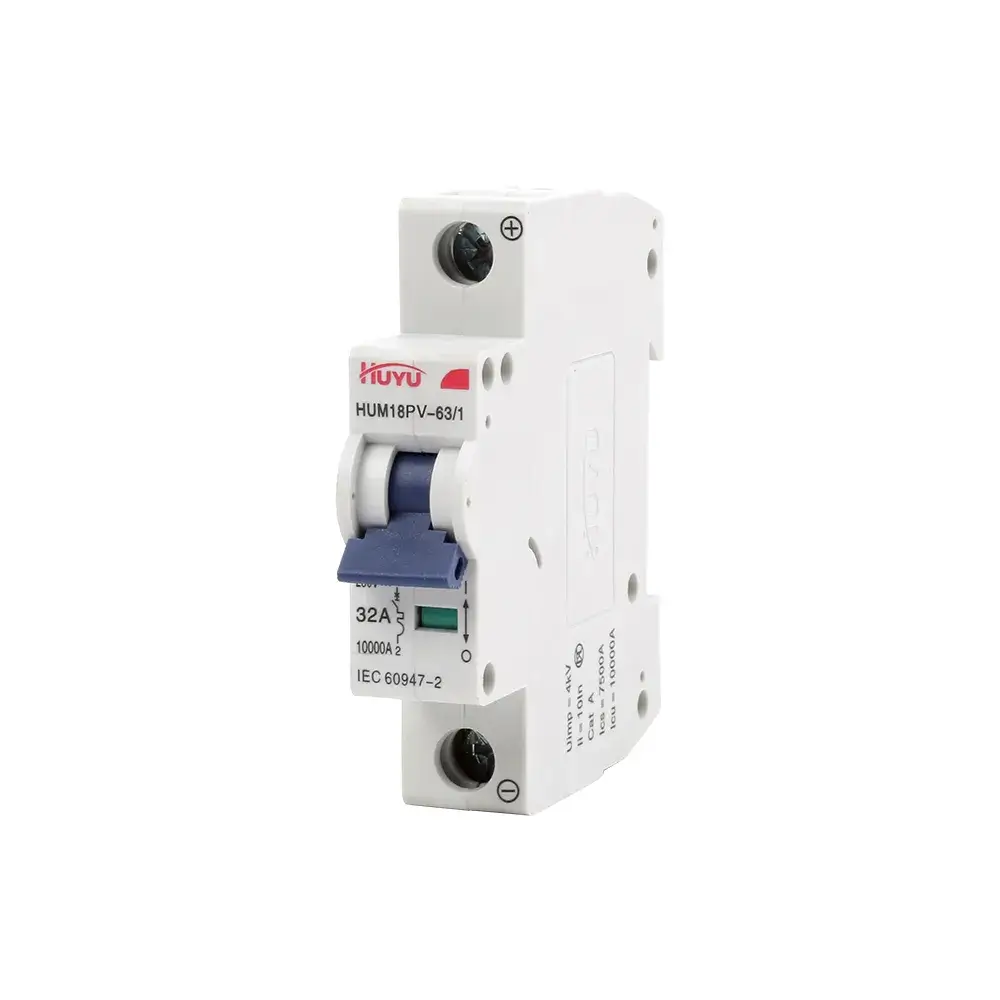
A 50 Amp Single Pole Circuit Breaker is the heavy-duty equivalent of a standard single pole breaker and it is rated at a maximum current of 50 Amps at 120 Volts.
Applications: In high wattage (120V) circuits (e.g., smaller electric water heaters), these types of outlets are ideal for large window AC units and workshop equipment such as table saws. In some commercial businesses, these breakers will also be used for heavy duty outlets.
Installation: The breaker fits into a single slot in your electrical panel and requires one hot wire for connection. Due to high current requirements, a 6 AWG or larger copper wire (or 4 AWG aluminum wire) will be needed.
Price: Ranges from $15-$30, depending on manufacturer (e.g., Square D, Siemens, and Eaton). Budget options such as HUYU provide almost identical performance but are usually 10-15% lower than name brands.
Some 50-amp single pole breakers are not as frequently utilized as 15A or 20A circuit breakers; however, they are crucial for specific high-wattage 120V applications that are unable to be powered via standard circuit breakers.
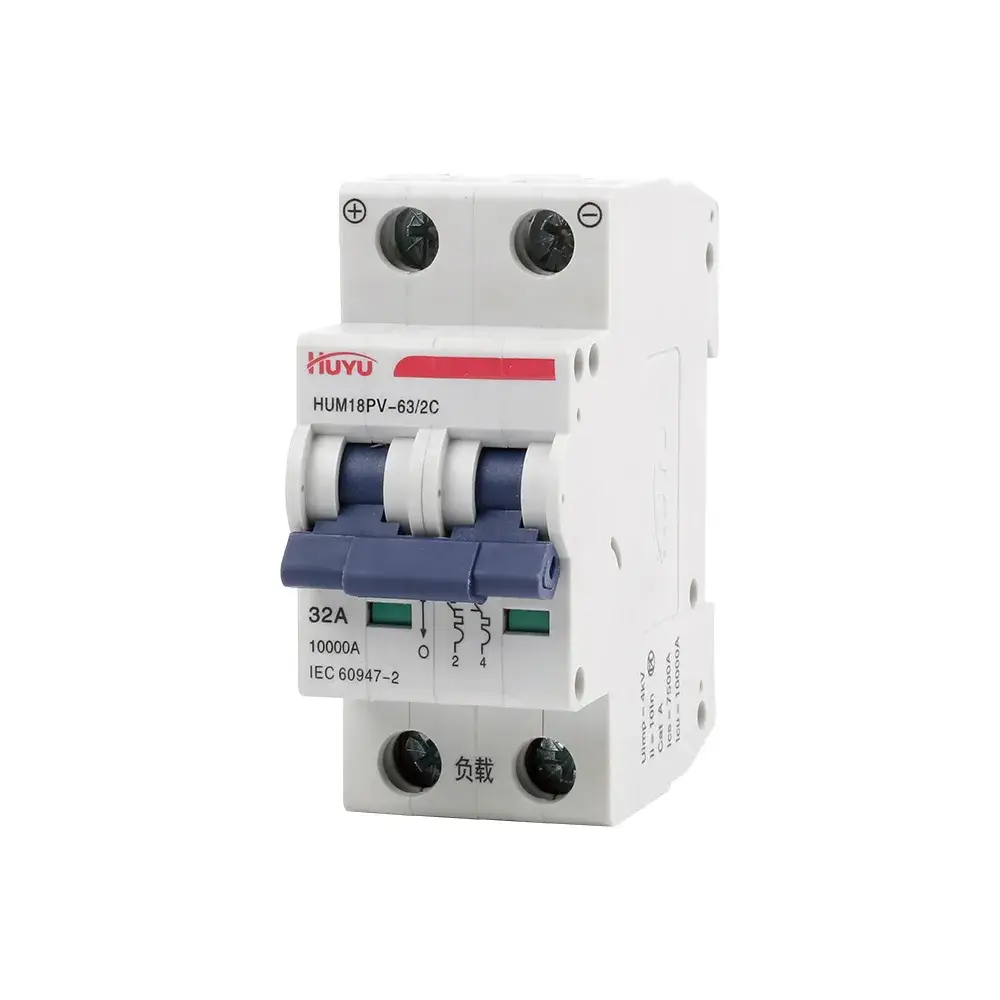
50 Amp Double Pole Breaker: Uses & Specifications
The primary use of the 50-amp double pole breaker is for 240V circuits, providing twice the wattage of a single pole breaker. The main features of this breaker include:
Applications: Required to power major household appliances that are run on 240V (e.g., electric ranges or stoves), central air conditioning units, electric hot water tanks greater than 40 gallons, and electric vehicle charging stations. The double pole breaker is commonly found in commercial applications for heavy duty machinery.
Installation: The double-pole breaker will occupy two slots in your electrical panel and will require two hot wires for connection. In order to support a 50-amp load at 240 volts, the installation will require a 6 AWG or larger copper wire (or 4 AWG aluminum wire).
Price: Double pole breakers run from $20-$40. Due to their 2-wire installations, they tend to be slightly more expensive than single pole circuit breakers. Brands such as Square D offer premium models with advanced features such as arc fault detection, which provides an additional safety measure.
Double pole 50 amp breakers are essential to use when powering larger appliances safely and effectively because they allow for equal loading on two wires, which protects against overheating issues.
Key Differences: 50 Amp Single Pole vs Double Pole Breaker
To help you determine which type of breaker would be best for your project, here is a comparison between the two types:
| Feature | 50 Amp Single Pole Breaker | 50 Amp Double Pole Breaker |
|---|---|---|
| Voltage | 120V | 240V |
| Power Output | 6,000 watts (50A x 120V) | 12,000 watts (50A x 240V) |
| Circuit Protection | Interrupts one live wire | Interrupts two live wires simultaneously |
| Panel Space | 1 slot | 2 slots |
| Common Uses | Small water heaters, portable AC units, workshop tools | Electric stoves, central AC, EV chargers, large water heaters |
| Price Range | $15–$30 | $20–$40 |
FAQ: Common Questions About 50 Amp Circuit Breakers
Can I replace a double pole breaker with two single pole breakers?
While this is technically possible, it is not recommended. The design of a double pole breaker is to trip both wires when either one exceeds capacity. If you were to use two single pole breakers, they may not trip at exactly the same time, leaving one wire energized and creating a safety hazard. Most electrical codes specify double pole breakers for circuits supplying 240V.
What’s the difference between a single pole and a double pole 50 amp breaker?
The primary distinction between the two types of breakers is the voltage and power supplied. A single pole 50 amp breaker operates at 120V, providing 6,000 watts of power, while a double pole 50 amp breaker operates at 240V, providing 12,000 watts. Double pole breakers also take up two slots in the panel and protect both hot wires, making them a safer option for high-power devices.
How do I know if I need a single pole or double pole breaker?
To determine which breaker you need, check the voltage requirement of your appliance. Appliances requiring 120V use single pole breakers, while those needing 240V require double pole breakers. Look for the voltage information on the appliance label or in the user manual. For example, large electric appliances like stoves and central AC units typically require 240V, whereas smaller tools and window air conditioners operate on 120V.
What would you use a single pole 50 amp breaker for?
A single pole 50 amp breaker is used for high-power 120V devices that cannot be powered by standard 15A or 20A circuits. Examples include small electric water heaters (up to 30 gallons), large window air conditioners, workshop power tools, and some industrial equipment. They are also commonly used in RV parks to power large recreational vehicles.
When deciding between a 50 Amp Single Pole Breaker and a 50 Amp Double Pole Breaker, it is crucial to determine your appliance’s voltage requirement and power needs. Single pole breakers are ideal for 120V circuits serving smaller devices, while double pole breakers handle 240V circuits powering major appliances like electric stoves and EV chargers. Always consult the specifications of your appliances and adhere to local electrical codes for installation. Brands like Square D, Siemens, or cost-effective options like HUYU ensure reliable performance. Understanding the differences between these two breaker types will help you configure your electrical system for optimal safety and efficiency.