
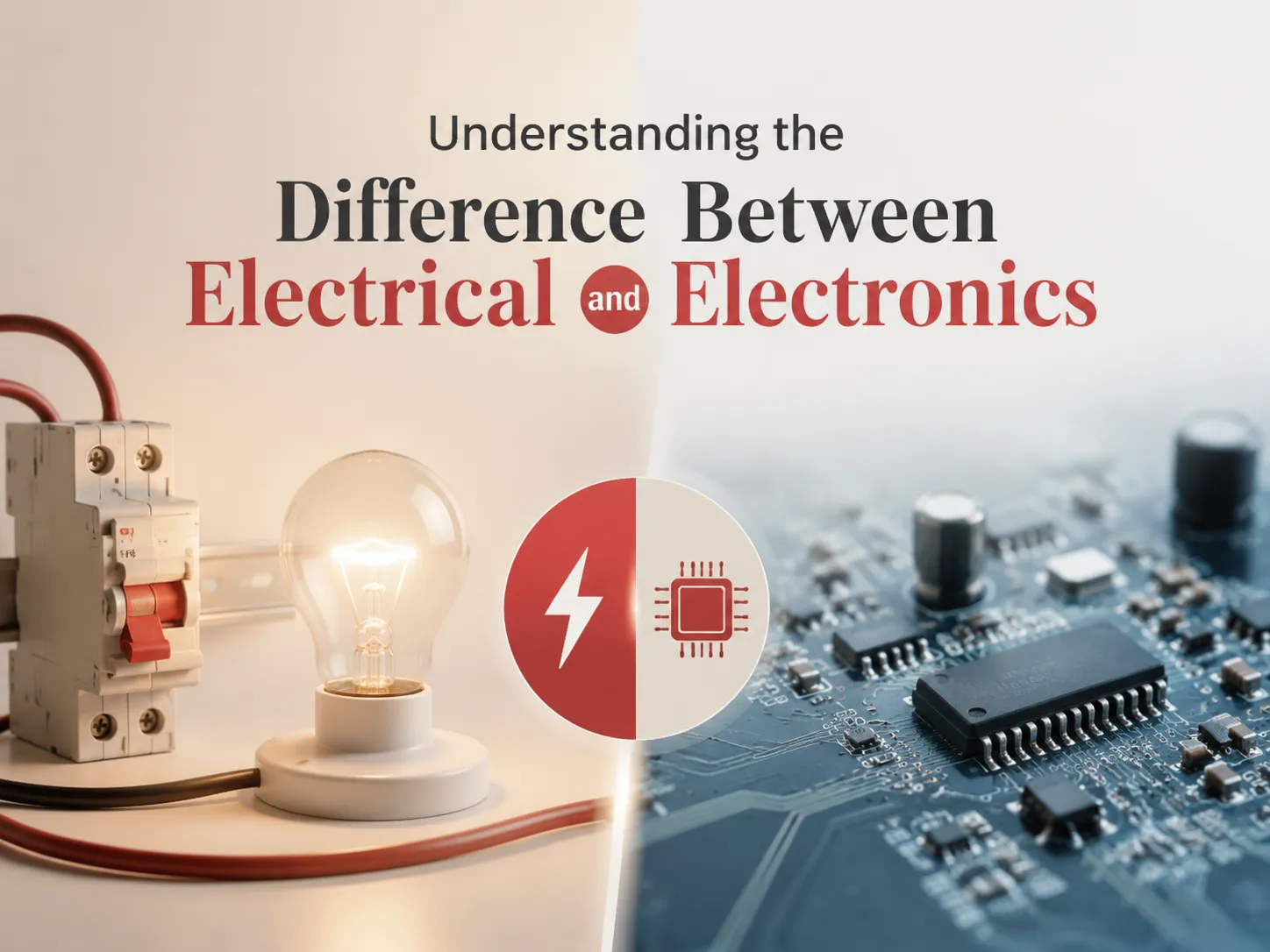
When you turn on a light switch or charge your phone, you are using both electrical and electronics regards objects. Although people often use the two interchangeably, there are key differences between them based on their purpose, type of components, how they’re used, etc. The purpose of this guide to show you the differences between electrical and electronics, so that you can know what type of device you have and what it does.
Electrical Engineering
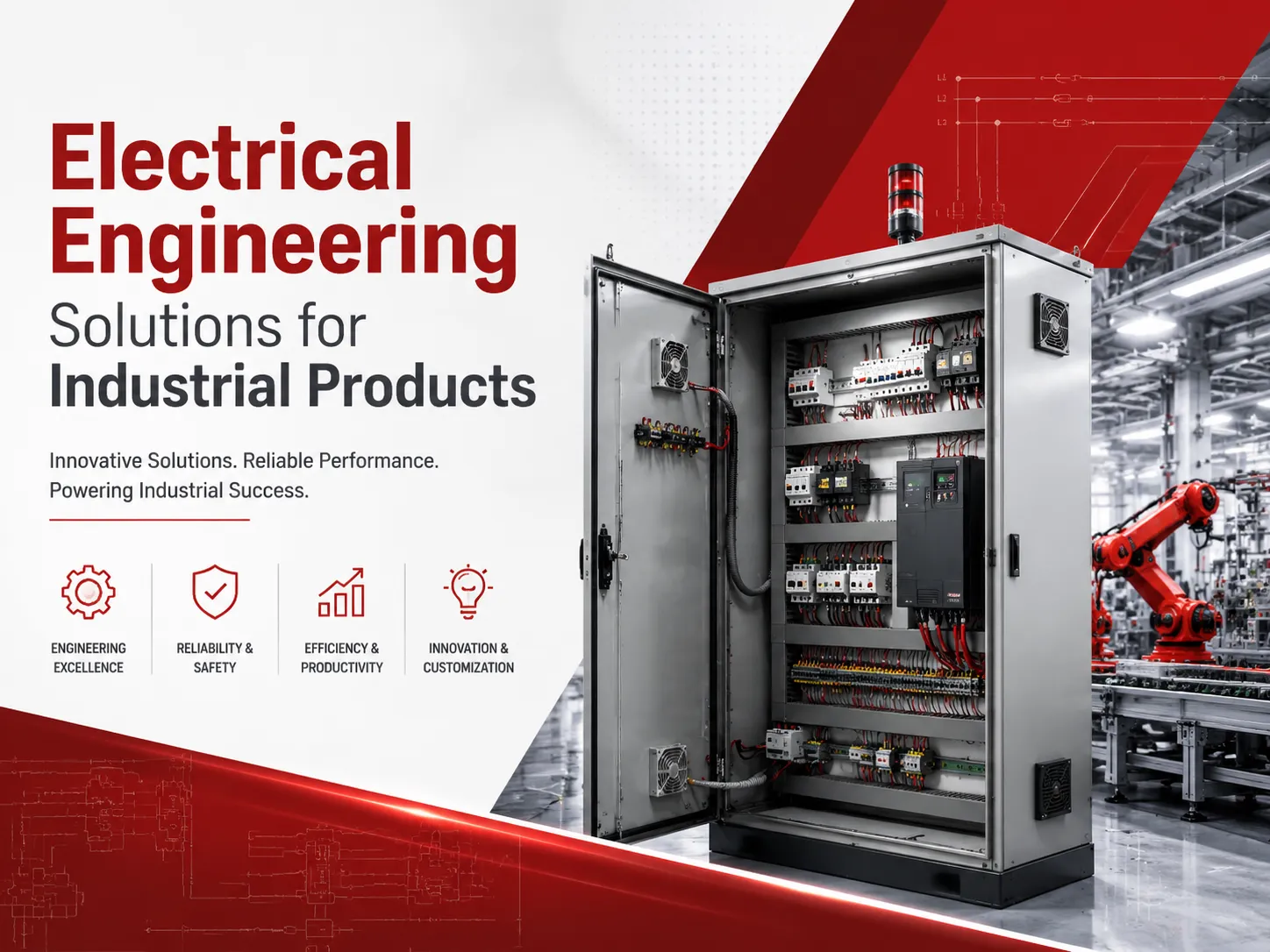
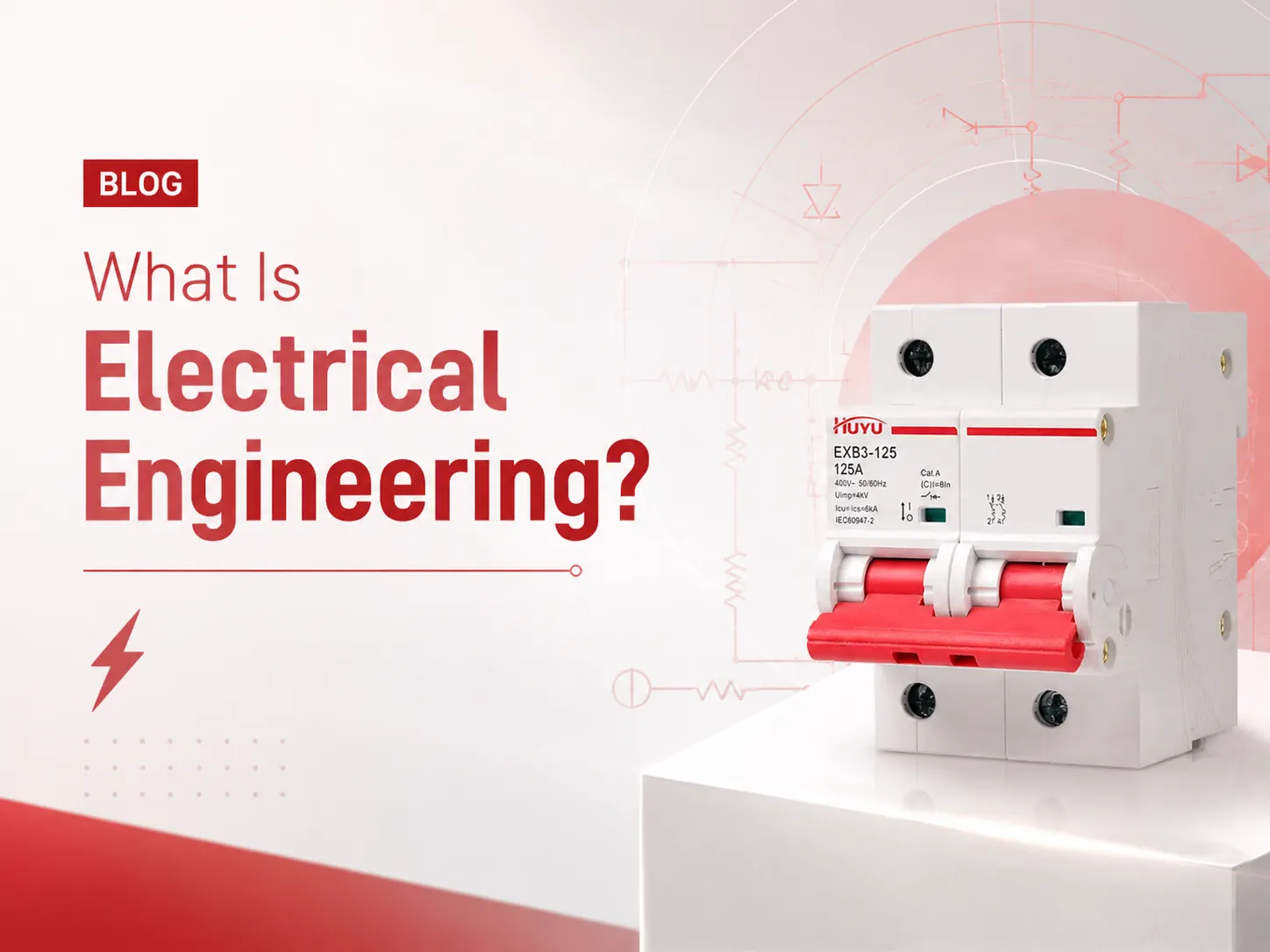
Electrical Engineering relates to the generation, transmission, and delivery of electric power (energy). Electrical systems are comprised of devices that require large amounts of electricity to perform physical work. The following are some examples of what is typically associated with electrical systems;
- Power-Dominated – Electrical systems typically operate at a High Voltage – typically ranging from 120V to thousands of Volts and are used to primarily transport energy over long distances and to supply large amounts of energy to perform large physical tasks.
- Passive Devices – electrical systems ONLY use passive devices such as transformers, generators, electric motors, and circuit breakers that do NOT manipulate electrical signals;
- Analog / Continuous Current – electrical systems are almost always using non-declining continuous current (AC/DC) & they do not manipulate or alter electrical signals.
Electrical systems include things like; electric grids, electric motors, light fixtures, heating elements, etc. These systems are intended to be rugged and efficient, as their main priority is to deliver energy safely vs. manipulate electrical signals.
Electronics Engineering
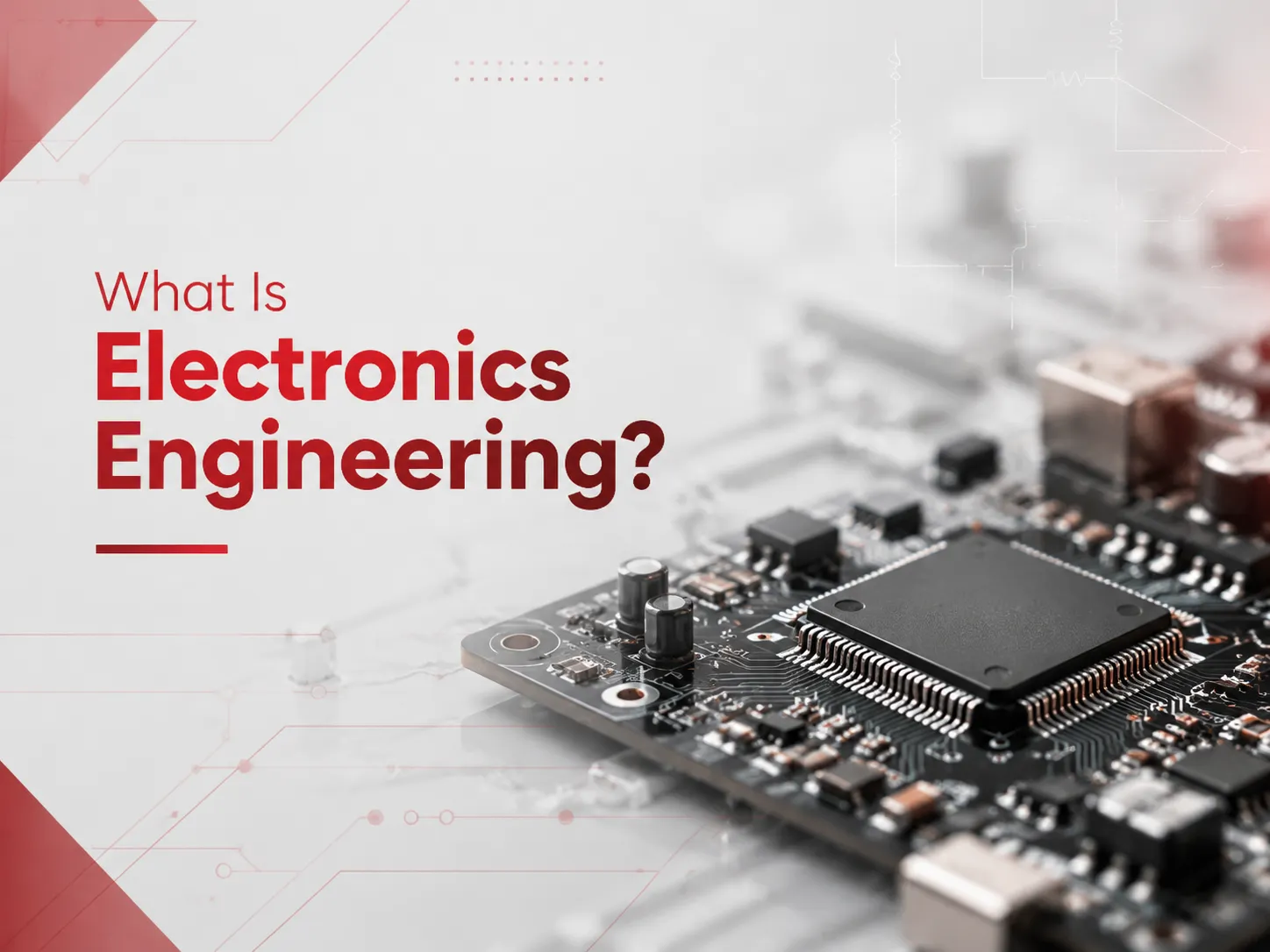
Electronics engineering is the engineering discipline of using electricity to control or manipulate the electricity to store, process digital data and/or achieve some other desired outcomes.
- Signal Capability: Low-voltage systems typically operate on 3V to 24V to handle, boost or convert electrical signals into meaningful data.
- Active Devices: Use of active components such as transistors, diodes, integrated circuits (ICs), and microprocessors allows control over the flow of signals and the ability to store information in these active components.
- Digital & Discrete: Most of today’s electronic systems utilize digital signals (binary) to process information, however, analog electronic devices (E.g., audio power amplifiers) still exist.
Smartphones, laptops, television, and some types of medical equipment (e.g., MRI) are examples of common electronic devices. While electrical, electronic systems display more complexity in order to prioritize performance (rather than raw power); miniature design and signal processing capabilities over actual physical size.
Core Differences Between Electrical and Electronics
To illustrate this further, we will discuss different characteristics between the two disciplines by providing some sample comparisons.
| Feature | Electrical Systems | Electronic Systems |
|---|---|---|
| Primary Purpose | Generate, transmit, or use electrical energy | Process, control, or store electrical signals. |
| Voltage Range | High Voltage (120V to thousands of volts) | Low Voltage (3V to 24V) |
| Key Components | Transformers, motors, generators, circuit breakers | Transistors, Integrated Circuits (ICs), Microchips, and Sensors |
| Type of Signals | Continuous Signals (AC/DC power) | Digital (binary) and/or Analog (processed) |
| Common Devices | Power Grids, Electric Heaters, and Lighting | Smartphones, Laptops, TVs, and Computers |
| Core Discipline | Electrical Engineering (EE) | Electronics Engineering (ECE) |
Real-World Examples: Electrical vs. Electronic Devices
While there are numerous devices that combine both electrical and electronic technologies, determining their primary purpose or function will assist you in classifying them.
Electric Vehicle: It incorporates both electrical and electronic systems. The battery and motor represent the electrical components that provide power to the vehicle, while the infotainment system, sensors, and control unit are all electronic devices that process data.
Washing Machine: The motor and heating components are electrical devices, but the digital display and timing function are electronic devices.
Incandescent Light Bulb: An electrical device only; it transforms energy into light/gas without going through a process of converting data into a signal before releasing it.
LED Smart Bulb: An example of an electronic device; it contains a microchip to manage output brightness and colour change and is connected to Wi-Fi, in addition to converting using energy into light/gas by using the electrical system of the house.
Career Paths: EEE vs. ECE Salaries & Opportunities
In terms of the salary and job opportunities available to students or professionals deciding between Electrical Engineering (EEE) versus Electronics Engineering (ECE) as their engineering discipline, it depends upon locations/regions and area/specialization within each engineering management discipline.
Electrical Engineering Professionals will have an average salary of $95,000/year in the United States, with the highest average salary being $113,000/year for professionals in the power generation and renewable energy industries. The average salary for Electrical Engineering Graduates in India is ₹3 Lakh to ₹8 Lakh/year (INR).
Electronics Engineering Professionals will have an average salary of $103,000/year in the United States, with the highest average salary being $135,000/year for professionals in semiconductor design industries. The average salary for Electronics Engineering Graduates in India is ₹4 Lakh to ₹10 Lakh/year (INR).
Both EEE and ECE are thriving and expanding industries; however, ECE (Electronics Engineering) salaries tend to be higher than EEE (Electrical Engineering) salaries due to increased demand for design and development skills related to different aspects of semiconductor, artificial intelligence, and other emerging-related technologies. However, EEE is an important part of building infrastructure and renewable energy projects.
FAQ: Common Questions About Electrical vs. Electronics
Are electronic and electrical devices the same?
No. Electrical devices generate power and could transmit it to other places. Electronic devices manipulate signals so they can be used to process data. Electrical devices operate at high voltage levels and perform mechanical work. Electronic devices operate at low voltage levels and control data.
Is a television electrical or electronic?
Televisions are mostly electronic. They use electrical energy to operate; however, their main purpose is to process video and audio signals with microchips, a display panel, and other types of electronic circuitry. The electrical component of the television is the power supply that brings electricity into the television; everything else is electronic.
Which engineering discipline has the highest salaries in ECE versus EEE?
Typically, electronics engineers (ECE) earn higher salaries than electrical engineers (EEE) due to high demand for ECE professionals in the semiconductor industry or artificial intelligence. Salaries for ECE professionals can average 10-20% higher than EEE professionals. Salaries for EEE professionals can be competitive in the alternative energy and power generation.
Is a laptop electrical or electronic?
Laptops are electronic devices. Such devices require electrical energy from a battery or a wall outlet to operate; however, their primary function is to process data, run software, and display information using microchips, memory, and a central processing unit (CPU). Electric current at high voltage is converted by an external power adaptor before it enters into the internal electrical and electronic components.
It is important to know the difference between electrical and electronics in order to select devices, obtain an engineering degree, or troubleshoot technical problems. Electrical devices focus on generating and utilizing power to perform mechanical work using high voltage and passive components, whereas electronic devices use active components such as microchips to manipulate signals for processing information, using low voltage. Today, most devices have both electrical and electronic components; knowing the difference and the primary function of both systems will help you understand how technology operates and will help provide a knowledge base for you, your house, and your hobbies and professions that use electricity and electronic systems to make them work.