

La vente d'articles électriques n'est pas la même chose que la gestion de leur installation. Lorsqu'ils passent de la vente au détail à la fabrication d'articles électriques, les détaillants ne renoncent pas à leurs pratiques commerciales. Le succès d'un détaillant électrique dépend d'une chaîne d'approvisionnement efficace qui peut réunir trois facteurs cruciaux nécessaires à la performance commerciale aujourd'hui. Ainsi, ce guide clarifie le concept de “ services électriques de détail ”, les principales entreprises opérant dans l'industrie électrique, leurs fonctions respectives, et la manière d'évaluer les fournisseurs d'équipements électriques de détail.
En résumé, le service électrique de détail comprend tous les services que les distributeurs peuvent fournir au détaillant, c’est-à-dire l'achat de produits basse tension, les documents et certificats de conformité des produits que l'entreprise fabrique, l'assistance technique, la formation de ses employés de détail, la fabrication de produits sous marque propre, le dropshipping et la vente en e-commerce, la réception des réclamations de garantie et la gestion des RMA, ainsi que toutes sortes de conditions de crédit pratiques et de remises. Il existe 3 niveaux sur le marché : les fabricants, comme Schneider, ABB, Siemens, Eaton, Legrand, Hubbell, Leviton, et les fabricants certifiés de marques, comme HUYU, les grossistes (Sonepar, Rexel, Wesco, Graybar, CED, Border States, et les entreprises MRO, comme Grainger et Fastenal), et les participants au e-commerce, où le détaillant est censé coordonner tous les participants et assurer l'approvisionnement des produits à rotation rapide auprès du fournisseur approprié.

De quels services un détaillant électrique a-t-il réellement besoin ?
Si la publicité est éliminée, un magasin de détail électrique nécessite neuf services de la part de ses fournisseurs :
| Service | Ce que cela signifie en pratique | Pourquoi cela détermine la marge |
|---|---|---|
| Approvisionnement fiable en produits | Disponibilité des stocks sur les SKU demandés par les clients chaque semaine, avec des délais raisonnables | Une rupture de stock est une vente perdue que le client effectue ailleurs |
| Certification et authenticité | Certificats UL/IEC/CE, rapports de test, et produit authentique (pas de contrefaçons) | Un seul disjoncteur contrefait peut coûter à un détaillant un compte, ou pire |
| Support technique | Réponses sur les caractéristiques, la compatibilité et les questions de code — par téléphone, chat, ou un représentant connaissant le produit | L'aide technique transforme un devis en achat |
| Formation du personnel | Formation produit pour le personnel au comptoir et les équipes de vente, idéalement en personne ou en ligne | Un personnel capable d'expliquer un produit en vend davantage à pleine marge |
| Marque privée / OEM | Produits sous marque propre fabriqués selon spécifications, avec emballage et documentation | La marque privée est là où les détaillants construisent une marge défendable |
| Assemblage et valeur ajoutée | Kits préassemblés (kits de panneaux, packages prêts pour VE, ensembles d'éclairage) et étiquetage personnalisé | Les kits augmentent la valeur du panier et réduisent les retours |
| Intégration numérique | EDI, flux de données produits, images, et capacité de dropshipping pour le canal e-commerce du détaillant | Des données précises font la différence entre une vente en ligne et un retour |
| Garantie et RMA | Une politique claire de retours, gestion des DOA, et support en cas de défaillance sur site | La friction dans les retours détruit la fidélisation |
| Crédit et remises | Conditions, remises sur volume, fonds de marketing coopératif et accords de rotation des stocks | Le fonds de roulement et les revenus de remises sont souvent le véritable profit du détaillant |
Chaque service est pertinent pour le type d’activité que le détaillant exerce. Un détaillant axé sur les affaires avec les entrepreneurs doit garantir une bonne disponibilité des produits et une assistance technique élevée. Dans le cas d’un détaillant en ligne, cela dépend de la qualité des informations disponibles, du dropshipping et de la stratégie tarifaire. Une chaîne de magasins régionale, qui mise sur sa marque, utilise des marques de distributeur et des processus de certification.

Le paysage de l’approvisionnement électrique en un coup d’œil
Un détaillant performant s’approvisionne auprès des trois couches de l’industrie :
| Couche | Qui | Ce qu’ils font de mieux | Position tarifaire typique |
|---|---|---|---|
| Fabricants | Schneider Electric, ABB, Siemens, Eaton, Legrand, Hubbell, Leviton, Southwire, et des producteurs mondiaux certifiés tels que HUYU | Innovation produit, certifications, attractivité de la marque, documentation technique | Premium (marque) à valeur (OEM certifié) |
| Distributeurs | Sonepar, Rexel, Wesco, Graybar, CED, Border States, Winsupply ; MRO : Grainger, Fastenal | Stock local, crédit, livraison, service groupé, autorisations OEM | Prix de gros moins marge distributeur (les détaillants vendent généralement avec une marge brute de 24-30 %) |
| Canaux en ligne / catalogue | Portails e-commerce des distributeurs, Amazon Business, Zoro, vendeurs web régionaux | SKUs à longue traîne, comparaison rapide des prix, dropship | Transparent, compétitif en prix, support léger |
Les détaillants qui contournent les deuxième et troisième couches encourent des coûts inutiles dans l'approvisionnement de produits standards, tandis que ceux qui contournent la première couche risquent de perdre le respect des entrepreneurs.
Les fabricants : qui fabrique quoi
Quatre entreprises dominantes contrôlent la couche de fabrication de marque :
- Schneider Electric (France) — offre la plus large gamme basse tension, avec la marque Square D pour les habitations et des produits haut de gamme pour le commerce et l'industrie.
- ABB (Suisse, Suède) — spécialisé dans les disjoncteurs industriels, les variateurs et la série Tmax MCCB ; possède également les marques Thomas & Betts et GE Industrial Solutions en Amérique du Nord.
- Siemens (Allemagne) — dispose d'une expertise approfondie en ingénierie couvrant le résidentiel et l'industriel, complétée par de solides solutions de numérisation et d'automatisation.
- Eaton (Irlande, USA) — fabricant de l'écosystème de panneaux résidentiels BR/CH et de la protection commerciale/industrielle avec une base installée impressionnante de compatibilité produit.
- Legrand, Hubbell, Leviton — impliqués dans le câblage électrique, les enveloppes électriques et les dispositifs résidentiels/commerciaux ; Leviton bénéficie également d'un avantage dans les disjoncteurs intelligents et les technologies connectées.
Sous-jacente à cette couche se trouve la couche de valeur certifiée comprenant des fabricants en Chine et ailleurs offrant les mêmes produits conformes IEC/UL à un prix inférieur de 20-45%. C’est là que HUYU, fondée en 1989 et bénéficiant d’une assistance technique d’une coentreprise Eaton, opère et produit des disjoncteurs miniature, MCB, disjoncteurs moulés et à air, contacteurs, relais, transformateurs d’instrument, parafoudres et boîtes de combinage PV certifiés UL, KEMA, TUV, CE, CB et IEC. La force de l’entreprise réside dans une production efficace (production automatisée avec tests et traçabilité produit) et le prix, tandis que sa faiblesse est la reconnaissance de la marque : les détaillants doivent la promouvoir eux-mêmes. Pour un détaillant construisant une collection de produits du moins cher au plus cher, c’est exactement le rôle de ce type de producteur.
La question de la certification qui détermine si un disjoncteur de valeur peut coexister à côté d’un modèle premium sur votre étagère est expliquée dans notre guide des disjoncteurs UL 489.
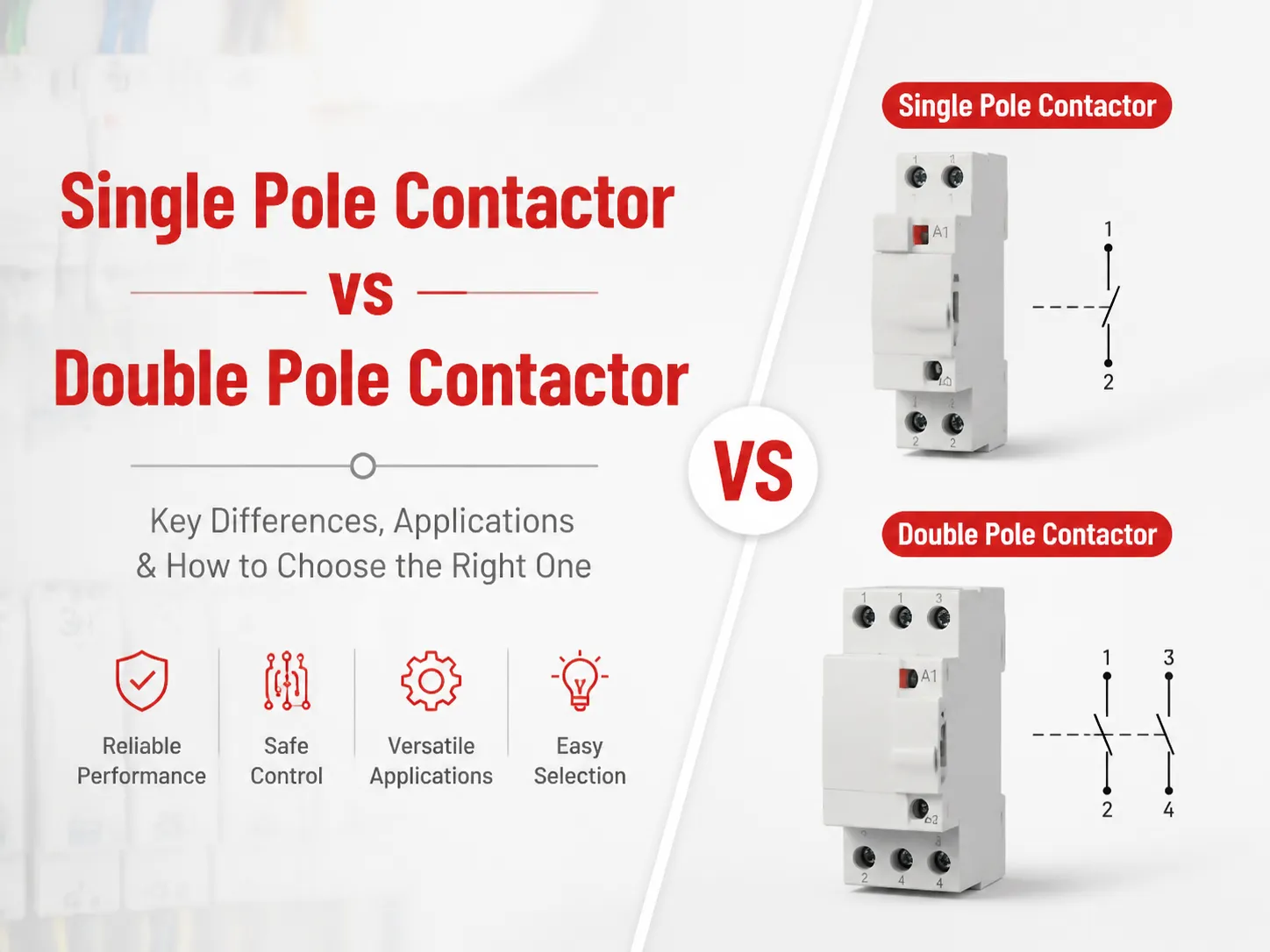
Et l’étendue des spécifications qu’un détaillant doit stocker — les décisions quotidiennes que les clients posent au comptoir — est illustrée par le choix entre monopolaire et bipolaire couvert dans notre guide du nombre de pôles des disjoncteurs.
Les distributeurs : qui déplace le volume
Les distributeurs sont en réalité les véritables fournisseurs pour les détaillants en raison de la grande différence d’échelle.
| Distributeur | Échelle (chiffre d’affaires récent) | Modèle et points forts |
|---|---|---|
| Sonepar | ~$32B+ mondialement (plus grand au monde) | Groupe privé français ; présence mondiale, fortes autorisations OEM, réseaux de succursales locales |
| Rexel | ~$22B | Deuxième plus grand mondial ; forte présence aux États-Unis (Rexel USA, Mayer Electric) |
| Wesco International | ~$23.5B | Plus grand distributeur basé aux États-Unis après l’acquisition d’Anixter ; focus industriel, services publics et centres de données |
| Graybar | ~$12.9B | Propriété des employés ; la référence pour les entrepreneurs et les services publics à travers l’Amérique du Nord |
| CED (Distributeurs Électriques Consolidés) | ~$8B, plus de 700 agences | Le plus grand distributeur privé américain par nombre d’agences — la densité est son arme |
| Border States | ~$4B+ | Distributeur multi-états détenu par ses employés, classé sixième plus grand aux États-Unis |
| Grainger / Fastenal / Motion / Winsupply | $8-18B chacun (MRO et industriel) | Canaux d’approvisionnement MRO, MRO-vending et industriel qui se chevauchent de plus en plus avec la distribution électrique |
Ils ne fournissent pas seulement le produit au détaillant ; ils fournissent également l’approvisionnement OEM requis (autorisations telles que celles avec Eaton, Schneider, ABB, Siemens, Square D, Hubbell, nVent, Legrand aident les détaillants à servir leurs clients les plus rentables et à obtenir des remises), les crédits et conditions, la livraison locale, et les revenus coopératifs qui financent fréquemment les dépenses publicitaires du détaillant. Les faiblesses classiques sont des catalogues numériques médiocres et, dans certains cas, un e-commerce lent, ce qui explique pourquoi les canaux en ligne ont pris le contrôle de la longue traîne.
La couche de valeur : d’où proviennent la marque propre et la marge
Chaque commerçant fait face au même dilemme : si les marques leaders sont accessibles à toute personne disposant d’un numéro d’identification fiscale, où se démarquer ? La réponse pour l’industrie concernée est la marque propre et les marques de valeur, ce qui implique de s’appuyer sur des fabricants certifiés plutôt que sur des distributeurs.
En choisissant un bon fabricant de valeur, un détaillant reçoit quatre éléments qu’un intermédiaire ne peut fournir : sa propre marque sur le produit, une structure de coûts capable de résister à la concurrence des prix, un emballage et une documentation personnalisés pour le marché, et des contacts techniques directs avec les fabricants du produit. Il en va de même pour les inconvénients — MOQ, délais de livraison plus longs, et nécessité de vérifier soi-même la certification et la qualité. L’outil approprié est le processus de qualification des fournisseurs, plutôt qu’un saut dans l’inconnu.
Il existe deux catégories idéales de marques propres pour les détaillants de matériel électrique. Premièrement, les disjoncteurs et dispositifs de protection — achats répétés fréquents, forte demande des entrepreneurs, et un paysage de certification vérifiable. Deuxièmement, les dispositifs de câblage, où la demande au détail est constante et la différenciation produit tangible pour le client ; les tendances qui façonnent cette catégorie, des prises intégrant l’USB aux interrupteurs connectés, sont visibles dans la couverture du marché par le fabricant de dispositifs de câblage igotoele, dont le guide sur prises murales USB et prises de charge rapide montre exactement les caractéristiques produits que les détaillants se voient désormais demander au comptoir.
Prix, marges et remises : l’économie du commerce de détail
La tarification au détail dans le secteur électrique fonctionne selon une formule standard :
| Niveau | Économie typique |
|---|---|
| Manufacturer to distributor | Wholesale pricing with volume tiers; distributor gross margin target 24-30%+ |
| Distributor to retailer/contractor | Trade pricing, often 10-25% below list; rebate and co-op funds negotiated annually |
| Retailer to end customer | List or promotional price; typical gross margin 25-40% depending on category (wiring devices higher, commodity cable lower) |
| Value manufacturers | Landed cost 20-45% below premium brands for equivalent certified specification — the room that makes private label profitable |
The real profit in the sector does not come from markups. Rather profit is made from rebates. Distributors and manufacturers provide various rebates such as volume rebates, growth incentives, cooperative advertising funds, and retailers who do not take into account rebate income are giving up their profits. Therefore, it is advisable to get the exact rebate schedule from every supplier in writing before committing to the purchasing plan for the year.

How should a retailer choose a supplier?
There are six checks to make sure that a supplier generates value for a retailer instead of minimizing it:
- Check for certification and authenticity before placing your first order. Ask to see the certification for the exact model and the reliability testing reports along with asking about how they prevent counterfeit and gray-market products from coming to your marketplace.Breaker compatibility questions come up constantly at the counter, and getting the brand-family logic wrong sends customers back angry — the Eaton and Cutler-Hammer relationship, for example, is a daily question that our Eaton vs Cutler-Hammer guide unpacks.
- Consider assortment and not the catalog. A retailer does not need a catalogue of 40,000 SKUs; it needs the specific SKUs requested by consumers to depth. Work backward from the demand from contractors and consumers, and bear in mind that the demand evolves. For instance, in our article about trends in residential circuit breaker upgrades we wrote about the wave of panel upgrades driven by electrification and changes in codes, which is exactly the signal for making buying decisions this season.
- Assess total landed costs rather than merely unit price. Freight, duties, MOQ carrying cost, and payment terms must be taken into account. A lower-price breaker with a return rate of 15% costs more than the good one with a return rate of 2%.
- Check the tech support previously. Call the technical line with a real question from your client in the assessment period. The result of that query will predict the answer for the next five years.
- Demand for data and EDI. Product images, characteristics, GTINs – whether your e-commerce channel sells or returns, depends on the clean data you have.
- Negotiate the commercial package as a whole. Price, rebate, co-op funds, stock rotation, training, and RMA terms are one negotiation, not five. The service side often moves more profit than the price side — and for the service customers ask about most, our breaker replacement cost guide shows the end-user price context your counter staff should understand when advising on upgrades.
FAQ
What do electricians normally charge per hour?
In the USA, electricians with licenses will charge anywhere from $50 to $130 per hour on average and up to $150-$200 per hour in costly cities including New York, San Francisco, and Boston; most will also charge a service call ranging from $75 to $150. Knowing average prices for electricians is important for retailers, since customers are asking for that information more often now that packages, offering both supply and installation of electrical pieces, are becoming widely popular in the market.
What are common electrical services?
Electrically linked services that customers are interested to know about include things like upgrades of electrical panels, changing of circuit breakers, mounting outlets and switches, installation of lighting systems, installations of circuits for devices and electric cars, installation of power surge protectors and safety reviews.
Who is the biggest electrical contractor?
The largest electrical contractors across North America in terms of revenue are Quanta Services, EMCOR, and MYR Group; the reference to EMCOR is essential as it has dozens of regional subsidiaries dealing with electrical jobs in various regions across the continent. Retailers get the indirect experience of working with major contractors as they buy all products of electrical contractors through authorized dealers and distributors; this makes retailers’ qualification to cooperate with local contractors based mostly on certification of products as well as provision of technical support rather than on sales figures.
What is included in electrical services?
Electrical services presume involvement of qualified contractor through all stages of the project including designing and conduction of calculations, obtaining of permits, conducting electrical installation, performing tests on the circuit and providing after-sale services.
Références
- Eaton — Electrical Products and Distribution
- Schneider Electric — Low Voltage Product Portfolio
- Electrical Wholesaling — Distributor Rankings and Market Data
- NFPA — National Electrical Code
Conclusion
In the supply chain industry in retail electrical services, a business shares the same three levels as any supply chain entity that deals with certified products, technology support, and margin security. In the sense of the manufacturer, it has business reputation and certification: the world leaders Schneider, ABB, Siemens, Eaton, Legrand, Hubbell, and Leviton are the trailblazers in the electrical manufacturing industry, along with other companies that work at the same level but with lower prices. Companies such as HUYU provide the same level of compliance but at 20-45 % less price of the final product. In the field of distribution, companies such as Sonepar, Rexel, Wesco, Graybar and others provide the appropriate stock level as well as credit terms, delivery, and rebates. Online market helps cover the needs of such companies with a variety of products for every taste and budget. If a retailer checks all the necessary suppliers for compliance, suitability, landed cost of the products, technology support, information quality, etc., he can create a product range without competitors in terms of prices.