

Elektrik ürünleri satmak, kurulumlarını yapmakla aynı şey değildir. Elektrik ürünlerinin perakendeciliğinden üretimine geçerken, perakendeciler iş uygulamalarından vazgeçmezler. Bir elektrik perakendecisinin başarısı, günümüzde iş performansı için gerekli olan üç kritik faktörü bir araya getirebilen etkili bir tedarik zincirine bağlıdır. Bu nedenle, bu rehber “perakende elektrik hizmetleri” kavramını, elektrik endüstrisinde faaliyet gösteren ana şirketleri, bunların ilgili işlevlerini ve perakende elektrik ekipmanı tedarikçilerinin nasıl değerlendirileceğini açıklamaktadır.
Özetle, perakende elektrik hizmeti, distribütörlerin perakendeciye sağlayabileceği tüm hizmetleri içerir; yani düşük voltajlı ürün satın alma, şirketin ürettiği ürünlerin uygunluğuna dair belgeler ve sertifikalar, teknik destek yardımı, perakende çalışanlarının eğitimi, kendi markalı ürünlerin üretimi, dropshipping ve e-ticaret satışı, garanti taleplerinin alınması ve RMA işlemlerinin yerine getirilmesi ile her türlü uygun kredi koşulları ve indirimler. Pazarda 3 seviye vardır: Schneider, ABB, Siemens, Eaton, Legrand, Hubbell, Leviton gibi üreticiler ve HUYU gibi markaların sertifikalı üreticileri, toptancılar (Sonepar, Rexel, Wesco, Graybar, CED, Border States) ve Grainger ile Fastenal gibi MRO şirketleri ve e-ticaret katılımcıları; burada perakendeciden tüm katılımcıları koordine etmesi ve uygun tedarikçiden en hızlı hareket eden ürünlerin tedarikini sağlaması beklenir.

Bir elektrik perakendecisinin gerçekten hangi hizmetlere ihtiyacı vardır?
Reklam kaldırılırsa, bir elektrik perakende mağazası tedarikçilerinden dokuz hizmete ihtiyaç duyar:
| Servis | Pratikte ne anlama gelir | Neden marjı belirler |
|---|---|---|
| Güvenilir ürün tedariki | Müşterilerin haftalık talep ettiği SKU’lar genelinde stok mevcudiyeti, makul teslim süreleriyle | Stok tükenmesi, müşterinin ürünü başka yerde satın alması anlamına gelir |
| Sertifikasyon ve özgünlük | UL/IEC/CE sertifikaları, test raporları ve orijinal ürün (sahte değil) | Bir sahte kesici, perakendeci için bir hesabın kaybına veya daha kötüsüne mal olabilir |
| Teknik destek | Değerler, uyumluluk ve kod soruları hakkında telefon, sohbet veya ürünü bilen bir temsilci aracılığıyla yanıtlar | Teknik yardım, bir teklifin satın almaya dönüşmesini sağlar |
| Personel eğitimi | Tezgah personeli ve satış ekipleri için ürün eğitimi, tercihen yüz yüze veya çevrimiçi | Ürünü açıklayabilen personel, ürünü tam marjla daha fazla satar |
| Özel marka / OEM | Belirtilen özelliklere göre üretilen, ambalaj ve dokümantasyona sahip kendi markalı ürünler | Özel marka, perakendecilerin savunulabilir marj oluşturduğu alandır |
| Kit oluşturma ve katma değer | Önceden monte edilmiş kitler (panel kitleri, EV hazır paketleri, aydınlatma setleri) ve özel etiketleme | Kitler sepet değerini artırır ve iadeleri azaltır |
| Dijital entegrasyon | EDI, ürün veri akışları, görseller ve perakendecinin e-ticaret kanalı için dropship yeteneği | Doğru veri, çevrimiçi satış ile iade arasındaki farktır |
| Garanti ve RMA | Açık iade politikası, DOA işlemleri ve saha arıza desteği | İade zorluğu, tekrar iş yapmayı yok eder |
| Kredi ve indirimler | Şartlar, hacim indirimleri, ortak pazarlama fonları ve stok rotasyonu anlaşmaları | İşletme sermayesi ve indirim geliri genellikle perakendecinin gerçek karıdır |
Her bir hizmet, perakendecinin yürüttüğü iş türü için önemlidir. Müteahhitler aracılığıyla iş yapan bir perakendeci, iyi bir ürün bulunabilirliği ve yüksek teknik destek sağlamalıdır. Bir çevrimiçi perakendeci için ise mevcut bilgi kalitesi, dropshipping ve fiyatlandırma stratejisi önemlidir. Markasına güvenen bölgesel bir perakende zinciri, özel marka ve sertifikasyon süreçlerinden faydalanır.

Elektrik tedarik ortamına genel bakış
Başarılı bir perakendeci, sektördeki üç katmandan da tedarik sağlar:
| Katman | Kim | En iyi yaptıkları | Tipik fiyat konumu |
|---|---|---|---|
| Üreticiler | Schneider Electric, ABB, Siemens, Eaton, Legrand, Hubbell, Leviton, Southwire ve HUYU gibi sertifikalı küresel üreticiler | Ürün inovasyonu, sertifikalar, marka çekiciliği, teknik dokümantasyon | Premium (marka adı) ile değer (sertifikalı OEM) arasında |
| Distribütörler | Sonepar, Rexel, Wesco, Graybar, CED, Border States, Winsupply; MRO: Grainger, Fastenal | Yerel stok, kredi, teslimat, paketlenmiş hizmet, OEM yetkilendirmeleri | Toptan satış eksi distribütör marjı (perakendeciler genellikle -30+ brüt marjla satar) |
| Çevrimiçi / katalog kanalları | Distribütör e-ticaret portalları, Amazon Business, Zoro, bölgesel web satıcıları | Uzun kuyruklu SKU'lar, hızlı fiyat karşılaştırması, dropship | Şeffaf, fiyat rekabetçi, ince destek |
İkinci ve üçüncü katmanları atlayan perakendeciler standart ürünleri temin ederken gereksiz maliyetlere katlanırken, birinci katmanı atlayanlar müteahhitlerin saygısını kaybetme riski taşır.
Üreticiler: kim ne yapar
Markalı üretim katmanını kontrol eden dört baskın şirket:
- Schneider Electric (Fransa) — evler için Square D ticari markasını ve ticaret ile endüstri için yüksek kaliteli ürünleri içeren en geniş düşük voltaj aralığını sunar.
- ABB (İsviçre, İsveç) — endüstriyel devre kesiciler, sürücüler ve Tmax MCCB serisinde uzmanlaşmıştır; ayrıca Kuzey Amerika'da Thomas & Betts ve GE Industrial Solutions markalarına sahiptir.
- Siemens (Almanya) — konut ve endüstriyel alanları kapsayan derin mühendislik uzmanlığına sahiptir, güçlü dijitalleşme ve otomasyon çözümleri ile desteklenmiştir.
- Eaton (İrlanda, ABD) — konut BR/CH panel ekosistemi ve ticari/endüstriyel koruma üreticisidir; ürün uyumluluğunda etkileyici bir kurulu tabana sahiptir.
- Legrand, Hubbell, Leviton — güç kablolaması, güç muhafazaları ve konut/ticari cihazlarda yer alır; ayrıca Leviton, akıllı devre kesiciler ve bağlantılı teknolojilerde avantaj sahibidir.
Bu katmanın altında, Çin ve diğer yerlerde aynı IEC/UL uyumlu ürünleri -45 daha düşük fiyatla sunan sertifikalı değer katmanı yer alır. 1989 yılında kurulan ve Eaton ortak girişiminden teknik destek alan HUYU burada çalışmakta ve UL, KEMA, TUV, CE, CB ve IEC sertifikalı minyatür devre kesiciler, MCB'ler, kalıplı ve hava devre kesiciler, kontaktörler, röleler, enstrüman trafoları, aşırı gerilim koruyucuları ve PV kombine kutuları üretmektedir. Şirketin gücü verimli üretim (test ve ürün izlenebilirliği ile otomatik üretim) ve fiyat avantajındadır; zayıf yönü ise marka tanınırlığıdır: perakendecilerin bunu kendi başlarına tanıtması gerekir. Ucuzdan pahalıya ürün koleksiyonu oluşturan bir perakendeci için bu tür üreticinin rolü tam da budur.
Değerli bir devre kesicinin rafınızda premium bir ürünle yan yana durup duramayacağını belirleyen sertifikasyon sorusu, UL 489 kesici rehberi.
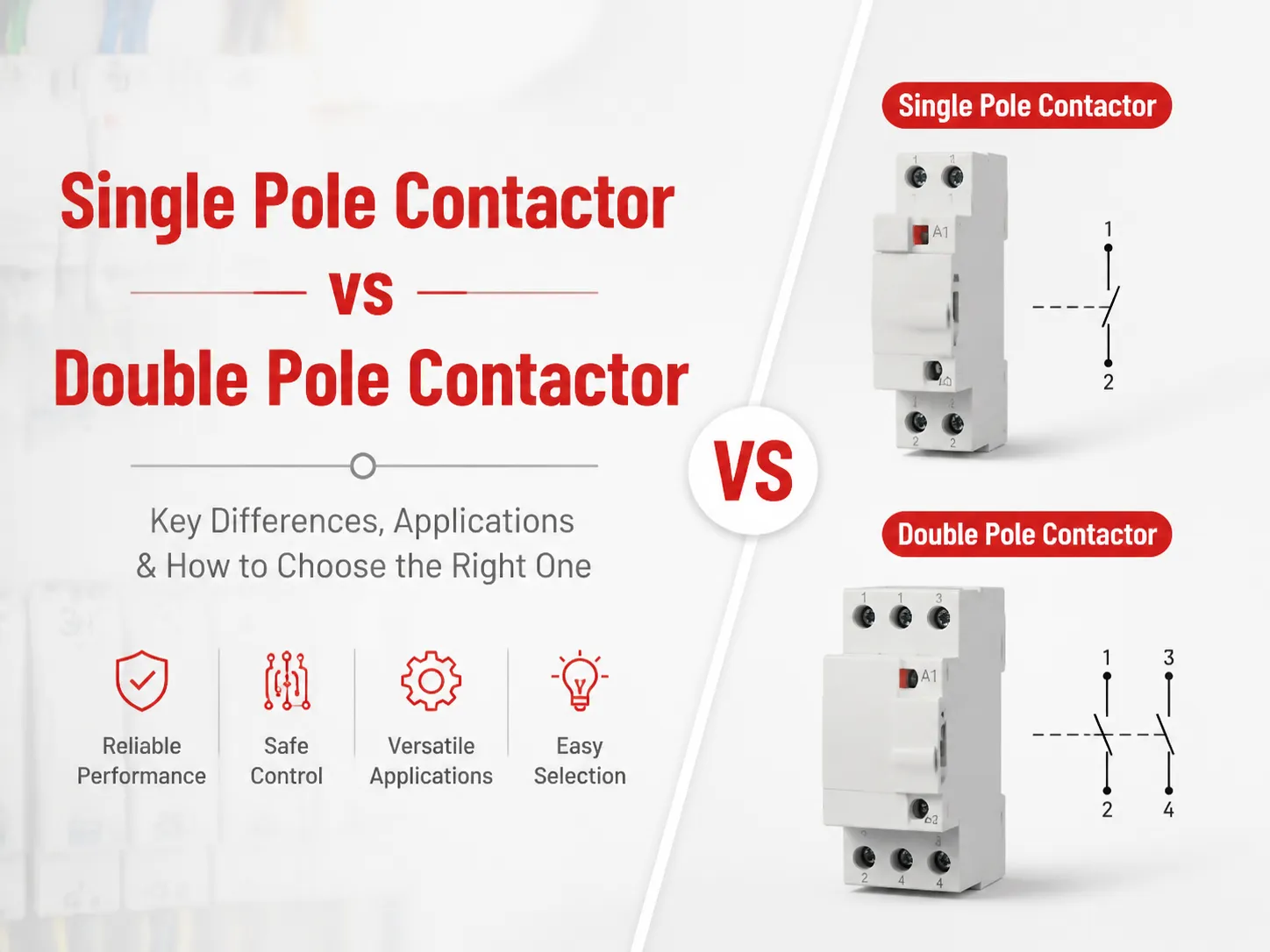
Ve bir perakendecinin stoklaması gereken teknik özellik genişliği — müşterilerin tezgah başında sorduğu günlük kararlar — tek kutuplu ve çift kutuplu seçimle ilgili rehberimizde açıklanmıştır.
Distribütörler: hacmi kim hareket ettirir
Distribütörler, ölçek farkı nedeniyle perakendeciler için gerçek sağlayıcılardır.
| Distribütör | Ölçek (son gelir) | Model ve güçlü yönler |
|---|---|---|
| Sonepar | ~32 milyar TP4T+ global olarak (dünyanın en büyüğü) | Fransız özel grup; küresel ayak izi, derin OEM yetkilendirmeleri, yerel şube ağları |
| Rexel | ~22 milyar TP4T | İkinci en büyük küresel; güçlü ABD varlığı (Rexel USA, Mayer Electric) |
| Wesco International | ~23.5 milyar TP4T | Anixter satın alımından sonra ABD merkezli en büyük distribütör; endüstriyel, kamu hizmetleri ve veri merkezi odaklı |
| Graybar | ~12.9 milyar TP4T | Çalışan sahipliğinde; Kuzey Amerika genelinde müteahhitler ve kamu hizmetleri için tercih edilen |
| CED (Birleşik Elektrik Dağıtıcıları) | ~$8B, 700+ şube | Şube sayısına göre en büyük ABD özel distribütörü — yoğunluk en büyük avantajı |
| Border States | ~$4B+ | Çalışan sahipliğinde çok eyaletli distribütör, ABD’de altıncı en büyük |
| Grainger / Fastenal / Motion / Winsupply | Her biri $8-18B (MRO ve endüstriyel) | Elektrik perakendesini giderek daha fazla kapsayan MRO, MRO-vending ve endüstriyel tedarik kanalları |
Sadece perakendeciye ürün sağlamakla kalmazlar; aynı zamanda gerekli OEM tedarikini (Eaton, Schneider, ABB, Siemens, Square D, Hubbell, nVent, Legrand gibi yetkilendirmeler perakendecilerin en karlı müşterilerine ve indirimlere hizmet etmesini sağlar), kredileri ve koşulları, yerel teslimatı ve perakendecinin reklam harcamalarını sıklıkla finanse eden ortak gelirleri de sağlarlar. Klasik zayıflıklar kötü dijital kataloglar ve bazı durumlarda yavaş e-ticaret olup, bu nedenle çevrimiçi kanallar uzun kuyruk üzerinde kontrolü ele aldı.
Değer katmanı: özel marka ve marjın geldiği yer
Her mağaza sahibi aynı ikilemle karşı karşıyadır: lider markalar vergi kimliği olan herkes tarafından erişilebilirken, nerede öne çıkar? İlgili sektör için cevap özel marka ve değer markalarıdır; bu da distribütörler yerine sertifikalı üreticilere güvenmeyi gerektirir.
İyi bir değer üreticisi seçerek, bir perakendeci aracının sağlayamayacağı dört şeyi alır: ürün üzerinde kendi marka adı, fiyat rekabetine dayanabilecek maliyet yapısı, pazar için özel ambalaj ve dokümantasyon ve ürünün üreticileriyle doğrudan teknik temaslar. Aynı durum dezavantajlar için de geçerlidir — MOQ’lar, daha uzun sevkiyat süreleri ve sertifikasyon ile kaliteyi kendinizin doğrulaması gerekliliği. Uygun araç, inanç sıçraması yerine satıcı yeterlilik sürecidir.
Elektrik malzemeleri perakendecileri için ideal özel markaların iki kategorisi vardır. Birincisi, devre kesiciler ve koruma cihazları — yüksek tekrar satın alma, güçlü müteahhit talebi ve doğrulanabilir bir sertifikasyon ortamı. İkincisi, perakende talebinin sürekli olduğu ve ürün farklılaştırmasının müşteriye somut olduğu kablolama cihazlarıdır; USB entegre prizlerden bağlantılı anahtarlara kadar bu kategoriyi şekillendiren trendler, kablolama cihazı üreticisi igotoele’nin pazar kapsamında görünürdür, rehberi USB duvar prizleri ve hızlı şarj prizleri perakendecilerin artık sayaçta talep ettiği ürün özelliklerini tam olarak gösterir.
Fiyatlar, marjlar ve indirimler: perakende ekonomisi
Elektrik sektöründe perakende fiyatlandırması standart bir formüle göre işler:
| Seviye | Tipik ekonomi |
|---|---|
| Manufacturer to distributor | Wholesale pricing with volume tiers; distributor gross margin target 24-30%+ |
| Distributor to retailer/contractor | Trade pricing, often 10-25% below list; rebate and co-op funds negotiated annually |
| Retailer to end customer | List or promotional price; typical gross margin 25-40% depending on category (wiring devices higher, commodity cable lower) |
| Value manufacturers | Landed cost 20-45% below premium brands for equivalent certified specification — the room that makes private label profitable |
The real profit in the sector does not come from markups. Rather profit is made from rebates. Distributors and manufacturers provide various rebates such as volume rebates, growth incentives, cooperative advertising funds, and retailers who do not take into account rebate income are giving up their profits. Therefore, it is advisable to get the exact rebate schedule from every supplier in writing before committing to the purchasing plan for the year.

How should a retailer choose a supplier?
There are six checks to make sure that a supplier generates value for a retailer instead of minimizing it:
- Check for certification and authenticity before placing your first order. Ask to see the certification for the exact model and the reliability testing reports along with asking about how they prevent counterfeit and gray-market products from coming to your marketplace.Breaker compatibility questions come up constantly at the counter, and getting the brand-family logic wrong sends customers back angry — the Eaton and Cutler-Hammer relationship, for example, is a daily question that our Eaton vs Cutler-Hammer guide unpacks.
- Consider assortment and not the catalog. A retailer does not need a catalogue of 40,000 SKUs; it needs the specific SKUs requested by consumers to depth. Work backward from the demand from contractors and consumers, and bear in mind that the demand evolves. For instance, in our article about trends in residential circuit breaker upgrades we wrote about the wave of panel upgrades driven by electrification and changes in codes, which is exactly the signal for making buying decisions this season.
- Assess total landed costs rather than merely unit price. Freight, duties, MOQ carrying cost, and payment terms must be taken into account. A lower-price breaker with a return rate of 15% costs more than the good one with a return rate of 2%.
- Check the tech support previously. Call the technical line with a real question from your client in the assessment period. The result of that query will predict the answer for the next five years.
- Demand for data and EDI. Product images, characteristics, GTINs – whether your e-commerce channel sells or returns, depends on the clean data you have.
- Negotiate the commercial package as a whole. Price, rebate, co-op funds, stock rotation, training, and RMA terms are one negotiation, not five. The service side often moves more profit than the price side — and for the service customers ask about most, our breaker replacement cost guide shows the end-user price context your counter staff should understand when advising on upgrades.
SSS
What do electricians normally charge per hour?
In the USA, electricians with licenses will charge anywhere from $50 to $130 per hour on average and up to $150-$200 per hour in costly cities including New York, San Francisco, and Boston; most will also charge a service call ranging from $75 to $150. Knowing average prices for electricians is important for retailers, since customers are asking for that information more often now that packages, offering both supply and installation of electrical pieces, are becoming widely popular in the market.
What are common electrical services?
Electrically linked services that customers are interested to know about include things like upgrades of electrical panels, changing of circuit breakers, mounting outlets and switches, installation of lighting systems, installations of circuits for devices and electric cars, installation of power surge protectors and safety reviews.
Who is the biggest electrical contractor?
The largest electrical contractors across North America in terms of revenue are Quanta Services, EMCOR, and MYR Group; the reference to EMCOR is essential as it has dozens of regional subsidiaries dealing with electrical jobs in various regions across the continent. Retailers get the indirect experience of working with major contractors as they buy all products of electrical contractors through authorized dealers and distributors; this makes retailers’ qualification to cooperate with local contractors based mostly on certification of products as well as provision of technical support rather than on sales figures.
What is included in electrical services?
Electrical services presume involvement of qualified contractor through all stages of the project including designing and conduction of calculations, obtaining of permits, conducting electrical installation, performing tests on the circuit and providing after-sale services.
Referanslar
- Eaton — Electrical Products and Distribution
- Schneider Electric — Low Voltage Product Portfolio
- Electrical Wholesaling — Distributor Rankings and Market Data
- NFPA — National Electrical Code
Sonuç
In the supply chain industry in retail electrical services, a business shares the same three levels as any supply chain entity that deals with certified products, technology support, and margin security. In the sense of the manufacturer, it has business reputation and certification: the world leaders Schneider, ABB, Siemens, Eaton, Legrand, Hubbell, and Leviton are the trailblazers in the electrical manufacturing industry, along with other companies that work at the same level but with lower prices. Companies such as HUYU provide the same level of compliance but at 20-45 % less price of the final product. In the field of distribution, companies such as Sonepar, Rexel, Wesco, Graybar and others provide the appropriate stock level as well as credit terms, delivery, and rebates. Online market helps cover the needs of such companies with a variety of products for every taste and budget. If a retailer checks all the necessary suppliers for compliance, suitability, landed cost of the products, technology support, information quality, etc., he can create a product range without competitors in terms of prices.