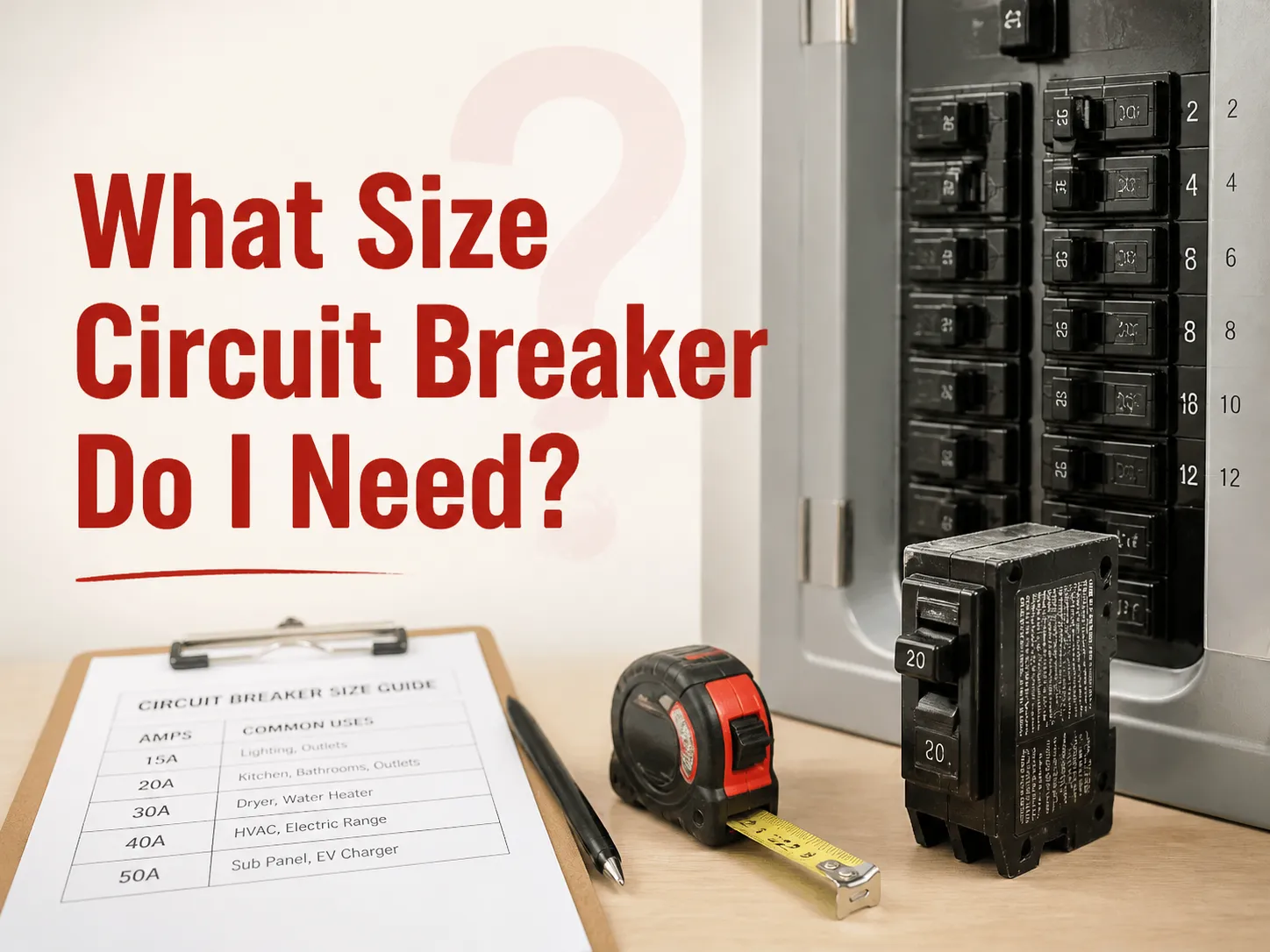

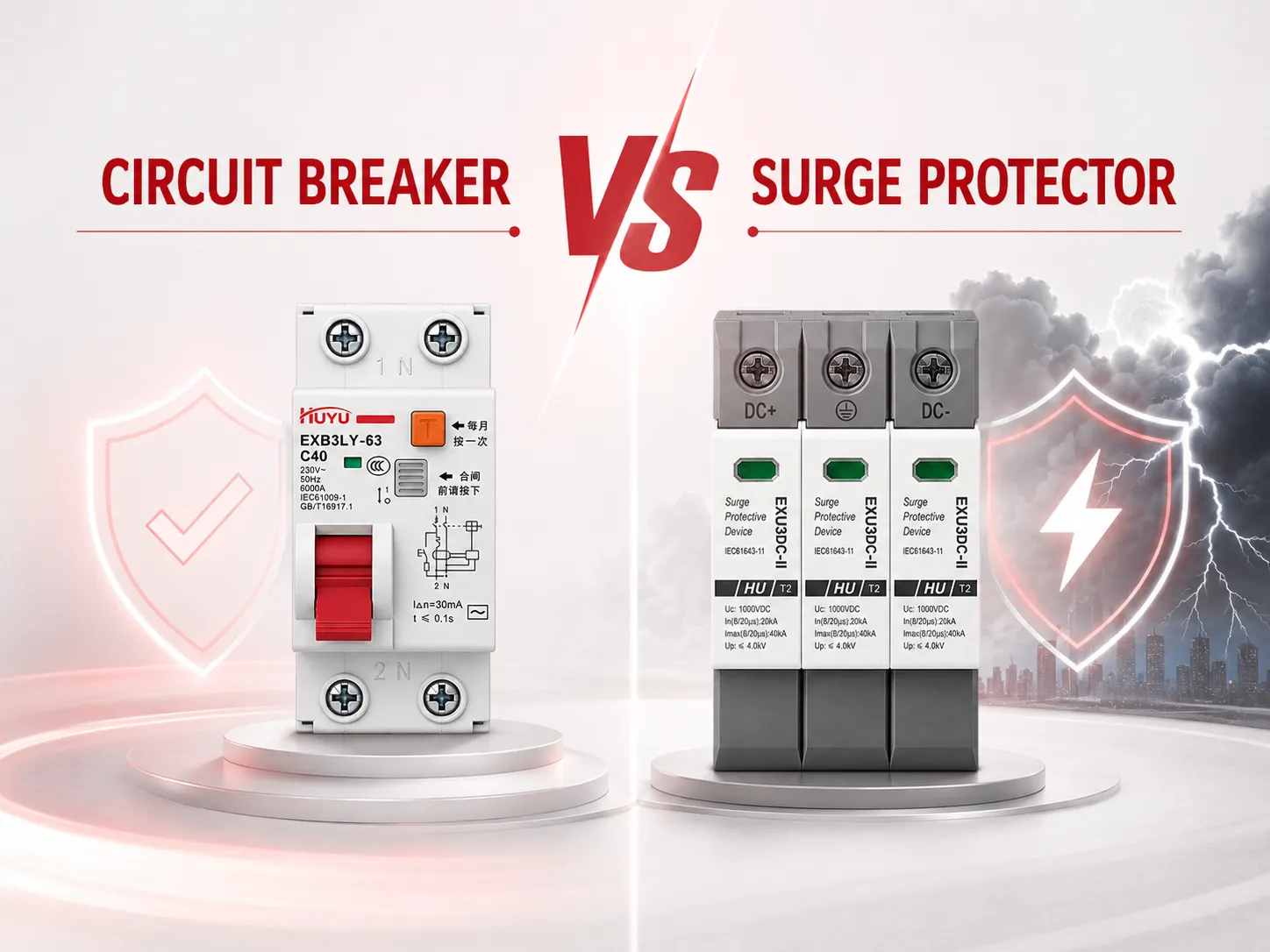
At first glance, surge protectors and circuit breakers both seem to protect electrical systems, but they perform completely different functions. A circuit breaker (like an MCB or RCCB) helps prevent electrical fires by interrupting current flow when a circuit is overloaded or when a short circuit occurs. A surge protector (or SPD, Surge Protective Device) protects sensitive electronic equipment from sudden voltage surges caused by lightning strikes or power grid fluctuations. This article compares the two devices, explains how each is used, where they can be installed in residential or commercial applications, and how to decide which one is right for your home or business.
Basic Functions
Circuit Breakers Stop Overloads and Fires
Circuit breakers are typically the first line of defense in your home’s electrical panel. They continuously monitor the current flowing through a circuit and automatically trip (cut off power) when the current exceeds safe levels because of an overloaded circuit (too many devices plugged in at once) or a short circuit (wiring fault). Common types include:
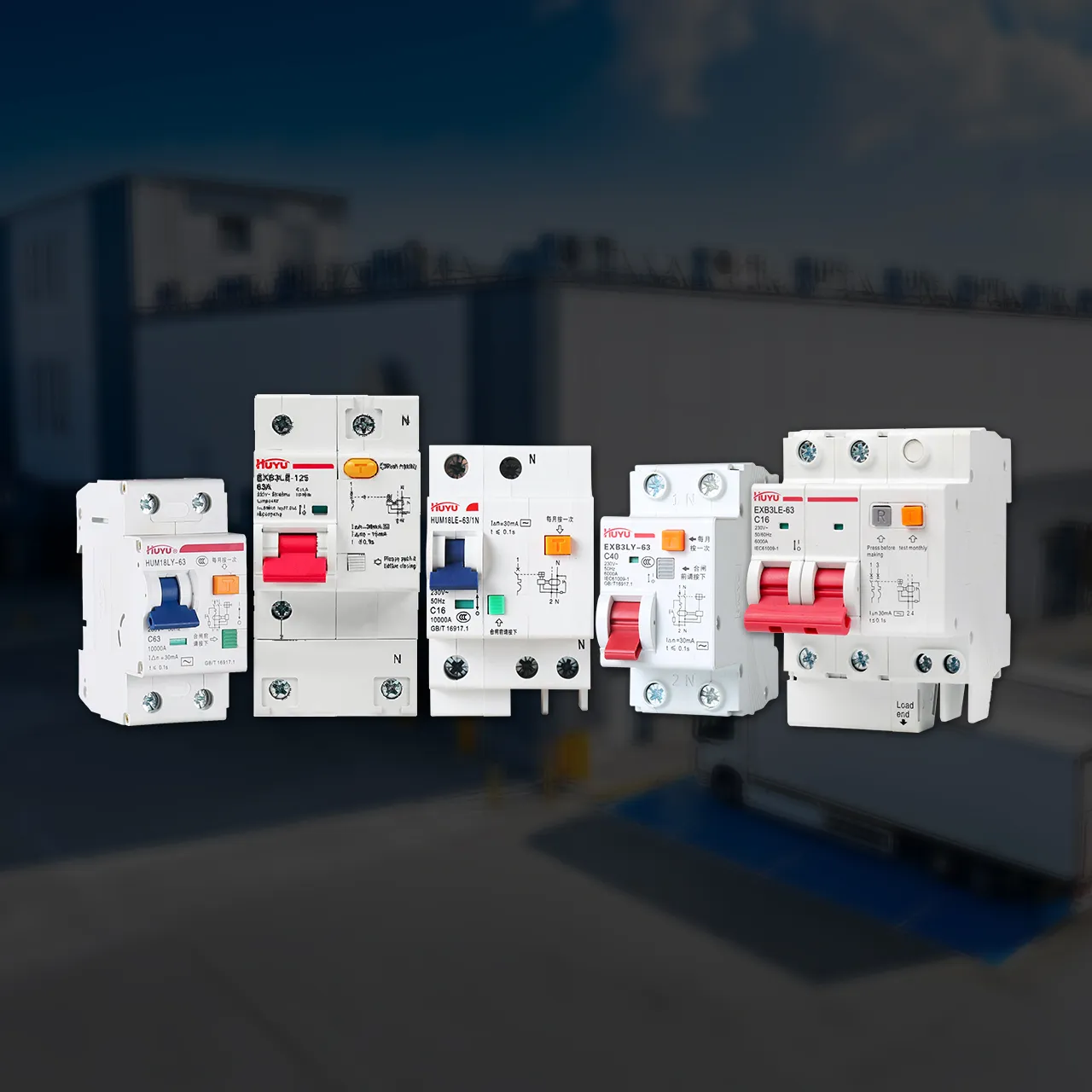
- MCB (Miniature Circuit Breaker): Used in homes to protect against overcurrents.
- RCCB (Residual Current Circuit Breaker): Detects ground faults, de-energizes the circuit, and helps prevent electric shock.
Without circuit breakers, overloaded wiring could generate heat and cause a fire. All modern homes must have circuit breakers as required by electrical code.
Surge Protectors Protect Electronics from Spikes
Surge protectors are designed to absorb or redirect extra voltage (surges or spikes) away from devices such as computers, televisions, and smart home equipment. A typical surge can exceed 10,000 volts, while standard household voltage in the United States is 120 volts, and sensitive electronics can be damaged in fractions of a second. Advanced surge protective devices, also known as SPDs, can be installed directly in the electrical panel to protect electronics throughout the home, while power strip surge protectors provide protection for individual devices.
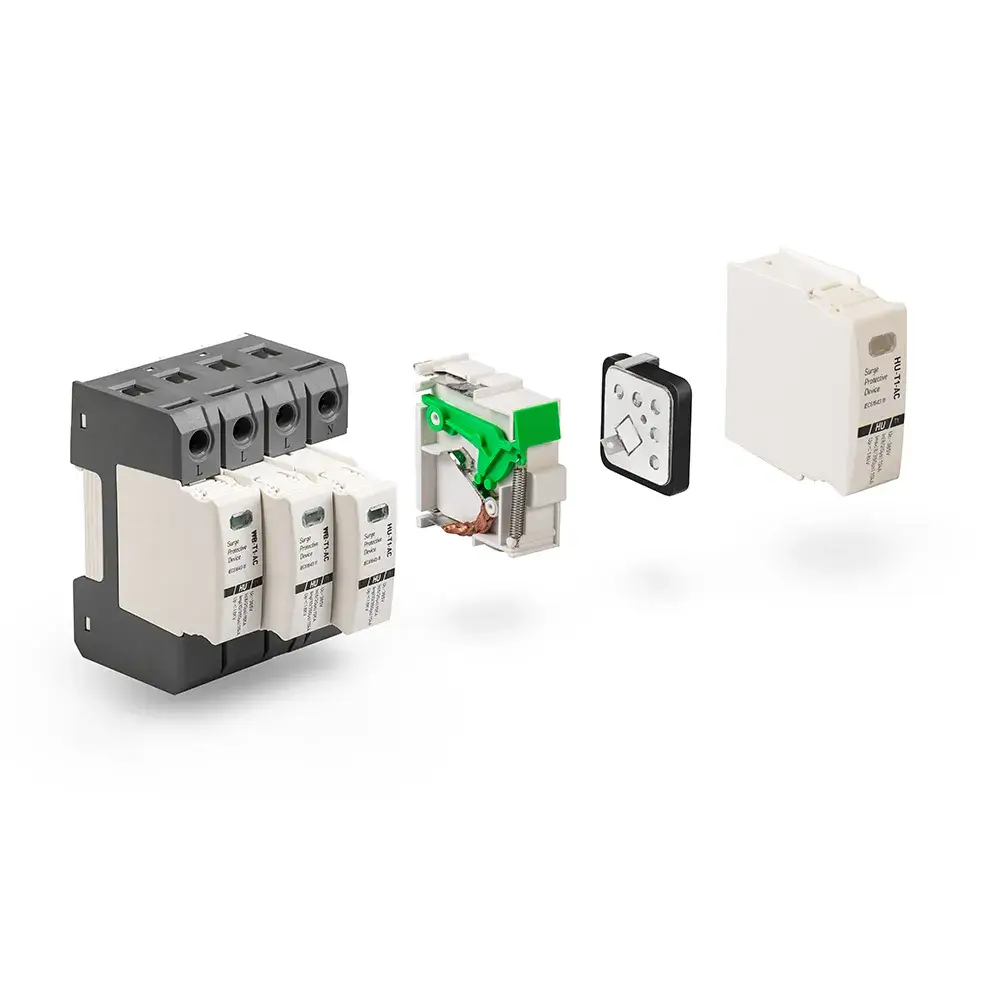
Comparison: Circuit Breakers vs Surge Protectors
| Feature | Circuit Breaker | Surge Protector |
|---|---|---|
| Purpose | Prevent electrical fires and shock by stopping short circuits or overcurrents | Protect electronics in your home from voltage spikes and surges |
| Operation | Trips a switch to cut power when current exceeds safe limits | Uses metal oxide varistors (MOVs) to absorb excessive voltage and redirect it to ground |
| Installation | Wired into the main electrical panel (professional installation recommended) | Installed as plug-in power strips (DIY) or as panel-mounted SPDs (professional installation) |
| Cost | $10–$50 per circuit breaker; $100–$300 for replacing an entire electrical panel | $10–$50 for plug-in power strips; $200–$800 for whole-house SPDs |
| Common Uses | Protecting the entire electrical system in your home, appliances, and lighting | Protecting computers, TVs, video game consoles, smart home devices, and home theater components |
Choosing Between a Circuit Breaker or Surge Protector
The short answer is yes—you need both. Circuit breakers help protect your home’s electrical wiring from catching fire, while surge protectors protect expensive electronics from being damaged by voltage surges. For example:
- Use an MCB in your panel to protect a circuit from overload when a space heater and lamp are used on the same circuit.
- Plug your video game console and television into a surge protector to help protect them from a lightning-related power spike.
For the highest level of protection, use a whole-house surge protector (SPD) connected to your electrical panel and add individual plug-in surge protectors for valuable devices. When used together, panel-mounted SPDs and plug-in surge protectors help protect both your home’s electrical system and the electronic appliances inside it.
Frequently Asked Questions: Circuit Breakers vs. Surge Protectors
Is it better to use a surge protector or a circuit breaker?
They are not competing pieces of equipment; they serve different purposes. A circuit breaker helps prevent electrical fires and shock from conditions such as overloaded circuits or ground faults, while a surge protector protects electronics from sudden voltage spikes. To properly protect your home and appliances, you need both. A circuit breaker will not stop a voltage surge from damaging your TV, and a surge protector will not stop an overloaded circuit from starting a fire.
What should never be plugged into a surge protector?
You should not plug high-power appliances into a surge protector because their higher amperage can overload the surge protector and potentially start a fire. Examples include:
- Space heaters, electric stoves, and electric ovens
- Window air conditioning units and portable heaters
- Refrigerators and freezers (these should be plugged directly into a wall outlet protected by an MCB)
Surge protectors are intended for low-to-medium power devices such as electronics, not high-amperage appliances.
What is the best breaker to use with a Bryant Panel?
Bryant panels accept Bryant-made circuit breakers and may also accept breakers from Siemens or Eaton (formerly Cutler-Hammer). Always refer to the owner’s manual for your panel or contact a licensed electrician before installing a breaker, because using an incompatible breaker can create a fire hazard.
How much does an electrician charge to replace a circuit breaker?
The average cost of replacing a circuit breaker ranges from $100–$250, including materials and labor. If the entire electrical panel needs replacement, the cost can range from $1,500–$4,000. The price varies based on location, panel size, and whether new wiring runs need to be installed. To ensure safe, code-compliant work, always hire a licensed electrician for installation.
Understanding that circuit breakers and surge protectors provide different functions helps homeowners build a complete protection system for both the electrical wiring and the electronics in their homes. Use MCBs or RCCBs in your electrical panel to protect power distribution from overloads, short circuits, and ground faults, and use plug-in or whole-house surge protectors to safeguard sensitive devices such as computers and smart TVs. Also make sure any circuit breakers you purchase are compatible with your specific panel; for Bryant panels, Siemens and Eaton breakers may be suitable options. Because improper installation or incompatible equipment can create serious fire hazards, always hire a licensed electrician for electrical installation work.