

Canadá está entre los países que han desarrollado un sólido ecosistema de fabricación de equipos, impulsado no por el bajo costo sino por algo muy raro: producción con muchas variantes y volumen moderado que se destaca por un profundo soporte de ingeniería, rigurosos requisitos de certificación y la proximidad geográfica al mercado estadounidense. Para las empresas OEM que planean diversificar las cadenas de suministro, los proveedores canadienses de servicios de fabricación electrónica se vuelven soluciones de nearshoring cada vez más atractivas. La información presentada en esta guía cubre las principales organizaciones EMS con sede en Canadá, sus competencias centrales y certificaciones. También ayudará a identificar el mejor socio EMS para sus productos.
Hay muchos proveedores líderes de servicios de fabricación electrónica (EMS) en Canadá, incluyendo Celestica, Jabil, Sanmina, Creation Technologies, SMTC, Asteelflash, SigmaPoint, Bittele Electronics, MPL Innovations y SMT Microsystems. La mayoría de las empresas EMS canadienses cuentan con certificaciones ISO 9001, ISO 13485 (médica), AS9100 (aeroespacial) y especificaciones IPC-A-610/J-STD-001, y están principalmente especializadas en desarrollo de prototipos y soporte de producción, ingeniería DFM e integración de ensamblaje en caja más que en producción masiva.
Por qué Canadá para la fabricación electrónica
La propuesta respecto a la fabricación electrónica en Canadá es distinta en comparación con la de Asia. A diferencia de los proveedores asiáticos de servicios de fabricación electrónica (EMS) que dependen de precios bajos, los proveedores EMS canadienses son competitivos en relación con cuatro factores relevantes para industrias específicas que fabrican productos en volumen medio:
- Calidad y profundidad de la certificación. En Canadá, el criterio mínimo es ISO 9001 con la adición de ISO 13485 para los productos fabricados en la industria médica y AS9100 para la industria aeroespacial. Phillips y NASA utilizan los estándares de ensamblaje IPC-A-610/J-STD-001 para productos críticos.
- Asistencia de ingeniería. Los EMS canadienses ofrecen servicios desde las etapas de revisión de diseño de PCB, así como diseño para la fabricabilidad, hasta la creación de prototipos y gestión del ciclo de vida del producto. El fabricante se encarga de todo el proceso desde la concepción del producto hasta la producción.
- Alta variedad con volumen bajo y medio. Canadá fabrica sin utilizar electrónica de consumo con más de cientos y posiblemente decenas de miles de unidades de producción.
- Proximidad al mercado estadounidense y protección de la propiedad intelectual. Algunas ventajas incluyen la misma zona horaria, logística rápida y excelentes leyes de protección, lo que convierte a Canadá en el estado más cercano para los OEM estadounidenses que se están alejando de las cadenas de producción internacionales.
Debido a tales ventajas, Canadá es una opción ventajosa para empresas que buscan opciones de fabricación electrónica de alta variedad y volumen bajo y medio. La realidad subyacente a esa elección es la misma en todas partes: piezas certificadas con datos de prueba documentados, desde dispositivos de protección como el gama HUYU HUM18-63N MCB hasta el catálogo eléctrico más amplio, son lo que hace que la producción de un EMS esté lista para auditorías.

Perfil de las 10 principales empresas EMS
Celestica (Toronto, ON)
Esta es la empresa EMS insignia de Canadá que también es una de las más grandes del mundo. Originalmente creada como una división de fabricación de IBM (que llevó a la compañía a más de 75 años de cooperación) y luego separada en 1996. Hoy en día, la empresa emplea a más de 20000 personas en América del Norte, Europa y Asia. Celestica ofrece un servicio integral: diseño, ensamblaje de PCB, integración de sistemas, cadena de suministro y soporte postventa para más de 200 OEMs.
Jabil (operaciones en Ontario)
No solo es uno de los mayores fabricantes de electrónica, sino que también lleva más de 50 años en el negocio con 140000 empleados en todo el mundo. Si necesita un gran volumen de productos en Canadá, Jabil es su solución.
Sanmina (Ottawa, ON)
La instalación de Sanmina en Ottawa ofrece una variedad de servicios de telecomunicaciones y redes con producción que incluye fabricación de PCB y ensamblaje de productos in situ.
Creation Technologies (Vancouver, BC)
Este es el creador de la electrónica de alta fiabilidad. La empresa se concentra en equipos médicos, dispositivos IoT, armamento militar y dispositivos relacionados con energías renovables, siendo muy seria y cuidadosa con sus proyectos.
SMTC Corporation
Si necesita una empresa que ofrezca un servicio al cliente receptivo y pueda proporcionar soluciones de fabricación, SMTC debe ser la elegida.
Asteelflash Canada (Toronto, ON)
Asteelflash cuenta con todas sus capacidades EMS — SMT, THT, arneses de cables y ensamblaje de cajas — en los sectores de electrónica de consumo, industrial, seguridad y automotriz, y aporta presencia global y experiencia localmente.
SigmaPoint Technologies (Cornwall, ON)
Una empresa de manufactura esbelta en los campos militar, aeroespacial, automatización y energía limpia con electrónica de alta fiabilidad, servicios llave en mano y gestión avanzada de la cadena de suministro.
Bittele Electronics (Toronto, ON)
El socio confiable para el ensamblaje de PCB en volúmenes bajos a medios — fabricación de PCB, abastecimiento de componentes, SMT, THT y pruebas finales principalmente para startups, empresas de ingeniería, fabricantes de dispositivos médicos e industriales que necesitan producciones rápidas y flexibles.
MPL Innovations (Winnipeg, MB)
Especialista en ensamblajes electromecánicos y arneses para agricultura, maquinaria de construcción, robótica y transporte, así como ensamblajes electromecánicos personalizados, arneses y sistemas de control industrial.
SMT Microsystems (St-Laurent, QC)
Uno de los principales fabricantes SMT de ensamblaje de dispositivos médicos y biotecnología — soldadura por reflujo, retrabajo BGA, recubrimiento conformado, pruebas exhaustivas con tiempos de entrega cortos.
Tabla comparativa
| Empresa | Ubicación | Fortaleza | Certificaciones | Mejor Para |
|---|---|---|---|---|
| Celestica | Toronto, ON | Escala, aeroespacial, centros de datos | ISO 9001, AS9100, ISO 13485 | Programas globales de alta complejidad |
| Jabil | Operaciones en Ontario | Escala global, alto volumen | ISO 9001/13485 | Programas grandes, logística mundial |
| Sanmina | Ottawa, ON | Integración vertical, telecomunicaciones | AS9100, ISO 13485 | Defensa, telecomunicaciones, industrial |
| Creation Technologies | Vancouver, BC | Alta fiabilidad, médico | ISO 13485, AS9100 | Medical devices, defense |
| SMTC | Canada/US | Nearshore transfers | ISO 9001 | Mid-market OEMs reshoring |
| Asteelflash | Toronto, ON | Full EMS scope | ISO 9001, IATF 16949 | Consumer, industrial, automotive |
| SigmaPoint | Cornwall, ON | Lean, military/aerospace | ISO 9001, AS9100 | Defense, clean energy |
| Bittele | Toronto, ON | Small-mid volume, fast | ISO 9001, IPC | Startups, low-volume products |
| MPL Innovations | Winnipeg, MB | Electromechanical, harnesses | ISO 9001 | Agriculture, robotics, transport |
| SMT Microsystems | Montreal, QC | Precision SMT, medical | ISO 13485 | Medical, biotech assembly |

What EMS Services Actually Include
An EMS partner is not simply someone who assembles circuit boards. The average service flow can be defined through the following steps:
- The design and engineering process, including DFM analysis, PCB design support, prototype creation, and technical verification.
- The process of sourcing parts from the suppliers and managing logistics — something that is becoming more and more important during the times of scarcity of electronic components.
- PCB assembly, including SMT, through-hole, fine pitch and BGA assembly, as well as PCB quality checks.
- Testing process, including electrical testing, functionality testing, and burn-in process aimed at ensuring that the assembled PCB performs as expected.
- Box build and system integration — assembling the final product, including casing and wiring.
- Post use services, including repairs, restoration, and product disposal.
Canadian EMS companies charge a premium for their engineering expertise and after-use services, while these are the areas where mid-size OEMs do not benefit much from the low-cost assembly companies. It is useful to find out what processes are in-house when evaluating a partner, as a company that outsources DFM or testing will have a higher risk of non-coordination.
The Component Supply Chain (and Where HUYU Fits)
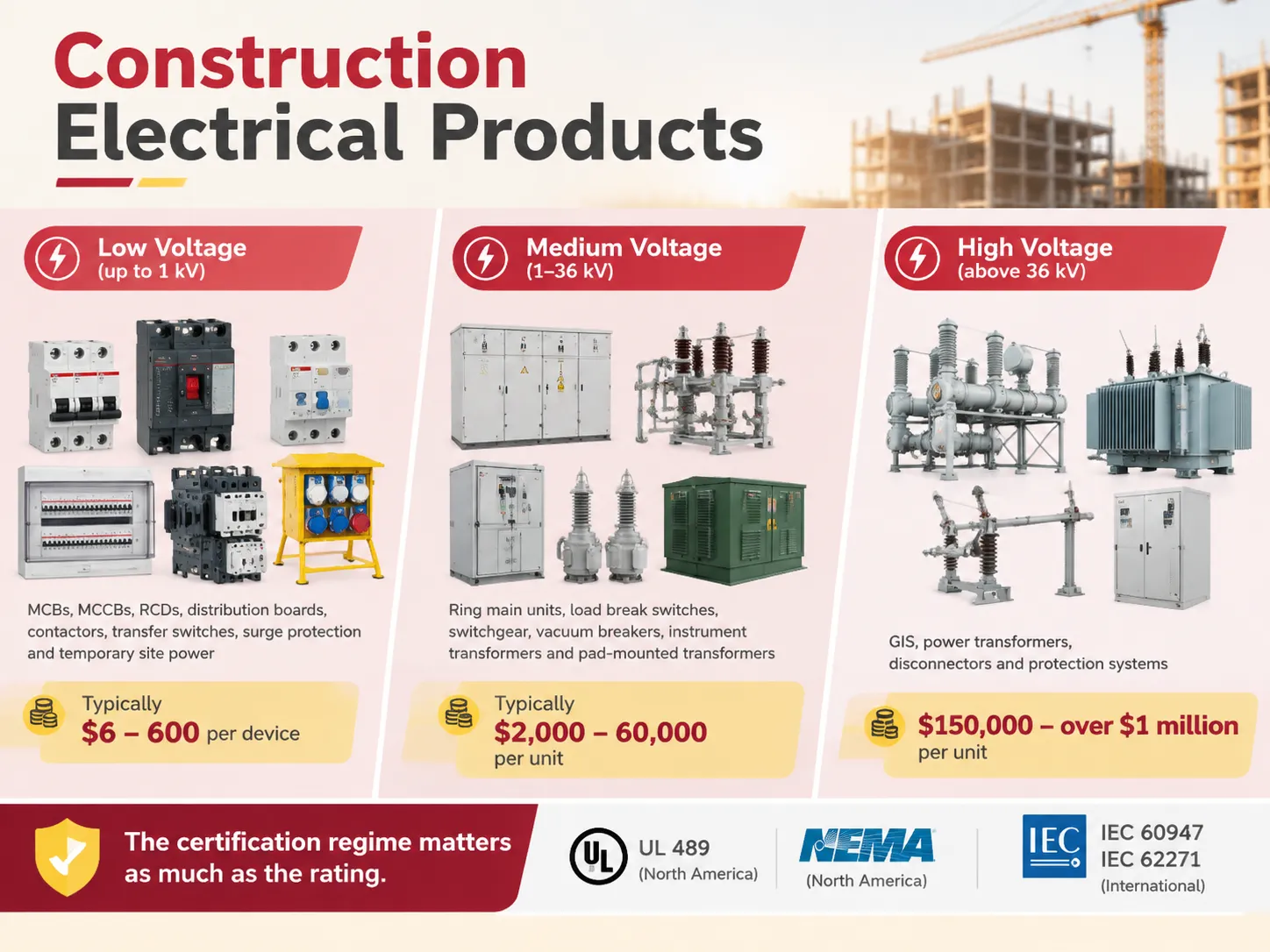
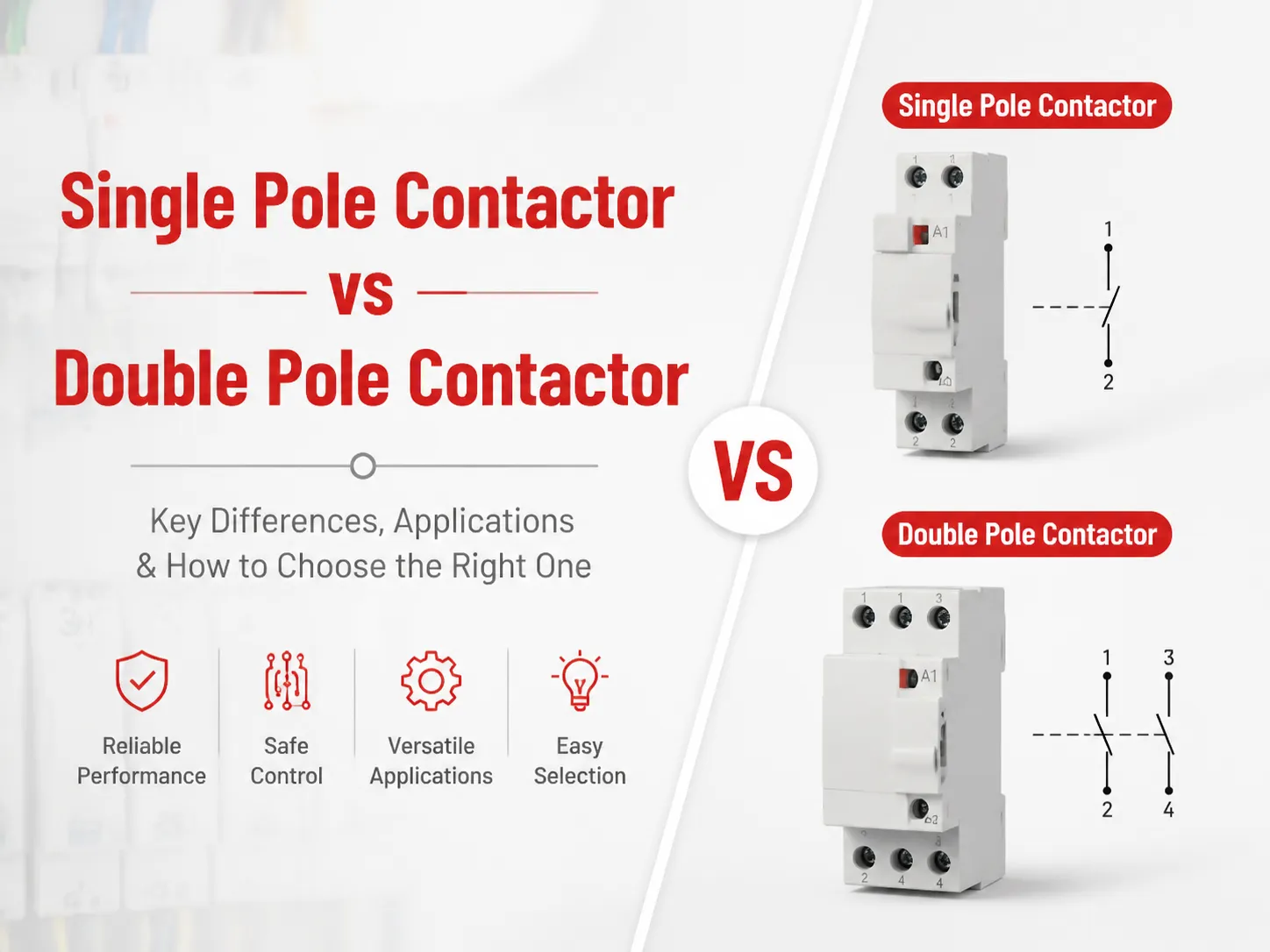
An honest guide to Canadian EMS should entail a correct remark regarding the level that appears beneath each assembly: components. An EMS provides assembled products based on the outputs of the component supply chain — the breakers, relays, connectors, and power-distributing elements that are found in many devices are made by specialized manufacturers.This is where HUYU Electric sits in the electronics-manufacturing picture: HUYU (Huanyu High-Tech, founded 1989, with technical support from an Eaton joint venture) is a low-voltage electrical manufacturer — miniature circuit breakers from 6A to 125A in 1P to 4P configurations (the single-pole vs double-pole decision every protection design starts with), plus contactors, relays, instrument transformers, surge protectors, and PV combiner boxes — certified to UL, KEMA, TUV, CE, CB, and IEC standards, shipping to over 100 countries.
HUYU is not an EMS and does not want to appear as one; it is a supplier of components that is bought by EMS firms and OEMs for the electrical-protection level of their products — from the internal protection of medical equipment to a distribution board of a data center rack. The practical question for Canadian clients is the same question they always ask of offshore components suppliers, namely whether the manufacturer offers documented and certified quality with traceable testing.The guía de interruptores UL 489 explains the certification standard behind industrial breakers, and a supplier’s datasheets and test reports tell the rest of the story.
How to Choose an EMS Partner
The framework of selection that distinguishes a good EMS practice from an expensive one is as follows:
- Match the production volume with the nature of business. Small scale (few hundreds a year) -> Bittele or prototyping houses; medium scale-> SMTC, Creation, SigmaPoint; large scale-> Celestica, Jabil, Sanmina. The choice of a Tier-1 producer for 500 unit product makes the company overpay and selection of a small producer for 100,000 units means loss of potential.
- Check certification of the plant, and not of the corporation itself. ISO 13485 for medical purposes or AS9100 for aerospace – make sure to clarify that a specific plant is certified.
- Inquire about DFM and NPI capability. The value of Canadian EMS is in engineering review accomplished before production; ask the supplier about DFM initiative saving the implementation of a program.
- Find out about component supply risks. Inquire about how a partner prevent shortages, obsolescence and counterfeit. In current market conditions it is the difference between timely and delayed deliveries.
- Be honest while comparing lead times. Prototype lead time is usually about 2-6 weeks, manufacturing – 6-12 weeks; however, component lead time should always be taken into account.
- Conduct audit of the quality system. Take notice of IPC-A-610 standards, inspection level (AOI/X-ray), and testing strategy prior to signing the contract.
Two process questions round out the due diligence. First, ask how change orders and engineering updates flow — the ECM (engineering change management) process determines whether your next revision costs weeks or days. Second, ask about the electrical components in your product: for anything with power distribution or protection, specify certified breakers and components with documented test data — the kind of due-diligence covered in the electrical distribution cost guide and the certification guides linked above.
Preguntas Frecuentes
What are the top 10 manufacturing companies in Canada?
As far as manufacturing goes, the leaders in Canada comprise Bombardier (aviation), Magna International (automotive industry), and CAE (aviation simulation). In the electronics manufacturing also, the leading EMS firms comprise Celestica, Jabil (Canadian operations), Sanmina (Ottawa unit), Creation Technologies, SMTC, Asteelflash, SigmaPoint, Bittele, MPL Innovations and SMT Microsystems; of these, Celestica is the largest manufacturer of electronics based in Canada.
What is the largest manufacturing industry in Canada?
In number of outputs and employees, transportation equipment, led by automakers from Ontario ranks first among the manufacturing industries in Canada, whereas food processing ranks second, followed by aerospace and chemicals. This sector has lower volume but is significant strategically because of its engineering nature and providing services to the sectors like aerospace, medicine, and telecommunication.
What is an electronic manufacturing service?
Electronic manufacturing service (EMS) deals with manufacturing of electronic products by companies for original equipment manufacturers (OEMs). Thus, EMS provides services that include PCB assembly, finding components, testing of product, box-build and system integration and after market services; this service allows OEM to focus on designs, branding and sales while the EMS takes care of manufacturing and supply chain.
What are the top 5 electronic companies?
Making huge profits throughout the world today, the electronics companies are Samsung Electronics, Apple and Hon Hai (Foxconn), in addition to TSMC. As far as EMS sector is concerned, biggest companies here are Foxconn, Flex, Jabil, Celestica and Sanmina, with Celestica being the leader in Canada having HQ in Toronto.
Referencias
- Celestica — Corporate Site and SEC Filings
- Leadsintec — Top Electronics Manufacturing Companies in Canada (2026)
- Wintech — Top 8 Electronic Contract Manufacturers in Canada
- Queen EMS — Top 15 EMS Companies for Canada (2026)
- IPC — IPC-A-610 and J-STD-001 Assembly Standards
Conclusión
Canadian electronic manufacturing services occupy a unique and important niche in the market, that is , manufacturing under high variety and low volume conditions with in-depth engineering, strict quality control and proximity to the US, but not providing low-cost mass manufacturing. The market is mainly represented by Celestica, a Toronto-based leader which separated from IBM and now provides services to aerospace, healthcare and data center equipment OEMs, including support from other well-known companies (Jabil, Sanmina), high-reliability companies (Creation, SigmaPoint), nearshore companies (SMTC) and low-volume companies (Bittele, MPL, SMT Microsystems). The full range of services is provided according to the business model whereby the partner selected for doing business should be chosen based on the production volume and the level of certifications, rather than the well-known brand name.
In addition, there is a key component of the manufacturing process – certified components. In other words, the EMS provider guarantees the quality of the components used in the production process, where the following are included: power distribution devices listed in our electric distribution systems guide and other suppliers mentioned in the guide. It is worth mentioning that in this way, EMS provides the customers with the source of documented quality meeting auditors’ requirements.