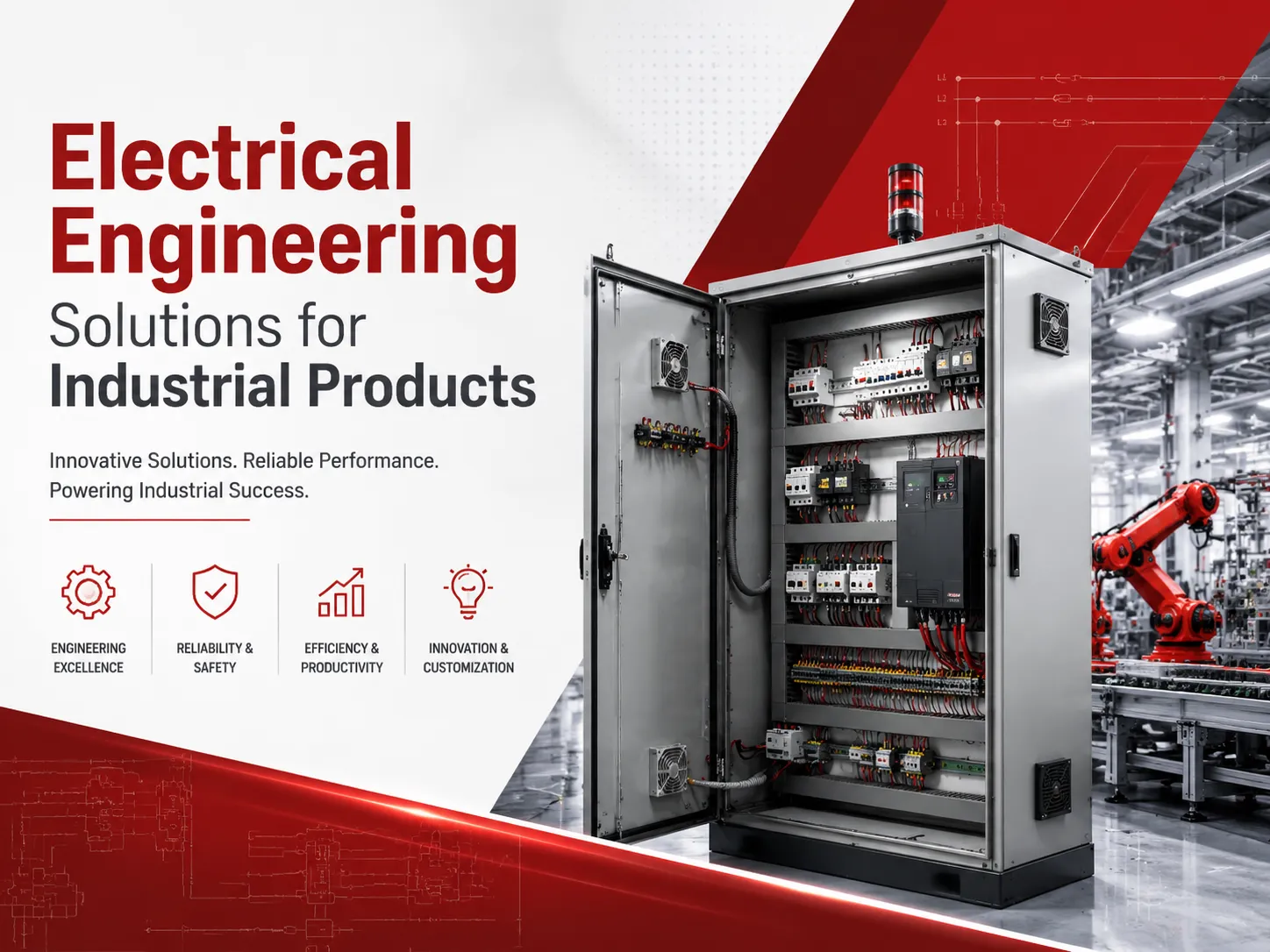

โดยทั่วไป ผู้จัดการสถานที่ไม่เลือกผู้รับเหมาไฟฟ้าของตนโดยอิงจากแคมเปญการตลาดใด ๆ พวกเขามีแรงจูงใจที่แตกต่างกันในการตัดสินใจเลือก – ตัวอย่างเช่น อาจมีผู้เช่าที่ต้องการปรับปรุงสถานที่อย่างเร่งด่วนและรู้สึกจำเป็นต้องเลือกผู้รับเหมาไฟฟ้าหรือจำเป็นต้องทำเช่นนั้นเนื่องจากปัญหาอื่น เช่น การตรวจสอบไม่ผ่านหรือแผงจ่ายไฟเต็ม เมื่อมองหาผู้รับเหมาไฟฟ้าสำหรับโครงการของตน ผู้จัดการสถานที่จะมีแหล่งข้อมูลสำหรับรายชื่อสั้นเพียงสามแหล่งเท่านั้น อาจเป็นคำแนะนำจากผู้รับเหมาทั่วไป คำแนะนำจากผู้จัดจำหน่าย หรือบุคคลที่โทรเข้ามาในช่วงเช้าตรู่.
สิ่งที่บริษัทเสนอ บริษัทใดให้บริการในระดับใด บริการเหล่านั้นจะมีค่าใช้จ่ายเท่าใดในปี 2026 ผู้เสนอราคาที่มีคุณสมบัติต่างจากผู้เสนอราคาถูกอย่างไร เหตุใดคำตอบจึงอาจเปลี่ยนแปลงขึ้นอยู่กับว่าโครงการดำเนินการในยุโรปหรือตลาดอเมริกาเหนือ.
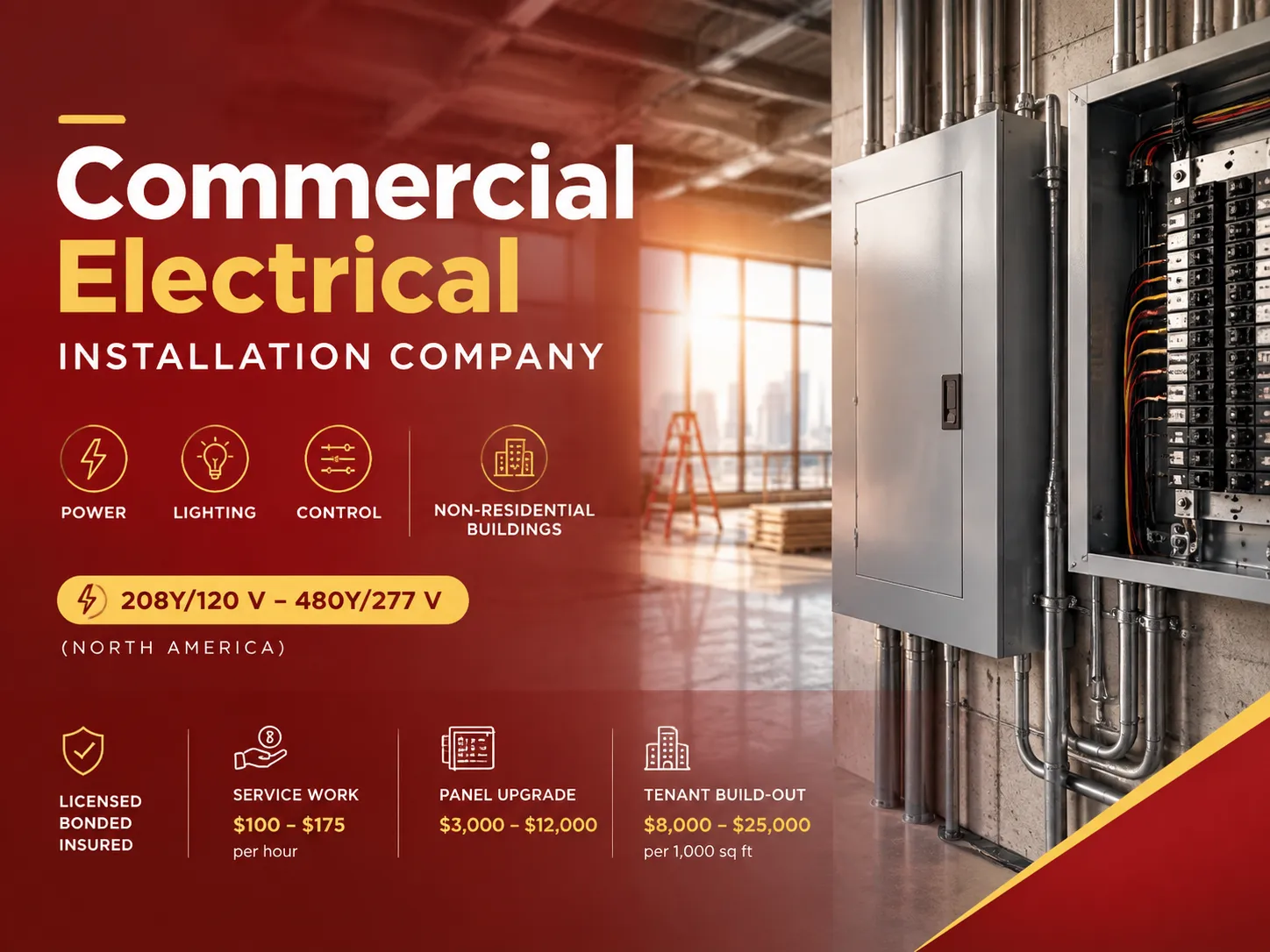
คำตอบสั้น: ผู้รับเหมาไฟฟ้าเป็นธุรกิจที่ดำเนินการออกแบบ การติดตั้งอุปกรณ์ การทดสอบ และการว่าจ้างระบบไฟฟ้าในทรัพย์สินทางธุรกิจ ในอเมริกาเหนือ ระบบแรงดันต่ำทำงานในช่วงแรงดันไฟฟ้าปกติ 208Y/120 V ถึง 480Y/277 V ซึ่งหมายความว่าบริษัทต้องได้รับใบอนุญาต พันธบัตรประกันภัย และความคุ้มครองประกันภัยที่เหมาะสมตามข้อกำหนดของรัฐ บริการที่ให้สามารถมีค่าใช้จ่ายตั้งแต่ 100-175 ดอลลาร์ต่อชั่วโมง โดยการอัปเกรดแผงบริการเชิงพาณิชย์อาจมีค่าใช้จ่ายตั้งแต่ 3,000 ถึง 12,000 ดอลลาร์ ขณะที่การปรับปรุงพื้นที่ผู้เช่าสามารถมีค่าใช้จ่ายตั้งแต่ 8,000 ถึง 25,000 ดอลลาร์ ต่อพื้นที่ 1,000 ตารางฟุต อย่างไรก็ตาม ในบางกรณี บริษัทระดับชาติอาจมีราคาสูงเกินไป เนื่องจากผู้ได้รับใบอนุญาตที่น่าเชื่อถือในระดับท้องถิ่นอาจรวดเร็วและถูกกว่าบริษัทใหญ่ ในบริบทนี้ HUYU ทำงานร่วมกับการประกอบระบบแรงดันต่ำ เช่น ระบบการกระจายไฟ ผู้รับเหมา และเบรกเกอร์.
สิ่งที่บริษัทติดตั้งไฟฟ้าเชิงพาณิชย์ทำจริง ๆ
การครอบครองสถานที่เป็นตัวกำหนดขอบเขตงาน ไม่ใช่ขนาดพื้นที่ ตัวอย่างเช่น สำนักงานแพทย์ที่มีพื้นที่ 40,000 ตารางฟุต และคลังสินค้ากระจายสินค้าที่มีพื้นที่ 40,000 ตารางฟุตเท่ากัน แต่มีความต้องการแตกต่างกันอย่างมาก สำนักงานแพทย์จะต้องใช้เต้ารับกราวด์แยก อุปกรณ์เกรดโรงพยาบาล วงจรสำหรับทางออกฉุกเฉิน และวิธีการถ่ายโอนเครื่องกำเนิดไฟฟ้า ในขณะที่คลังสินค้าจะต้องใช้ไฟส่องสว่างสูง วงจรระดับท่าเรือ และโหลดมอเตอร์ขนาดใหญ่.
ผู้รับเหมามีหน้าที่รับผิดชอบเสมอในส่วนทางเข้าบริการและการกระจายหลัก สายป้อนและวงจรสาขา ระบบไฟฟ้าและแสงสว่าง ระบบทำความร้อนและความเย็น การกราวด์และการเชื่อมต่อ และการป้องกันแรงดันเกิน โดยใช้โมเดลออกแบบและก่อสร้าง ผู้รับเหมารายเดียวกันยังดำเนินการคำนวณโหลด สร้างแผนภาพเส้นเดียว และพัฒนาการศึกษาวงจรลัดและการประสานงานที่จำเป็นสำหรับการปฏิบัติตามข้อกำหนดการออกแบบ อย่างไรก็ตาม ในกรณีของโมเดลออกแบบ-ประมูล-ก่อสร้าง งานนี้จะทำโดยวิศวกร โดยผู้รับเหมาเหลือเพียงกระบวนการก่อสร้างเท่านั้น.
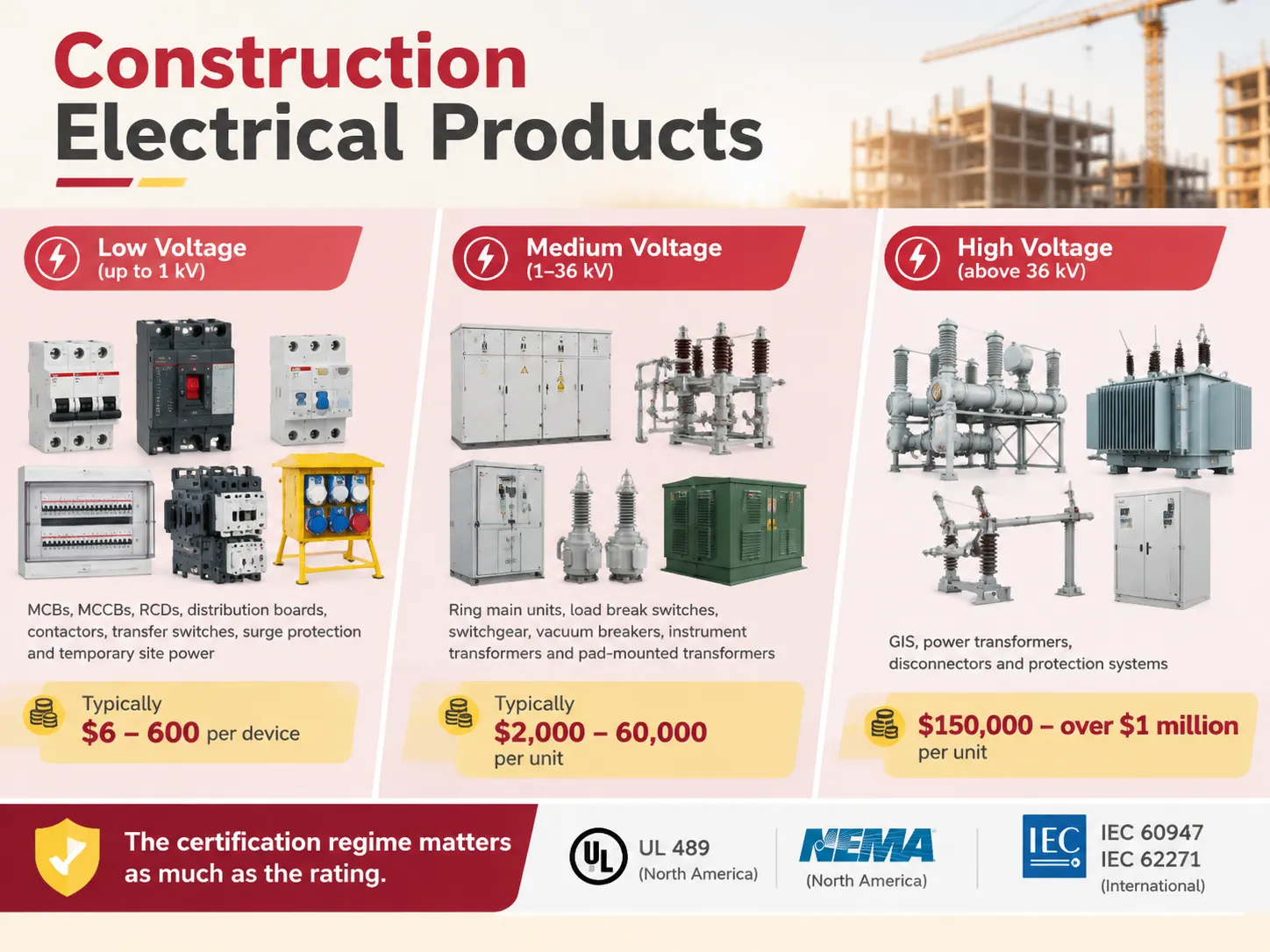
ความแตกต่างระหว่างอาคารพาณิชย์และอาคารที่อยู่อาศัยอยู่ที่ประเภทของระบบที่ใช้ ไม่ใช่ที่คุณภาพของงานฝีมือ อาคารพาณิชย์ใช้ไฟฟ้า 3 เฟส: 208Y/120 V ในอาคารพาณิชย์และ 480Y/277 V ในอาคารที่ทันสมัยมากขึ้น นอกจากนี้ วิธีการเดินสายไฟยังใช้ท่อร้อยสายและตัวนำแยกต่างหากแทนสายเคเบิล สุดท้าย ระบบถูกออกแบบและกำหนดขนาดตามการคำนวณความต้องการตาม NEC บทความ 220 อุปกรณ์และชุดประกอบภายในสายการแจกจ่ายนั้นมีมาตรฐานของตนเอง — UL 489 สำหรับเบรกเกอร์แบบเคสขึ้นรูป, UL 1066 สำหรับเบรกเกอร์วงจรไฟฟ้าแรงต่ำ, UL 891 สำหรับสวิตช์บอร์ด, UL 1558 สำหรับสวิตช์เกียร์ — และชุดเต็มถูกครอบคลุมใน คู่มือบริการไฟฟ้าเชิงพาณิชย์.
บริษัทติดตั้งไฟฟ้าเชิงพาณิชย์ที่ใหญ่ที่สุด
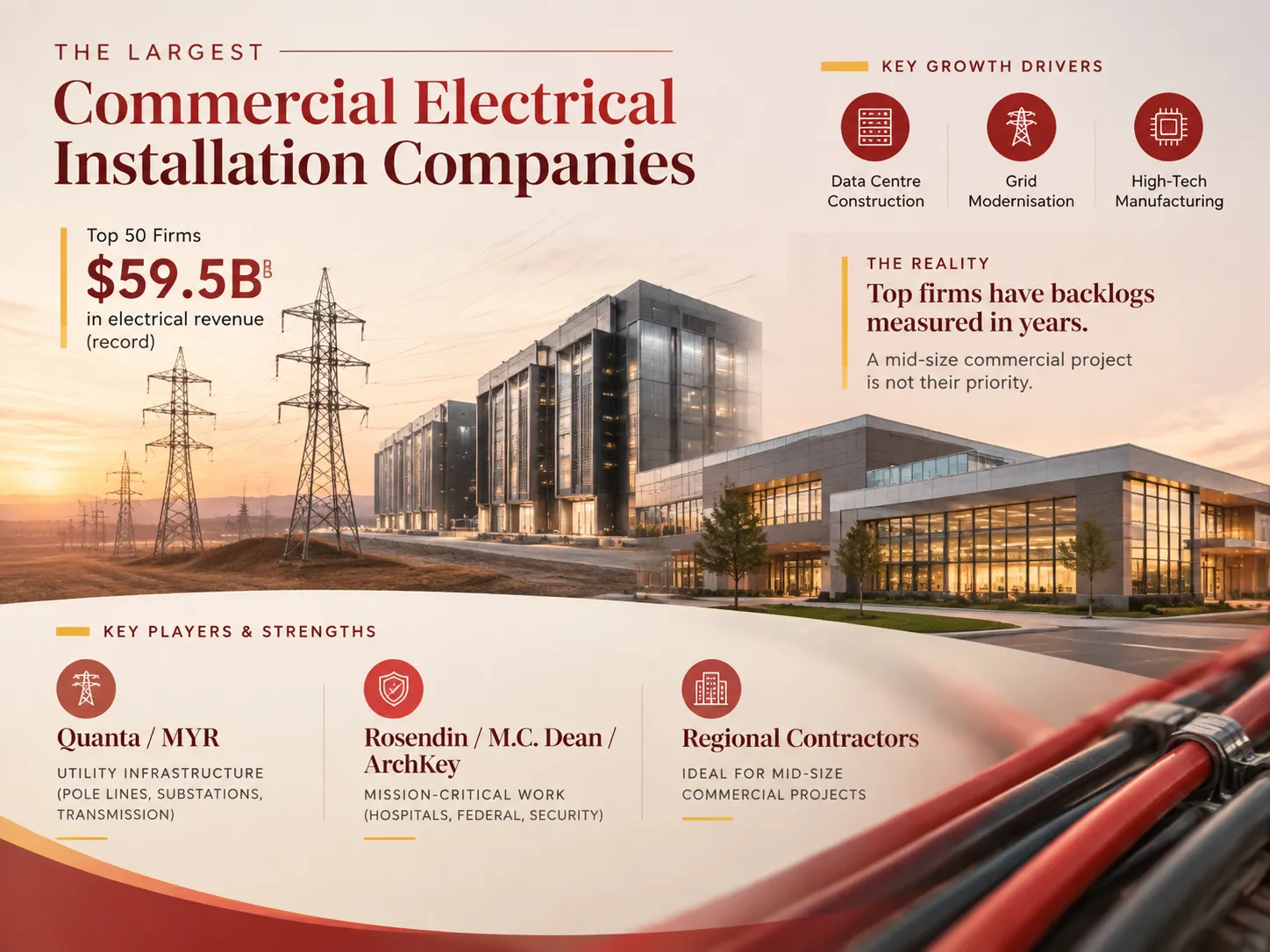
ตัวเลขขนาดที่แสดงมาจากรายชื่อผู้รับเหมาไฟฟ้า 50 อันดับแรกของ EC&M และรายชื่อผู้รับเหมาพิเศษ 600 อันดับแรกของ ENR โดยอิงจากรายได้ประจำปีจริง จำนวนรายได้รวมที่ผู้รับเหมา 50 อันดับแรกได้รับในรอบล่าสุดสูงเป็นประวัติการณ์ที่ $59.5 พันล้าน ซึ่งส่วนใหญ่ขับเคลื่อนโดยโครงการที่เกี่ยวข้องกับศูนย์ข้อมูล, การปรับปรุงโครงข่าย และการผลิตเทคโนโลยีขั้นสูง การรวมตัวนี้มีความสำคัญอย่างยิ่งสำหรับลูกค้า: ผู้รับเหมาชั้นนำมีงานค้างยาวนาน หมายความว่าพวกเขาไม่ให้ความสำคัญกับโครงการพาณิชย์ขนาดกลางเลย.
| บริษัท | สำนักงานใหญ่ | รายได้ไฟฟ้าปี 2025 | จุดแข็งของพวกเขา |
|---|---|---|---|
| Quanta Services | ฮูสตัน, เท็กซัส | $13.5 พันล้าน | การส่งจ่าย, การแจกจ่าย, พลังงานหมุนเวียนขนาดใหญ่ |
| Rosendin Electric | ซานโฮเซ, แคลิฟอร์เนีย | $3.7 พันล้าน | ศูนย์ข้อมูล, เซมิคอนดักเตอร์, ออกแบบ-สร้าง |
| กลุ่ม EMCOR | นอร์วอล์ค, คอนเนตทิคัต | $3.6 พันล้าน | สถาบัน, การดูแลสุขภาพ, เครือข่ายและการสื่อสาร |
| MYR Group | ธอร์นตัน, โคโลราโด | $3.4 พันล้าน | สายส่งและแจกจ่าย รวมถึงพาณิชย์และอุตสาหกรรม |
| Everus Construction Group | บิสมาร์ค, นอร์ทดาโคตา | $2.8 พันล้าน | ไฟฟ้าสาธารณะและอุตสาหกรรม |
| IES Holdings | ฮูสตัน, เท็กซัส | $2.5 พันล้าน | บริการอุตสาหกรรม, โครงสร้างพื้นฐาน |
| MMR Group | บาตันรูช, หลุยเซียนา | $2.3 พันล้าน | เครื่องมือวัดและควบคุม, อุตสาหกรรมหนัก |
| M.C. Dean | ไทสันส์, เวอร์จิเนีย | $1.9 พันล้าน | ระบบสำคัญ, รัฐบาลกลาง, ระบบรักษาความปลอดภัย |
| ArchKey Solutions | เซนต์หลุยส์, มิสซูรี | $1.7 พันล้าน | เทคโนโลยี, การดูแลสุขภาพ, การศึกษา |
| Faith Technologies (FTI) | เมนาเช, วิสคอนซิน | $1.4 พันล้าน | การผลิตล่วงหน้า, การควบคุมอุตสาหกรรม |
| E-J การติดตั้งไฟฟ้า | ลองไอส์แลนด์ซิตี้, นิวยอร์ก | $1.36 พันล้าน | สถาบันและระบบขนส่งในเขตมหานครนิวยอร์ก |
| Helix Electric | ซานดิเอโก, แคลิฟอร์เนีย | $957 ม | อาคารพักอาศัยหลายครอบครัว, การบริการ, พลังงานแสงอาทิตย์ |
การเข้าใจวิธีการอ่านตารางสำคัญกว่าการจดจำมันทั้งหมด Quanta และ MYR ส่วนใหญ่ให้บริการสาธารณูปโภค – สายเสา, สถานีย่อย, และการส่งไฟฟ้า – ซึ่งเป็นงานที่แตกต่างจากการเดินสายไฟในโรงพยาบาล Rosendin, M.C. Dean, และ ArchKey ดำเนินงานในสภาพแวดล้อมที่มีความสำคัญต่อภารกิจซึ่งต้นทุนการหยุดทำงานของลูกค้ามากกว่าต้นทุนการก่อสร้าง หากโครงการเกี่ยวข้องกับการปรับปรุงสำนักงานขนาด 60,000 ตารางฟุต รวมถึงการอัปเกรดแผงไฟฟ้า ทั้งสามรายนี้จะไม่สามารถแข่งขันได้ และผู้รับเหมาที่จะสามารถแข่งขันได้คือผู้รับเหมาท้องถิ่นที่คุณอาจไม่เคยได้ยินชื่อ การจัดอันดับที่เทียบเคียงกันของผู้เล่นรายใหญ่ตามจำนวนแรงงานแทนรายได้อยู่ใน การวิเคราะห์ผู้รับเหมาไฟฟ้าที่ใหญ่ที่สุดในสหรัฐอเมริกา.
ประเภทของบริษัทที่โครงการของคุณต้องการจริงๆ
ธุรกิจนี้มีห้ารูปแบบธุรกิจที่เป็นที่รู้จักกันดีซึ่งแต่ละแบบมีวิธีการประมูลที่แตกต่างกัน ความผิดพลาดที่พบบ่อยและมีค่าใช้จ่ายสูงที่สุดในการเลือกนี้คือการเลือกประเภทที่ผิด บริษัทที่เชี่ยวชาญในประเภทหนึ่งอาจไม่สามารถดำเนินงานในประเภทอื่นได้.
| ประเภทบริษัท | สัญญาทั่วไป | จุดแข็ง | จุดอ่อน |
|---|---|---|---|
| ผู้รับเหมา EPC / สาธารณูปโภคระดับชาติ | สถานีย่อย, การส่งไฟฟ้า, พลังงานแสงอาทิตย์ขนาดใหญ่ | ความสามารถในการค้ำประกัน, ความลึกด้านวิศวกรรม, ทีมงานหลายรัฐ | งานก่อสร้างอาคารขนาดเล็ก; ขนาดโครงการขั้นต่ำไม่รวม |
| ผู้รับเหมาเชิงพาณิชย์ระดับภูมิภาค | สำนักงาน, โรงเรียน, ร้านค้า, การดูแลสุขภาพ, งานปรับปรุง | ความรู้รหัสท้องถิ่น, ความสัมพันธ์กับผู้ตรวจสอบ, ราคาที่แข่งขันได้ | วิศวกรรมภายในจำกัด; อาจต้องใช้วิศวกรภายนอก |
| ผู้เชี่ยวชาญด้านบริการและบำรุงรักษา | สัญญาแบบเวลางานและวัสดุ, ข้อตกลงบำรุงรักษา | เวลาตอบสนอง, สต็อกอะไหล่, งานตรวจสอบซ้ำ | งานประมูล; ทีมงานขนาดเล็ก, ไม่มีการค้ำประกันโครงการขนาดใหญ่ |
| ผู้รวมระบบอุตสาหกรรมและควบคุม | การควบคุมมอเตอร์, PLC, VFD, พลังงานกระบวนการ | การว่าจ้าง, การแก้ไขปัญหา, การทำงานต่อเนื่องของการผลิต | งานสถาปัตยกรรมและงานที่ละเอียดอ่อนด้านการตกแต่ง |
| การออกแบบ-ก่อสร้างแบบแหล่งเดียว | ขอบเขตเต็มรูปแบบตั้งแต่แนวคิดจนถึงการว่าจ้าง | จุดรับผิดชอบเดียว, การบีบอัดตารางเวลา | ความโปร่งใสน้อยลงในราคา; การเปลี่ยนแปลงการออกแบบมีค่าใช้จ่าย |
ในกรณีของสถานที่ที่ดำเนินงานอย่างต่อเนื่อง เช่น โรงงาน, ห้องเซิร์ฟเวอร์, หรือศูนย์การแพทย์ หนึ่งในวิธีแก้ปัญหาที่ดีที่สุดคือการจ้างผู้รับเหมาสองราย หนึ่งสำหรับงานก่อสร้างและอีกหนึ่งสำหรับการจัดการอุปกรณ์ การว่าจ้างผู้ให้บริการทั้งสองให้กับบริษัทเดียวกันมักส่งผลให้ประสิทธิภาพในทั้งสองด้านต่ำ.

ใบรับรองที่มีความหมายจริง
กระบวนการขอใบอนุญาตดำเนินงานในฐานะผู้รับเหมาในอเมริกาเหนือดำเนินการโดยรัฐบาลระดับรัฐ, จังหวัด หรือท้องถิ่น แทนที่จะเป็นระดับชาติ ซึ่งหมายความว่าเพราะผู้รับเหมาไฟฟ้าได้รับใบอนุญาตให้ดำเนินงานในกิจกรรมเฉพาะในรัฐหรือจังหวัดหนึ่ง ไม่ได้หมายความว่าสามารถดำเนินงานในเขตอำนาจใกล้เคียงโดยอัตโนมัติโดยไม่ต้องมีใบอนุญาต นอกจากใบอนุญาตแล้ว ยังสำคัญที่จะต้องตรวจสอบข้อมูลดังต่อไปนี้:
- ใบอนุญาตผู้รับเหมาไฟฟ้าในเขตอำนาจที่เกี่ยวข้อง — เช่น ใบอนุญาต C-10 ในแคลิฟอร์เนีย หรือใบอนุญาตช่างไฟฟ้าหลักในเขตอำนาจที่ออกใบอนุญาตให้กับบุคคลแทนบริษัท โปรดทราบว่าใบอนุญาตดังกล่าวควรตรวจสอบบนเว็บไซต์ของคณะกรรมการออกใบอนุญาตที่เกี่ยวข้องแทนที่จะดูจากหัวจดหมายของผู้รับเหมา.
- สมาชิก NECA — สมาคมผู้รับเหมาไฟฟ้าแห่งชาติ องค์กรนี้เป็นตัวบ่งชี้การเป็นสมาชิกในองค์กรแรงงานและมาตรฐานที่เกี่ยวข้อง แต่ไม่ได้หมายความว่าผู้รับเหมาดังกล่าวได้รับการรับรองด้านความปลอดภัย.
- การเป็นสมาชิกโปรแกรมฝึกงาน JATC — คณะกรรมการฝึกงานและการฝึกอบรมร่วมรับผิดชอบในการฝึกอบรมช่างไฟฟ้าที่เกี่ยวข้องและรวบรวมชั่วโมงการทำงานของพวกเขาในภาคส่วน โปรดทราบว่าผู้รับเหมาไฟฟ้าอิสระอาจมีโปรแกรมฝึกงานที่แตกต่างกันซึ่งอาจมีความน่าเชื่อถือเท่าเทียมกัน.
- รายการ UL 508A — ผู้รับเหมาควรมีรายการนี้หากบริษัทผลิตแผงควบคุมเอง มิฉะนั้นแผงควบคุมจะไม่สามารถขายได้โดยไม่มีรายการนี้.
- การรับรองจาก NABCEP — ใช้ได้เฉพาะเมื่อบุคคลที่เกี่ยวข้องทำงานกับระบบพลังงานแสงอาทิตย์และระบบจัดเก็บพลังงานเท่านั้น.
- บันทึกการผ่านหลักสูตรฝึกอบรม NFPA 70E โดยบุคลากรของผู้รับเหมาที่จะทำงานกับการติดตั้งไฟฟ้า โปรดตรวจสอบให้แน่ใจว่าคุณได้รับบันทึกการฝึกอบรมที่เป็นปัจจุบัน.
- การรับรอง ISO 9001, 14001 และ 45001 — เกี่ยวข้องกับระบบคุณภาพ สิ่งแวดล้อม และสุขภาพและความปลอดภัยในการทำงานที่ผู้รับเหมาใช้.
- ใบรับรองประกันภัยและความรับผิด — หมายถึงประกันความรับผิดทั่วไปและความคุ้มครองค่าชดเชยแรงงานที่ผู้รับเหมาไฟฟ้ามีเกี่ยวกับราคางาน.
คุณสมบัติอีกประการหนึ่งที่ไม่เกี่ยวข้องกับความปลอดภัยคือการควบคุมต้นทุน: นี่คือเอกสารของรอบโค้ดที่เขตอำนาจของคุณบังคับใช้ สำหรับบริษัทที่มีประสบการณ์ปัจจุบันจนถึงสองฉบับล่าสุดของโค้ด พวกเขาจะต้องเรียนรู้ใหม่ว่าจะทำอย่างไรและทำอย่างไร ซึ่งจะมีค่าใช้จ่ายสูงขึ้นสำหรับงบประมาณของคุณ หมายเหตุของเราที่ ขีดจำกัดความต้านทานสำหรับการติดตั้งไฟฟ้าในอาคารพาณิชย์ แสดงให้เห็นว่าข้อกำหนดเหล่านั้นเปลี่ยนแปลงอย่างรวดเร็วเพียงใด.
ค่าใช้จ่ายการติดตั้งไฟฟ้าเชิงพาณิชย์ในปี 2026
ในการสำรวจราคาที่รายงานในปี 2026 ช่างฝึกงานคิดค่าบริการระหว่าง $45 ถึง $85, ช่างเดินทางคิดค่าบริการระหว่าง $75 ถึง $165, และช่างหลักหรือผู้เชี่ยวชาญอุตสาหกรรมคิดค่าบริการระหว่าง $100 ถึง $225 ตามแนวโน้มตลาด จำนวนเงินรวมที่ลูกค้าจ่ายให้กับผู้รับเหมาจะประกอบด้วยค่าแรง สวัสดิการพนักงาน ประกันภัย และค่าใช้จ่ายอื่น ๆ ในโครงการเชิงพาณิชย์ การเรียกเก็บเงินอาจสูงกว่างานที่อยู่อาศัยในสถานที่เดียวกันถึง 20% เนื่องจากมีประกันภัยมากขึ้น ความพยายามในการจัดทำเอกสาร และระยะเวลาการชำระเงิน บริษัทที่มีแรงงานสหภาพในรัฐมิดเวสเทิร์นและนอร์ทอีสเทิร์นมักจะเรียกเก็บเงินสูงกว่าคู่แข่งประมาณ 20% ถึง 40%.
| รายการงาน | ช่วงปกติในปี 2026 | หมายเหตุ |
|---|---|---|
| ชั่วโมงการทำงานของช่างที่เรียกเก็บเงิน | $100–$175 | Most contractors bill at firm rate, not individual wage |
| Minimum service call | 2–4 hours billed | Often plus a $75–$195 dispatch fee |
| After-hours or weekend emergency | 1.5–2.0× rate | Storm and restoration work quoted on site |
| Commercial service panel upgrade, 200–400 A | $3,000–$12,000 | Rises to $12,000–$28,000 at 600–800 A |
| Three-phase power installation | $5,000–$20,000+ | Utility coordination time is a variable cost |
| New circuit installation | $300–$1,200 per circuit | Conduit and ceiling access drive the spread |
| LED lighting retrofit, per 1,000 sq ft | $1,500–$6,000 | Per-fixture: $85–$285 installed |
| Tenant electrical build-out, per 1,000 sq ft | $8,000–$25,000 | Includes materials, labour, permits, inspection |
| Commercial EV charger, Level 2 | $2,500–$7,500 per port | DC fast charging: $45,000–$120,000 |
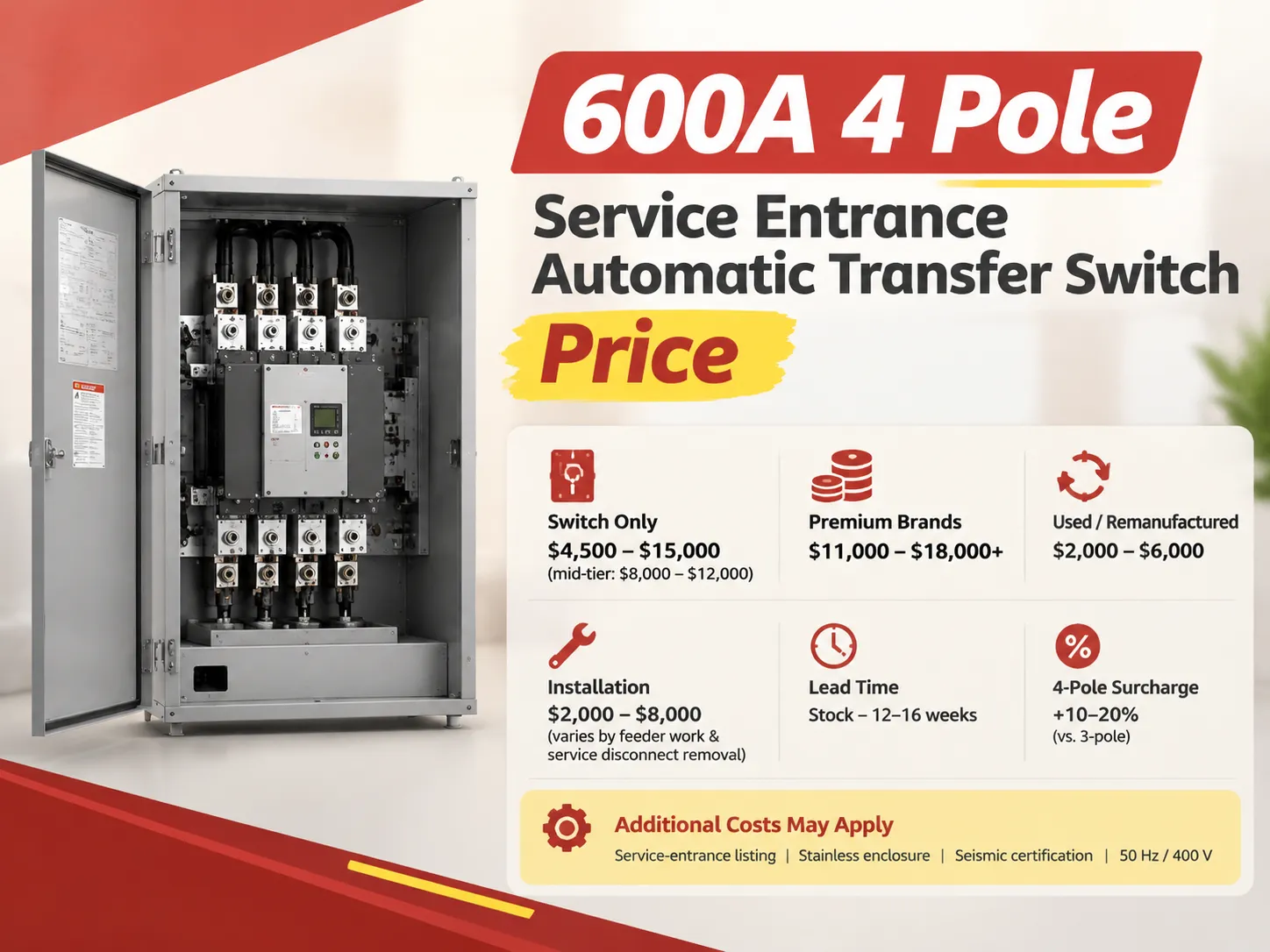
| Standby generator, 100–500 kW installed | $55,000–$180,000 | Transfer switch and fuel storage additional |
| Permits and inspection fees | $300–$2,000 | Multi-point inspections add rounds |
| Load study and panel inspection | $500–$1,500 | Cheapest line on the list; most often skipped |
There are three factors accounting for differences between two quotations for a project of the same nature. First is the age of the building and status of the wiring: obsolete feeder sizes, aluminium branch circuits and hidden junction boxes all relate to labour costs. The second is whether the work can be done live or requires a shutdown: a shutdown is a cost for the client as much as for the contractor. The third factor is access: the height of the ceiling, whether it is finished or whether any lift required will be of greater significance than the equipment.Panel and service pricing specifically is detailed in our cost breakdown for electrical panel replacement.
How to Vet a Bidder Before the Contract Is Signed
The sequence to verify that minimizes the number of financial transactions.
- Check the license number with the issuing authority by looking it up on its official records. Compare the license number of the company, its type, and expiration date with those on the license certificate. A valid license that does not have the necessary coverage is worse than not having a license at all, as it will be discovered during the inspection.
- Get a copy of the insurance policy directly from the insurers. The certificates must state the name of the contractor as the recipient. Ask explicitly if the workers’ compensation insures everyone who will spend time on the job, including subcontractors.
- Figure out who is supposed to run the project. The “face” in the sales meeting will not be the one who is in charge. So ask them for the foreman’s name and license class, and how many projects the foreman is currently managing.
- Ask for a detailed breakdown; not just a total sum. The quote must contain all the items such as raw materials, labors, permits, temporary power, etc. For instance, you will get nothing from a quote like “15000 for electric works.”
- Ask for written exclusions. The exclusions usually include drywall repair after wiring completion, painting, coordination work with the utility company, building permits, and the temporary power cost during the construction. Each one of those is going to appear in the change orders later.
- Get at least three quotes and compare them. You will usually find that quotes may vary significantly – on an average they may differ by 30-50%. A quote on the low end of the scale deserves explanation rather than being taken for granted.
- Require necessary test results as a deliverable. Accepting the final outcome without getting results of insulation resistance, earth continuity, polarity, and loop impedance tests creates problems with the installation.
- Check the progress of two reference projects of the same size. Ask the last client two questions: was the final invoice within the 10% of the total sum; and were the inspections passed?
Choosing by Region: United States, United Kingdom and the EU
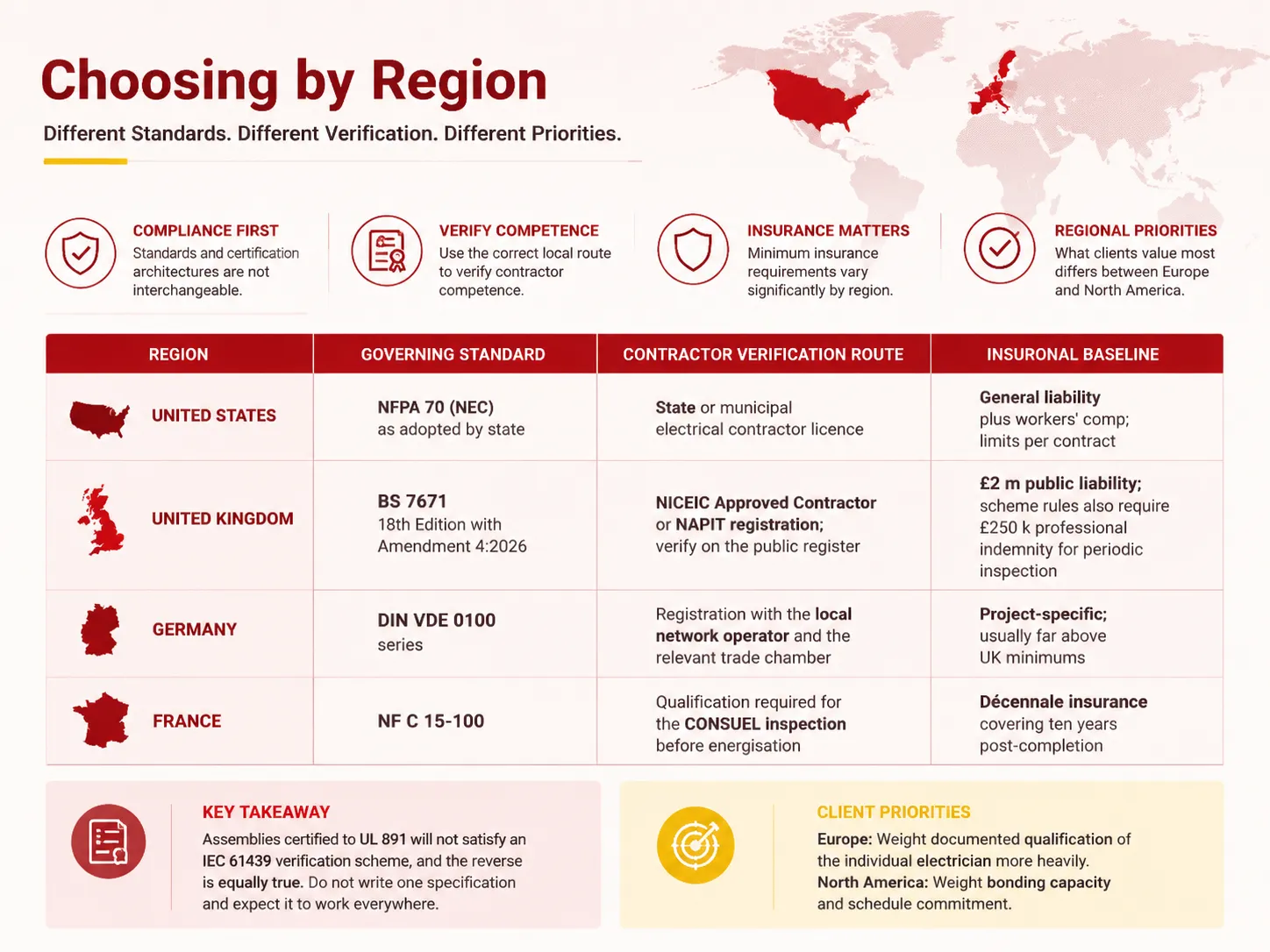
The differences in selection criteria are greater than most consumers believe since the compliance structure is not the same. North America follows the National Electrical Code (NFPA 70), which is adopted state by state with local amendments, and is certified to UL standards, while Europe follows IEC 60364 via its national wiring regulations and certifies equipment using IEC 61439 series which is different than UL 891 and UL 1558 in construction principles.
| ภูมิภาค | มาตรฐานที่ใช้บังคับ | Contractor verification route | Insurance baseline |
|---|---|---|---|
| สหรัฐอเมริกา | NFPA 70 (NEC) as adopted by state | State or municipal electrical contractor licence | General liability plus workers’ comp; limits per contract |
| สหราชอาณาจักร | BS 7671, 18th Edition with Amendment 4:2026 | NICEIC Approved Contractor or NAPIT registration; verify on the public register | £2 m public liability; scheme rules also require £250 k professional indemnity for periodic inspection |
| เยอรมนี | DIN VDE 0100 series | Registration with the local network operator and the relevant trade chamber | Project-specific; usually far above UK minimums |
| ฝรั่งเศส | NF C 15-100 | Qualification required for the CONSUEL inspection before energisation | Décennale insurance covering ten years post-completion |
Two important outcomes can be noted. Firstly, in the UK the most important filter that leads to registration is the registered competent-person scheme: the NICEIC registers and certifies nearly 33,000 businesses, conducts audits of some works by each company on an annual basis and obliges them to have the most recent version of the wiring regulations in possession. Consequently, public sector clients insist on the fact that only competent-person scheme registered firms can appear on tender lists. Secondly, in France it is impossible to energize any installation until it is inspected by CONSUEL, meaning that the contractor is certified by a third party before the client receives the service, which control does not exist in most regions of the USA.
When purchasing something that might be subjected to various national regulations, take care not to write one common specification. In the USA assemblies which were verified in accordance with UL 891 certification can be considered compliant with IEC 61439 regulations, and vice versa.
Red Flags and Contract Terms Worth Pushing Back On
Very low bids, those that appear more than 30% below the second lowest bid, are a clearly sign of a problem and invariably indicate one of four issues: use of unlicensed contractors, a lapse in the insurance certificate, the fact that permit fees were not included in the estimate, or avoidance of issues to come later due to incorrect substitution of materials after contract award. All four issues impact the owner eventually, with issues related to the latter usually occurring during failure investigation.
In addition to what has been mentioned above, we should also pay attention to contracting firms that would either not do the permitting under their name, answer scope questions without documents but verbally, or require a deposit of sums that are more than the cost of materials ordered. From a purely contractual standpoint, three items deserve scrutiny in the contract. The retainage clause states that part of the payment is held until the project is in compliance with the standards; the change-order clauses determine the payments in advance of the actual work; the completion and testing clause specifies the documents submitted by the contractor as proof of compliance so that the owner can get these documents in the end.
คำถามที่พบบ่อย
How much does an electrician charge for commercial work?
In 2026, it is expected that commercial work in the U.S. cost around $100–$175 an hour for a licensed journeyman, while master electricians and industrial specialists charge $145–225 in areas with high costs. The majority of commercial contractors charge at a fixed rate which covers all the overhead and costs of insurance rather than simply billing for the person’s pay. Normally there will be a minimum charge of 2–4 hours for a service call and an application of 1.5–2.0 multiplier with a trip charge in case of after-hours call the client receives. Pricing for the projects is considered separately where the service of 200–400 A increases the expenses from $3,000 to $12,000, and for a tenant build-out the prices vary between $8,000 and $25,000 for 1,000 square feet.
Why is Romex not allowed in commercial buildings?
Though non-metallic sheathed cable is not completely forbidden, the list of permitted uses is limited. NEC Article 334 describes the requirements for the use of non-metallic sheathed cable. It is outlined in Section 334.10 that it may be used in one- and two-family dwellings, in addition to other types of buildings of Type III, IV and V constructions — that means wood-framed buildings and heavy-timber buildings, but must be used behind some fire-resistant barrier or inside the areas that are unlikely to be damaged. Section 334.12 bans the use of the cable in Type I and Type II construction due to the fact that this included buildings are made of steel and concrete and includes commercial buildings, such as theatres, motion picture studios, garages and battery rooms, including the places that are located above dropped ceilings in non-residential buildings. Additionally, there may not be the possibility to use the non-metallic cable in constructed concrete or in wet locations. The protection is referred to as justification — a non-metallic coat neither provides mechanical protections nor has any fire protection features in comparison to MC cable or conduit. In most cases, when making the buildings of commercial purposes, this cable is neglected due to the type of construction of it.
Is there a difference between commercial and residential electricians?
Certainly, it is structural in nature rather than cosmetic. The work of the residential electricians is nearly all within the basic single-phase 120/240 V systems with the usage of sheath cables and the dimensions of circuits calculated from the standard dwelling load calculation. On the other hand, the commercial electricians operate with the three-phase systems such as 208Y/120 V and 480Y/277 V systems using conduit and individual conductors and determining their services based on the commercial demand. They should also have experience with motor operations, electric generators, transformer systems, etc. The industrial electricians represent the last specialization that is aimed at machines and conversion of electric energy into another type of work. Many middle-sized companies have all three kinds of work but it is worth being sure of the crew you get because the company might have license but the crew on the site might not have any necessary skills.
What are the three types of electrical installation?
These installations are divided into residential, commercial and industrial categories, and they vary in terms of voltage category, type of wiring and type of potential risks. Residential installations include homes and other dwellings such as homes using low-voltage single-phase AC systems with voltages of 120 or 240-volt, armoured cables, distribution boards and systems to charge electric cars. Commercial installations cover operating buildings from offices to hotels, hospitals and schools with three-phase voltage range from 208 volts to 480 volts, trunks for wiring and systems supplying electric energy for CCTV, ventilation and air conditioning. Industrial installations include plants and other heavy industry sites where large amount electrical power used for running heavy machinery results in losses in a case of a power outage.
อ้างอิง
- NFPA — NFPA 70 National Electrical Code
- NFPA — 70E Standard for Electrical Safety in the Workplace
- UL Solutions — Product safety standards and listings
- สมาคมผู้รับเหมาไฟฟ้าแห่งชาติ (NECA)
- EC&M Magazine — Top 50 Electrical Contractors ranking
- ENR — Top 600 Specialty Contractors
- สำนักงานสถิติแรงงานสหรัฐฯ — แนวโน้มอาชีพช่างไฟฟ้า
- NICEIC — Approved Contractor scheme requirements
- IET — BS 7671 Requirements for Electrical Installations
- UK Health and Safety Executive — Electrical safety guidance
สรุป
The ideal commercial electrical installation contractor is one with the proper license for the task, equipped with a competent team trained in the technology used in the facility, and ready to provide the documents necessary to confirm their credentials on the register, not just in a brochure. Size makes a poor indicator of suitability; the top revenue companies are engaged in building transmission lines and data centers, not performing your service upgrade.
Three things must be followed in any project. First, check credentials with the proper authorities before making the first payment rather than after. Second, demand that you receive all “as built” documentation, designs of the panels, and testing results before transferring last payment rather than as an afterthought. Finally, make sure three bidders provide you with the detailed scope of work since differences between the bids reveal the risk associated with a project better than any single price does. If you follow all the above, electrical work will become no more than what it is supposed to be in a project.