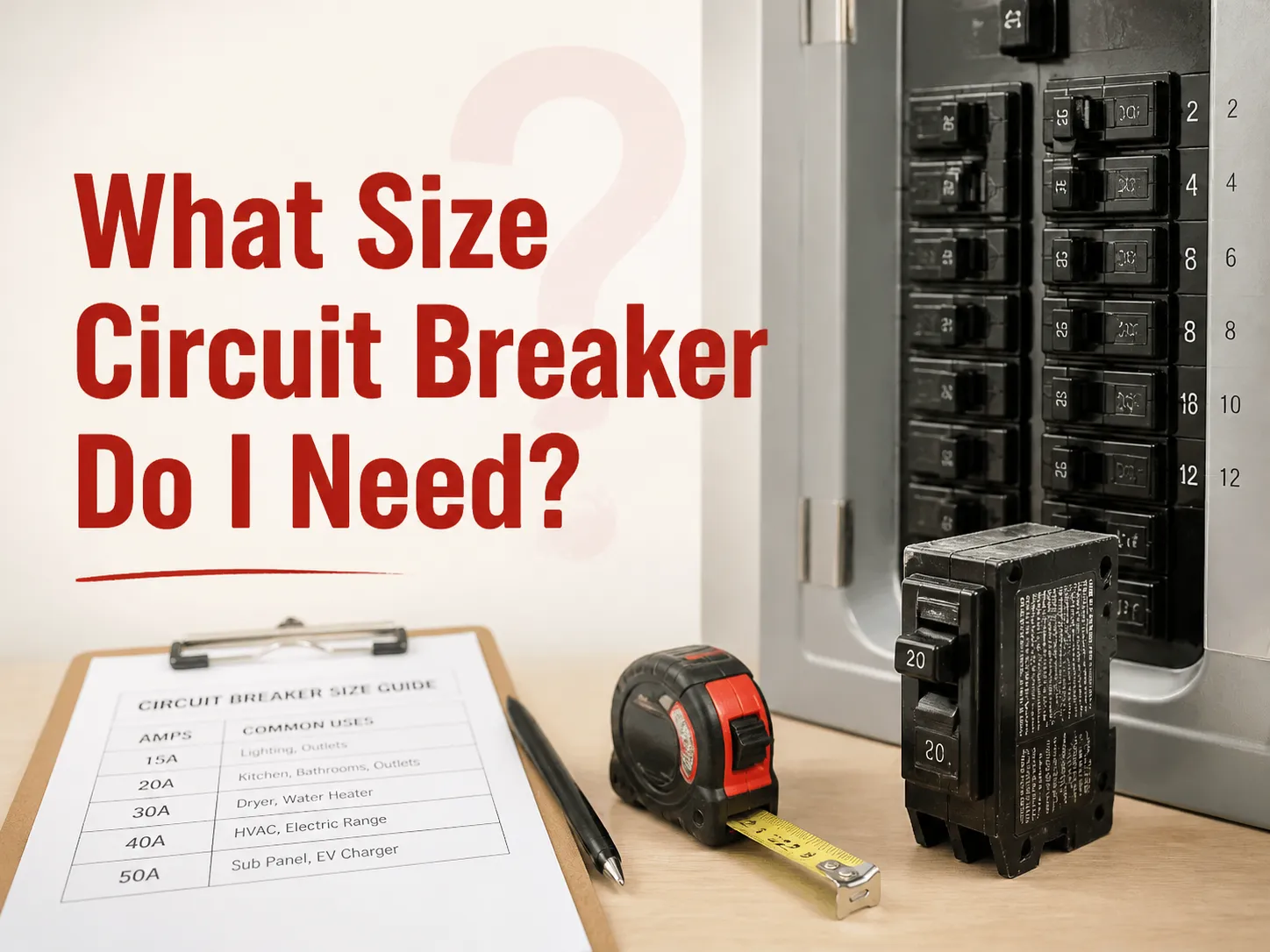


في كل منزل أو عمل أو مصنع تقريبًا يوجد عنصر حيوي للسلامة يغفل عنه معظم الناس؛ يحتوي اللوح الكهربائي على مشاعرنا (الجيدة والسيئة) بالإضافة إلى بعض المفاتيح التي ربما لم تُستخدم أبدًا حتى يحدث شيء مثل ارتفاع مفاجئ في التيار أو تعثر شخص ما بمكنسة كهربائية. هذا هو نفس الموقع الذي يحدث فيه تعطل جهاز كهربائي وينتج عنه فقدان الطاقة في الغرفة بأكملها بما في ذلك جميع الأجهزة الكهربائية — يُعرف هذا المفتاح باسم قواطع الدائرة. في الواقع، على الرغم من أنها قد لا تُستخدم كثيرًا يوميًا، إلا أن قواطع الدائرة هي أهم قطعة من المعدات في نظامك الكهربائي.
في الختام، تمنع قواطع الدائرة مرور كميات مفرطة من الكهرباء عن طريق قطع إمداد الطاقة الكهربائية إذا حدث تيار زائد بسبب حمل زائد أو إذا تسبب المستخدم في حالة عطل في الدائرة الكهربائية. تسمح الآليات المستخدمة في قواطع الدائرة للمستخدمين بفصل الطاقة الزائدة دون الحاجة إلى شراء فيوزات جديدة؛ ومع ذلك، بمجرد أن يتم فصل قاطع الدائرة يجب إعادة ضبطه قبل إعادة استخدامه. أنواع التصنيفات لقواطع الدائرة هي: كمية التيار التي يمكن للقاطع التعامل معها، تصنيفات الجهد، تصنيف القطع، عدد الأقطاب المصنفة في قاطع الدائرة وتصنيف خصائص الفصل.

ما هو قاطع الدائرة بالضبط؟
قاطع الدائرة هو مكون كهربائي يتصل بكل من نظام التوزيع الكهربائي (مصدر الطاقة) وكذلك توزيع الكهرباء عبر الأسلاك الكهربائية إلى الأجهزة الكهربائية في جميع أنحاء المبنى (الإضاءة، المنافذ). تشمل الوظائف الرئيسية لقاطع الدائرة مراقبة النظام الكهربائي وقطع إمداد الكهرباء إلى تلك الدائرة الكهربائية عند اكتشاف كمية غير آمنة من التيار. كما يوفر قاطع الدائرة حماية للأسلاك المحيطة من ارتفاع درجة الحرارة، ويحمي الأجهزة الكهربائية المتصلة بالدائرة من التلف، وأخيرًا يحمي الأفراد الذين قد يتلامسون مع الدائرة من التعرض للصعق أو الحروق.
إحدى الطرق لتصور قاطع الدائرة الكهربائية هي التفكير في كيفية عمل حارس أمن أمام ملهى ليلي.
خلال ليلة عادية، يسمح حارس الأمن للضيوف العاديين بالدخول دون أية مشاكل.
إذا، مع ذلك، حدث تدفق غير متوقع من الناس إلى المدخل (زيادة غير مرغوب فيها في التيار)، أو إذا حاول شخص ما اقتحام الملهى الليلي (في حالة حدوث قصر كهربائي)، يقوم حارس الأمن على الفور بإغلاق الباب.
يظل الحارس متاحًا لأداء وظيفته في حماية الضيوف من الأذى (وهو الغرض الكامل من استخدام قاطع الدائرة بدلاً من استخدام الفيوز).
بمجرد استقرار الوضع، يمكن لحارس الأمن السماح لضيف آخر بالدخول إلى النادي تمامًا كما يمكن إعادة تعيين قاطع الدائرة للسماح بتدفق التيار الكهربائي مرة أخرى.
| لقد كان قاطع الدائرة موجودًا منذ وقت طويل جدًا. | قام توماس إديسون بتسجيل براءة اختراع أول نظام قطع دائرة كهربائية أوتوماتيكي في عام 1879 لاستخدامه كجزء من أنظمة الإضاءة التي طورها. | بدأت أنواع الشفرة والخرطوشة بالظهور حوالي عام 1900. | وقت الاستجابة |
|---|---|---|---|
| في عام 1924، صمم هوجو ستوتز وبنى أول قاطع دائرة حراري-مغناطيسي مصغر حقيقي يجمع بين آليتي الفصل في جهاز صغير واحد. | لا يزال التصميم من عام 1924 مستخدمًا حتى اليوم، وقواطع الدائرة المصغرة المتاحة للشراء اليوم تستخدم نفس الوظيفتين تمامًا كما في قواطع الدائرة الأصلية. | كيف يعمل قاطع الدائرة؟ | يكتشف الحساسان التيار الزائد وظروف القصر الفوري على التوالي. |
| يكتشف الحساس الحراري التيار الزائد من خلال أجهزة حساسة للحرارة (ثيرميستور) تصبح غير صالحة للاستخدام عند تجاوزها لدرجة الحرارة المسموح بها. | ارتفاع التيار إلى مئات أو آلاف الأمبيرات تقريبًا على الفور | ملف كهرومغناطيسي يسحب المزلاج لفتحه | نصف دورة أو أقل (حوالي 8-16 مللي ثانية) |
التأخير في الخاصية الحرارية للقاطع هو ميزة مرغوبة، وليس عيبًا. عندما يبدأ المحرك، فإنه يسحب مؤقتًا تيارًا أكبر عدة مرات من التيار التشغيلي العادي؛ لذلك، يجب أن يكون الشريط ثنائي المعدن قد تعرض لفترات طويلة من الحرارة قبل أن ينفصل (يفتح جهات الاتصال) حتى لا يتسبب التيار المتصاعد عند بدء التشغيل في فصل القاطع بشكل غير مرغوب فيه. ومع ذلك، فإن القوة الكهرومغناطيسية الناتجة عن قصر الدائرة الكامل قوية جدًا بحيث ستتسبب في فصل القاطع خلال دورة تيار متردد واحدة قبل أن يسخن السلك أو يسبب حريقًا.
فتح جهات اتصال القاطع هو جزء واحد فقط من إيقاف تدفق التيار الثقيل. عندما يقاطع قاطع الدائرة تدفق التيار الثقيل، فإن عملية القوس الكهربائي تؤين الهواء بين جهات الاتصال أثناء فتحها وتخلق قوسًا كهربائيًا يستمر في التوصيل ما لم يتم قطعه. لهذا السبب تم تصميم القواطع مع تحكم في القوس بحيث يمكنها تمديد وتبريد وفصل الأقواس الكهربائية عن نقاط الانقطاع. يتم تصنيف قواطع الدائرة بمعدل انقطاع (يقاس بالكيلو أمبير) يساعد في تحديد أقصى تيار خطأ يمكن قطعه بأمان بواسطة القاطع. عادةً ما يكون لقاطع الدائرة السكني معدل انقطاع يتراوح بين 5-10 كيلو أمبير، في حين أن قاطع الدائرة الصناعي ذو العلبة المصبوبة سيكون له تصنيف من 25-100 كيلو أمبير. اختيار قاطع دائرة بمعدل انقطاع أقل من تيار الخطأ المتاح يعد انتهاكًا خطيرًا للسلامة ولن يقطع الأعطال، بل قد يؤدي إلى انفجار.

منحنيات الفصل: ماذا تعني الحروف B و C و D
تحتوي قواطع الدائرة المصغرة (MCBs) على حرف أمام تصنيف التيار (B16، B32، إلخ) للدلالة على منحنى الفصل. يحدد منحنى الفصل مقدار الحمل الزائد (الفصل الفوري) الذي سيتحمله الملف المغناطيسي (الفصل الفوري) قبل أن يفصل. استخدام منحنى الفصل الصحيح مهم عند اختيار قاطع الدائرة المصغر المناسب للحمل لأن:
| المنحنى | عتبة الفصل الفوري | الأحمال النموذجية | ملاحظات |
|---|---|---|---|
| النوع B | 3-5 × التيار المصنف | الأحمال المقاومة: الإضاءة، السخانات، المقابس في البيئات السكنية | الأكثر حساسية؛ غير مناسب للمحركات أو المحولات |
| النوع C | 5-10 × التيار المصنف | المحركات الصغيرة، محركات الفلورسنت و LED، الأحمال التجارية العامة | الخيار الأكثر شيوعًا للأغراض العامة |
| النوع D | 10-20 × التيار المصنف | المحولات، المحركات الكبيرة، معدات اللحام، الآلات ذات التيار العالي عند بدء التشغيل | يتحمل الارتفاعات الكبيرة عند بدء التشغيل دون فصل غير مرغوب فيه |
| النوع K / Z | متخصص | حماية أشباه الموصلات (Z)، حماية المحركات (K) | تطبيقات صناعية متخصصة |
استخدام منحنى الفصل الصحيح للحمل يمكن أن يكون العامل الحاسم في ما إذا كنت ستحصل على حماية قابلة للاستخدام عند استخدام قاطع دائرة صغير (MCB) أو ستشعر بالإحباط من عدد المرات التي يتم فيها إيقاف تشغيلك بواسطة قاطع دائرة صغير. إذا استخدم دائرة محرك كبير قاطع دائرة من النوع B، فقد ينقطع باستمرار إذا كنت بحاجة إلى تشغيل محركك الكبير؛ إذا استخدم دائرة إضاءة قاطع دائرة من النوع D، وحدث عطل، فقد يستغرق وقتًا طويلاً للفصل وحماية الأسلاك. كن حذرًا لضمان أن قاطع الدائرة هو منحنى الفصل المناسب للحمل الذي يحميه؛ إذا لم تكن متأكدًا، فمن الأفضل عادة استخدام منحنى الفصل الأعلى التالي بدلاً من استخدام تصنيف تيار أعلى على نفس منحنى الفصل.
الأنواع الرئيسية لقواطع الدائرة
يمكن تقسيم القواطع إلى فئات مختلفة بناءً على كيفية تصنيعها (نوع البناء)، الوظيفة (كيفية عملها)، تصنيف الجهد، وعدد الأقطاب. الأنواع التالية هي أنواع القواطع التي سترى استخدامها.
| النوع | الاسم الكامل | التصنيف النموذجي | أين تجده |
|---|---|---|---|
| قاطع الدائرة المصغر | قاطع دائرة صغير (Miniature Circuit Breaker) | 5-125 أمبير | وحدات المستهلك السكنية، لوحات التوزيع التجارية الصغيرة |
| قاطع الدائرة المتوسط | قاطع دائرة ذو غلاف مصبوب (Molded Case Circuit Breaker) | 16-1,600 أمبير | لوحات تجارية، مغذيات صناعية، أنظمة تكييف وتبريد كبيرة والآلات |
| قاطع الدائرة الهوائي | قاطع الدائرة الهوائي | 400-6,300 أمبير | مفاتيح صناعية، مولدات ومدخلات رئيسية، مراكز بيانات |
| قاطع الدائرة الهوائي (VCB) | قاطع دائرة تفريغ الفراغ | حتى فئة 40 كيلو فولت | توزيع الجهد المتوسط، المحطات الفرعية، تبديل المحركات |
| قاطع التيار المتبقي / قاطع التيار الأرضي (RCCB / ELCB) | قاطع دائرة التيار المتبقي / تسرب الأرض | 25-100 أمبير، حساسية 30-300 مللي أمبير | حماية من الصدمات على المقابس والمناطق الرطبة |
| قاطع الدائرة ذو الحماية من التسرب الأرضي | قاطع دائرة التيار المتبقي مع حماية من التيار الزائد | 6-63 أمبير | يجمع بين MCB + RCCB في وحدة واحدة |
| قاطع التيار الأرضي / قاطع التيار القوسي (GFCI / AFCI) | قاطع دائرة خطأ الأرض / قاطع دائرة قوس كهربائي | 15-50 أمبير | المطابخ والحمامات والخارجية في الولايات المتحدة (GFCI)؛ غرف النوم ومناطق المعيشة (AFCI) |
| SF6 / زيت | قاطع معزول بالغاز أو الزيت | الجهد العالي | شبكات النقل، المحطات الفرعية عالية الجهد |
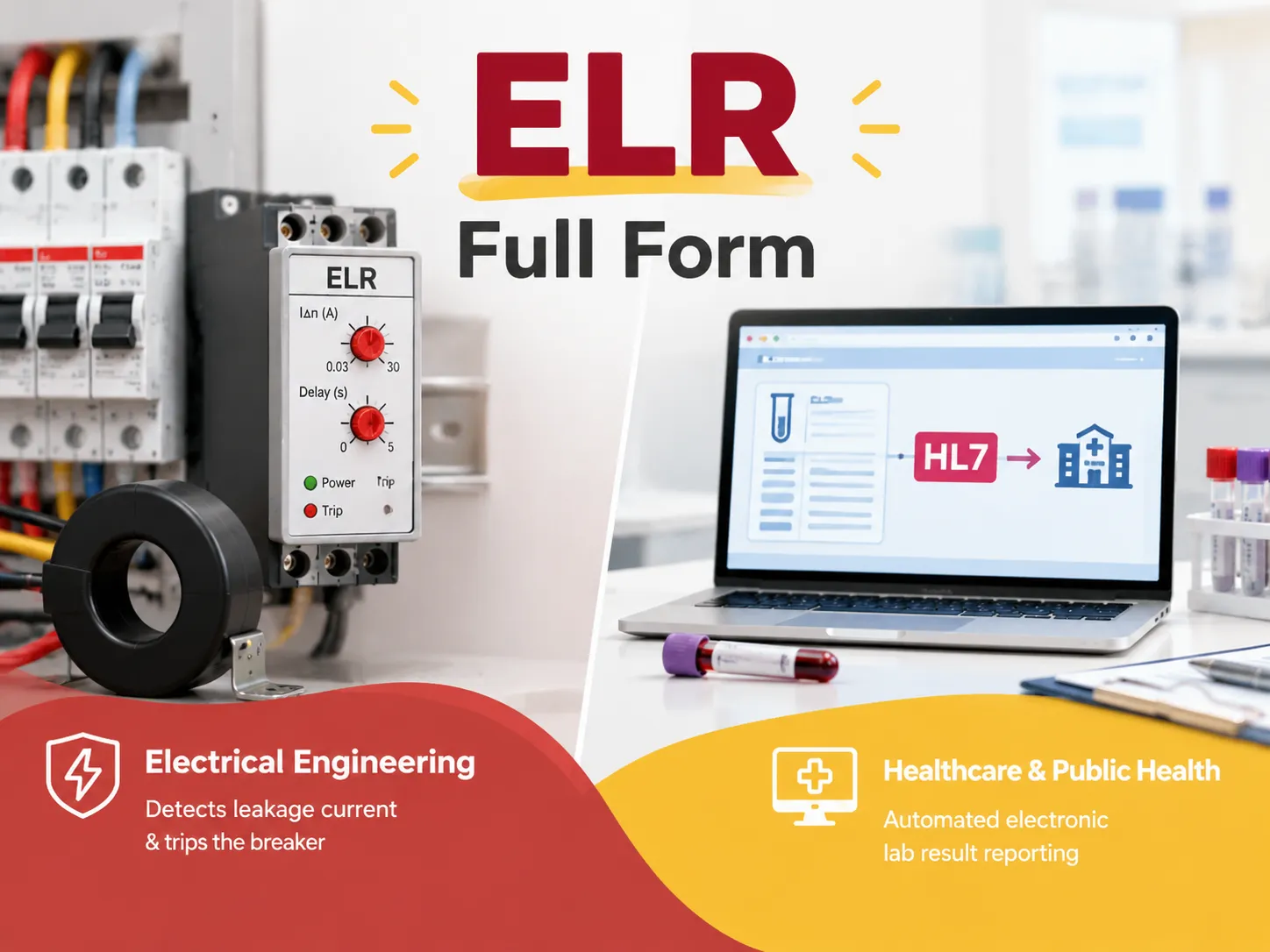
هناك نقطتان رئيسيتان للارتباك: أولاً، RCCBs و RCBOs ليست أجهزة حماية من التيار الزائد كما يعتقد معظم الناس؛ بل هي أجهزة تكشف التيار المتسرب إلى الأرض (عبر شخص أو العزل)، لذا تقوم بفصل الدائرة خلال حوالي ثلاثين مللي ثانية بعد حدوث التسرب. لذلك، وفقًا للرموز الحالية، يجب تركيب RCCBs أو RCBOs على جميع المقابس. ثانيًا، في التوصيلات السكنية في الولايات المتحدة، غالبًا ما يتم دمج وظائف AFCI و GFCI في نفس الجهاز عند الحاجة في غرف النوم ومناطق المعيشة وفقًا لأحكام الرموز الحالية. يتم شرح العلاقة بين هذه الأجهزة التيار المتبقي والتيار الزائد بمزيد من التفصيل في دليلنا دليل RCCB مقابل RCBO.
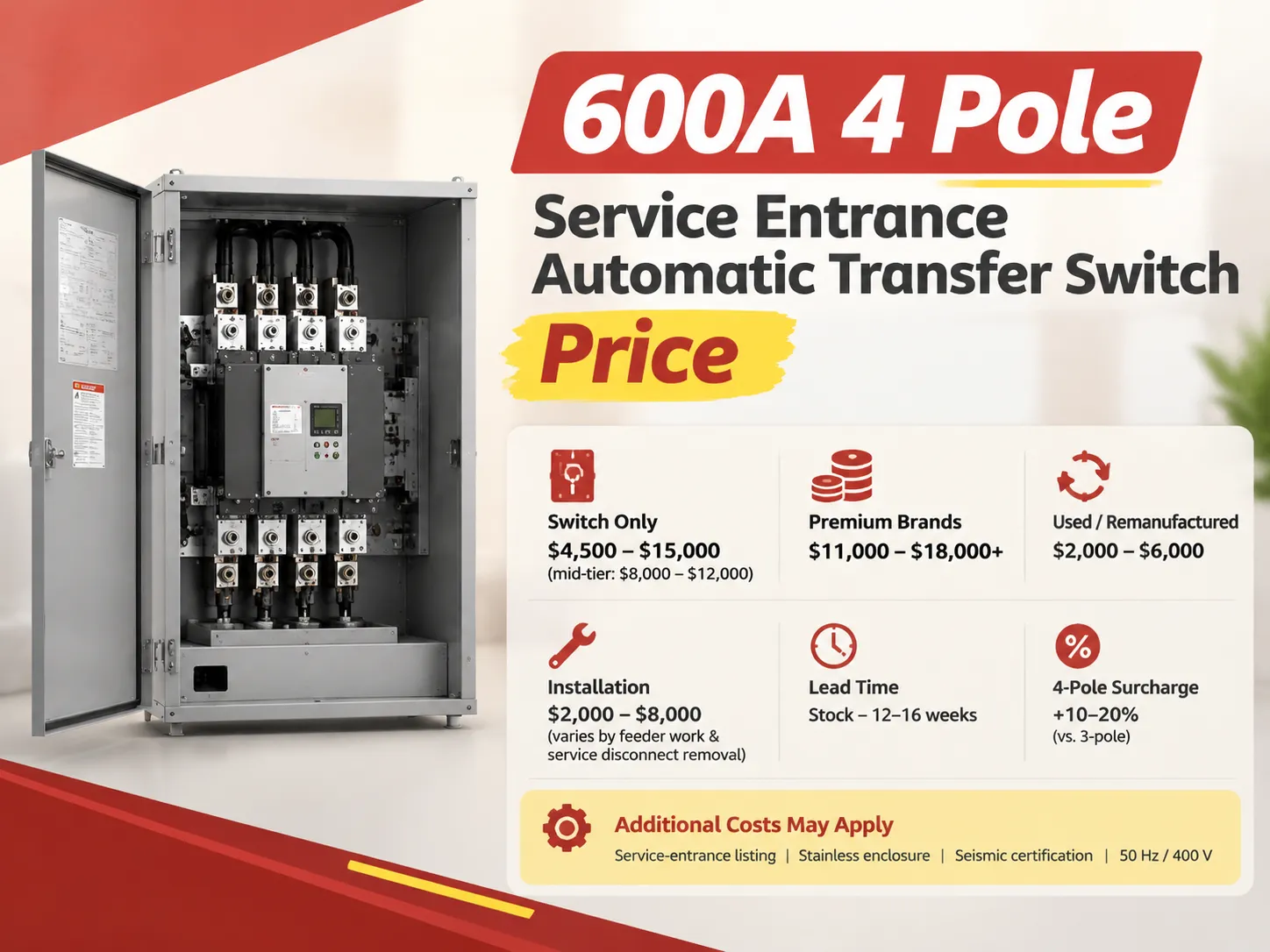
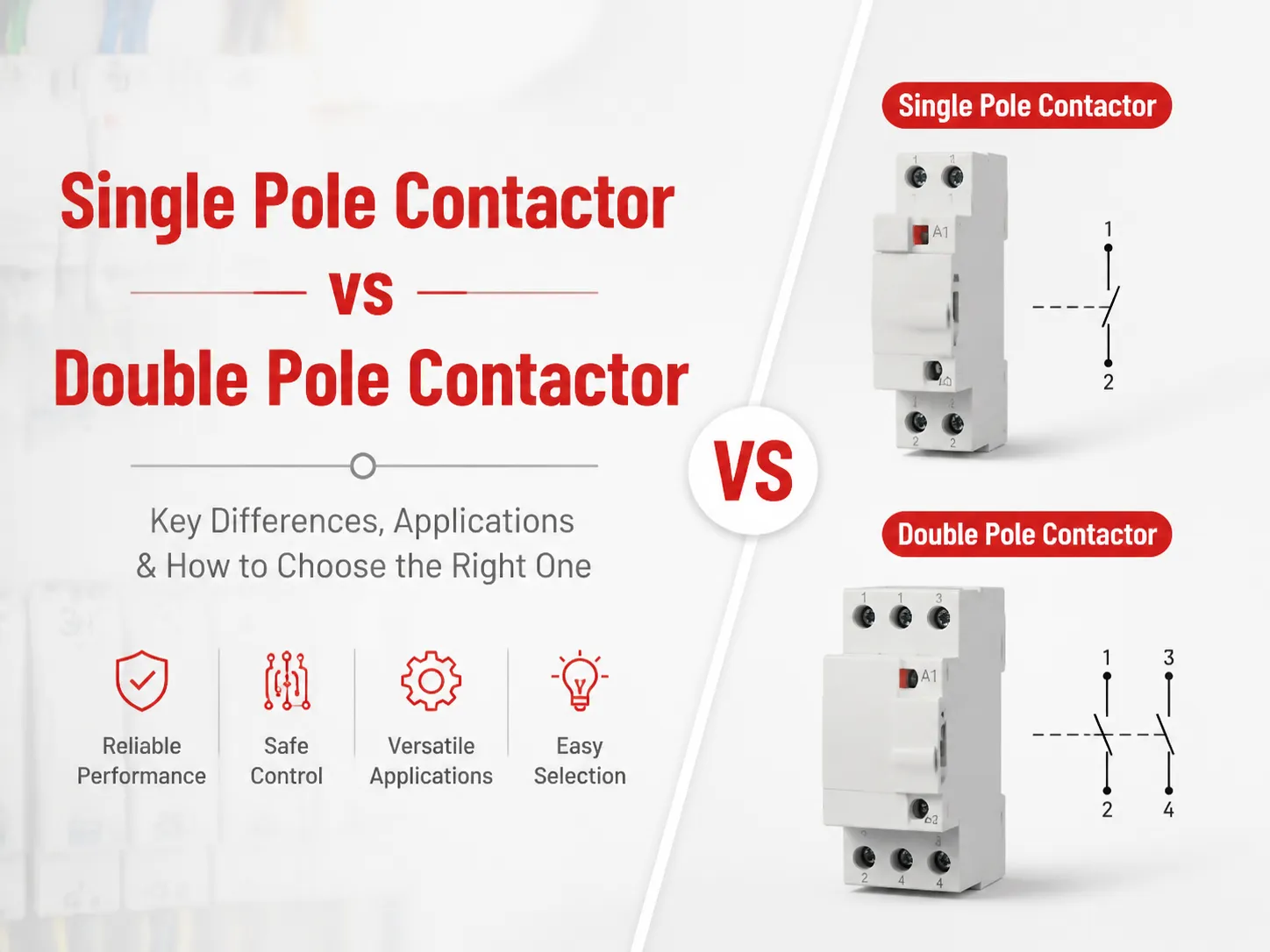
يمكن أن يكون للقواطع تكوين قطب واحد (طرف واحد 120 فولت)، قطبان (طرفان لأجهزة/خطوط 240 فولت في أمريكا الشمالية) أو ثلاثة أو أربعة أقطاب (ثلاث مراحل للطاقة الصناعية/التجارية). توفر القواطع ذات القطب الواحد حماية من التيار الزائد لدارات فرعية 120 فولت؛ توفر القواطع ذات القطبين حماية من التيار الزائد لأحمال 240 فولت مثل مجففات الملابس، المواقد، سخانات المياه وشواحن المركبات الكهربائية، وتفصل كلا الطرفين في نفس الوقت. العديد من الأخطاء الشائعة التي يرتكبها أصحاب المنازل في أعمالهم الخاصة ناتجة عن اختيار غير صحيح لعدد الأقطاب، لذا يُنصح بأن يقوم محترف ذو خبرة بتركيب اللوحات/ترقيات المساكن لأنه أتم هذه العملية مئات المرات من قبل.

قاطع الدائرة مقابل الفيوز: ما الفرق؟
بخلاف تقديم نفس الغرض في حماية الأسلاك والمعدات، لكل نوع طريقة تشغيل فريدة. قدرة الفيوز على الحماية من حالة التحميل الزائد تتم من خلال موصل معدني يذوب عند تيار أعلى من سعته، مما يخلق انقطاعًا ماديًا في الدائرة الكهربائية. في القاطع، يتم إتمام هذه العملية من خلال حركة ميكانيكية للمفتاح. هذا الاختلاف يشكل الأساس للمقارنات بين هذين النوعين من أجهزة الحماية.
| الخاصية | الفيوز | قاطع الدائرة |
|---|---|---|
| بعد الفصل | العنصر مدمّر — يجب استبداله | إعادة التعيين عن طريق قلب المقبض — قابل لإعادة الاستخدام |
| سرعة الاستجابة | سريعة جدًا (تحديد تيار جيد) | سريعة، لكنها أبطأ قليلاً من فيوز مكافئ في حالات الأعطال العالية جدًا |
| حماية من العبث | من السهل التغلب عليه بتركيب فيوز أكبر أو عملة خلفه | أصعب في التغلب عليه؛ تتكرر الرحلات بشكل مرئي |
| هل يمكن إعادة ضبطه عن بُعد؟ | لا — استبدال مادي | بعض الأنواع الصناعية يمكن إعادة إغلاقها كهربائيًا |
| التكلفة لكل حدث | جزء رخيص، لكن كل عطل يكلف فيوزًا جديدًا | تكلفة أولية أعلى، تكلفة قريبة من الصفر لكل رحلة |
| التمييز/الانتقائية | جيد؛ الفيوزات تنسق بشكل جيد على التوالي | يحتاج إلى تصنيف دقيق بين الوحدات العليا والسفلى |
| حيث يُفضل | حماية أشباه الموصلات، نقاط صناعية ذات قدرة عالية على الأعطال، بعض التطبيقات في السيارات/البحرية | في كل مكان آخر — المنازل، التجارية، التوزيع الصناعي |
سيخلص معظم المستخدمين إلى أن الترقية من صندوق الفيوز إلى لوحة قواطع الدائرة الكهربائية هي أفضل عائد على استثمارهم. لا يوفر الفيوز أي مؤشر على التحميل الزائد المتكرر للدائرة وبالتالي يوفر فرصًا لإصلاحات غير آمنة و/أو خطرة؛ من ناحية أخرى، مع قاطع الدائرة، يمكن للمستخدم تحديد الدائرة التي انقطعت بوضوح ويمكنه ببساطة إعادة ضبطها. كما توفر قواطع الدائرة حماية من الأعطال الأرضية وأعطال القوس الكهربائي، وهي ميزات لا يمكن لأي نوع من الفيوزات تقديمها. في بعض الحالات، يتفوق الفيوز على قاطع الدائرة، مثل التعامل مع تيارات الأعطال العالية جدًا أو الحاجة إلى تحديد التيار بسرعة أثناء حماية المعدات الكهربائية الحساسة؛ ومع ذلك، في المباني، كانت قواطع الدائرة هي الخيار الأفضل لسنوات عديدة.
قاطع الدائرة مقابل المفتاح: ما الفرق؟
غالبًا ما يُخطئ في مقبض القاطع على أنه مفتاح لأنه مشابه له، ولكنهما نوعان مختلفان من الأجهزة. المفتاح (مثل مفتاح الإضاءة، العازل، القاطع) مخصص للاستخدام أو التشغيل المنتظم (ستقوم بتشغيله/إيقافه عدة مرات)، ولا يمتلك أي قدرة على الاستشعار. من ناحية أخرى، قاطع الدائرة مخصص للخدمة غير المتكررة ومصمم خصيصًا للفصل التلقائي عند اكتشاف عطل عن طريق إيقاف التيار تلقائيًا.
نتيجة لهذه الاختلافات، هناك قاعدتان أساسيتان. أولاً، المفتاح لا يحميك من الأعطال؛ يمكنه فقط التحكم في دائرتك، وبالتالي يجب حماية الدائرة التي تأتي من المفتاح بواسطة أجهزة أخرى قبل المفتاح. ثانيًا، قاطع الدائرة غير مخصص للتبديل اليومي؛ جهات الاتصال الخاصة به غير مصممة لآلاف العمليات، وكل مرة تقوم فيها بفصله يدويًا، تنخفض العمر الافتراضي لذلك القاطع. إذا كنت ترغب في وجود جهاز تبديل ويوفر أيضًا نوعًا من الحماية، فإن المنتج المثالي سيكون مفتاح فصل مع فيوز أو قاطع دائرة، أو قاطع دائرة حماية المحرك (لدوائر الآلات). على الجانب عالي الجهد، يوجد هذا الاختلاف أيضًا في المحطات الفرعية، حيث يستخدمون فواصل منفصلة للتبديل (لن يتم التبديل إلا عند عدم وجود تيار) وقواطع الدائرة لقطع تيارات الأعطال.
القاطع الرئيسي مقابل قاطع الدائرة الفرعية: ما الفرق؟
غالبًا ما يخلط الناس بين نوعي القواطع في لوحة القواطع (الرئيسي والفرعي) لأن كلاهما يفصل الكهرباء عن اللوحة؛ ومع ذلك، فإنهما يخدمان وظائف مختلفة تمامًا. القاطع الرئيسي يفصل الطاقة عن اللوحة بأكملها من مزود الكهرباء، بينما تحمي قواطع الدائرة الفرعية (صفوف مقابض 15 و20 أمبير الطويلة) كل دائرة فردية (مثل المطبخ، غرف النوم، وحدة التكييف، المجفف). اعتمادًا على حجم منزل الشخص وكمية الكهرباء المستخدمة يوميًا، سيجد العديد من الأشخاص أن القاطع الرئيسي يكون مصنفًا بين 100-200 أمبير في المنزل.
فهم التمييز بين هذين القاطعَين أمر حيوي بسبب كيفية مساعدتهما في الحماية من الصدمات الكهربائية والحرائق.

القاطع الرئيسي يحمي موصلات الخدمة، مما يوفر لرجال الإطفاء و/أو الكهربائيين طريقة آمنة واحدة لفصل التيار الكهربائي عن المبنى، في حين أن قواطع الفروع تحمي الأسلاك الأصغر الموجودة داخل الجدران والتي تمتد إلى كل غرفة معينة؛ لذلك، عندما يحدث قصر كهربائي أو عطل داخل قاطع فرعي، يمكن أن يؤدي ذلك إلى تعطيل غرفة واحدة فقط بدلاً من المنزل بأكمله.
عندما يسمع الفرد "تم فصل القاطع الرئيسي"، فهذا يشير عادةً إلى أن إجمالي استهلاك الكهرباء تجاوز قدرة الخدمة أو أن عطلًا كهربائيًا كبيرًا حدث بين القاطع الرئيسي وقواطع الفروع.
| العلامة التجارية | لذلك، قبل أن يعيد الفرد تعيين القاطع الرئيسي، يجب عليه فصل عدد كافٍ من الأجهزة أو الأجهزة الإلكترونية لجعل إجمالي استهلاك الكهرباء أقل من التصنيف الأقصى للوحة القواطع. | أي العلامات التجارية تصنع قواطع الدائرة؟ |
|---|---|---|
| هناك فئتان مميزتان من المصنعين في صناعة قواطع الدائرة: اللاعبون العالميون الذين لديهم حضور واسع في أمريكا الشمالية وأوروبا، والشركات التي تركز على المنتجات المتخصصة حيث يمكن العثور على منتجاتها المعتمدة في جميع أنحاء العالم. | سوق المنازل | معروف بـ |
| Square D (Schneider Electric) | الولايات المتحدة / فرنسا | لوحات QO و Homeline — أكثر القواطع السكنية تركيبًا في أمريكا الشمالية |
| سيمنز | ألمانيا | Eaton (بما في ذلك Cutler-Hammer) |
| ABB | الولايات المتحدة / أيرلندا | سلسلة BR و CH، خط قوي تجاري وصناعي |
| ليفيتون | محفظة صناعية وسكنية ضخمة، خط MP/QP السكني | سويسرا / السويد |
| مجموعة Tmax MCCB، المعيار الصناعي العالمي، قواطع SACE | محفظة صناعية وسكنية ضخمة، خط MP/QP السكني | الولايات المتحدة |
| قواطع سكنية بالإضافة إلى خط متزايد من القواطع الذكية/المتصلة | General Electric (الآن جزء من علامات ABB/Smart Breaker) | لوحات THQL/THQB القديمة لا تزال شائعة في المنازل القديمة |
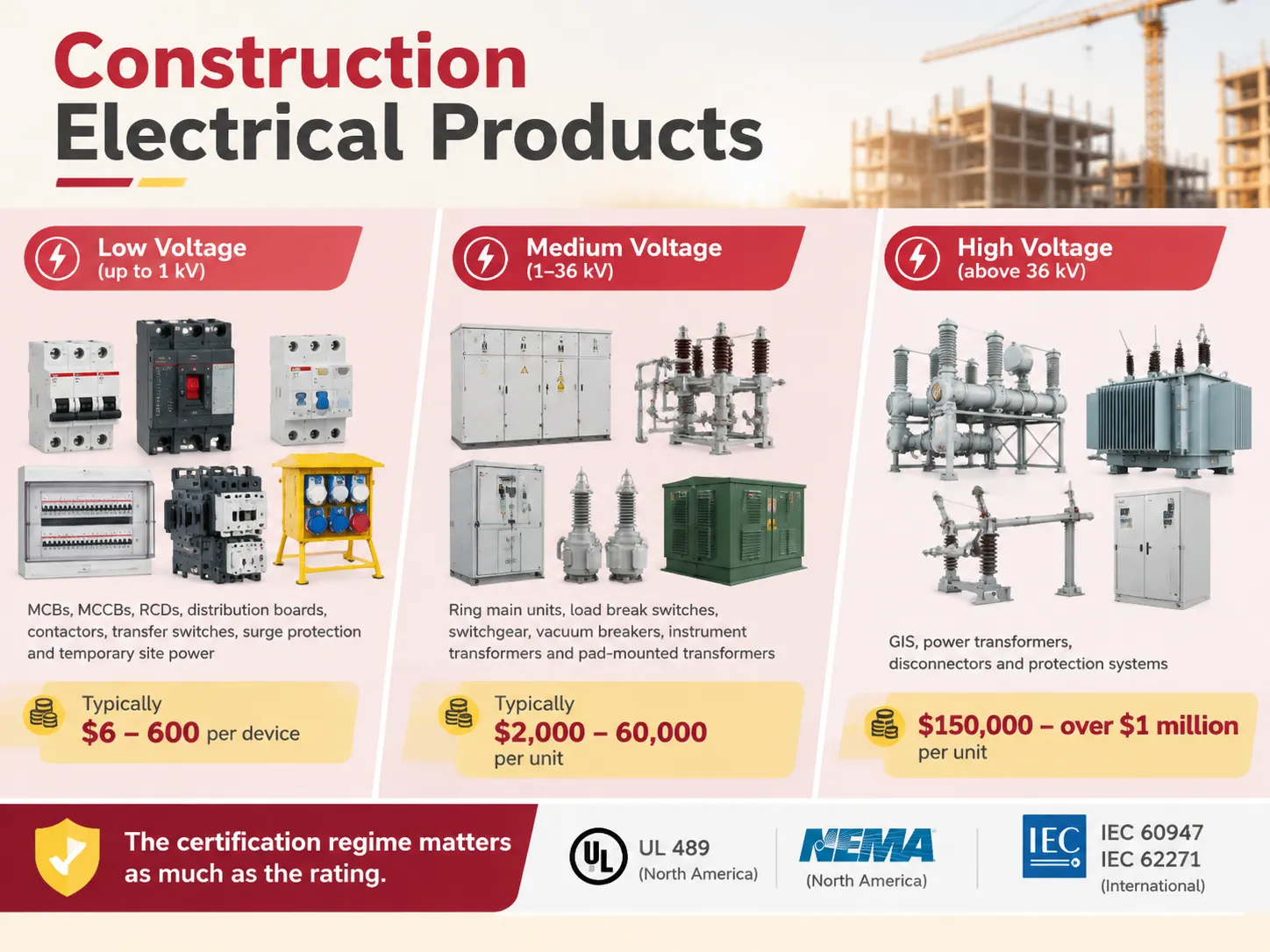
عند شراء قواطع الدائرة، القاعدة الأهم المتعلقة بتوافق المنتج هي أنه في أمريكا الشمالية، قواطع الدائرة مخصصة للوحة معينة. على سبيل المثال، قاطع دائرة من Square D لن يناسب لوحة Eaton، ومحاولة تركيبه في لوحة غير مخصصة له لا يسبب فقط مخالفة للكود، بل يشكل أيضًا خطر حريق حقيقي. لتجنب هذه المشكلة، ببساطة قم بمطابقة قاطع الدائرة البديل مع اسم الشركة المصنعة وسلسلة اللوحة الحالية (انظر دليلنا المرجعي Eaton مقابل Cutler-Hammer لتوافق المنتج) أو، إذا اخترت تغيير العلامة التجارية، يمكنك ببساطة استبدال اللوحة بأكملها. قواطع الدائرة من شركات تصنيع مختلفة متوافقة ويمكن تركيبها على قضبان DIN في الأسواق خارج أمريكا الشمالية (أي أسواق IEC)، وبالتالي يمكن لشركات مثل HUYU توزيع قواطع الدائرة المصغرة المعتمدة (MCBs) في أكثر من 100 دولة. بالنسبة للعملاء الصناعيين ومشاريع، الشهادة أهم بكثير من شعار المنتج؛ الشهادات لأمريكا الشمالية هي UL 489 لقواطع الدائرة، IEC 60898 لقواطع الدائرة المصغرة (MCBs)، IEC 60947-2 لقواطع الدائرة ذات الغلاف المصبوب (MCCBs) وقواطع الدائرة الهوائية (ACBs)، وتقارير الاختبار المعتمدة لتلك الشهادات.
كم تكلفة قواطع الدائرة؟
تختلف أسعار قواطع الدائرة أكثر من العديد من أنواع المكونات الكهربائية الأخرى لأن قواطع الدائرة يمكن أن تتراوح من $6 (احتياطي سكني) إلى أكثر من $100,000 (نقل). لذلك، عند إعداد ميزانية لمشروع، من المفيد الحصول على تفصيل لنطاقات الأسعار المحتملة في كل فئة لكل سنة حتى عام 2026:
| نوع القاطع | تكلفة القطعة (نموذجية) | تكلفة التركيب (الكهربائي) |
|---|---|---|
| قاطع حراري-مغناطيسي أحادي القطب قياسي (15-30 أمبير) | $6-18 | $130-250 بما في ذلك مكالمة الخدمة |
| قاطع ثنائي القطب (30-100 أمبير) | $10-40 | $150-300 |
| قاطع GFCI | $40-100 | $200-350 |
| قاطع AFCI أو مزيج AFCI/GFCI | $30-100 | $175-350 |
| قاطع ذكي مع مراقبة الطاقة | $50-300+ | $250-500 |
| MCB (IEC، 6-63 أمبير، قضيب DIN) | $3-25 | يختلف حسب السوق |
| MCCB (100-1,600 أمبير) | $45-1,600+ | تسعير المشاريع |
| ACB (630-6,300 أمبير) | $800-5,000+ | تسعير المشاريع |
| قاطع جهد متوسط/عالي | $5,000-100,000+ | مشاريع المحطات الفرعية |
العوامل الرئيسية التي تؤثر على السعر هي الأمبير، تصنيف القطع، ميزات الحماية، والعلامة التجارية. قاطع حراري-مغناطيسي أساسي 20 أمبير عند $6-12 مقابل وحدة مزيج AFCI/GFCI عند $50-100 هو تقريبًا مضاعف من خمسة إلى ثمانية أضعاف — مبرر بفضل المعالجات الدقيقة وأجهزة الاستشعار داخل الوحدة الذكية. الصورة الكاملة للتكلفة — بما في ذلك استبدال اللوحة وعندما يتحول تبديل قاطع $200 إلى ترقية لوحة $2,000-4,000 — مفصلة في دليل تكلفة استبدال قاطع الدائرة الخاص بنا دليل تكلفة استبدال قاطع الدائرة.

كيفية اختيار قاطع الدائرة المناسب
لاختيار قاطع دائرة جديد، اتبع هذه الخطوات الخمس بالترتيب: كل خطوة تحد من خياراتك للخطوة التالية.
- سعة التيار للسلك = التيار المقدر للقاطع، وليس التيار المقدر للجهاز! تنص المعايير الصناعية على أن القاطع موجود لحماية السلك، لذلك يجب ألا يتجاوز القاطع أبدًا سعة التيار للسلك. لذلك، يحمي قاطع 15 أمبير سلك نحاسي 14 AWG، ويحمي قاطع 20 أمبير سلك 12 AWG، ويحمي قاطع 30 أمبير سلك 10 AWG. لا تقم أبدًا بترقية القاطع للتخلص من الانقطاعات المزعجة حتى تتحقق من حجم السلك؛ فهذه واحدة من الأسباب الرئيسية لحدوث حرائق في المنازل.
- تصنيف 80% للقاطع هو الحد الأقصى للحمل المستمر: يتطلب الكود الكهربائي الوطني أن يتم تصنيف قواطع الدائرة لتحمل الأحمال المستمرة (3 ساعات أو أكثر) عند لا تزيد عن 80% من سعة القاطع. حمل مستمر بقيمة 12 أمبير (1,440 واط عند 120 فولت) على قاطع 15 أمبير مقبول، و16 أمبير (1,920 واط) على قاطع 20 أمبير مقبول. لشرح كيفية إجراء الحساب لتحويل الواط إلى أمبير للأحمال المستمرة، يرجى مراجعة دليل سعة الدائرة 15 أمبير الخاص بنا.
- النوع يتطابق مع الخطر: يجب استخدام قاطع دائرة مقاطعة خطأ الأرض (GFCI) على المقابس الموجودة في المطابخ والحمامات والمرائب والخارج. يجب استخدام قاطع دائرة مقاطعة قوس كهربائي (AFCI) في غرف النوم ومناطق المعيشة وفقًا للكود الحالي. وأخيرًا، يجب أن يستخدم دائرة المحرك أو المحول منحنى الفصل المناسب (عادة C أو D) لتقليل عمليات الفصل غير المرغوب فيها أثناء بدء التشغيل.
- عدد الأقطاب = الجهد: يستخدم قاطع قطب واحد على دوائر الفرع 120 فولت؛ يستخدم قاطع قطبين على الأحمال 240 فولت وعلى مفاتيح الفصل من لوحة الخدمة؛ يجب أن يكون قاطع النظام ثلاثي الطور إما قاطع ثلاثي أو رباعي الأقطاب.
- تصنيف الفصل والشهادات: يجب أن تكون قدرة الفصل أو الكسر (kA) لقاطع الدائرة كافية لتيار الخطأ المتاح في اللوحة الرئيسية، ويجب شراء الأجهزة المعتمدة فقط (في أمريكا الشمالية، علامة الشهادة هي UL 489؛ في بقية العالم، علامات الشهادة هي IEC 60898/60947) من الوكلاء المعتمدين. قواطع الدائرة المقلدة تمثل مشكلة متزايدة. عندما تفشل القواطع المقلدة، يحدث ذلك عادة أثناء الحريق.
التركيب، إعادة التعيين، والاستبدال
يجب أن يكون كل مالك منزل على دراية بكيفية إعادة تعيين قاطع الدائرة المفصول. عندما يفصل قاطع الدائرة، سيعود إلى الوضع الأوسط أو OFF على مقبضه. لإعادة تعيين قاطع الدائرة، قم بتحريك المقبض بالكامل إلى وضع OFF، ثم أعده بالكامل إلى وضع ON. إذا لم يفصل القاطع مرة أخرى بعد إعادة التعيين، فمن المحتمل أن الحمل الزائد الذي تسبب في فصل القاطع كان حدثًا معزولًا. إذا فصل القاطع مرة أخرى فور إعادة التعيين، فمن المرجح أن هناك مشكلة كهربائية أكبر، ويجب التوقف عن محاولة إعادة تعيين القاطع والتحقيق في المشكلة بشكل أعمق.
في نهاية المطاف، تتعرض قواطع الدائرة للتلف، وعادةً ما يكون التلف ناتجًا عن فشل ميكانيكي في آلية القفل أو في الاتصالات الكهربائية بدلاً من فشل في آلية الاستشعار (الجزء الإلكتروني). من المحتمل أن يحتاج قاطع الدائرة الذي يكون ساخنًا جدًا، أو يصدر طنينًا أو همهمة، أو له رائحة احتراق، و/أو قد انقطع عدة مرات أكثر مما كان عليه سابقًا، أو فشل في الانقطاع تمامًا، إلى الاستبدال. اختبار قاطع دائرة معطل أمر سهل إلى حد ما إذا كان لديك وصول إلى مقياس متعدد؛ ستحتاج إلى التحقق من أن القاطع سيحمل كمية التيار الصحيحة وينقطع عندما يُفترض أن ينقطع. ولكن إذا بدأ قاطع الدائرة في إظهار أي من علامات التحذير المذكورة أعلاه، فمن الأفضل لك استبداله بدلاً من محاولة الاستمرار في استخدامه حتى يفشل في النهاية.
استبدال قاطع دائرة في لوحة كهربائية نشطة ينطوي على بعض المخاطر الجوهرية. اعتمادًا على تكوين لوحتك ومكان تركيب وصلات الخدمة (الأطراف) على لوحة قاطع الدائرة الخاصة بك، تظل وصلات الخدمة نشطة حتى عند إيقاف تشغيل المفتاح الرئيسي. في الغالبية العظمى من الحالات في الولايات المتحدة، يُعد من غير القانوني إعادة توصيل الأسلاك أو استبدال قاطع دائرة أثناء العمل على الجانب النشط من الخدمة لأن هناك احتمالًا كبيرًا لحدوث وميض قوسي إذا تلامست مع الأطراف النشطة أثناء القيام بذلك. تكلفة استئجار كهربائي لاستبدال قاطع دائرة عادة ما تكون بين 130-250 دولارًا لتوفير راحة البال والحماية من خطر الوميض القوسي. يجب تطبيق نفس الحكم المهني على مستوى اللوحة: سواء كانت خدمة 100 أمبير القديمة الخاصة بك قادرة على التعامل مع الحمل الكهربائي الكامل لمنزل حديث، وما إذا كان الكود الحالي يتطلب منك وجود لوحة مصنفة بـ 200 أمبير، هو سؤال يجب أن يجيب عليه كهربائي مرخص بعد إجراء حساب الحمل، وليس تخمينًا.
لماذا يستمر قاطع الدائرة في الانقطاع؟
قاطع الدائرة الذي ينقطع بشكل متكرر ليس مصدر المشكلة؛ بل هو مؤشر على وجود مشكلة. يشير قاطع الدائرة المنقطع إلى وجود خطأ في الدائرة الكهربائية أو في ما هو متصل بها. يعني تحديد سبب المشكلة فهم الفئات الأربع الرئيسية للأخطاء أو المشاكل الكهربائية التالية.
- دائرة محملة بشكل زائد – عدد كبير جدًا من الأجهزة أو المعدات التي تسحب الطاقة من دائرة واحدة يسبب حملًا زائدًا في التيار الكهربائي. الحل لذلك هو موازنة الحمل على الدائرة أو تركيب دائرة جديدة للأجهزة الكهربائية ذات القدرة العالية الإضافية، وليس استخدام قاطع دائرة بتصنيف أعلى.
- القصر الكهربائي – يحدث القصر الكهربائي عندما يلمس سلك نشط إما سلكًا محايدًا أو أرضيًا. يمكن أن يحدث هذا الشرط داخل جهاز أو في سلك تمديد عندما يتلف السلك أو الجهاز. عادةً ما يؤدي القصر الكهربائي إلى انقطاع فوري، وقد يكون هناك رائحة احتراق مرتبطة به.
- خطأ أرضي – يحدث خطأ أرضي عندما يتسرب التيار إلى الأرض (الأرض) عبر شخص أو ماء أو عزل تالف على سلك كهربائي. أجهزة حماية الخطأ الأرضي (GFCIs و RCCBs) مهمة للغاية لضمان سلامة الأشخاص الذين يستخدمون الكهرباء.
- فشل القاطع – بعد عقود وآلاف العمليات، في النهاية يتآكل القاطع ولن يعود ينفصل وسيفشل في الحفاظ على التيار المصنف له.
تشخيص العائلة التي تنتمي إليها — ولماذا القاطع الذي “ينفصل بدون سبب” غالبًا ما يكون له سبب — هو بالضبط ما يقدمه دليل فصل القاطع الكهربائي خطوة بخطوة. من المهم ملاحظة: إذا انفصل القاطع عند توصيل جهاز، فمن المرجح أن يكون الجهاز هو السبب. إذا انفصل القاطع عندما لا يكون هناك شيء متصل، فاشك في الأسلاك أو القاطع واتصل بفني كهربائي مرخص للتحقيق بشكل أعمق؛ لا تجرب الأسلاك أو القاطع بنفسك.
الأسئلة الشائعة
كيف أعيد تعيين قاطع الدائرة؟
لإعادة تعيين قاطع الدائرة (أو القواطع)، حدد موقع القاطع الذي انفصل (الرافعة/القاطع ستكون بين وضع الإيقاف/التشغيل) حرك الرافعة بالكامل إلى وضع الإيقاف، ثم حركها بقوة إلى وضع التشغيل. إذا بقي القاطع في وضع التشغيل، فربما كان الانفصال بسبب حمل مؤقت زائد. ومع ذلك، إذا انفصل القاطع فورًا أو بعد فترة قصيرة مرة أخرى، فلا تعيد تعيين القاطع واتصل بمحترف لتحديد سبب استمرار انفصال القاطع.
ما الفرق بين قاطع الدائرة والصمام؟
تحمي الصمامات الدوائر الكهربائية عن طريق ذوبان سلك (عنصر معدني)، وبالتالي، عند احتراق الصمام يجب استبداله في كل مرة. تحمي قواطع الدائرة الدوائر الكهربائية باستخدام مفتاح ميكانيكي لفتح الدائرة. هذا يسمح بإعادة تعيين القواطع وإعادة استخدامها عدة مرات. بالإضافة إلى ذلك، تمتلك قواطع الدائرة القدرة على توفير حماية من الخطأ الأرضي وحماية من قوس الكهرباء، وهو ما لا توفره الصمامات؛ لذلك، استبدلت قواطع الدائرة الصمامات في جميع المباني الحديثة تقريبًا.
ما الفرق بين القاطع الرئيسي وقاطع الدائرة؟
يشير مصطلح قاطع الدائرة إلى جميع قواطع الدائرة. القاطع الرئيسي هو قاطع دائرة أكبر من الآخرين (عادة 100-200 أمبير) يقوم بفصل الخدمة الكهربائية بالكامل عن شركة المرافق. قواطع الدوائر الفرعية هي القواطع الأصغر التي تستخدم لحماية الدوائر الفردية في المبنى. جميع قواطع الدائرة تنفصل تلقائيًا استجابة للأخطاء الكهربائية، ومع ذلك، يحمي القاطع الرئيسي الموصلات التي تحمل الخدمة الكهربائية، بينما تحمي قواطع الدوائر الفرعية الدوائر الفردية.
ما الفرق بين قاطع الدائرة والمفتاح؟
المفتاح هو جهاز تحكم يدوي مخصص للتشغيل المتكرر، دون توفير أي وظيفة حماية. القاطع الكهربائي هو جهاز حماية يفتح الدائرة تلقائيًا إذا كان هناك حالة حمل زائد أو دائرة قصر، وليس من المفترض استخدامه آلاف المرات يوميًا. المفتاح لا يوفر حماية للدائرة؛ القاطع الكهربائي غير مخصص للاستخدام اليومي. بعض الأجهزة مصممة لتؤدي كلا الوظيفتين؛ لذلك، يُشار إلى هذه المنتجات باسم مفاتيح-فواصل أو أجهزة حماية المحرك.
المراجع
- شنايدر إلكتريك — ما هو القاطع الكهربائي؟
- إيتون — أساسيات القواطع الكهربائية
- ريالبارس — شرح القواطع الكهربائية
- فاميلي هاندي مان — كيف تعمل القواطع الكهربائية
- الجمعية الوطنية للحماية من الحرائق (NFPA) — الكود الكهربائي الوطني (NEC)
الخلاصة
يحمي القاطع الكهربائي كل نظام كهربائي من الجهد والتيار الزائدين. هو مفتاح يستجيب تلقائيًا للجهد و/أو التيار الزائد (أي الحمل الحراري والمغناطيسي) ويفتح الدائرة بسرعة مساوية أو أسرع من الدائرة المدمجة. إذا كنت جديدًا على القواطع الكهربائية، من المهم فهم آلية الفصل الحرارية/المغناطيسية التي تفتح القاطع، وخصائص الفصل لأنواع B وC وD وفقًا لحملها المقنن ونوع الحمل الكهربائي، وكيف تختلف MCBs وMCCBs وRCBOs؛ متى ولماذا يجب استخدام القواطع بدلاً من الصمامات؛ وإلى أي مدى يجب استخدام القاطع الرئيسي بالنسبة لقواطع الدائرة الفرعية؛ كيفية تحديد الشهادة الصحيحة للقاطع الكهربائي والشركة المصنعة لضمان التوافق مع لوحة القواطع الخاصة بك؛ وكيفية استخدام تصنيفات القواطع لتحديد الحجم الصحيح للقاطع لتركيبتك. يمكن الحصول على كل ما سبق من الشركة المصنعة للقاطع الكهربائي أو من مقاول كهربائي، وإذا لم يكن كذلك، يجب الرجوع إلى مقاول كهربائي مؤهل للحصول على هذه المعلومات لضمان بقاء معداتك محمية بالقواطع. بافتراض أنك استفدت من المعلومات أعلاه، يمكنك توقع استمرار قواطعك في حماية جميع معداتك لسنوات عديدة حتى تصل القواطع إلى عمرها المقنن (الذي لا تستخدمه) وتوفر الحماية اللازمة لكل قطعة من معداتك.