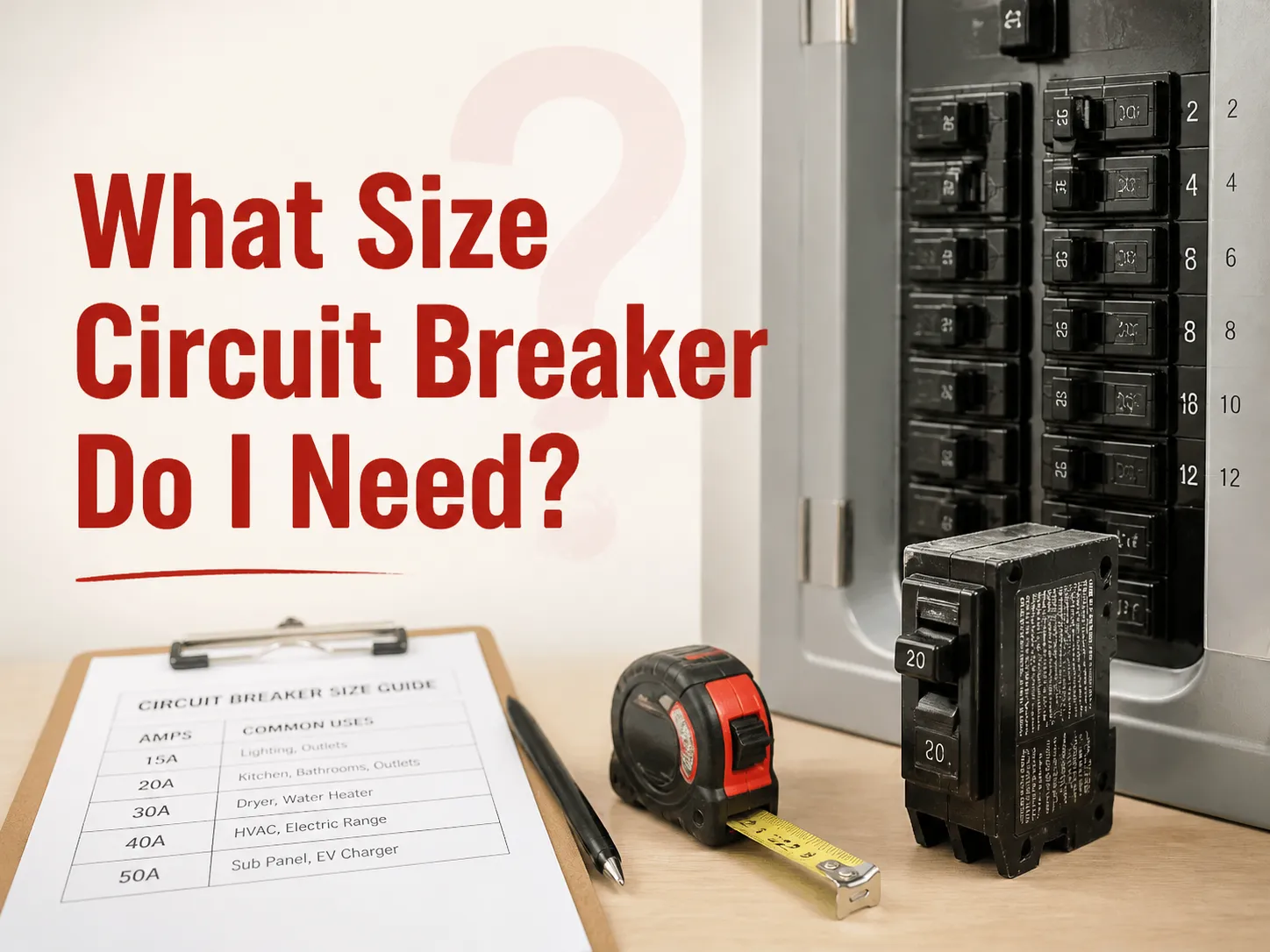


Trong hầu hết mọi ngôi nhà, doanh nghiệp hoặc nhà máy đều có một yếu tố an toàn quan trọng mà hầu hết mọi người đều xem nhẹ; Bảng điện chứa đựng cảm xúc của chúng ta (cả tốt và xấu) cũng như một vài công tắc có thể chưa bao giờ được sử dụng cho đến khi có sự cố như tăng điện áp hoặc ai đó vấp phải máy hút bụi của họ. Đây cũng chính là vị trí mà một thiết bị điện bị “cháy” và dẫn đến toàn bộ căn phòng bao gồm tất cả các thiết bị điện mất điện — công tắc này được gọi là Bộ ngắt mạch. Thực tế, mặc dù chúng có thể không được sử dụng nhiều hàng ngày, Bộ ngắt mạch là thiết bị quan trọng nhất trong hệ thống điện của bạn.
Tóm lại, bộ ngắt mạch ngăn chặn lượng điện quá mức được truyền tải bằng cách cắt nguồn cung cấp điện nếu có dòng điện quá tải do tải quá mức hoặc nếu người dùng tạo ra tình huống khiến mạch điện bị lỗi. Cơ chế sử dụng trong bộ ngắt mạch cho phép người dùng ngắt nguồn điện quá mức mà không cần phải mua cầu chì mới; tuy nhiên, một khi bộ ngắt mạch đã bị ngắt, nó phải được đặt lại trước khi sử dụng lại. Các loại định mức cho bộ ngắt mạch bao gồm: lượng dòng điện mà bộ ngắt có thể chịu được, định mức điện áp, định mức ngắt mạch, số cực định mức trong bộ ngắt mạch và định mức đặc tính ngắt mạch.

Bộ ngắt mạch chính xác là gì?
Bộ ngắt mạch là một thành phần điện kết nối cả với hệ thống phân phối điện (Nguồn điện) cũng như phân phối điện qua hệ thống dây điện đến các thiết bị điện trong toàn bộ tòa nhà (Đèn, Ổ cắm). Chức năng chính của Bộ ngắt mạch bao gồm giám sát hệ thống điện và ngắt nguồn điện đến mạch điện đó khi phát hiện dòng điện không an toàn. Bộ ngắt mạch cũng bảo vệ dây dẫn xung quanh khỏi quá nhiệt, bảo vệ các thiết bị điện kết nối với mạch khỏi bị hư hỏng, và cuối cùng bảo vệ người dùng có thể tiếp xúc với mạch khỏi bị điện giật hoặc bỏng.
Một cách để hình dung về Bộ ngắt mạch là nghĩ đến cách một nhân viên bảo vệ sẽ hoạt động trước một câu lạc bộ đêm. Trong một đêm bình thường, nhân viên bảo vệ sẽ “cho phép” khách hàng bình thường, hàng ngày đi qua mà không gặp vấn đề gì. Tuy nhiên, nếu có một đám đông bất ngờ tràn vào cửa (một sự tăng dòng điện không mong muốn), hoặc nếu ai đó cố gắng xông vào câu lạc bộ đêm (trong trường hợp ngắn mạch), nhân viên bảo vệ sẽ ngay lập tức đóng cửa lại. Nhân viên bảo vệ tiếp tục sẵn sàng thực hiện chức năng giữ khách tránh khỏi nguy hiểm (toàn bộ mục đích của việc sử dụng Bộ ngắt mạch thay vì sử dụng cầu chì). Khi tình hình ổn định, nhân viên bảo vệ có thể cho phép khách khác vào câu lạc bộ cũng như Bộ ngắt mạch có thể được đặt lại để cho phép nguồn điện chảy trở lại.
Bộ ngắt mạch đã tồn tại từ rất lâu. Thomas Edison đã đăng ký bằng sáng chế Hệ thống Ngắt Mạch Tự động đầu tiên của mình vào năm 1879 để sử dụng như một phần của hệ thống chiếu sáng mà ông phát triển. Các loại Dao Lưỡi và Cartridge đầu tiên bắt đầu xuất hiện vào khoảng năm 1900. Năm 1924, Hugo Stotz đã thiết kế và chế tạo Bộ ngắt mạch Miniature Nhiệt-Từ thực sự đầu tiên kết hợp cả hai cơ chế ngắt vào một thiết bị nhỏ gọn. Thiết kế từ năm 1924 vẫn đang được sử dụng ngày nay và các Bộ ngắt mạch Miniature hiện có để mua đang sử dụng chính xác hai chức năng giống như Bộ ngắt mạch gốc.
Bộ ngắt mạch hoạt động như thế nào?
Hai cảm biến phát hiện quá dòng và điều kiện ngắn mạch tức thời, tương ứng. Cảm biến nhiệt phát hiện dòng điện quá mức thông qua các thiết bị nhạy nhiệt (thermistor) trở nên không sử dụng được khi vượt quá nhiệt độ định mức cho phép. Cảm biến từ phát hiện sự hiện diện của một lượng lớn dòng điện (như trong các ngắn mạch). Ngoài việc phát hiện các điều kiện quá dòng, cảm biến nhiệt bảo vệ chống lại hư hỏng thiết bị do quá nhiệt gây ra bởi các tình huống quá tải kéo dài, trong khi cảm biến từ bảo vệ chống lại hư hỏng thiết bị do mức dòng điện tăng nhanh trong các điều kiện ngắn mạch.
Thiết kế bộ ngắt mạch nhiệt-từ là loại được sử dụng rộng rãi nhất. Cơ chế ngắt trên nhiều công tắc điện hoạt động theo nguyên lý tương tự như thiết kế bộ ngắt này; khi dòng điện vượt quá một mức nhất định, nó kích hoạt một mạch điện tử mở công tắc. Một số cơ chế ngắt điện tử cho phép người dùng mở hoặc đóng mạch thủ công bằng cách sử dụng công tắc gạt. Ngược lại, hầu hết các bộ ngắt điện sử dụng cơ chế ngắt cơ học tự động mở và đóng mạch.
| Loại lỗi | Điều gì xảy ra | Phần tử phát hiện | Thời gian phản ứng |
|---|---|---|---|
| Quá tải (ví dụ, quá nhiều thiết bị trên một mạch) | Dòng điện vượt mức định mức một cách vừa phải; nhiệt độ tăng lên trong vài giây hoặc phút | Dải kim loại kép uốn cong khi nóng lên, giải phóng chốt giữ | Từ vài giây đến vài phút — chậm và phụ thuộc nhiệt, điều này là có chủ ý |
| Ngắn mạch (dây nóng chạm dây trung tính hoặc đất) | Dòng điện tăng vọt lên hàng trăm hoặc hàng nghìn ampe gần như ngay lập tức | Solenoid điện từ kéo chốt mở ra | Một nửa chu kỳ hoặc ít hơn (khoảng 8-16 mili giây) |
Độ trễ trong đặc tính nhiệt của bộ ngắt mạch là một tính năng mong muốn, không phải là lỗi. Khi một động cơ khởi động, nó sẽ kéo dòng điện trong một thời gian ngắn lớn hơn nhiều lần so với dòng điện hoạt động bình thường; do đó, dải bimetallic phải chịu nhiệt trong thời gian dài trước khi nó sẽ ngắt mạch (mở tiếp điểm) để dòng điện tăng vọt khi khởi động không gây ra ngắt mạch không cần thiết. Tuy nhiên, lực điện từ được tạo ra bởi một ngắn mạch chết mạnh đến mức nó sẽ khiến bộ ngắt mạch ngắt trong một chu kỳ AC trước khi dây dẫn có thể quá nhiệt và/hoặc gây cháy.
Mở tiếp điểm của bộ ngắt mạch chỉ là một phần của việc ngăn chặn dòng điện lớn. Khi bộ ngắt mạch ngắt dòng điện lớn, quá trình hồ quang điện sẽ ion hóa không khí giữa các tiếp điểm khi chúng mở ra và tạo ra một hồ quang điện sẽ tiếp tục dẫn điện trừ khi bị ngắt. Đây là lý do các bộ ngắt mạch được thiết kế với kiểm soát hồ quang để có thể kéo dài, làm mát và tách hồ quang điện khỏi điểm ngắt. Bộ ngắt mạch được đánh giá với chỉ số ngắt mạch (đo bằng kA) giúp xác định dòng lỗi tối đa có thể ngắt an toàn bởi bộ ngắt mạch. Bộ ngắt mạch dân dụng thường có chỉ số ngắt mạch từ 5-10 kA trong khi bộ ngắt mạch công nghiệp loại vỏ đúc có chỉ số từ 25-100 kA. Việc chọn bộ ngắt mạch có chỉ số ngắt mạch thấp hơn dòng lỗi có thể xảy ra là vi phạm nghiêm trọng về an toàn và sẽ không ngắt được lỗi, mà có thể gây nổ.

Đường cong ngắt mạch: ý nghĩa của các chữ cái B, C và D
Bộ ngắt mạch Miniature (MCBs) có một chữ cái đứng trước chỉ số dòng điện (B16, B32, v.v.) để chỉ đường cong ngắt mạch. Đường cong ngắt mạch xác định mức quá tải (ngắt tức thì) mà bộ ngắt điện từ (ngắt tức thì) có thể chịu trước khi nó ngắt tiếp điểm. Việc sử dụng đúng đường cong ngắt mạch rất quan trọng khi chọn MCB phù hợp cho tải vì:
| Đường cong | Ngưỡng ngắt tức thì | Tải điển hình | Ghi Chú |
|---|---|---|---|
| Loại B | 3-5 × dòng định mức | Tải trở kháng: chiếu sáng, bộ sưởi, ổ cắm trong môi trường dân dụng | Nhạy cảm nhất; không dùng cho động cơ hoặc máy biến áp |
| Loại C | 5-10 × dòng định mức | Động cơ nhỏ, bộ điều khiển đèn huỳnh quang và LED, tải thương mại chung | Lựa chọn phổ biến nhất cho mục đích chung |
| Loại D | 10-20 × dòng định mức | Máy biến áp, động cơ lớn, thiết bị hàn, máy móc có dòng khởi động cao | Chịu được dòng khởi động lớn mà không gây ngắt không cần thiết |
| Loại K / Z | Chuyên dụng | Bảo vệ bán dẫn (Z), bảo vệ động cơ (K) | Ứng dụng công nghiệp chuyên biệt |
Việc sử dụng đường cong ngắt phù hợp cho một tải có thể là yếu tố quyết định liệu bạn có nhận được sự bảo vệ hữu ích khi sử dụng MCB hay bị phiền toái bởi số lần bị ngắt bởi MCB. Nếu một mạch động cơ lớn sử dụng MCB loại B, nó có thể liên tục ngắt nếu bạn cần khởi động động cơ lớn của mình; nếu một mạch chiếu sáng sử dụng MCB loại D, và bạn gặp sự cố, nó có thể mất quá nhiều thời gian để ngắt và bảo vệ dây dẫn. Hãy cẩn thận đảm bảo rằng MCB có đường cong ngắt phù hợp với tải mà nó đang bảo vệ; nếu bạn không chắc chắn, thường an toàn hơn khi sử dụng đường cong ngắt cao hơn thay vì sử dụng định mức dòng điện cao hơn trên cùng một đường cong ngắt.
Các loại cầu dao chính
Cầu dao có thể được phân loại dựa trên cách chúng được chế tạo (loại cấu trúc), chức năng (cách hoạt động), định mức điện áp và số cực. Dưới đây là các loại cầu dao khác nhau mà bạn sẽ thấy được sử dụng.
| Loại | Tên đầy đủ | Định mức điển hình | Nơi bạn tìm thấy nó |
|---|---|---|---|
| MCB | Cầu dao tự động loại nhỏ (Miniature Circuit Breaker) | 5-125 A | Các bộ phận tiêu dùng dân dụng, bảng phân phối thương mại nhỏ |
| MCCB | Cầu dao vỏ đúc (Molded Case Circuit Breaker) | 16-1.600 A | Tủ điện thương mại, nguồn cấp công nghiệp, hệ thống HVAC và máy móc lớn |
| ACB | Cầu dao không khí | 400-6.300 A | Thiết bị đóng cắt công nghiệp, máy phát điện và bộ ngắt chính, trung tâm dữ liệu |
| VCB | Máy cắt chân không | Lên đến cấp điện áp 40 kV | Phân phối trung thế, trạm biến áp, chuyển mạch động cơ |
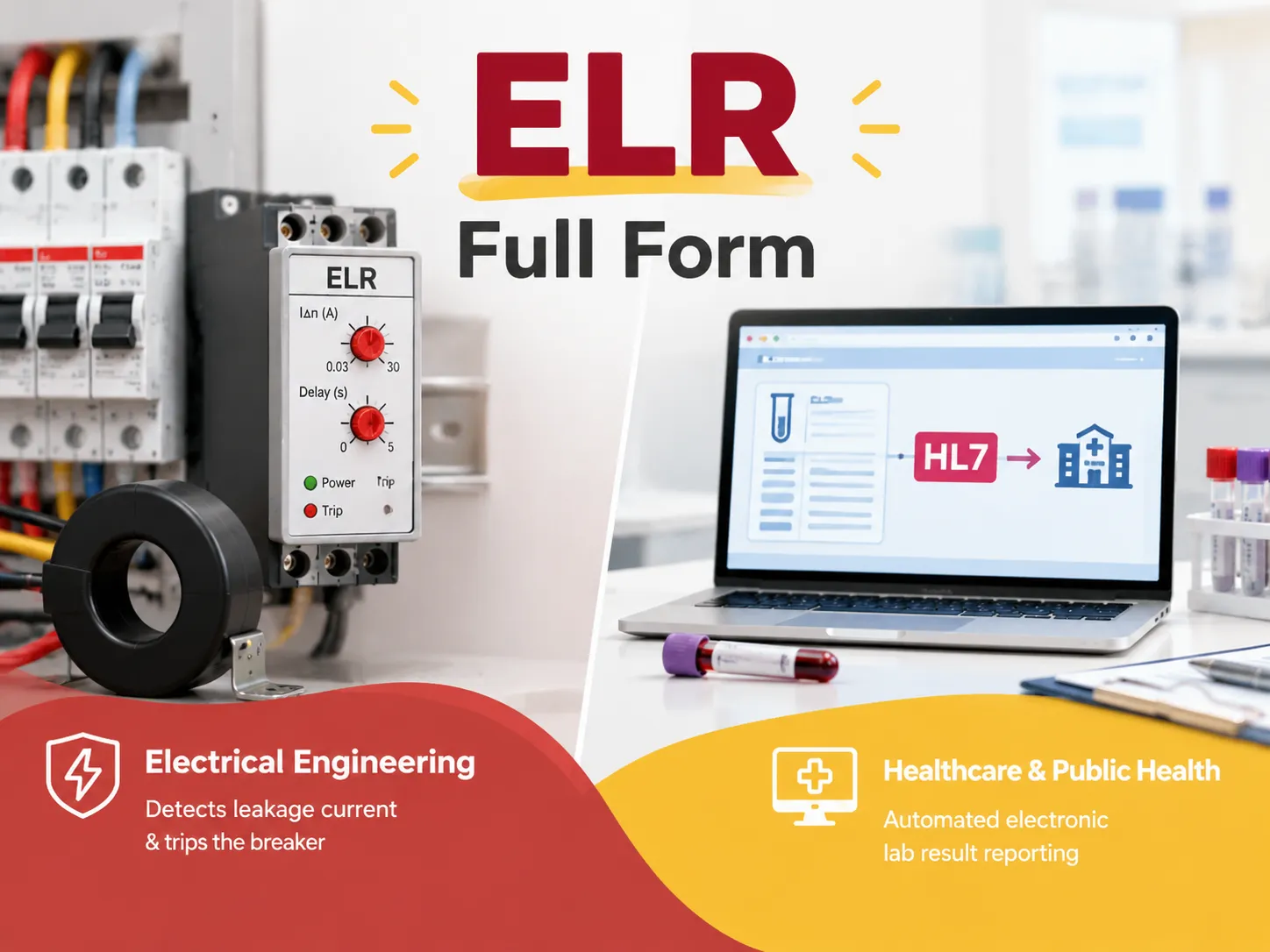
| RCCB / ELCB | Máy cắt dòng rò / Rò đất | 25-100 A, độ nhạy 30-300 mA | Bảo vệ chống sốc tại ổ cắm và khu vực ẩm ướt |
| RCBO | Máy cắt dòng rò có bảo vệ quá dòng | 6-63 A | Kết hợp MCB + RCCB trong một mô-đun |
| GFCI / AFCI | Bộ ngắt mạch lỗi nối đất / lỗi hồ quang | 15-50 A | Nhà bếp, phòng tắm, ngoài trời ở Mỹ (GFCI); phòng ngủ, khu vực sinh hoạt (AFCI) |
| SF6 / Dầu | Máy cắt cách điện bằng khí hoặc dầu | Điện áp cao | Mạng truyền tải, trạm biến áp cao thế |
Có hai điểm nhầm lẫn chính: Thứ nhất, RCCB và RCBO không phải là thiết bị bảo vệ quá dòng như nhiều người nghĩ; thay vào đó, chúng là thiết bị phát hiện dòng rò xuống đất (qua người hoặc cách điện), do đó sẽ ngắt mạch trong khoảng ba mươi mili giây sau khi dòng rò xảy ra. Vì vậy, theo quy định hiện hành, tất cả ổ cắm nên được lắp đặt RCCB hoặc RCBO. Thứ hai, trong hệ thống dây điện dân dụng Mỹ, chức năng của AFCI và GFCI thường được kết hợp trong cùng một thiết bị khi yêu cầu ở phòng ngủ/khu vực sinh hoạt theo quy định hiện hành. Mối quan hệ giữa các thiết bị dòng rò và bảo vệ quá dòng này được giải thích chi tiết hơn trong Hướng dẫn RCCB vs RCBO.
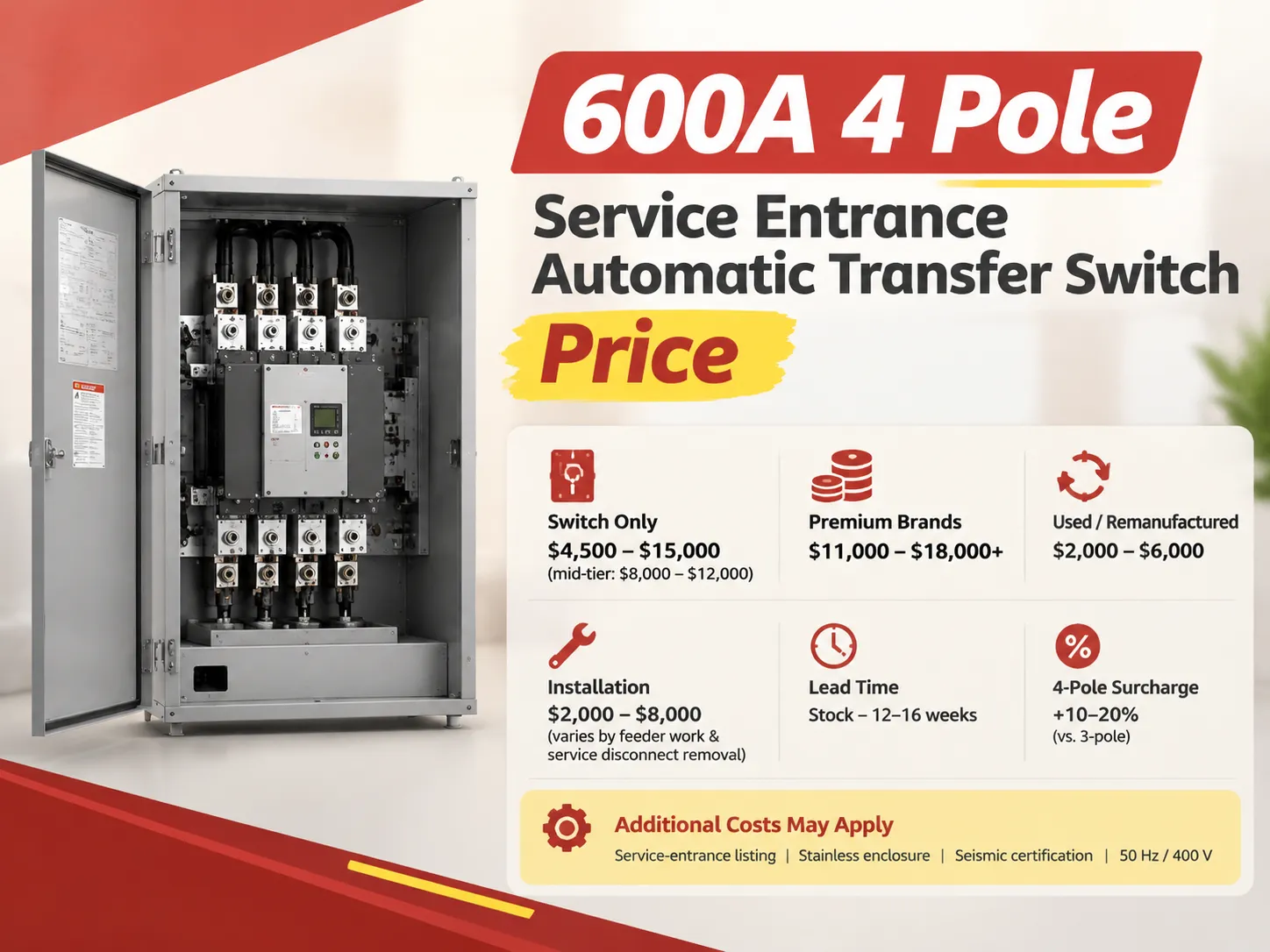
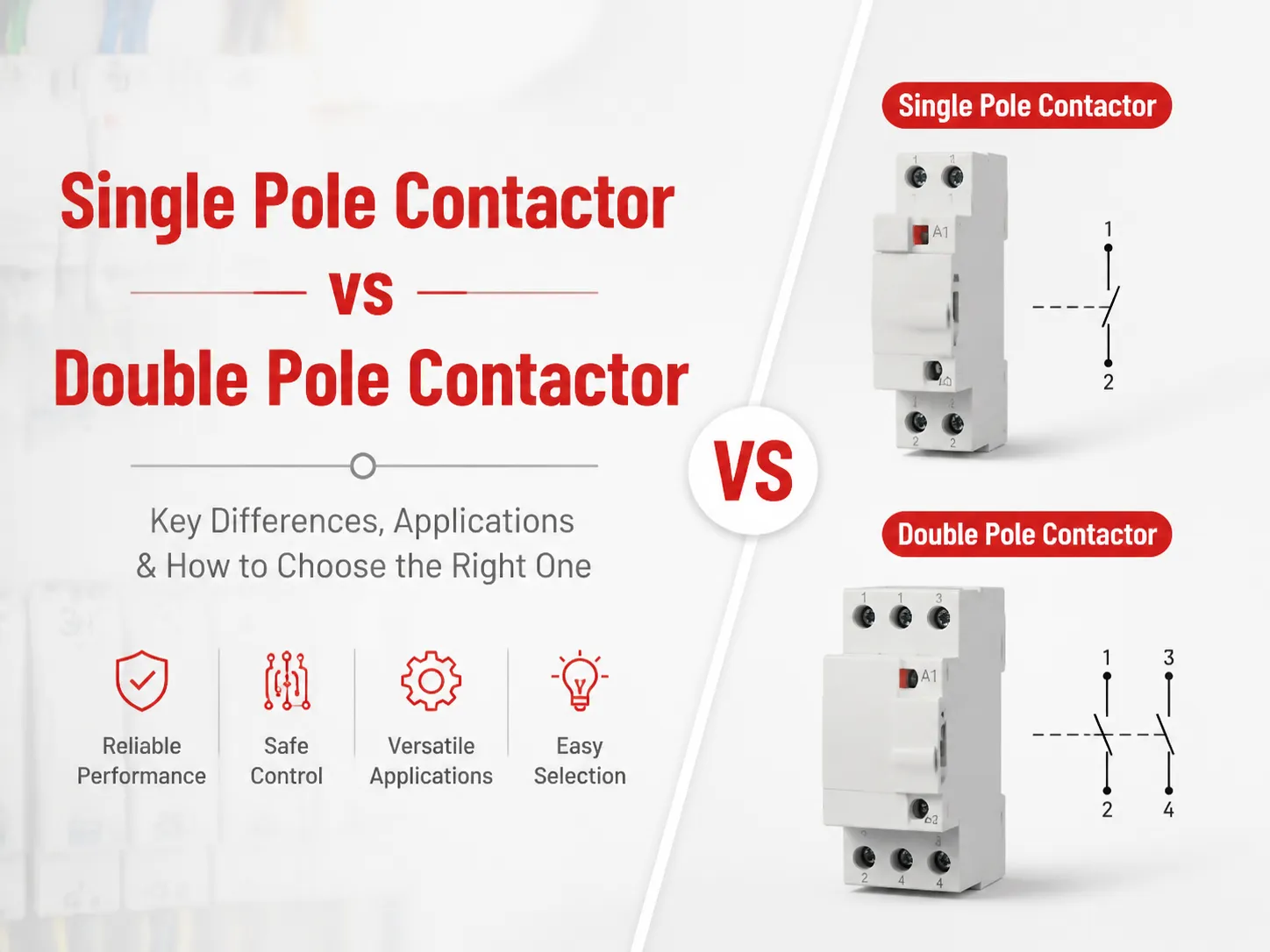
Máy cắt có thể có cấu hình một cực (một dây 120V), hai cực (hai dây cho thiết bị/mạch chính 240V ở Bắc Mỹ) hoặc ba, bốn cực (ba pha điện công nghiệp/thương mại). Máy cắt một cực bảo vệ quá dòng cho mạch nhánh 120 Volt; máy cắt hai cực bảo vệ quá dòng cho tải 240 Volt như máy sấy quần áo, bếp, bình nước nóng và bộ sạc xe điện và sẽ ngắt cả hai dây cùng lúc. Nhiều lỗi phổ biến nhất do người dùng tự làm là chọn sai số cực, do đó khuyến nghị bạn nên để chuyên gia có kinh nghiệm thực hiện lắp đặt tủ điện/nâng cấp nhà ở vì họ đã thực hiện quy trình này hàng trăm lần.

Máy cắt mạch so với cầu chì: sự khác biệt là gì?
Ngoài việc cùng mục đích bảo vệ dây dẫn và thiết bị, mỗi loại có phương thức hoạt động riêng biệt. Cầu chì bảo vệ quá tải bằng dây dẫn kim loại nóng chảy khi dòng điện vượt quá công suất, tạo ra ngắt mạch vật lý. Trong máy cắt, quá trình này được thực hiện bằng chuyển động cơ học của công tắc. Sự khác biệt này tạo nền tảng cho so sánh giữa hai loại thiết bị bảo vệ này.
| Thuộc tính | Cầu chì | Cầu dao |
|---|---|---|
| Sau khi ngắt mạch | Phần tử bị hỏng — phải thay thế | Đặt lại bằng cách gạt tay cầm — có thể tái sử dụng |
| Tốc độ phản hồi | Rất nhanh (giới hạn dòng tốt) | Nhanh, nhưng hơi chậm hơn cầu chì tương đương khi có lỗi dòng rất cao |
| Bảo vệ chống can thiệp | Dễ dàng bị đánh bại bằng cách lắp một cầu chì lớn hơn hoặc một đồng xu phía sau | Khó đánh bại hơn; ngắt mạch lặp lại có thể nhìn thấy được |
| Có thể đặt lại từ xa? | Không — thay thế vật lý | Một số loại công nghiệp có thể đóng lại điện tử |
| Chi phí cho mỗi sự kiện | Linh kiện rẻ, nhưng mỗi lỗi đều tốn một cầu chì mới | Chi phí ban đầu cao hơn, chi phí gần như bằng không cho mỗi lần ngắt |
| Phân biệt/chọn lọc | Tốt; cầu chì phối hợp tốt theo chuỗi | Cần phân loại cẩn thận giữa các thiết bị thượng nguồn và hạ nguồn |
| Nơi ưu tiên sử dụng | Bảo vệ bán dẫn, các điểm công nghiệp có khả năng lỗi cao, một số ứng dụng ô tô/hàng hải | Mọi nơi khác — nhà ở, thương mại, phân phối công nghiệp |
Hầu hết người dùng sẽ kết luận rằng nâng cấp từ hộp cầu chì lên bảng ngắt mạch là khoản đầu tư có lợi nhất. Cầu chì không cung cấp bất kỳ chỉ báo nào về việc quá tải lặp đi lặp lại của mạch và do đó tạo cơ hội cho các sửa chữa không an toàn và/hoặc nguy hiểm; ngược lại, với ngắt mạch, người dùng có thể xác định rõ ràng mạch đã ngắt và chỉ cần đặt lại nó. Ngắt mạch cũng cung cấp bảo vệ chống lỗi đất và lỗi hồ quang, các tính năng không thể có ở bất kỳ loại cầu chì nào. Trong một số trường hợp, cầu chì sẽ hoạt động tốt hơn ngắt mạch, chẳng hạn khi xử lý dòng lỗi rất cao hoặc cần giới hạn dòng nhanh trong khi bảo vệ thiết bị điện nhạy cảm; tuy nhiên, trong các tòa nhà, ngắt mạch đã là lựa chọn tốt nhất trong nhiều năm.
Circuit breaker vs switch: what is the difference?
A breaker handle is often mistaken for a switch because they are similar, but they are different types of devices. A switch (e.g., light switch, isolator, contactor) is intended to be regularly used or operated (you will turn it on/off many times), and it does not have any ability to sense. A circuit breaker, on the other hand, is intended for infrequent service and is specifically designed to automatically trip when it detects a fault by automatically shutting off the current.
As a result of these differences, there are two basic rules. First, a switch does not protect you from faults; it can only control your circuit, and therefore the circuit that comes from a switch must be protected by other devices upstream of the switch. Second, a circuit breaker is not intended for daily switching; its contacts are not designed for thousands of operates, and each time you manually trip it, the life expectancy of that breaker is decreased. If you want to have a switching device and also provide some form of protection, the ideal product would be a switch disconnector with a fuse or circuit breaker, or a motor protective circuit breaker (for machine circuits). On the high-voltage side, this difference is also found in substations, where they use separate disconnectors for switching (they will only switch when there is no current) and circuit breakers for interrupting fault currents.
Main breaker vs branch circuit breaker: what is the difference?
People frequently confuse the two types of breakers in a breaker panel (the main and the branch) because they both disconnect electricity from a panel; however, they serve entirely different functions. The main breaker disconnects power to the entire panel from the electrical utility, while branch breakers (the long rows of 15- and 20-amp handles) protect each individual circuit (e.g., kitchen, bedrooms, AC unit, dryer). Depending on the size of a person’s home and how much electricity is used each day, many people will find that the main breaker will be rated between 100-200 amps in a home.
Understanding the distinction between these two breakers is vital because of how they help protect against electrical shock and fire. The main breaker protects the service conductors, giving firefighters and/or electricians a single safe way to disconnect power from a building, whereas branch breakers protect the smaller wires located within walls that run to each particular room; therefore, when an electrical short or failure occurs within a branch breaker, it can potentially only take one room out of service instead of the entire house. When an individual hears “the main breaker tripped,” it usually indicates that either the total electricity usage exceeded the service capacity or that a significant electrical fault occurred between the main and branch breakers. Therefore, before an individual resets the main breaker, they should unplug enough appliances or electronic devices to bring the total electricity consumption below the maximum rating of the breaker panel.

Which brands make circuit breakers?
There are two distinct categories of manufacturers in the circuit breaker industry: global players with an extensive presence in North America and Europe, and companies focused on niche products where their certified products can be found across the globe.
| Thương Hiệu | Home market | Known for |
|---|---|---|
| Square D (Schneider Electric) | US / France | QO and Homeline panels — the most widely installed residential breakers in North America |
| Eaton (incl. Cutler-Hammer) | US / Ireland | BR and CH series, strong commercial and industrial line |
| Siemens | Đức | Huge industrial and residential portfolio, MP/QP residential line |
| ABB | Switzerland / Sweden | Tmax MCCB range, global industrial standard, SACE breakers |
| Leviton | US | Residential breakers plus a growing smart/connected breaker line |
| General Electric (now part of ABB/Smart Breaker brands) | US | Legacy THQL/THQB panels still common in older homes |
| Legrand / Hager / Chint / HUYU and similar certified global manufacturers | Europe / China | Full MCB/MCCB/RCBO ranges certified to IEC 60898 and IEC 60947, supplying OEM and project markets worldwide |
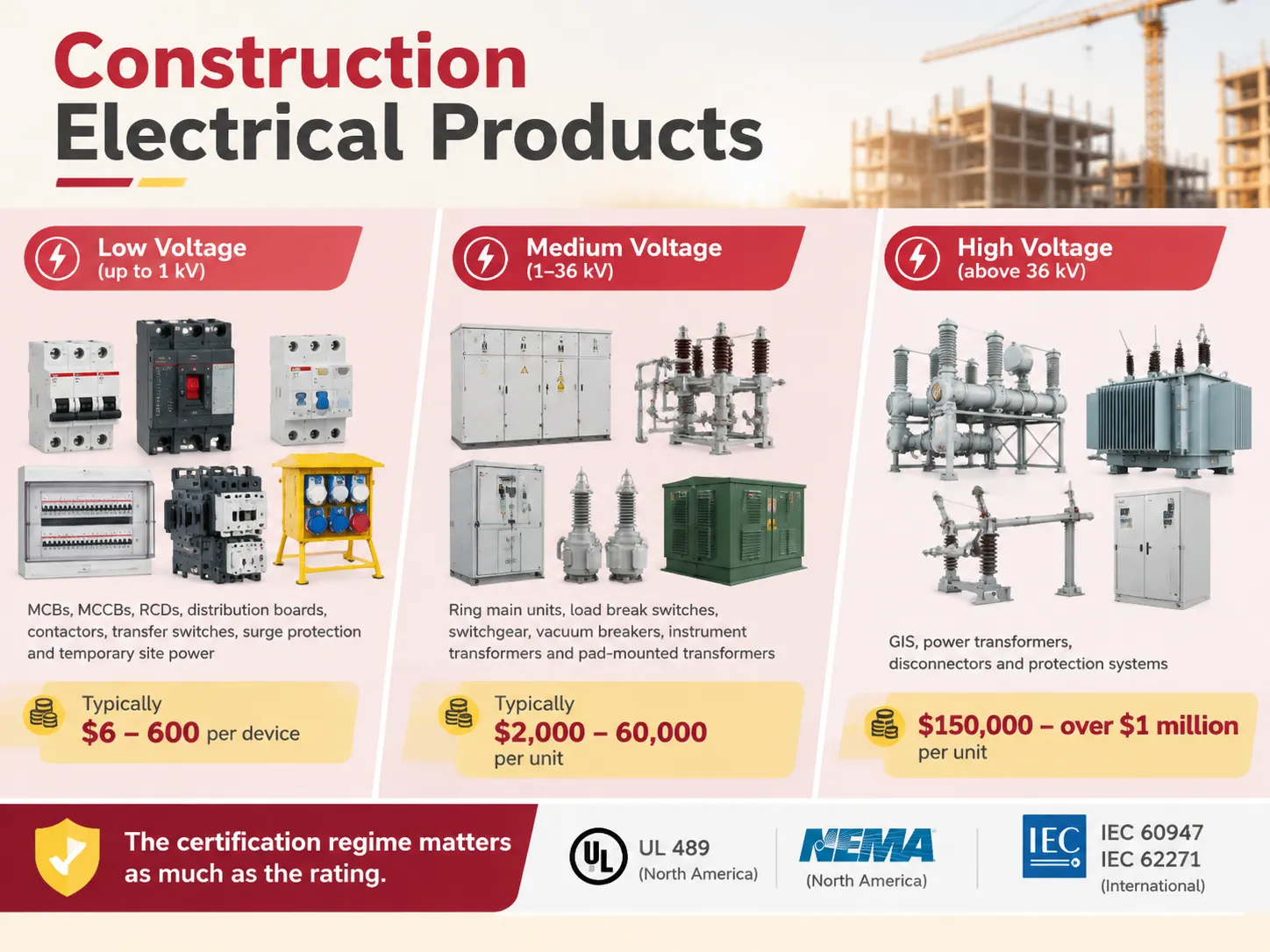
When purchasing circuit breakers, the most important rule regarding product compatibility is that, in North America, circuit breakers are panel-specific. As an example, a Square D breaker will not fit an Eaton panel, and trying to install one in a panel that it is not intended for creates not only a code violation, but also a legitimate fire hazard. To avoid this issue, simply match the replacement circuit breaker to the manufacturer’s name and series of the existing panel (see our Eaton vs. Cutler-Hammer Reference Guide for product compatibility) or, if you choose to switch brands, you can simply replace the entire panel. Circuit breakers from different manufacturers are compatible and can be mounted on DIN-rail tracks in markets outside of North America (i.e., IEC markets), and therefore companies like HUYU can distribute their certified miniature circuit breakers (MCBs) in over 100 countries. For industrial and project clients, the certification is much more important than the product logo; the certification for North America is UL 489 for circuit breakers, IEC 60898 for MCBs, IEC 60947-2 for molded case circuit breakers (MCCBs) and air circuit breakers (ACBs), and the certified test reports for those certifications.
How much do circuit breakers cost?
Pricing for Breaker varies more than many other types of electrical components because circuit breakers can range from $6 (residential spare) to over $100,000 (transmission). Therefore, when creating a budget for a project, it helps to have a breakdown of the possible price ranges in each category for each year leading up to 2026:
| Loại bộ ngắt | Part cost (typical) | Installed cost (electrician) |
|---|---|---|
| Standard single-pole thermal-magnetic (15-30 A) | $6-18 | $130-250 including service call |
| Double-pole (30-100 A) | $10-40 | $150-300 |
| GFCI breaker | $40-100 | $200-350 |
| AFCI or combination AFCI/GFCI | $30-100 | $175-350 |
| Smart breaker with energy monitoring | $50-300+ | $250-500 |
| MCB (IEC, 6-63 A, DIN-rail) | $3-25 | Varies by market |
| MCCB (100-1,600 A) | $45-1,600+ | Project-priced |
| ACB (630-6,300 A) | $800-5,000+ | Project-priced |
| Medium/high-voltage breaker | $5,000-100,000+ | Substation projects |
The big price drivers are amperage, interrupting rating, protection features, and brand. A basic 20 A thermal-magnetic breaker at $6-12 versus a combination AFCI/GFCI unit at $50-100 is roughly a five-to-eight-times multiplier — justified by the microprocessors and sensors inside the smart unit. The full cost picture — including panel replacement and when a $200 breaker swap turns into a $2,000-4,000 panel upgrade — is detailed in our circuit breaker replacement cost guide.

How to choose the right circuit breaker
To select a new circuit breaker, follow these five steps IN ORDER: Each step limits and restricts your options for the next step.
- Wire ampacity = Breaker amperage, NOT appliance amperage! The Industry Standards state that the breaker is there to protect the wire, so the breaker should NEVER exceed the ampacity of that wire. Therefore, a 15 amp breaker protects a 14 AWG copper wire, a 20 amp breaker protects a 12 AWG wire, and a 30 amp breaker protects a 10 AWG wire. NEVER upgrade a breaker to eliminate nuisance trips until you have verified the wire size; this is one of the leading causes of houses burning down.
- 80% of Breaker’s Rating is Maximum Continuous Load: The National Electrical Code requires circuit breakers to be rated for continuous (3-hour or more) loads at no more than 80% of the breaker’s capacity. A continuous 12 amps (1,440 watts at 120 volts) on a 15 amp breaker are fine, and 16 amps (1,920 watts) on a 20 amp breaker are fine. For an explanation of how to perform the calculation converting watts-to-amps for continuous loads, please see our 15-Amp Circuit Capacity Guide.
- Type Matches Hazard: A Ground Fault Circuit Interrupter (GFCI) circuit breaker must be used on receptacles located in kitchens, bathrooms, garages, and outside. An Arc Fault Circuit Interrupter (AFCI) breaker must be used in bedrooms and living areas under current code. Lastly, a motor or transformer circuit must use the proper trip curve (usually C or D) to minimize nuisance trips during startup.
- Number of Poles = Voltage: A single pole breaker is used on 120-volt branch circuits; a double pole breaker is used on 240-volt loads and on disconnects from the service panel; a breaker for a three-phase system must be either a three- or four-pole breaker.
- Interrupting Rating and Certifications: The interrupting or breaking capacity (kA) of a circuit breaker must be adequate for the available fault current at the main panel, and ONLY certified devices (in North America, the certification mark is UL 489; in the rest of the world, the certification marks are IEC 60898/60947) should be purchased from authorized dealers. Counterfeit breakers are an increasing problem. When counterfeit breakers fail, it is usually during a fire.
Installation, resetting, and replacement
Resetting a tripped circuit breaker is something every homeowner ought to be aware of. When a circuit breaker trips, it will revert to the middle or OFF position on its handle. To reset the circuit breaker, turn the handle completely to the OFF position, and then fully back to the ON position. If after you have reset the circuit breaker it does not trip again, it is likely that the overload causing the circuit breaker to trip was an isolated event. If the circuit breaker trips again immediately after being reset, you most likely have a larger electrical issue, and you should stop attempting to reset the breaker and investigate the problem further.
Circuit breakers do eventually wear out, and the wear will usually result from a mechanical failure in the latching mechanism or the electrical contacts rather than a failure of the sensing mechanism (the electronic part). A circuit breaker that is very hot, buzzing or humming, has a burnt smell, and/or has tripped many more times than it previously did, or has failed to trip completely, is likely going to need to be replaced. Testing a faulty breaker is fairly easy if you have access to a multimeter; you’ll need to check that the breaker will hold the correct amount of current load and trip when it is supposed to. But if a circuit breaker begins showing any of the above warning signs, it will be in your best interest to replace it instead of trying to continue using it until it finally does fail on you.
Replacing a circuit breaker in a panel that is live has some inherent risk involved. Depending on the configuration of your panel and where the service lugs (terminals) on your circuit breaker panel are mounted, the service lugs remain energized even when the main has been turned OFF. In the vast majority of cases in the United States, it is against the law to rewire or replace a circuit breaker while working on the live side of the service because there is a high likelihood that an arc flash will occur if you come into contact with the energized lugs while doing so. The cost of hiring an electrician to replace a circuit breaker is typically between $130-$250 to provide you with peace of mind and protection against the risk of an arc flash. The same professional judgment should be applied on the panel level: whether or not your aging 100 A service is capable of handling the entire electrical load of a modern home, and whether or not the current code requires you to have a panel rated at 200 A, is a question that you should be able to have answered by a licensed electrician after a load calculation has been performed, not a guess.
Why does a circuit breaker keep tripping?
A repeatedly tripping breaker is not the source of the problem; it is an indication of a problem. A tripped breaker indicates that there is something wrong with the electrical circuit or with what is connected to it. Identifying the cause of the problem means understanding the following four major categories of electrical faults or problems.
- Overloaded circuit – Too many appliances or devices drawing power from a single circuit are causing an overload of electrical current. The solution to this is to balance the load on the circuit or to install a new circuit for the additional high-wattage electrical devices, and not to use a higher-rated circuit breaker.
- Ngắn mạch – An electrical short happens when an energized wire touches either a neutral or ground wire. This condition can happen inside an appliance or in an extension cord when either the cord or the appliance is damaged. A short circuit will usually trip instantly, and there may be a burnt smell associated with it.
- Ground Fault – A ground fault occurs when current leaks to ground (earth) through a person, water, or damaged insulation on an electric wire. Ground fault protection devices (GFCIs and RCCBs) are critically important to ensure the safety of people using electricity.
- A Breaker Failure – After decades and thousands of operations, a breaker eventually will wear out and will no longer trip and will fail to hold on to its rated current.
Diagnosing which family you are in — and why a breaker that “trips for no reason” almost always has a reason — is exactly what our circuit breaker tripping guide walks through step by step. It is important to note: If a breaker trips when an appliance is plugged in, the appliance is most likely the cause. If a breaker trips when nothing is connected, suspect either the wiring or the breaker and call a licensed electrician to investigate further; do not experiment with either the wire or the breaker.
Câu hỏi thường gặp
How do I reset a circuit breaker?
To reset the circuit breaker(s), locate the circuit breaker that tripped (the lever/circuit breaker will be in between the OFF/ON position) Move the lever fully to the OFF position, and then move it firmly to the ON position. If the circuit breaker(s) remains in the ON position, then the trip was probably a temporary overload. However, if the circuit breaker(s) immediately or shortly thereafter trips again, do not reset the circuit breaker(s) again and contact a professional to determine why the circuit breaker(s) keep tripping.
What’s the difference between a circuit breaker and a fuse?
Fuses protect electrical circuits by melting a wire (metal element), and therefore, when a fuse is blown it has to be replaced every time. Circuit breakers protect electrical circuits by using a mechanical switch to open the circuit. This allows circuit breakers to be reset and reused many times. Additionally, circuit breakers have the ability to provide both ground fault protection and arc fault protection which fuses cannot; therefore, circuit breakers have replaced fuses in virtually all modern buildings.
What is the difference between a main breaker and a circuit breaker?
The term circuit breaker refers to all circuit breakers. The main breaker is a circuit breaker that is larger than the others (typically 100-200 amps) that disconnects the entire electrical service from the utility company. Branch circuit breakers are the smaller circuit breakers that are used to protect individual circuits in the building. All circuit breakers will trip automatically in response to electrical faults, however, the main circuit breaker protects the conductors that carry the electrical service, while branch circuit breakers protect single circuits.
What is the difference between a circuit breaker and a switch?
A switch is a manual control device that is intended for frequent operation, without providing any protective function. A circuit breaker is a protective device that will automatically open the circuit if there is an overload condition or short circuit and is not intended to be used thousands of times a day. A switch does not provide protection for a circuit; a circuit breaker is not intended for daily use. Some devices are designed to have both functions; therefore, these products are referred to as switch-disconnectors or motor-protective devices.
Tài liệu tham khảo
- Schneider Electric — What Is a Circuit Breaker?
- Eaton — Circuit Breaker Fundamentals
- RealPars — Circuit Breakers Explained
- Family Handyman — How Circuit Breakers Work
- NFPA — National Electrical Code (NEC)
Kết luận
A circuit breaker protects every electrical system from excessive voltage and current. It is a switch that automatically responds to excessive voltage and/or current (i.e. thermal and magnetic overload) and opens the circuit as fast or faster than a fused circuit. If you are new to circuit breakers, it is important to understand the thermal/magnetic trip mechanism that opens the breaker, the trip characteristics of breakers of types B, C, and D according to their rated load and type of electrical load, how do MCBs, MCCBs, RCBOs differ; when and why you should use circuit breakers instead of fuses; and to what extent you should use the main breaker with regard to branch circuit breakers; how to determine the correct certification for the circuit breaker and the manufacturer of the circuit breaker to ensure compatibility with your circuit breaker panel; and how to use the ratings of circuit breakers to size correctly the circuit breaker for your installation. All of the above may be obtained from the circuit breaker manufacturer or an electrical contractor, and if not, you must refer to a qualified electrical contractor to obtain such information to ensure your equipment remains protected by the circuit breakers. Assuming that you have taken advantage of the above information, you can expect your circuit breaker(s) to continue protecting all of your equipment for many years to come until such time as the circuit breakers have reached their rated life (which they do not use) and have provided the necessary protection for each piece of your equipment.