
Acaba de comprar una pequeña fábrica en una zona industrial, y el propietario le dice que puede elegir entre energía monofásica o trifásica. La instalación trifásica es casi tres veces más cara que la instalación simple; sin embargo, no tiene idea de si realmente la necesita. Al mismo tiempo, su máquina CNC recién ordenada tiene escrito “solo trifásico”. Esta es una pregunta que muchos compradores de máquinas y propietarios de empresas enfrentan regularmente — y si la elección es incorrecta, el usuario pagará de más por una potencia innecesaria o descubrirá que no puede usar su equipo.
Esta guía proporciona una comprensión clara de las diferencias entre los sistemas de energía monofásica y trifásica, lo que implican, cuánto cuestan y cuándo se utilizan. Encontrará toda la información necesaria para tomar la decisión correcta sin necesidad de una educación superior en ingeniería.
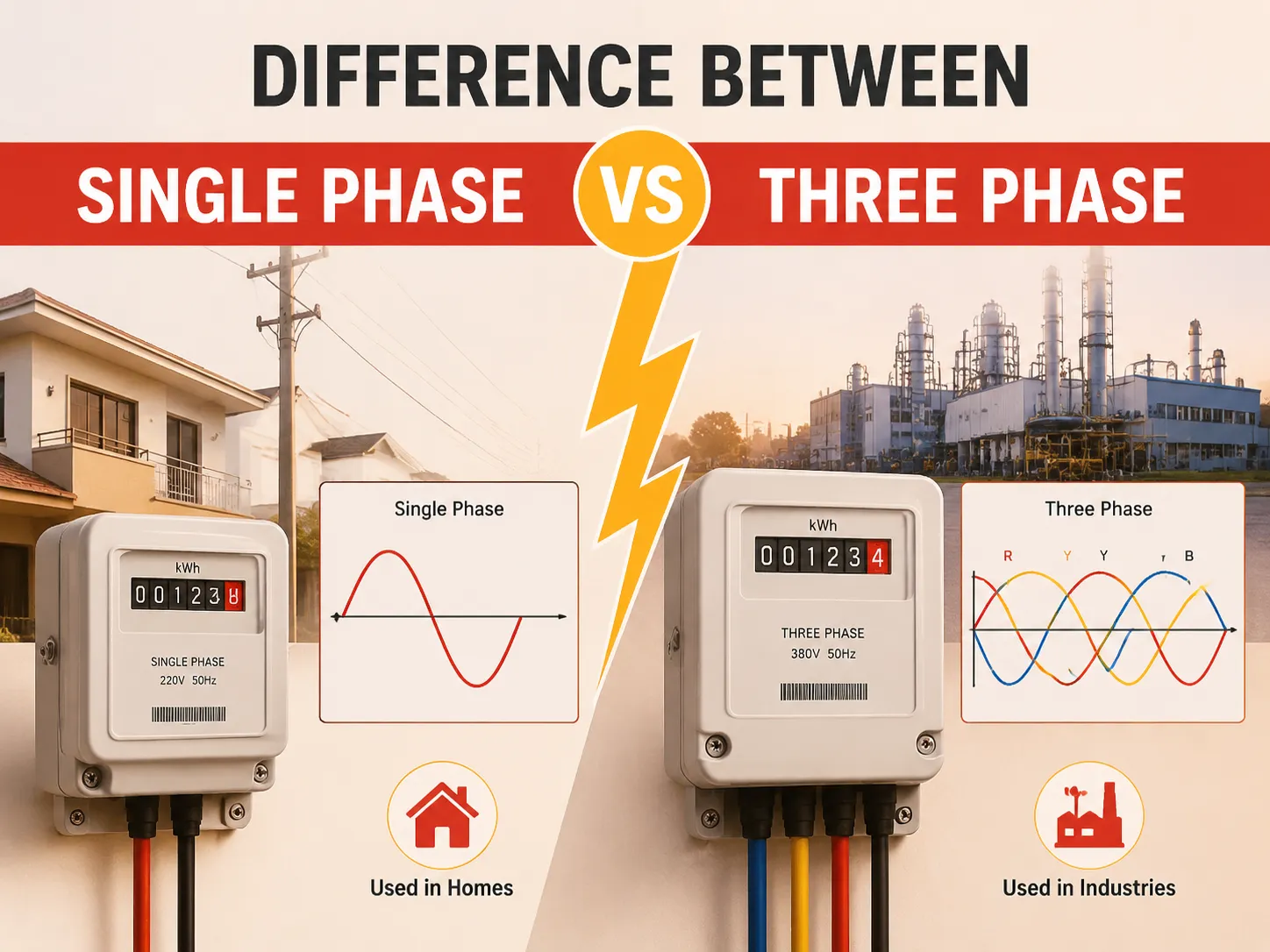
Respuesta rápida: La energía monofásica utiliza una forma de onda de CA (más neutro), lo que le da la capacidad de proporcionar energía que sube y baja de 50 a 60 veces por segundo. Suministra energía a hogares residenciales y dispositivos de carga pequeña de aproximadamente 15-20 kW. En contraste, la trifásica utiliza como fuente de energía 3 formas de onda de CA que están desplazadas 120 grados entre sí, generando una energía ininterrumpida y muy estable que no llega a cero. Es el tipo de energía más comúnmente utilizado en fábricas, grandes propiedades comerciales, motores grandes y otra maquinaria pesada.
¿Qué es la energía monofásica?
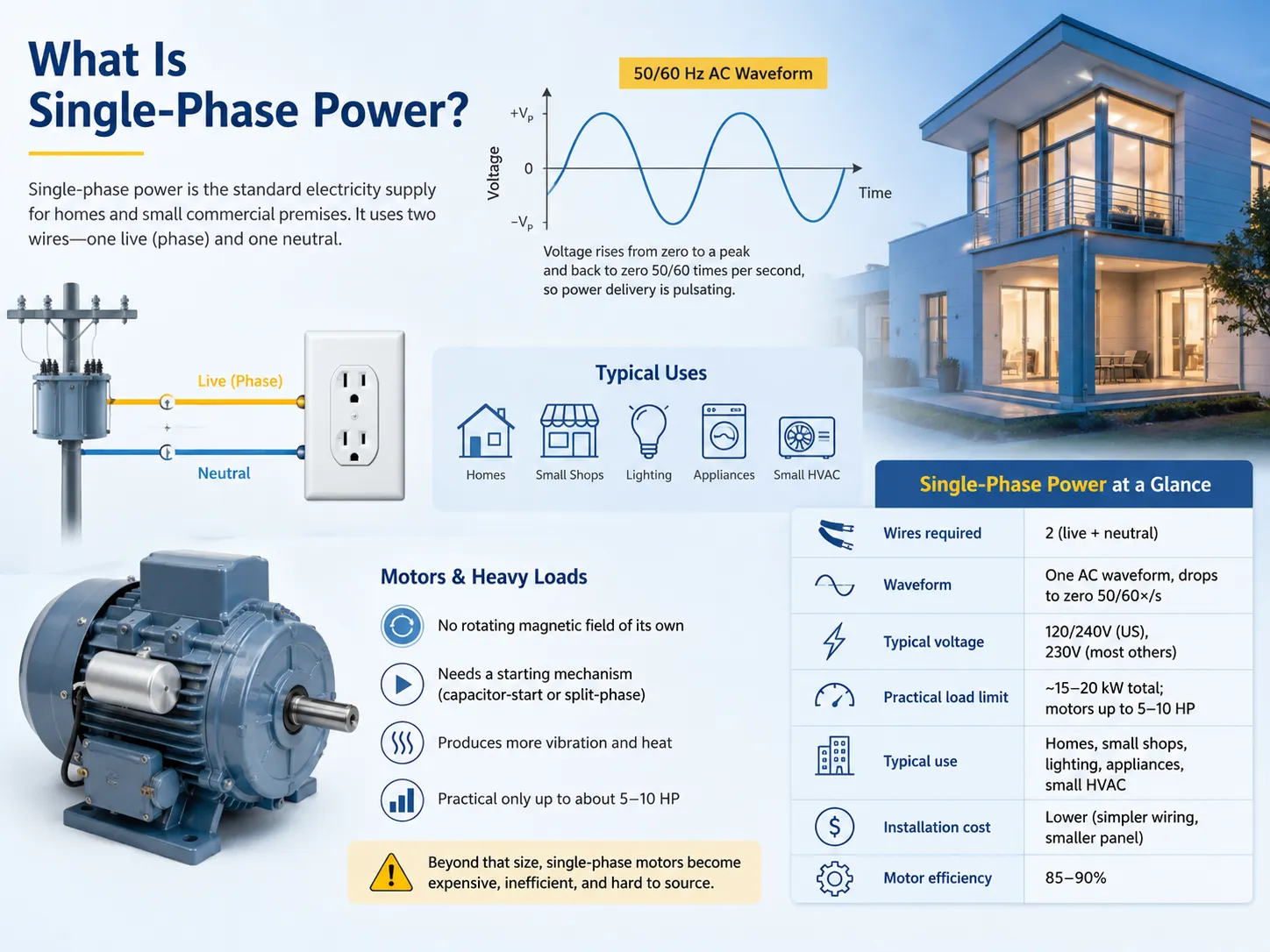
Las instalaciones residenciales y pequeñas empresas dependen de la electricidad monofásica como la opción convencional para el suministro de energía. El mecanismo se basa en dos tipos de conductores – uno vivo y uno neutro, con la energía eléctrica alternando de cero a voltaje máximo con 50 o 60 ciclos por segundo. A diferencia de la corriente continua con voltaje permanente, la electricidad monofásica fluctúa a lo largo del tiempo, lo cual es de gran importancia cuando se trata de motores y cargas pesadas.
En cuanto a los motores, la ausencia de campo electromagnético giratorio en un motor monofásico significa que dichos motores deben arrancarse con equipo auxiliar. Se sabe que los motores monofásicos producen más vibraciones y generan más calor en comparación con los trifásicos. Estas máquinas eléctricas pueden usarse para aplicaciones específicas con una potencia de salida que no exceda los 5-10 HP porque se vuelven poco económicas por encima de este umbral.
| Característica | Energía monofásica |
|---|---|
| Cables requeridos | 2 (vivo + neutro) |
| Forma de onda | Una forma de onda de CA, cae a cero 50/60×/s |
| Voltaje típico | 120/240V (EE.UU.), 230V (la mayoría de los demás) |
| Límite práctico de carga | ~15–20 kW total; motores hasta 5–10 HP |
| Uso típico | Hogares, pequeñas tiendas, iluminación, electrodomésticos, HVAC pequeño |
| Costo de instalación | Menor (cableado más simple, panel más pequeño) |
| Eficiencia del motor | 85–90% |
¿Qué es la energía trifásica?
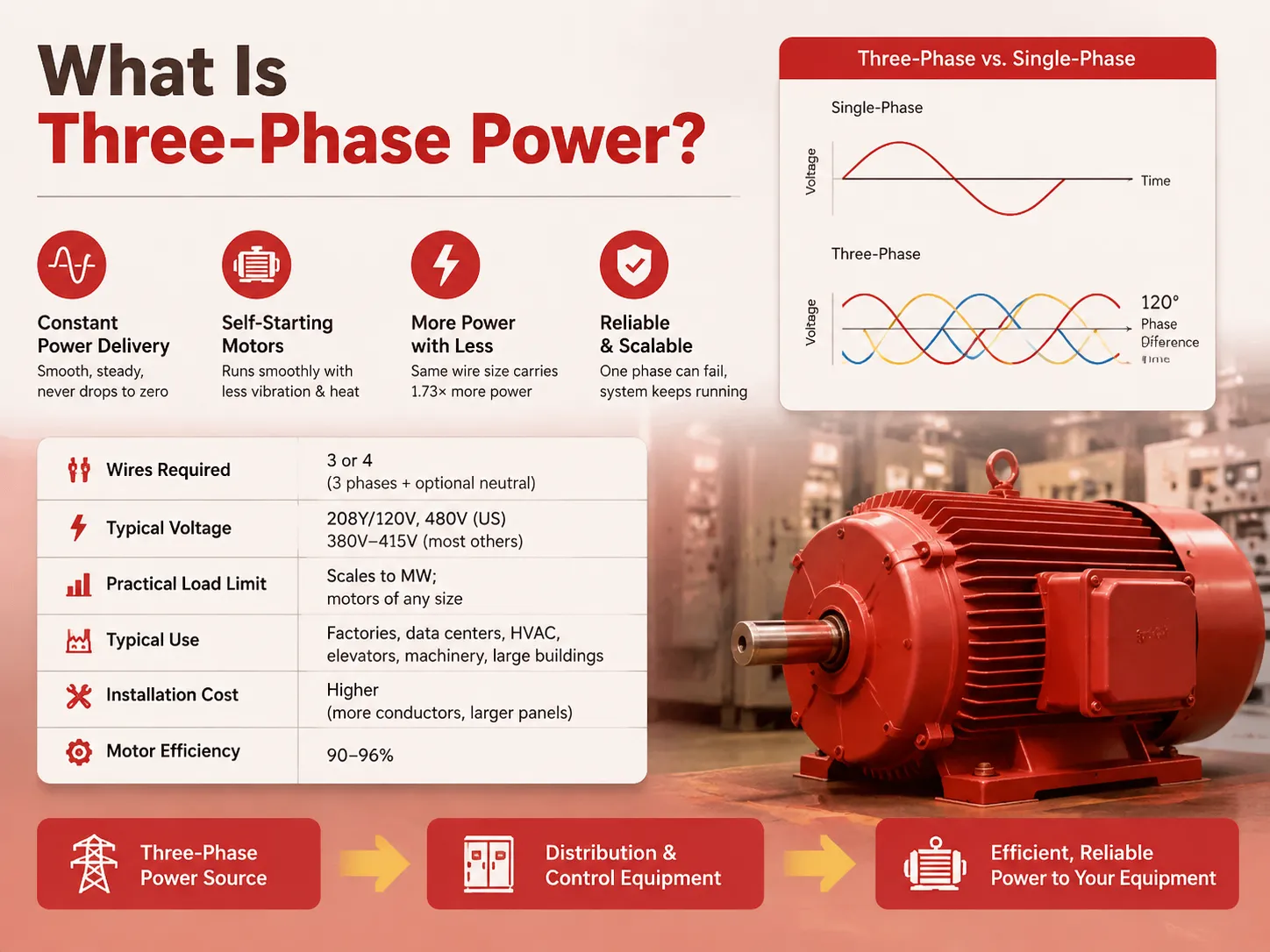
La electricidad trifásica implica tres señales de corriente alterna que están presentes en tres conductores (más neutro, si es necesario), y aparecen con un desfase de 120 grados. Dado que cada fase alcanza el valor máximo en un momento diferente, resulta en un suministro continuo de energía, lo que significa que la energía no cae a cero. Gracias a esto, los motores eléctricos trifásicos no requieren medios adicionales de arranque ya que están alimentados por un campo magnético giratorio.
Además, el mismo grosor de cable aplicado en sistemas trifásicos suministra aproximadamente 1.73 veces más electricidad en un sistema trifásico que en uno monofásico, lo que justifica su uso más allá de los requerimientos domésticos por diferentes empresas. Además, los sistemas trifásicos son capaces de resistir la desconexión de una fase sin inutilizar el circuito y permiten cargas mucho más pesadas desde varios caballos de fuerza hasta 10,000 hp.
| Característica | Potencia Trifásica |
|---|---|
| Cables requeridos | 3 o 4 (3 fases + neutro opcional) |
| Forma de onda | Tres formas de onda con desfase de 120°, entrega constante |
| Voltaje típico | 208Y/120V, 480V (EE.UU.); 380V–415V (la mayoría de otros) |
| Límite práctico de carga | Escala hasta MW; motores de cualquier tamaño |
| Uso típico | Fábricas, centros de datos, HVAC, ascensores, maquinaria, edificios grandes |
| Costo de instalación | Mayor (más conductores, paneles más grandes, equipos de conmutación) |
| Eficiencia del motor | 90–96% |
Diferencias clave de un vistazo
| Aspecto | Monofásico | Trifásico |
|---|---|---|
| Número de fases | Una | Tres (120° de separación) |
| Entrega de potencia | Pulsante, cae a cero | Constante, suave |
| Potencia a la misma corriente | Línea base | 73× más |
| Tamaño del conductor para la misma carga | Mayor | Menor (~25% menos cobre) |
| Arranque del motor | Necesita capacitor/enrollado de arranque | Autoarranque (campo giratorio) |
| Eficiencia del motor | 85–90% | 90–96% |
| Vibración y calor | Mayor | Inferior (torque más suave) |
| Límite típico | Motores de ~15–20 kW / 5–10 HP | Sin límite práctico |
| Tolerancia a fallos | Una falla = falla todo el circuito | Otras fases continúan funcionando |
| Costo de instalación | Inferior | 20–40% más alto inicialmente |
| Costo operativo (cargas altas) | Más alto por kW | Más bajo por kW |
Niveles de voltaje y configuraciones de cableado
Leer las clasificaciones de voltaje de su dispositivo es la decisión principal para elegir la fuente de alimentación correcta. A continuación se muestra cómo existen los voltajes monofásicos y trifásicos en muchas partes del mundo.
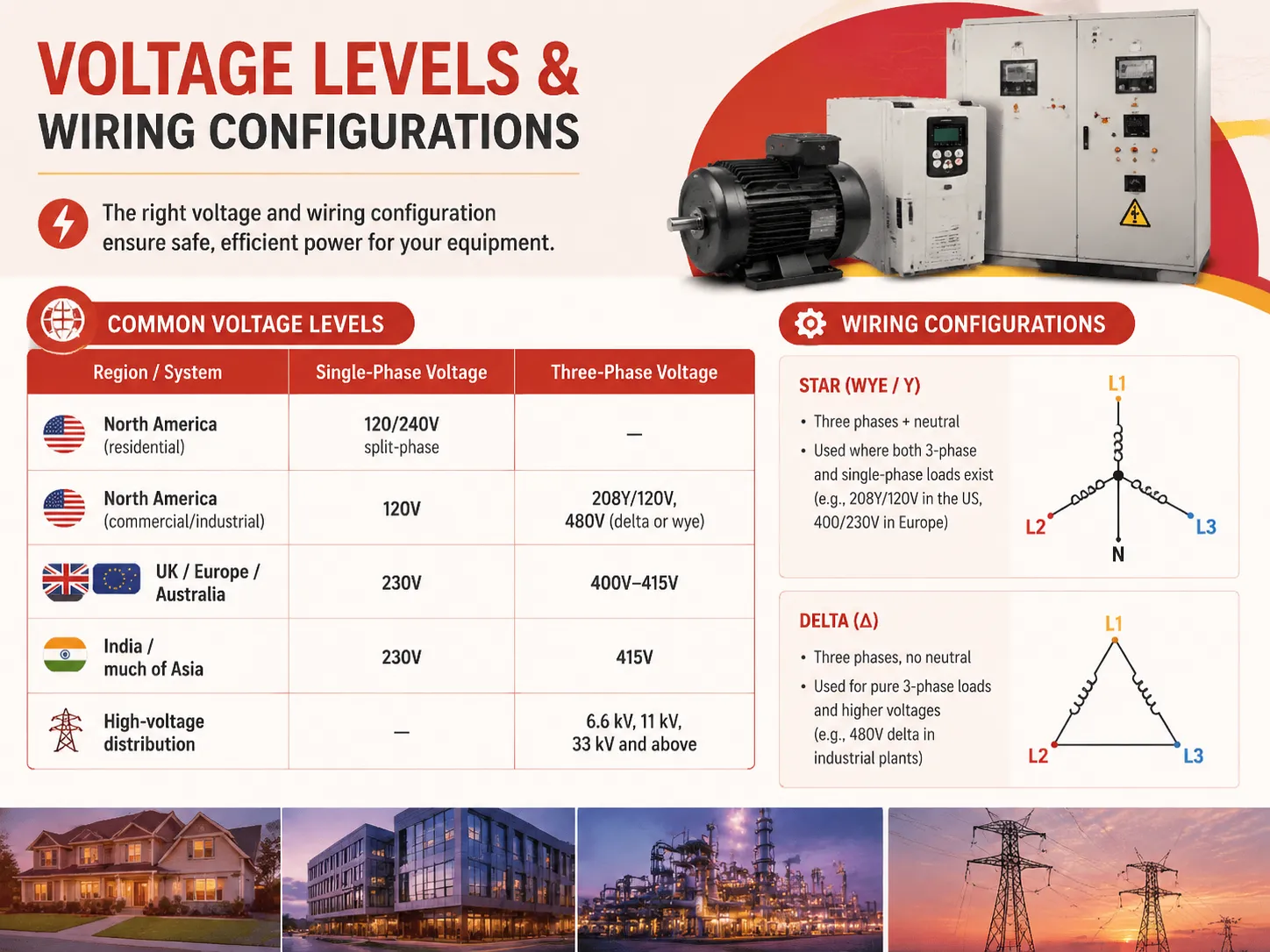
| Región / Sistema | Voltaje monofásico | Voltaje trifásico |
|---|---|---|
| Norteamérica (residencial) | 120/240V bifásico | — |
| Norteamérica (comercial/industrial) | 120V | 208Y/120V, 480V (delta o estrella) |
| Reino Unido / Europa / Australia | 230V | 400V–415V |
| India / gran parte de Asia | 230V | 415V |
| Distribución de alta tensión | — | 6 kV, 11 kV, 33 kV y superiores |
Existen dos configuraciones conocidas de los sistemas trifásicos:
- Estrella (Y o Wye): Tres fases junto con un neutro. Adecuado para aplicaciones con cargas trifásicas y monofásicas (por ejemplo, 208Y/120V en EE. UU. y 400/230V en Europa).
- Delta: Tres fases sin neutro. Aplicado en casos de cargas puramente trifásicas y cuando hay altos voltajes (por ejemplo, 480V delta en la industria manufacturera).
Si está determinando qué interruptores y polos necesita su servicio, nuestra guía sobre Interruptores de circuito de 1 polo vs 2 polos explica cómo el conteo de polos se relaciona con la configuración de voltaje y fase en la práctica.
Eficiencia: Por qué gana el trifásico para motores
En términos de aplicaciones de trabajo, la principal diferencia entre motores depende de la noción de motores trifásicos. El motor trifásico tiene propiedades como:
- Genera un campo magnético rotatorio constante, permitiendo una operación de torque suave y sin sacudidas.
- Funciona aproximadamente 3%–5% más eficientemente (con tasas de eficiencia de alrededor de 90%-96% comparado con 85%-90%).
- Opera a temperaturas más bajas y es considerablemente más silencioso.
- Tiene capacidad de autoarranque.
- Puede diseñarse en varios tamaños: desde pequeño (fracción de caballo de fuerza) hasta extremadamente grande (más de 10,000 caballos de fuerza).
El costo de instalación de este tipo es alto, pero se amortiza a largo plazo para las fábricas.
Dónde se usa cada sistema
El monofásico es adecuado para:
- Casas y departamentos
- Tiendas de comestibles, pequeños negocios y restaurantes sin motores pesados.
- Circuitos de iluminación y electrodomésticos básicos.
- Pequeños equipos HVAC que pueden manejar hasta 5 toneladas o menos.
- Cualquier sitio con menos de 15-20 kW de carga total.
Trifásico es adecuado para:
- Fábricas y empresas manufactureras.
- Centros de datos y edificios comerciales.
- Motores que superan los 5 HP, bombas, compresores, transportadores y herramientas CNC.
- Ascensores, grandes sistemas HVAC y cocinas industriales.
- Granjas solares, centros de carga para vehículos eléctricos e instalaciones de almacenamiento de energía.
- Cualquier organización que pueda requerir más electricidad en el futuro.
Comparación de costos: costos de instalación y operación
El costo es donde la mayoría de los compradores se confunden, así que seamos específicos. El trifásico cuesta más inicialmente pero puede costar menos por unidad de energía entregada en cargas altas.
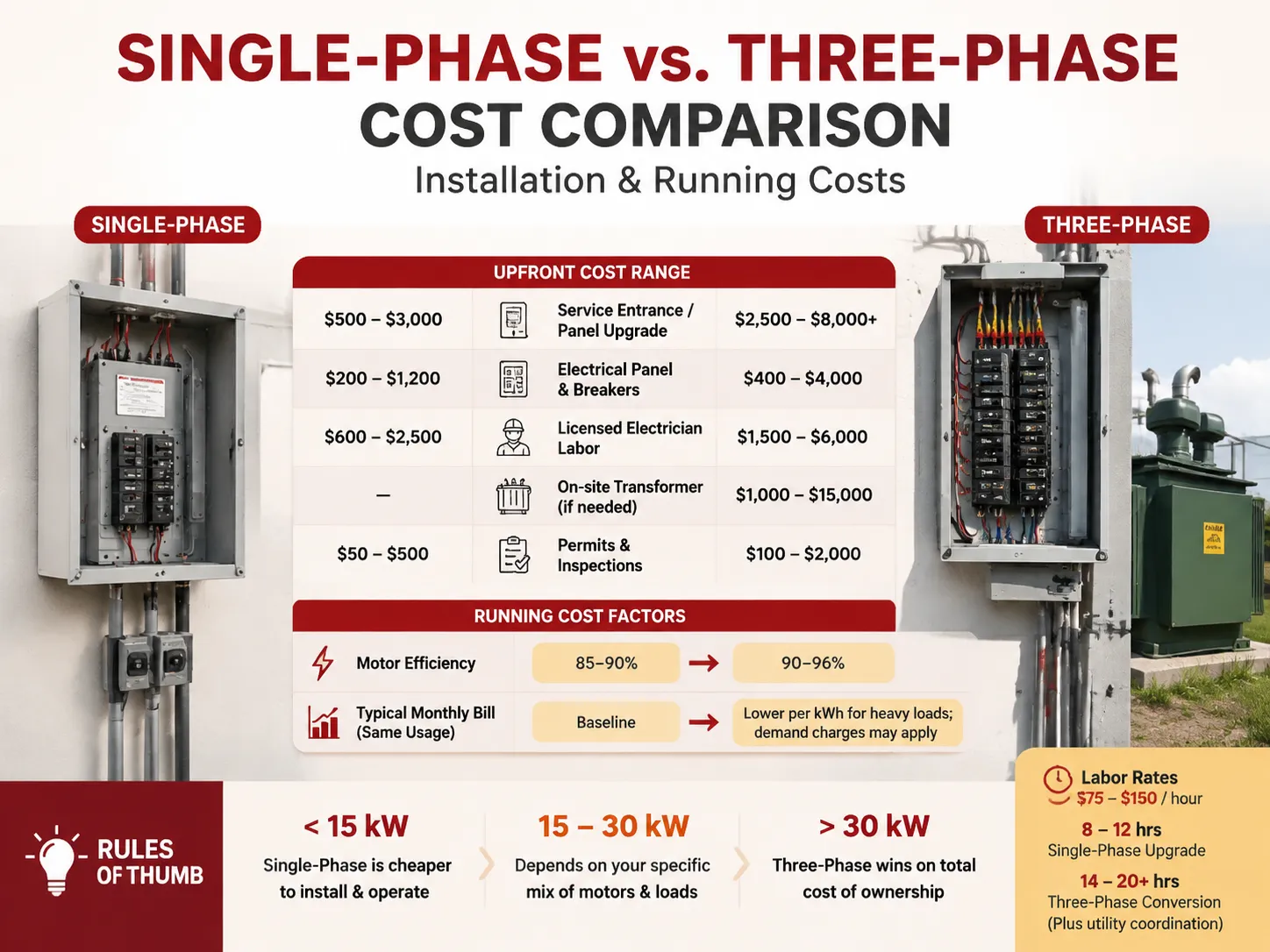
| Ítem de costo | Monofásico | Trifásico |
|---|---|---|
| Entrada de servicio / actualización de panel | $500–$3,000 | $2,500–$8,000+ |
| Conversión completa de monofásico a trifásico | — | $3,500–$25,000 (incluye transformador, panel, mano de obra) |
| Panel eléctrico y breakers | $200–$1,200 | $400–$4,000 |
| Mano de obra de electricista autorizado | $600–$2,500 | $1,500–$6,000 |
| Transformador en sitio (si es necesario) | — | $1,000–$15,000 |
| Permisos e inspecciones | $50–$500 | $100–$2,000 |
| Eficiencia del motor | 85–90% | 90–96% |
| Factura mensual típica (mismo patrón de uso) | Línea base | Menor costo por kWh entregado para cargas pesadas; pueden aplicarse cargos por demanda |
El resultado del análisis de costos puede ayudar a algunas estimaciones útiles: entre 15 kW y 30 kW, puede tener sentido optar por tecnología trifásica, y para cargas inferiores a 15 kW usar monofásico. Si necesitamos comparar el costo del servicio eléctrico, descubrimos que varía desde $75 por hora hasta $150 para las tarifas de mano de obra más caras. El reemplazo del servicio monofásico usualmente toma de 8 a 12 horas, mientras que el proceso de reemplazo del servicio trifásico requiere de 14 a 20 horas; además, otra cosa que a menudo se necesita es la cooperación con la compañía de servicios públicos para la preparación de un modelo adecuado para el suministro eléctrico.
Cómo decidir cuál necesita
Los siguientes pasos pueden guiarlo para llegar a la conclusión correcta:
- Consulte la placa de características del motor o la máquina. En caso de que indique “solo 3 fases” necesita tener suministro trifásico sin discusión, lo que significa que tener un convertidor de fase es una buena pero no económicamente viable alternativa a largo plazo.
- Sume la carga total. Si la carga está por debajo de 15-20 kW y los motores no superan los 5 HP, el monofásico es aceptable, pero en caso de que la carga total supere los 30 kW o varios motores de alta potencia deban ser alimentados, entonces se debe usar suministro trifásico.
- Pregunte qué motor va a instalar. Esté preparado para implementar suministro eléctrico trifásico si el motor supera los 5-10 HP debido a eficiencia, disponibilidad y precio.
- Analice las posibilidades de desarrollo futuro. Si la empresa piensa en adquirir nuevos equipos como máquinas, cargadores y sistemas HVAC en un futuro cercano, tener suministro trifásico puede ahorrar mucho dinero en comparación con la instalación de un suministro eléctrico completo.
- Investigue las posibilidades de suministro eléctrico. Es necesario verificar las opciones disponibles ofrecidas por la compañía eléctrica en el distrito antes de presupuestar y decidir sobre el proyecto.
¿Puede convertir de monofásico a trifásico?
Existen dos maneras:
- La actualización del servicio de la compañía eléctrica implica contactar a su empresa suministradora para establecer un servicio trifásico en su propiedad. El costo puede variar entre $3,500 y $25,000 dependiendo de la distancia de la línea trifásica más cercana, los tamaños de su servicio, los transformadores que deben instalarse y las normativas de su área. Este método es la opción correcta a largo plazo para cargas industriales pesadas.
- Los convertidores de fase incluyen convertidores rotativos y estáticos, que permiten el uso de máquinas trifásicas a partir de una fuente de alimentación monofásica. Este método se aplica en algunos casos y es menos eficiente, aunque los motores de gran tamaño pueden requerir alguna reducción de potencia.
Selección de interruptores y equipos de conmutación para cada sistema
Cuando determine su tipo de suministro, su equipo de protección debe corresponder con él. El equipo para conexiones trifásicas deberá estar equipado con interruptores ya sea de tipo de tres o cuatro polos, por lo que deben existir interruptores automáticos trifásicos y los paneles adecuados según la clasificación de voltaje. No debe reutilizarse equipo destinado a sistemas monofásicos. Los siguientes puntos son importantes para recordar:
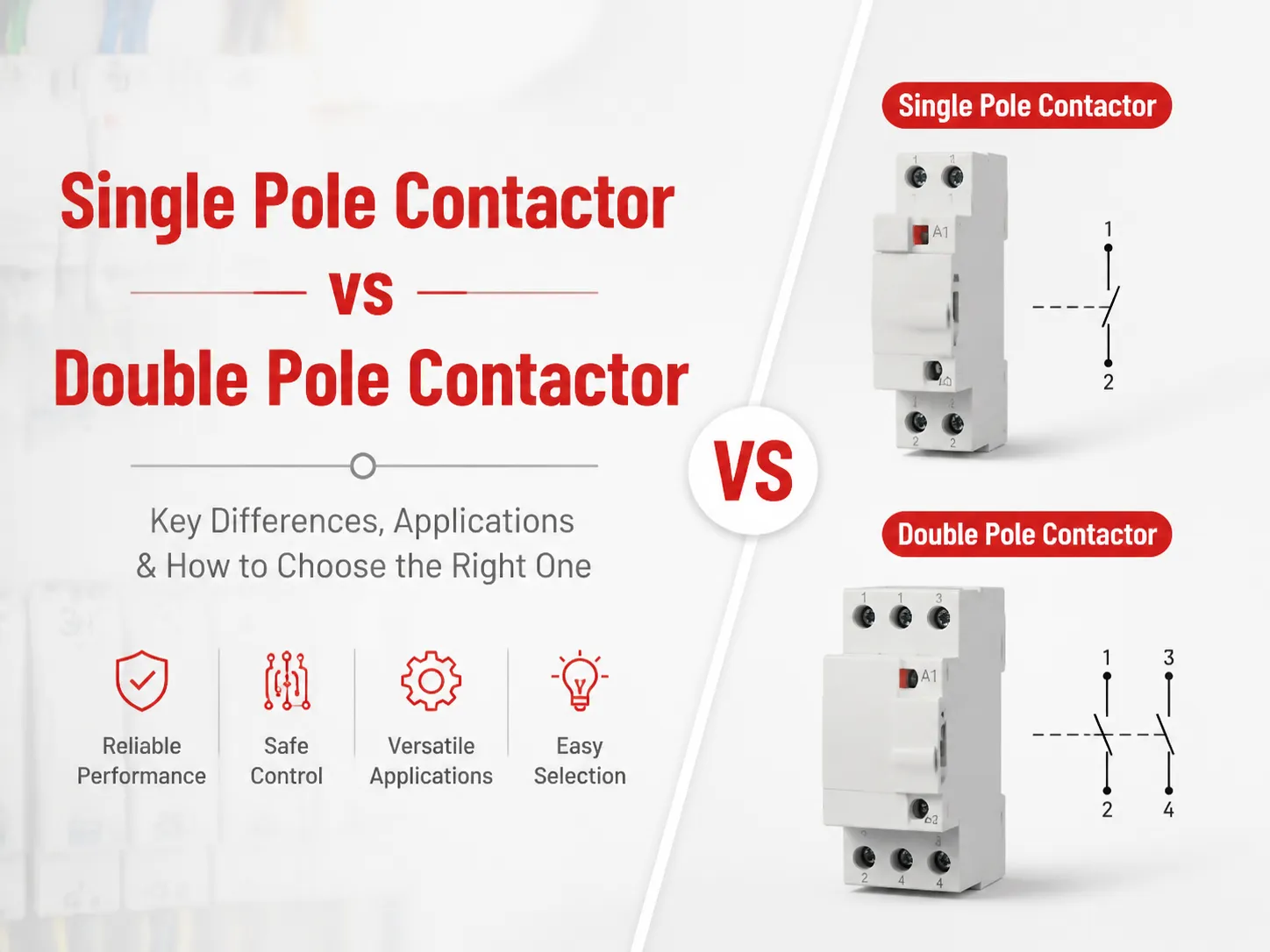
- En el caso de dispositivos monofásicos, se utilizan interruptores de 1 polo (120 voltios) y de 2 polos (240 voltios).
- El equipo trifásico deberá usar interruptores de 3 polos (con un cuarto polo en caso de sistemas con neutro) clasificados según el voltaje del sistema.
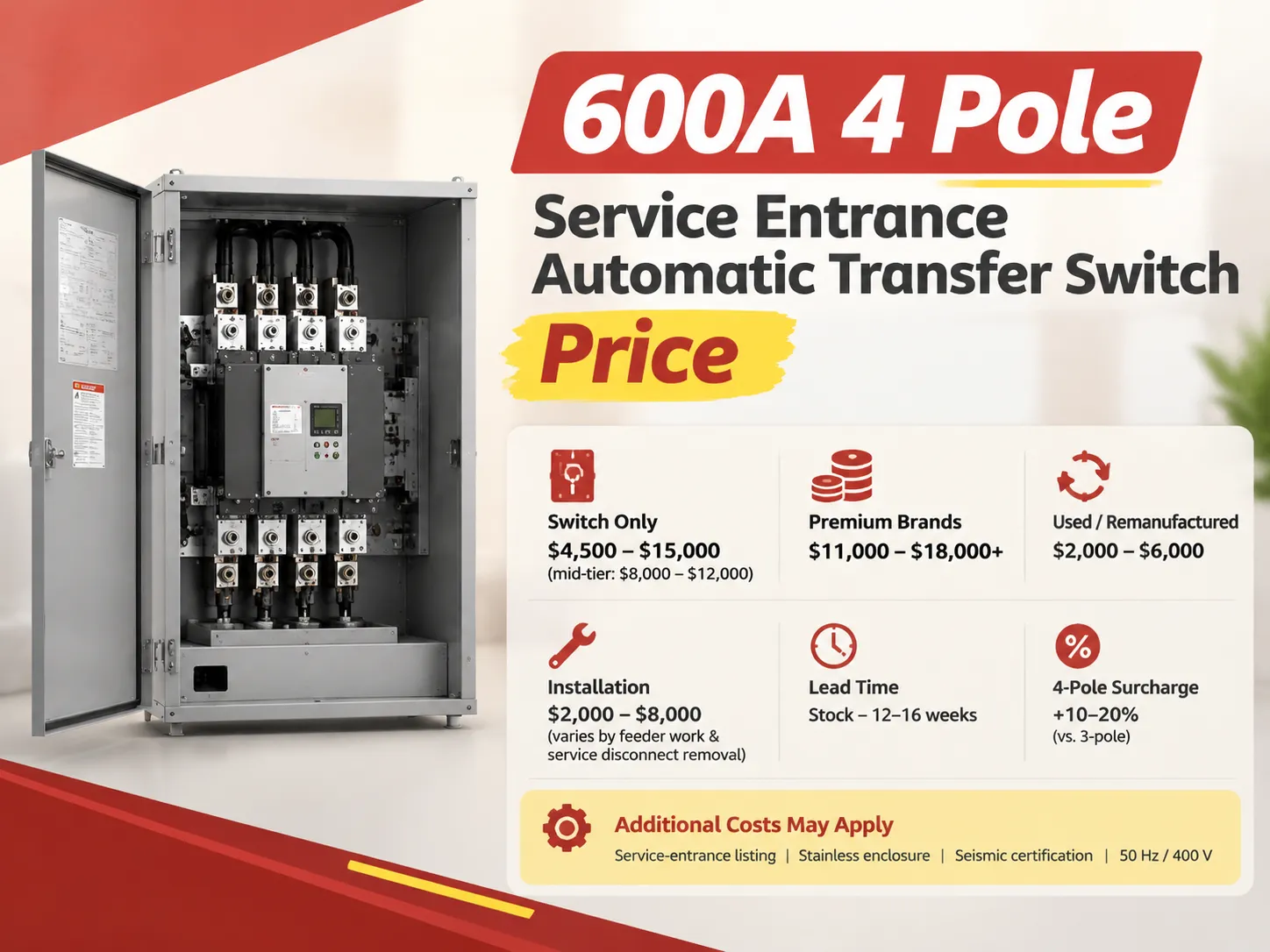
- Los generadores y los interruptores automáticos deben coincidir; no puede usarse un ATS monofásico para conmutar un suministro trifásico y viceversa. Existen diferentes tipos de equipos para separar fases.
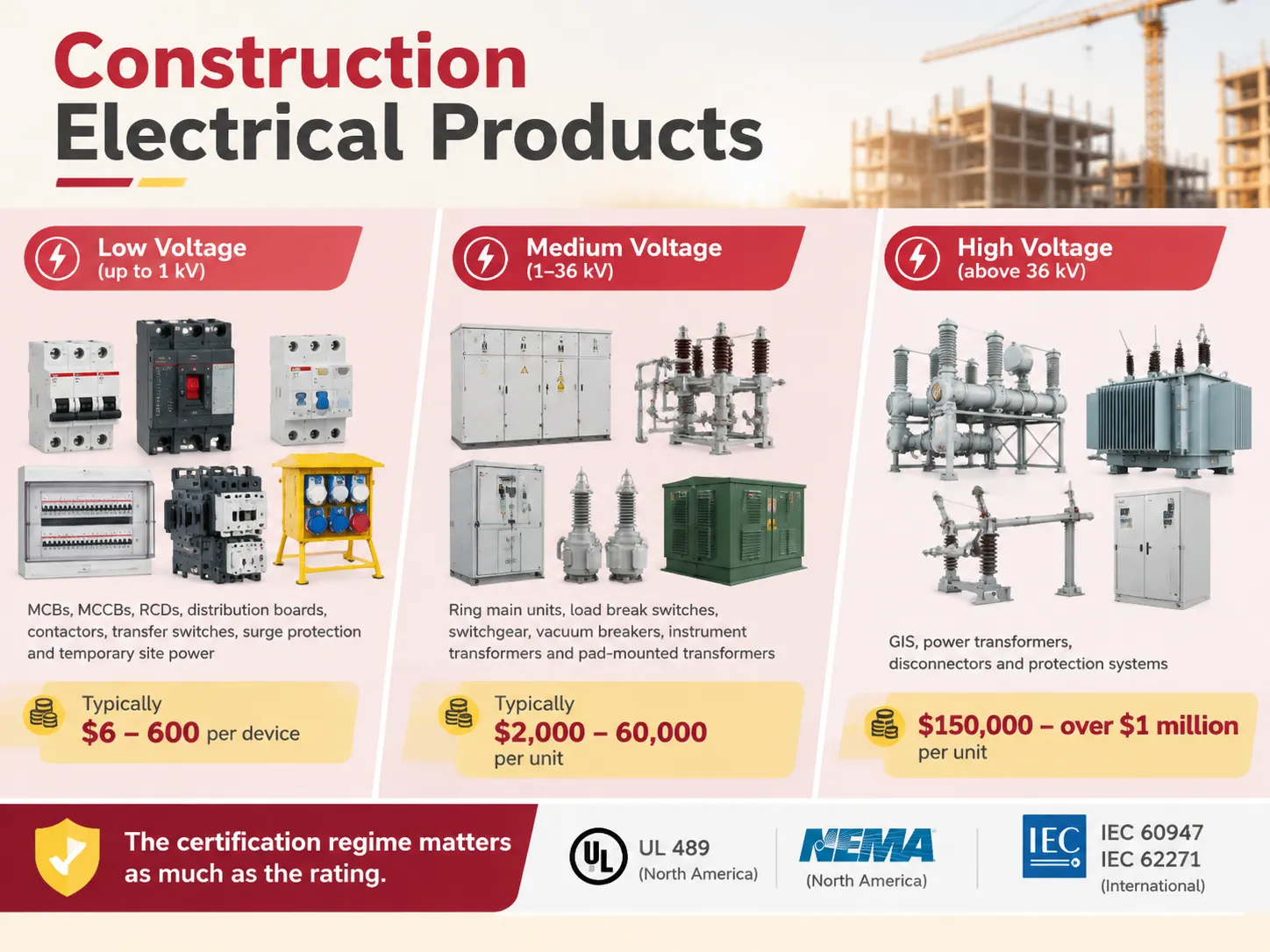
- El equipo de conmutación debe estar certificado según los requisitos de las normas IEC y UL.
Al construir un sistema de distribución eléctrica, proporcionar el equipo adecuado de interrupción y conmutación desde el principio evitará errores en el proceso. Un buen punto de partida es nuestro guía MCB vs MCCB, que explica cómo diferentes clases de interruptores protegen distintos niveles de carga en sistemas monofásicos y trifásicos.
Preguntas Frecuentes
¿Es 220V monofásico o trifásico?
Cuando hablamos del término 220V, podemos referirnos a uno de dos voltajes. En primer lugar, en la mayoría de los países fuera de Norteamérica, el voltaje estándar de fase es de 220-230V entre vivo y neutro. Sin embargo, la fase A a menudo se considera simplemente como el voltaje entre fases de un sistema trifásico; por ejemplo, en el caso de voltaje tipo delta disponible en instalaciones antiguas a 220V, y en el caso de conexión estrella con un voltaje típico de 380/220V, donde la corriente de fase es igual al voltaje fase-neutro. Para definir el tipo de voltaje, simplemente cuente el número de conductores: 2 cables (vivo y neutro) indican configuración monofásica, mientras que 3 o 4 cables (3 fases + neutro opcional) significa que el sistema es trifásico.
¿Es mejor trifásico o monofásico?
It actually depends on your usage. For homes and small stores of 15-20kW, a single-phase system is easier and cheaper to operate and is perfectly sufficient. However, for factories, workshops, and commercial buildings, as well as data centers, and for installations with motors larger than 5 HP or a total load higher than 30kW, a three-phase system is preferable because it is much more energy-efficient (90-96% vs 85-90% for motors) and also ensures stable power delivery and smoother operation with less vibration and at lower prices.
Is 240V single-phase or 3 phase?
In North American households, 240V is mostly a single-phase power supply (i.e., the well-known 120/240V split-phase power supply with its center-tapped transformer). However, 240V can also be a three-phase power supply in certain systems (for instance, 240V delta three-phase supply employed with various industrial components, or 240V phase-to-phase voltage of the 415/240V wye supply). To find out which type of 240V system you are working with, count the number of wires at the terminals of the equipment and examine the panel setup.
What are the disadvantages of three-phase power?
Cost and difficulty are the two major drawbacks: three-phase services cost significantly more to set up (service upgrade costs are from $3,500 to $25,000, which includes charges for transformers and workers), and require more wires, a bigger panel, three-pole breakers, and more complicated installation. Not all regions have three-phase electricity supplies, meaning that you are effectively paying for power you will not be using if your loads are small. Some energy providers can charge fees for the supply of three-phase electricity; also, the fault current level is much higher so your protection devices must be rated appropriately, namely according to their AIC rating.
Referencias
- NFPA 70 — National Electrical Code (NEC), Articles 220 & 430: Branch circuit, feeder, and motor calculations
- IEEE Std 141 — IEEE Recommended Practice for Electric Power Distribution for Industrial Plants
- NEMA MG 1 — Motors and Generators: efficiency and application standards
- IEC 60038 — IEC standard voltages
- Universal Technical Institute — Single vs. Three-Phase Power: Key Differences and Best Uses
- Enginist — Single-Phase vs Three-Phase: Engineering Comparison & Cost Analysis
- LatestCost — Three-Phase vs Single-Phase Electricity Cost Comparison 2026
Conclusión
Single-phase power and three-phase power are not simply two ways of using electricity; each one is useful for different applications. Single-phase power is inexpensive, easy to use, and adequate for homes and light commercial activities with up to 15-20 kilowatts of electricity. Three-phase power is a source of constant energy, which is 1.73 times more power at the same level of current than single-phase electricity, requires little energy to run motors, runs engines smoothly, and has no limits in the amount of energy it distributes; due to that, it is widely used in power-intensive enterprises like factories or data centers, although they have to invest more initially.
Just choose a way to figure this out based on checking the nameplates of your equipment and determining your real load requirements and expected expansion. And when it’s time to choose your protective gear such as breakers, panels or transfer switches depending on the power supply you decide to use, HUYU Global offers you controlled MCB, MCCB, and RCCB devices as well as single-phase and three-phase automatic transfer switches depending on the IEC standards.