
Vender artículos eléctricos no es lo mismo que manejar su instalación. Mientras que al pasar de la venta minorista a la fabricación de artículos eléctricos, los minoristas no abandonan sus prácticas comerciales. El éxito de un minorista eléctrico depende de una cadena de suministro efectiva que pueda reunir tres factores cruciales necesarios para el desempeño empresarial hoy en día. Por lo tanto, esta guía aclara el concepto de “servicios eléctricos minoristas”, las principales empresas que operan en la industria eléctrica, sus respectivas funciones y la forma de evaluar a los proveedores de equipos eléctricos minoristas.
En resumen, el servicio eléctrico minorista incluye todos los servicios que los distribuidores pueden proporcionar al minorista, es decir, la compra de productos de baja tensión, documentos y certificados para el cumplimiento de los productos que la empresa produce, asistencia de soporte técnico, capacitación de sus empleados minoristas, fabricación de productos con marca propia, dropshipping y venta por comercio electrónico, recepción de reclamaciones de garantía y cumplimiento de RMA, y todo tipo de condiciones de crédito convenientes y descuentos. Hay 3 niveles en el mercado: fabricantes, como Schneider, ABB, Siemens, Eaton, Legrand, Hubbell, Leviton, y fabricantes certificados de marcas, como HUYU, mayoristas (Sonepar, Rexel, Wesco, Graybar, CED, Border States, y empresas MRO, como Grainger y Fastenal), y participantes de comercio electrónico, donde se espera que el minorista coordine a todos los participantes y asegure el suministro de los productos de mayor rotación del proveedor adecuado.

¿Qué servicios necesita realmente un minorista eléctrico?
Si se elimina la publicidad, una tienda minorista eléctrica requiere nueve servicios de sus proveedores:
| Servicio | Lo que significa en la práctica | Por qué decide el margen |
|---|---|---|
| Suministro confiable de productos | Disponibilidad de stock en los SKU que los clientes solicitan semanalmente, con plazos de entrega razonables | Una falta de stock es una venta perdida que el cliente realiza en otro lugar |
| Certificación y autenticidad | Certificados UL/IEC/CE, informes de prueba y producto genuino (no falsificaciones) | Un interruptor falso puede costarle a un minorista una cuenta, o peor |
| Soporte técnico | Respuestas sobre clasificaciones, compatibilidad y preguntas de código — por teléfono, chat o un representante que conozca el producto | La ayuda técnica convierte una cotización en una compra |
| Capacitación del personal | Capacitación en productos para el personal de mostrador y equipos de ventas, idealmente en persona o en línea | El personal que puede explicar un producto vende más de él con margen completo |
| Marca privada / OEM | Productos de marca propia fabricados según especificaciones, con embalaje y documentación | La marca privada es donde los minoristas construyen un margen defendible |
| Kits y valor agregado | Kits preensamblados (kits de panel, paquetes listos para vehículos eléctricos, conjuntos de iluminación) y etiquetado personalizado | Los kits aumentan el valor de la cesta y reducen las devoluciones |
| Integración digital | EDI, feeds de datos de productos, imágenes y capacidad de dropshipping para el canal de comercio electrónico del minorista | Los datos precisos son la diferencia entre una venta en línea y una devolución |
| Garantía y RMA | Una política clara de devoluciones, manejo de DOA y soporte para fallas en campo | La fricción en las devoluciones destruye el negocio recurrente |
| Crédito y reembolsos | Términos, descuentos por volumen, fondos de marketing cooperativo y acuerdos de rotación de stock | El capital de trabajo y los ingresos por descuentos suelen ser la verdadera ganancia del minorista |
Cada servicio es relevante para el tipo de negocio que maneja el minorista. Un minorista enfocado en hacer negocios a través de contratistas necesita asegurar una buena disponibilidad de productos y alta asistencia técnica. En el caso de un minorista en línea, depende de la calidad de la información disponible, dropshipping y estrategia de precios. Una cadena minorista regional, que se apoya en su marca, utiliza etiqueta privada y procesos de certificación.

Panorama del suministro eléctrico de un vistazo
Un minorista exitoso se abastece de las tres capas de la industria:
| Capa | Quién | Lo que hacen mejor | Posición típica de precio |
|---|---|---|---|
| Fabricantes | Schneider Electric, ABB, Siemens, Eaton, Legrand, Hubbell, Leviton, Southwire y productores globales certificados como HUYU | Innovación de producto, certificaciones, atracción de marca, documentación técnica | Premium (marca reconocida) a valor (OEM certificado) |
| Distribuidores | Sonepar, Rexel, Wesco, Graybar, CED, Border States, Winsupply; MRO: Grainger, Fastenal | Stock local, crédito, entrega, servicio combinado, autorizaciones OEM | Precio al por mayor menos margen del distribuidor (los minoristas típicamente venden con un margen bruto del 24-30%) |
| Canales en línea / catálogo | Portales de comercio electrónico de distribuidores, Amazon Business, Zoro, vendedores web regionales | SKUs de cola larga, comparación rápida de precios, dropship | Transparente, competitivo en precio, soporte delgado |
Los minoristas que evitan la segunda y tercera capa incurren en costos innecesarios al adquirir productos estándar, mientras que aquellos que evitan la primera capa corren el riesgo de perder el respeto de los contratistas.
Los fabricantes: quién fabrica qué
Cuatro empresas dominantes controlan la capa de fabricación de marca:
- Schneider Electric (Francia) — ofrece la gama más amplia de baja tensión, con la marca Square D para hogares y productos de alta gama para comercio e industria.
- ABB (Suiza, Suecia) — se especializa en interruptores automáticos industriales, variadores y la serie Tmax MCCB; también cuenta con las marcas Thomas & Betts y GE Industrial Solutions en Norteamérica.
- Siemens (Alemania) — posee una profunda experiencia en ingeniería que abarca residencial e industrial, complementada con fuertes soluciones de digitalización y automatización.
- Eaton (Irlanda, EE. UU.) — fabricante del ecosistema de paneles residenciales BR/CH y protección comercial/industrial con una impresionante base instalada de compatibilidad de productos.
- Legrand, Hubbell, Leviton — involucrados en cableado eléctrico, envolventes de energía y dispositivos residenciales/comerciales; además, Leviton tiene una ventaja en interruptores inteligentes y tecnologías conectadas.
Subyacente a esta capa está la capa de valor certificado que comprende fabricantes en China y otros lugares que ofrecen los mismos productos conformes a IEC/UL a un precio 20-45% inferior. Aquí es donde HUYU, fundada en 1989 y que recibe asistencia técnica de la empresa conjunta con Eaton, trabaja y produce interruptores automáticos miniatura, MCBs, interruptores moldeados y de aire, contactores, relés, transformadores de instrumentos, protectores contra sobretensiones y cajas combinadoras fotovoltaicas certificadas como productos UL, KEMA, TUV, CE, CB e IEC. La fortaleza de la empresa radica en la producción eficiente (producción automatizada con pruebas y trazabilidad del producto) y el precio, mientras que su debilidad es el reconocimiento de marca: los minoristas deben promoverla por su cuenta. Para un minorista que construye una colección de productos desde barato hasta caro, ese es el papel exacto para este tipo de productor.
La cuestión de certificación que decide si un interruptor de valor puede estar junto a uno premium en su estante se explica en nuestro guía de interruptores UL 489.
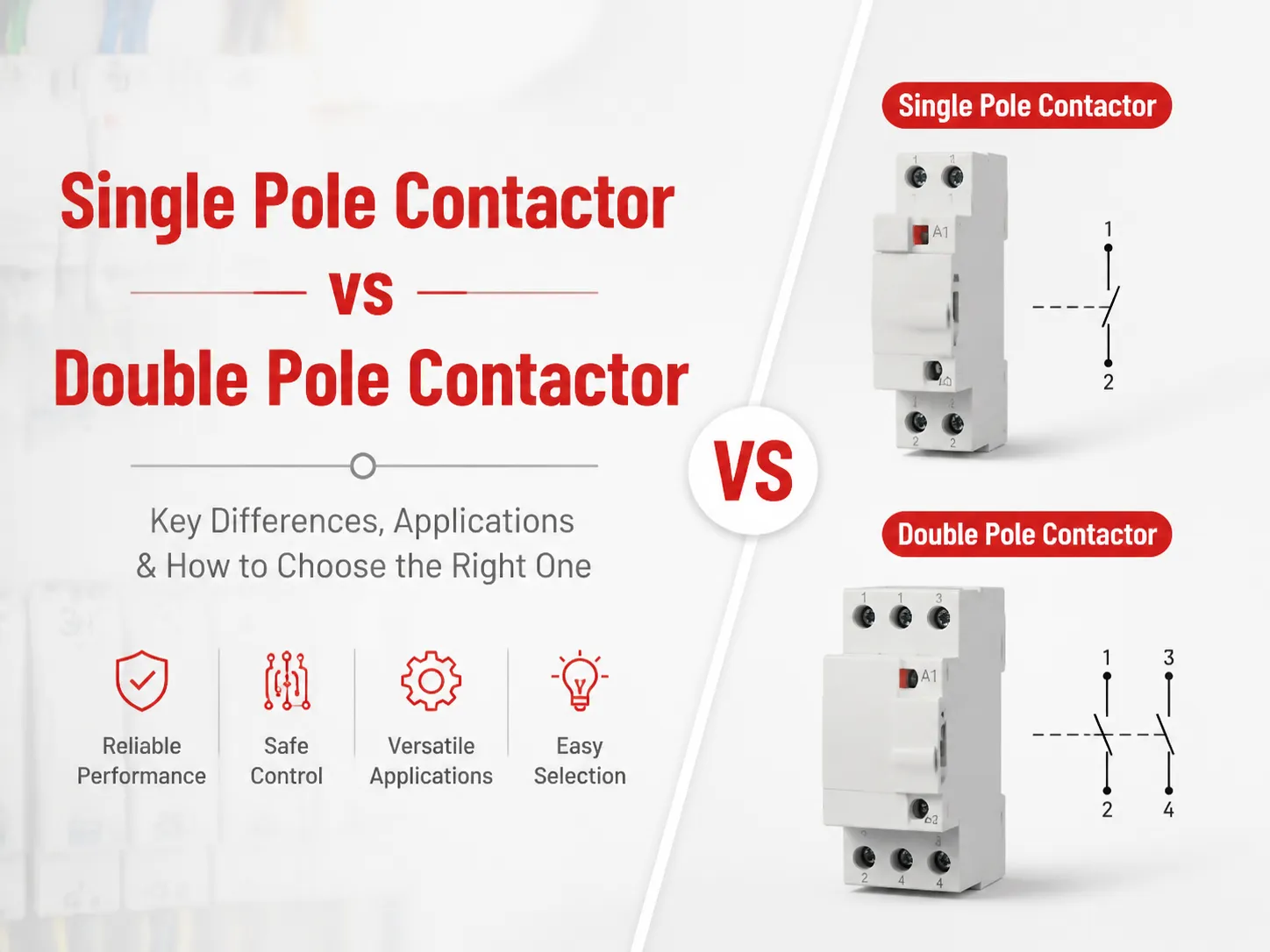
Y la amplitud de especificaciones que un minorista necesita almacenar — las decisiones cotidianas que los clientes preguntan en el mostrador — se ilustra con la elección entre polo simple y polo doble cubierta en nuestro guía de conteo de polos de interruptores.
Los distribuidores: quién mueve el volumen
Los distribuidores son en realidad los verdaderos proveedores para los minoristas debido a la gran diferencia en escala.
| Distribuidor | Escala (ingresos recientes) | Modelo y fortalezas |
|---|---|---|
| Sonepar | ~$32B+ a nivel mundial (el más grande a nivel mundial) | Grupo privado francés; presencia global, autorizaciones OEM profundas, redes de sucursales locales |
| Rexel | ~$22B | Segundo más grande a nivel mundial; fuerte presencia en EE. UU. (Rexel USA, Mayer Electric) |
| Wesco International | ~$23.5B | Distribuidor más grande con sede en EE. UU. después de la adquisición de Anixter; enfoque industrial, de servicios públicos y centros de datos |
| Graybar | ~$12.9B | Propiedad de los empleados; el referente para contratistas y servicios públicos en toda América del Norte |
| CED (Distribuidores Eléctricos Consolidados) | ~$8B, más de 700 sucursales | El distribuidor privado más grande de EE. UU. por número de sucursales — la densidad es su arma |
| Border States | ~$4B+ | Distribuidor multirregional propiedad de empleados, clasificado como el sexto más grande en EE. UU. |
| Grainger / Fastenal / Motion / Winsupply | $8-18B cada uno (MRO e industrial) | Canales de suministro MRO, MRO-vending e industrial que cada vez se superponen más con el comercio minorista eléctrico |
No solo proporcionan al minorista el producto; también suministran el suministro OEM requerido (autorizaciones como las de Eaton, Schneider, ABB, Siemens, Square D, Hubbell, nVent, Legrand ayudan a los minoristas a atender a sus clientes más lucrativos y a gestionar reembolsos), créditos y condiciones, entrega local e ingresos cooperativos que frecuentemente financian los gastos publicitarios del minorista. Las debilidades clásicas son catálogos digitales deficientes y, en algunos casos, comercio electrónico lento, razón por la cual los canales en línea tomaron el control de la larga cola.
La capa de valor: de donde provienen la marca privada y el margen
Cada comerciante enfrenta el mismo dilema: si las marcas líderes son accesibles para cualquiera con identificación fiscal, ¿dónde se diferencia? La respuesta para la industria en cuestión es la marca privada y las marcas de valor, lo que implica confiar en fabricantes certificados en lugar de distribuidores.
Al elegir un buen fabricante de valor, un minorista recibe cuatro cosas que un intermediario no puede proporcionar: su propia marca en el producto, una estructura de costos capaz de soportar la competencia de precios, embalaje y documentación personalizados para el mercado, y contactos técnicos directos con los fabricantes del producto. Lo mismo aplica para las desventajas — MOQ, tiempos de envío más largos y la necesidad de verificar la certificación y calidad por cuenta propia. La herramienta adecuada es el proceso de calificación del proveedor, no un salto de fe.
Hay dos categorías ideales de marcas privadas para los minoristas de productos eléctricos. Primero, interruptores automáticos y dispositivos de protección — alta repetición de compra, fuerte demanda de contratistas y un panorama de certificación que se puede verificar. Segundo, dispositivos de cableado, donde la demanda minorista es constante y la diferenciación del producto es tangible para el cliente; las tendencias que moldean esa categoría, desde enchufes con USB integrado hasta interruptores conectados, son visibles en la cobertura de mercado del fabricante de dispositivos de cableado igotoele, cuya guía para enchufes de pared USB y tomas de carga rápida muestra exactamente las características del producto que los minoristas ahora reciben en el mostrador.
Precios, márgenes y reembolsos: la economía minorista
La fijación de precios minoristas en el sector eléctrico opera según una fórmula estándar:
| Nivel | Economía típica |
|---|---|
| Manufacturer to distributor | Wholesale pricing with volume tiers; distributor gross margin target 24-30%+ |
| Distributor to retailer/contractor | Trade pricing, often 10-25% below list; rebate and co-op funds negotiated annually |
| Retailer to end customer | List or promotional price; typical gross margin 25-40% depending on category (wiring devices higher, commodity cable lower) |
| Value manufacturers | Landed cost 20-45% below premium brands for equivalent certified specification — the room that makes private label profitable |
The real profit in the sector does not come from markups. Rather profit is made from rebates. Distributors and manufacturers provide various rebates such as volume rebates, growth incentives, cooperative advertising funds, and retailers who do not take into account rebate income are giving up their profits. Therefore, it is advisable to get the exact rebate schedule from every supplier in writing before committing to the purchasing plan for the year.

How should a retailer choose a supplier?
There are six checks to make sure that a supplier generates value for a retailer instead of minimizing it:
- Check for certification and authenticity before placing your first order. Ask to see the certification for the exact model and the reliability testing reports along with asking about how they prevent counterfeit and gray-market products from coming to your marketplace.Breaker compatibility questions come up constantly at the counter, and getting the brand-family logic wrong sends customers back angry — the Eaton and Cutler-Hammer relationship, for example, is a daily question that our Eaton vs Cutler-Hammer guide unpacks.
- Consider assortment and not the catalog. A retailer does not need a catalogue of 40,000 SKUs; it needs the specific SKUs requested by consumers to depth. Work backward from the demand from contractors and consumers, and bear in mind that the demand evolves. For instance, in our article about trends in residential circuit breaker upgrades we wrote about the wave of panel upgrades driven by electrification and changes in codes, which is exactly the signal for making buying decisions this season.
- Assess total landed costs rather than merely unit price. Freight, duties, MOQ carrying cost, and payment terms must be taken into account. A lower-price breaker with a return rate of 15% costs more than the good one with a return rate of 2%.
- Check the tech support previously. Call the technical line with a real question from your client in the assessment period. The result of that query will predict the answer for the next five years.
- Demand for data and EDI. Product images, characteristics, GTINs – whether your e-commerce channel sells or returns, depends on the clean data you have.
- Negotiate the commercial package as a whole. Price, rebate, co-op funds, stock rotation, training, and RMA terms are one negotiation, not five. The service side often moves more profit than the price side — and for the service customers ask about most, our breaker replacement cost guide shows the end-user price context your counter staff should understand when advising on upgrades.
Preguntas Frecuentes
What do electricians normally charge per hour?
In the USA, electricians with licenses will charge anywhere from $50 to $130 per hour on average and up to $150-$200 per hour in costly cities including New York, San Francisco, and Boston; most will also charge a service call ranging from $75 to $150. Knowing average prices for electricians is important for retailers, since customers are asking for that information more often now that packages, offering both supply and installation of electrical pieces, are becoming widely popular in the market.
What are common electrical services?
Electrically linked services that customers are interested to know about include things like upgrades of electrical panels, changing of circuit breakers, mounting outlets and switches, installation of lighting systems, installations of circuits for devices and electric cars, installation of power surge protectors and safety reviews.
Who is the biggest electrical contractor?
The largest electrical contractors across North America in terms of revenue are Quanta Services, EMCOR, and MYR Group; the reference to EMCOR is essential as it has dozens of regional subsidiaries dealing with electrical jobs in various regions across the continent. Retailers get the indirect experience of working with major contractors as they buy all products of electrical contractors through authorized dealers and distributors; this makes retailers’ qualification to cooperate with local contractors based mostly on certification of products as well as provision of technical support rather than on sales figures.
What is included in electrical services?
Electrical services presume involvement of qualified contractor through all stages of the project including designing and conduction of calculations, obtaining of permits, conducting electrical installation, performing tests on the circuit and providing after-sale services.
Referencias
- Eaton — Electrical Products and Distribution
- Schneider Electric — Low Voltage Product Portfolio
- Electrical Wholesaling — Distributor Rankings and Market Data
- NFPA — National Electrical Code
Conclusión
In the supply chain industry in retail electrical services, a business shares the same three levels as any supply chain entity that deals with certified products, technology support, and margin security. In the sense of the manufacturer, it has business reputation and certification: the world leaders Schneider, ABB, Siemens, Eaton, Legrand, Hubbell, and Leviton are the trailblazers in the electrical manufacturing industry, along with other companies that work at the same level but with lower prices. Companies such as HUYU provide the same level of compliance but at 20-45 % less price of the final product. In the field of distribution, companies such as Sonepar, Rexel, Wesco, Graybar and others provide the appropriate stock level as well as credit terms, delivery, and rebates. Online market helps cover the needs of such companies with a variety of products for every taste and budget. If a retailer checks all the necessary suppliers for compliance, suitability, landed cost of the products, technology support, information quality, etc., he can create a product range without competitors in terms of prices.