

Se você é um habitante ou funcionário de Manhattan, provavelmente sabe que o edifício foi construído antes da Segunda Guerra Mundial, as paredes são feitas de gesso, e que para o inquilino realizar reformas, um acordo de alteração deve ser assinado, assim como a Con Edison deve cessar as operações nos seus painéis. Utilizar os serviços de um eletricista nesta área difere do processo em outras partes dos Estados Unidos, onde as pessoas podem consultar sobre este assunto online. Neste artigo, você descobrirá quais empresas oferecem serviços elétricos na cidade de Nova York, quanto custa o trabalho delas, quanto tempo um projeto levaria e como escolher uma de acordo com as últimas tendências, onde cada vez mais empresas fornecem serviços elétricos juntamente com a instalação de geradores de backup.
Resposta rápida: Os preços para eletricistas em Manhattan são geralmente muito altos em comparação com as tarifas em todo o país. As tarifas no distrito geralmente variam de 95 a 160 dólares por hora, dependendo do tipo de trabalho realizado. Por exemplo, o custo médio para uma atualização regular de painel varia de 1.500 a 5.500 dólares, o preço para remediação de fiação knob-and-tube é cerca de 4.500 a 12.000 dólares por andar, e trabalhos de fiação completa custam em torno de 12.000 a mais de 30.000 dólares. Entre as empresas que fornecem serviços de eletricista aqui estão Apollo Electric, AE Electric e Davenport, ambas realizando trabalhos residenciais, bem como empreiteiros sindicalizados como IBEW Local 3 e empresas comerciais como EMCOR.
Por que Manhattan é um Mercado Elétrico Diferente
O termo de busca “empreiteiros elétricos residenciais comerciais de Manhattan” indica que os residentes estão cientes de que trabalhos elétricos em Manhattan exigem um conjunto único de condições para realizar o trabalho. Existem três aspectos principais que elevam os custos em Manhattan em pelo menos 30-45% em relação a outras áreas do Nordeste Americano, ao mesmo tempo que complicam os trabalhos.
- Registro de edifícios antigos. Edifícios antigos dominam a paisagem de Manhattan, indicando que trabalho adicional terá que ser feito para a substituição da fiação antiga, o que leva muito mais tempo em comparação com a fiação convencional.
- Aprovação do conselho do condomínio e cooperativa. A maioria dos edifícios pode exigir um acordo de alteração e aprovação do conselho antes que o trabalho elétrico seja realizado. É necessário reservar de 2 a 6 semanas para esse propósito.
- Cooperação com a Con Edison. Qualquer trabalho realizado na entrada de serviço deve ser agendado com a Con Edison, o que pode levar de 1 a 3 semanas adicionais e até 500 dólares em cobranças pela coordenação.
Deve-se também levar em consideração o pagamento exigido das tarifas salariais do IBEW Local 3 e a Licença de Mestre Eletricista do NYC DOB. Portanto, Manhattan não é um local econômico; é melhor utilizar os serviços de especialistas licenciados que possam ajudar você.

Empreiteiros Residenciais em Manhattan
O trabalho elétrico residencial em Manhattan inclui edifícios cooperativos, brownstones e casas geminadas. As principais recomendações desses profissionais na cidade são as seguintes:
| Contratante | Força | Escopo Típico |
|---|---|---|
| Apollo Electric | Licenciado desde 1995; residencial e comercial de alto padrão; serviço de emergência | Atualizações de painéis, iluminação embutida, carregadores EV, proteção contra surtos para toda a casa |
| AE Electric | Orçamentos escritos com tarifa fixa; serviço 7 dias por semana em todos os cinco distritos | Reinstalações, atualizações de painéis, carregadores EV, instalação de geradores |
| Daven Electric | Especialista residencial de longa data com fortes referências de cooperativas | Tomadas, interruptores, iluminação, painéis, atualizações de serviço |
Cada uma dessas empresas possui licença de eletricista mestre, conhecimento sobre as permissões do Departamento de Edificações e é habilitada para negociar qualquer acordo de alteração, bem como agendar elevadores de carga para seus trabalhos nos edifícios. Em caso de trabalhos menores, como troca de tomada ou luminária, os clientes devem pagar uma taxa de serviço que varia de $150 a $250 antes do preço real do serviço ser cobrado. O guia de custo para substituição de painéis elétricos explica a atualização mais comum em apartamentos antigos de Manhattan.
Empreiteiros Comerciais em Manhattan
Dois tipos de organizações são responsáveis pelo trabalho elétrico comercial — complexos de escritórios, comércios, restaurantes e edifícios de uso misto — a saber, empreiteiros sindicalizados que pertencem ao IBEW Local 3 e grandes empresas nacionais com sede em Manhattan. O Local 3 regula seus trabalhadores de acordo com as taxas de folha de pagamento sindical e programas de aprendizagem, sendo assim o requisito padrão para todos os trabalhos de tamanho considerável que devem ser realizados neste distrito.
| Contratante | Perfil | Trabalho Típico |
|---|---|---|
| EMCOR Group | Gigante Fortune 500 em serviços de instalações com forte divisão elétrica em NYC | Grandes instalações comerciais, data centers, sistemas prediais |
| Empreiteiros do IBEW Local 3 (ex.: Forest Electric, Five Star Electric) | Sindicatos signatários com ampla experiência no DOB e Con Ed | Construção de escritórios, lojas de varejo, restaurantes, trabalho em elevadores |
| Empresas licenciadas de médio porte | 20-100 eletricistas, resposta mais rápida que as grandes empresas | Fachadas de lojas, adaptações para locatários, contratos de manutenção |
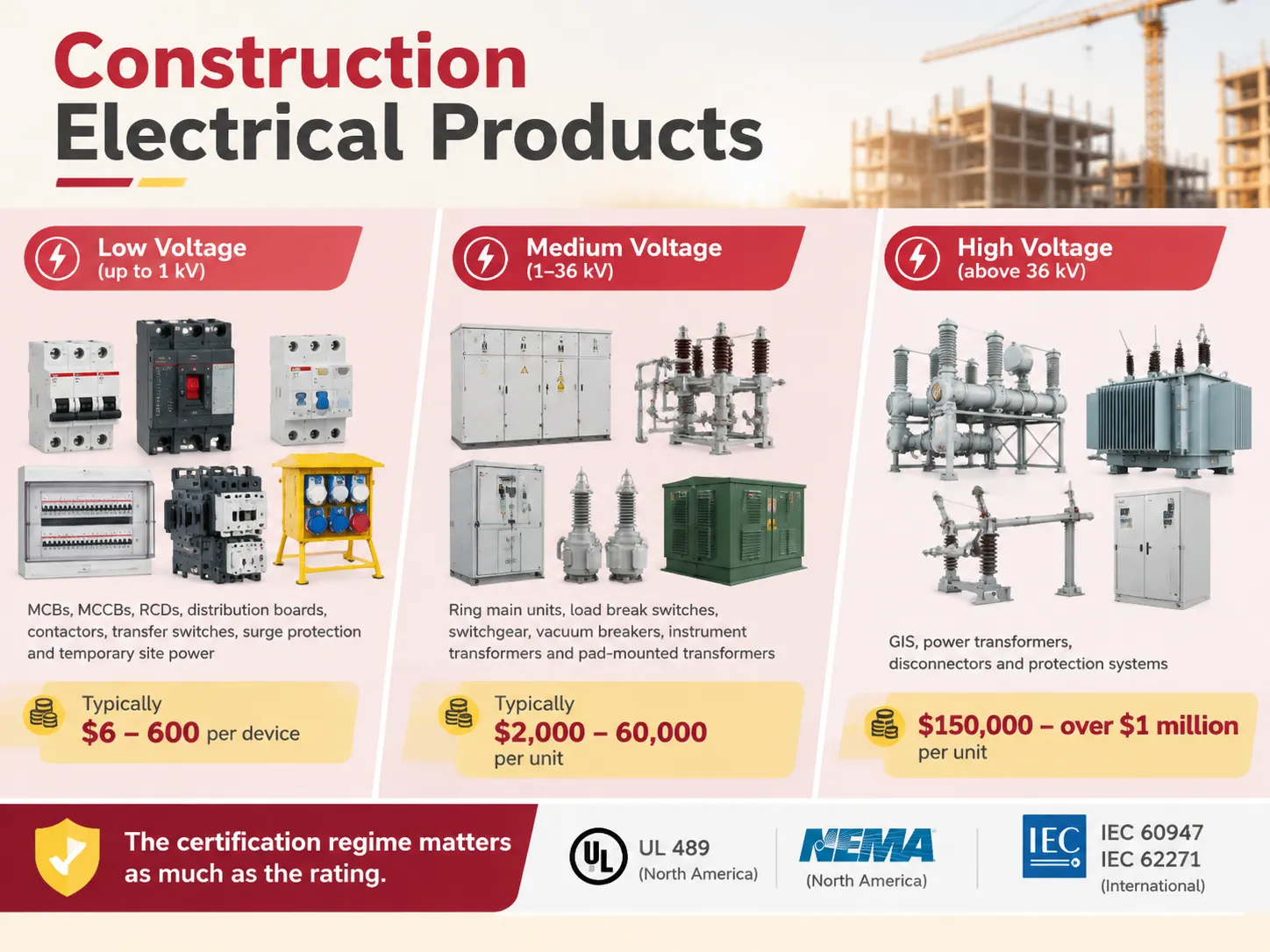
Na prática, para ocupantes comerciais, a lista desejável seria de 2 ou 3 empresas licenciadas de médio porte que possam responder a uma solicitação em alguns dias, em vez de semanas. Cada empresa candidata deve ser solicitada a fornecer projetos de referência no tipo de edifício relevante; por exemplo, se uma empresa já realizou alguns restaurantes, espera-se que conheça exatamente os requisitos do DOB e FDNY que o empreiteiro geral desconhece. Se seu projeto comercial envolve troca de painel ou disjuntor, a qualidade do componente é tão importante quanto a equipe: o guia de disjuntores UL 489 cobre o que são disjuntores certificados e por que as inspeções se preocupam com eles.
Custos de Trabalho em Manhattan (2026)
A pesquisa de mercado para 2026 acaba de ser divulgada e posiciona Manhattan como líder entre todos os distritos de NYC. O gráfico abaixo resume os preços aproximados dos trabalhos populares:
| Trabalho | Custo Típico | Faixa |
|---|---|---|
| Chamada de serviço / diagnóstico | $185 tarifa fixa | $150-250 |
| Eletricista licenciado (por hora, Manhattan) | $95/h | $71-160 (emergência $145-195+) |
| Substituição de tomada ou GFCI | $210 por tomada | $150-325 |
| Instalação de luminária | $275 por luminária | $175-450 |
| Circuito dedicado (AC, secadora, forno) | $825 por circuito | $450-1,400 |
| Atualização de painel de 100A para 200A | $3.900 fixo | $2,800-5,500 |
| Instalação de carregador EV (Nível 2) | $2.100 fixo | $1,200-3,500 |
| Reparo parcial de fiação knob-and-tube | $7.500 por andar | $4,500-12,000 |
| Reparo completo da fiação da casa | $18.500 fixo | $12,000-30,000+ |
Existem três regras básicas quando se trata de orçamento no bairro. Primeiramente, sempre obtenha um orçamento escrito detalhado, pois a melhor prática em NYC é fazer orçamentos com taxa fixa que incluam permissões e que o pagamento por hora deve ser evitado em trabalhos maiores sem qualquer estimativa escrita de “não exceder”. Em segundo lugar, verifique se as taxas DOB ($150-$800 dependendo do trabalho) estão incluídas ou não, pois muitos orçamentos não as cobrem. Por fim, é inteligente criar uma margem de 10-20% porque edifícios pré-guerra tendem a ter surpresas escondidas atrás das paredes. Para as falhas no nível do disjuntor que geram tantas chamadas de serviço, o guia de custos para substituição de disjuntores apresenta o panorama atual de preços.

Serviços de Gerador de Reserva
Como efeito das tempestades que desligam a energia de bairros inteiros, o uso de geradores aumentou muito em Manhattan, e o termo “empreiteiro elétrico com serviços de gerador” tornou-se bastante popular. Um gerador de reserva automático que alimenta residências pode ser comprado por aproximadamente:
| Componente | Custo Típico |
|---|---|
| Gerador de reserva (para toda a casa, instalado por revendedor autorizado) | $4,000-20,000 |
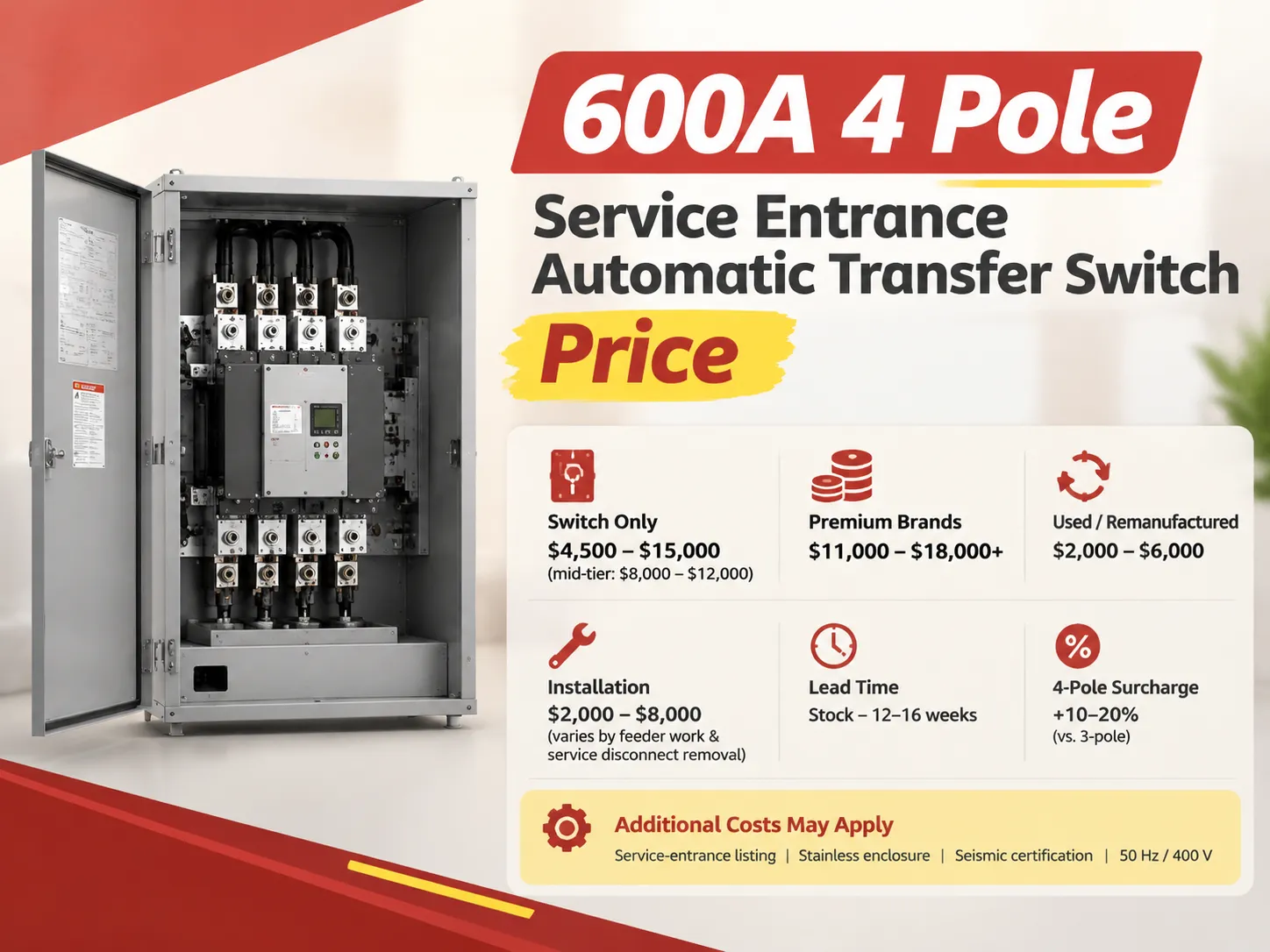
| Chave de transferência automática (ATS) | $400-3,000 |
| Permissões elétricas + de gás (combinadas) | $400-800 |
| Manutenção anual (óleo, bateria, filtros, teste de carga) | $150-600/ano |
Três pontos importantes sobre geradores em Manhattan. Primeiro e mais importante, nem todo empreiteiro elétrico oferece serviços de gerador — é importante trabalhar com um fornecedor de serviços de gerador certificado, pois isso é fundamental para a garantia. Segundo, deve-se notar que permissões elétricas e de gás e a cooperação da chave de transferência da Con Edison são necessárias para operar geradores em NYC, e qualquer empreiteiro que afirme o contrário está violando as regulamentações. Terceiro, o gerador deve ser dimensionado de acordo com um cálculo de carga e não apenas pela metragem quadrada. As regras de local úmido e de falha à terra que regem equipamentos externos também se aplicam aqui, e o Explicação do GFCI vale a pena ser lido antes de aprovar uma instalação externa.
Quanto Tempo os Projetos Levam
Em Manhattan, os prazos são determinados mais pelo processo de aprovação do que pelo trabalho em si:
- Para trabalhos pequenos (tomada, luminária e interruptor), normalmente é de 1 a 2 semanas de antecedência, com tempo no local de 1-2 horas.
- Para atualizações de painel e mudanças de serviço, o prazo será de 2 a 6 semanas no total. Tudo isso inclui o processo de aprovação pelo conselho do condomínio e o agendamento com a Con Edison. O trabalho real leva mais 1-2 dias.
- Para reparos de fiação, espere prazos de 3 a 8 semanas com base nos andares e requisitos de acessibilidade, sendo as primeiras semanas dedicadas ao processo de aprovação.
- Para uma instalação de gerador, espere gastar de 4 a 10 semanas aguardando as permissões, o trabalho de gás e o trabalho da concessionária serem agendados.
Não hesite em pedir a um empreiteiro que coloque por escrito o que está prometendo antes de assinar qualquer coisa. Um empreiteiro que diz que refazer a fiação de um apartamento pré-guerra levará algumas semanas ou nunca fez esse tipo de trabalho ou está mentindo.
Como Escolher o Empreiteiro Certo
A lista de verificação para contratar a empresa de empreiteiros certa em Manhattan e não cometer erros:
- Certifique-se de verificar a licença com o DOB BIS. NYC exige a licença de eletricista mestre. Usando o Sistema de Informações de Construção do DOB, você pode verificar a licença da empresa e quaisquer reclamações contra ela em minutos. Um empreiteiro sem licença não pode solicitar uma permissão, e isso coloca sua cobertura de seguro em risco.
- Confirme o seguro com pelo menos $1 milhão em cobertura de responsabilidade civil geral e compensação dos trabalhadores. Em uma área densamente povoada, você não quer herdar os custos de um acidente.
- Peça pelo menos duas estimativas escritas para qualquer trabalho acima de $1.000. Compare as estimativas tanto pelo trabalho oferecido quanto pelos preços cotados. O mais barato pode envolver a menor carga de trabalho também e você pode acabar pagando pelas permissões, materiais e coordenação com a Con Ed.
- Obtenha a declaração sobre permissões por escrito. Trabalho sem permissão pode resultar em ordens de paralisação ou multas que podem complicar suas vendas.
- Verifique qualquer experiência prévia com cooperativas se você morar em uma. A empresa deve ter experiência lidando com permissões do tipo do seu edifício.
- Exija garantias por escrito — boas empresas honram seu trabalho por pelo menos um ano.
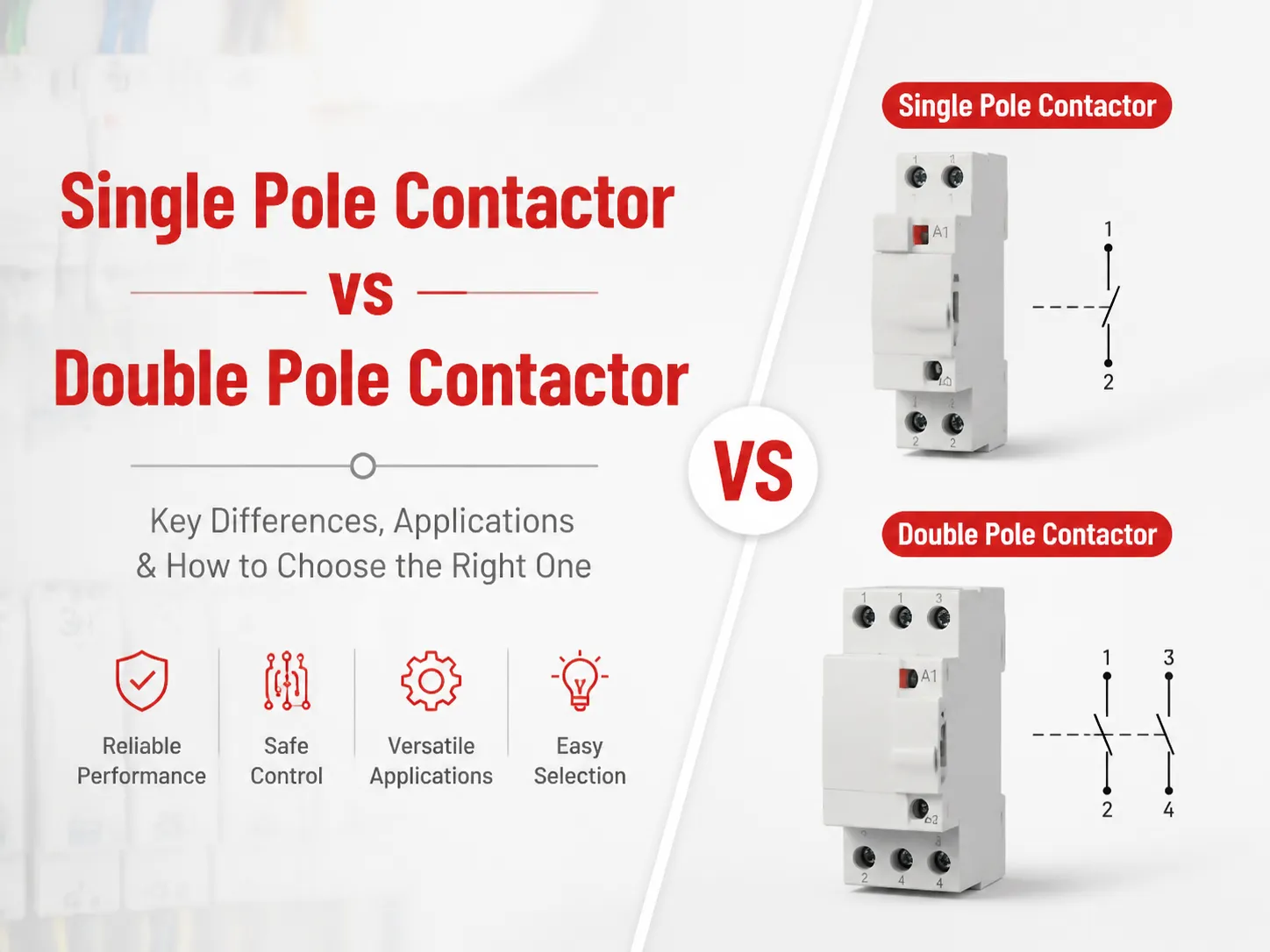
Certifique-se de perguntar sobre a origem dos materiais. Os disjuntores, painéis e dispositivos de proteção devem vir de fábricas que produzem sistemas elétricos com segurança por anos. Esta é exatamente o tipo de pergunta de diligência que guia de disjuntor monopolar vs bipolar ajuda você a fazer perguntas de forma inteligente.
FAQ
Quem são alguns empreiteiros elétricos comerciais respeitáveis na cidade de Nova York?
Em termos de grandes projetos, o EMCOR Group é a principal empresa Fortune 500, enquanto sindicatos como o IBEW Local 3 empregam empresas como Forest Electric e Five Star Electric para vários trabalhos comerciais. Procurando trabalho para inquilinos e vitrines? Você deve contatar empresas licenciadas menores que possuem licenças mestre do DOB. Elas geralmente atendem aos seus requisitos, incluindo velocidade e preço. Certifique-se de verificar a licença antes de contatar o empreiteiro de seu interesse.
Eletricistas residenciais podem fazer trabalhos elétricos comerciais?
O sistema de licenciamento em Nova York faz diferença. Todo eletricista mestre pode se tornar um com uma licença mestre. No entanto, muitas empresas residenciais com licenças mestre não possuem nem a equipe nem o seguro de responsabilidade comercial necessário, nem a experiência exigida para trabalhos comerciais. Além disso, trabalhos comerciais têm um conjunto diferente de requisitos em comparação com os residenciais. Portanto, a resposta é simples: contrate uma empresa menor especializada no seu tipo de trabalho.
Quanto os eletricistas cobram pelo trabalho comercial?
Eletricistas comerciais na cidade de Nova York geralmente cobram de $100 a $200 por hora, dependendo das especificidades da tarefa e do status sindical. Na maioria dos casos, o empreiteiro fornecerá uma tarifa fixa para a conclusão de um projeto comercial. Como os trabalhos elétricos na construção comercial exigem pelo menos 2-5 eletricistas mais um supervisor de equipe, recomenda-se solicitar uma tarifa fixa em vez de pagamento por hora.
Quanto um eletricista cobra por hora em NYC?
Geralmente, eletricistas licenciados cobram de $100 a $200 por hora, dependendo da natureza do trabalho e da localização, sendo Manhattan o ponto mais alto da escala – $95-$160 segundo as pesquisas mais recentes. Quanto a reparos de emergência ou serviços fora do horário comercial, a tarifa começa em $145 a $300 por hora, mais uma taxa de deslocamento de $150-225. A maioria dos empreiteiros também possui uma cobrança mínima – cerca de $150-300 para uma chamada de serviço.
Referências
- Custo do Serviço Local — Custo do Eletricista na Cidade de Nova York 2026: Tarifas Reais por Bairro
- Recomendado — Guia de Custos para Eletricistas em Nova York (2026)
- AE Electric — Quanto Custa um Eletricista em NYC? Guia de Preços
- CostCheck USA — Custo de Serviços Elétricos em Nova York NY (2026)
- AB Electric — Quanto Custa um Eletricista em NYC (2026)
Conclusão
Ao procurar por “Empreiteiros elétricos para trabalhos comerciais e residenciais em Manhattan,” pode-se pensar em uma lista de verificação, em vez de um diretório de contatos. O mercado de Manhattan é diferente devido à idade dos edifícios, à forma como as cooperativas operam, à coordenação entre empreiteiros e Con Edison, e ao pagamento pela International Brotherhood of Electrical Workers (IBEW). Por causa dessa combinação de fatores, os preços são aproximadamente 30% a 45% mais altos do que o usual. As previsões para 2026 são: salários por hora entre 95 e 160 dólares, necessidades de atualização de painéis custarão aos clientes entre 1.500 e 5.500 dólares, a fiação será de 12.000 a 30.000 dólares, e o preço dos geradores de reserva estará em torno de 4.000 a 20.000 dólares junto a revendedores autorizados. Esta é apenas uma parte da história da contratação de eletricistas, a menos que o empreiteiro seja licenciado, tenha seguro, obtenha as permissões necessárias para iniciar o projeto e tenha experiência em trabalhar em projetos de cooperativas.