
Dondurucudaki kompresör her çalıştığında, mağazanızdaki ışıklar yanıp sönmeye başlar. Ofis binanızdaki ev sahibi, sigorta kutusunda “daha fazla yer kalmadığını” söyler; ancak yeni bir sunucu kurulması gerekir ve bu nedenle başka bir devreye ihtiyaç vardır. Restoran geçen yıl denetçilerden iyi bir puan aldı, ancak tesisteki bazı devre kesicilerin modasının geçtiğini belirttiler. Yine de, üç elektrikçi size üç çok farklı teklif verdi ve iş kapsamı hâlâ net değil. Gerçek şu ki, ticari elektrik hizmetleri konut hizmetleri gibi değildir — daha yüksek voltajlar, üç fazlı elektrik ve uygulanan yasalar ile birlikte, bir işletmenin çok uzun süre beklemek zorunda kalması ve bu nedenle çalışmazken para kaybetmesi durumunda ortaya çıkan birçok başka özellik ve kayıp vardır.
Bu rehber, ticari elektrik hizmetlerine ihtiyaç duyan iş insanları, tesis veya mülk yöneticileri gibi kişiler için hazırlanmıştır. Sorunun genel bir özetini sunmaktan ziyade, karşılaştıkları probleme, mevcut hizmetlere, hizmetlerin artı ve eksilerine, belirli bir iş için sunulan fiyatlara ve güvenilir bir yüklenici nasıl bulunacağına göre farklı bölümlerde hedef kitlenize sunun.
Ticari elektrik hizmetleri, küçük gerçek konut işleri hariç olmak üzere bir işletmenin veya ticari binanın tüm gereksinimlerini kapsar: kurulumlar, yeni yapılar, pano güncellemeleri ve değişiklikleri, üç fazlı elektrik gücü ve motor kontrolleri, aydınlatma tasarımı ve LED dönüşümleri, acil ve yedek güç kaynakları, yangın alarmı ve güvenlik sistemleri, elektrikli araçlar için şarj istasyonları, enerji denetimleri ve acil onarımlar. Bu ihtiyaçlardan herhangi biri durumunda, prosedür aynı olacaktır; yani yüklenicinin uygun lisans ve izinlere sahip olup olmadığını kontrol etmek, en az üç yükleniciden fiyat teklifleri almak, izin işlemlerini de üstlendiklerinden emin olmak ve benzer işlerdeki kayıtlarını incelemek.
Ticari Elektrik Hizmetleri Nedir?
Ticari elektrik hizmetleri, konut işleri yerine işletmelerde, ticari veya kamu kurumlarında (hastaneler, okullar, oteller vb.) gerçekleştirilen elektrik planlama, kurulum, bakım ve onarım görevlerini ifade eder. Ticari elektrik hizmetleri, konut elektrik hizmetlerinden şu açılardan farklıdır:
- Voltaj: Voltaj seviyeleri konut voltaj seviyelerinden farklıdır. Ticari tesislerde konut tesislerine kıyasla üç fazlı güç sistemi kullanılır. Ticari tesislerde 208/480V güç kullanılırken, konutlarda sadece 120/240V kullanılır.
- Karmaşıklık: Elektrik sistemleri daha karmaşıktır; motor kontrol sistemleri, HVAC kontrol sistemleri, yangın alarmları, acil durum sistemleri gibi otomatik sistemleri içerir.
- Daha sıkı yönetmelikler: Ticari tesislerin daha sıkı kod gereksinimlerine uyması gerekir. Kaliforniya’da geçerli olan NEC gereksinimlerine ek olarak, ticari tesislerin yerel ve sektör kodlarına da uyum sağlaması gerekir.
- İş Etkisi: Görevlerin zamanlaması, duruş süresini en aza indirmek için seçilir; bu da faaliyetlerin iş saatlerinden sonra planlandığı veya iş faaliyetlerine müdahale etmeyecek şekilde yapıldığı anlamına gelir.
Böyle karmaşık görevleri gerçekleştirmek için genellikle gerekli tüm izinleri sağlayan ve işin yerel yönetmeliklere ve mevzuata uygun olmasını garanti eden lisanslı bir ticari yüklenici gereklidir.
İhtiyacınızı Belirleyin: Hangi Hizmete İhtiyacınız Var?
İşte harita. Durumunuzu bulun, ardından o bölüme atlayın:
| Durumunuz | Hizmet Türü | Atla |
|---|---|---|
| Devre kesiciler atıyor, pano eski veya kapasite dolu | Pano yükseltme / hizmet değişikliği | Bölüm 3 |
| Yeni mağaza, ofis düzenlemesi, yeni ekipman, yeni devreler | Yeni inşaat / Kiracı İyileştirmeleri / yeni devreler | Bölüm 4 |
| Işıklar titriyor, LED yükseltme istiyor, kötü aydınlatma | Aydınlatma kurulumu / LED retrofit | Bölüm 5 |
| Elektrik kesintisi, yanık kokusu, kıvılcım, acil arıza | Acil tamir | Bölüm 6 |
| Kesinti sırasında iş devam etmeli | Jeneratör / yedek / ATS | Bölüm 7 |
| Filoya veya müşterilere EV şarj cihazları kurulumu | Elektrikli araç şarj cihazı kurulumu | Bölüm 8 |
| Henüz sorun yok — önlemek istiyor | Önleyici bakım / denetim | Bölüm 9 |
İhtiyaç #1: Pano Yükseltme veya Hizmet Değişikliği
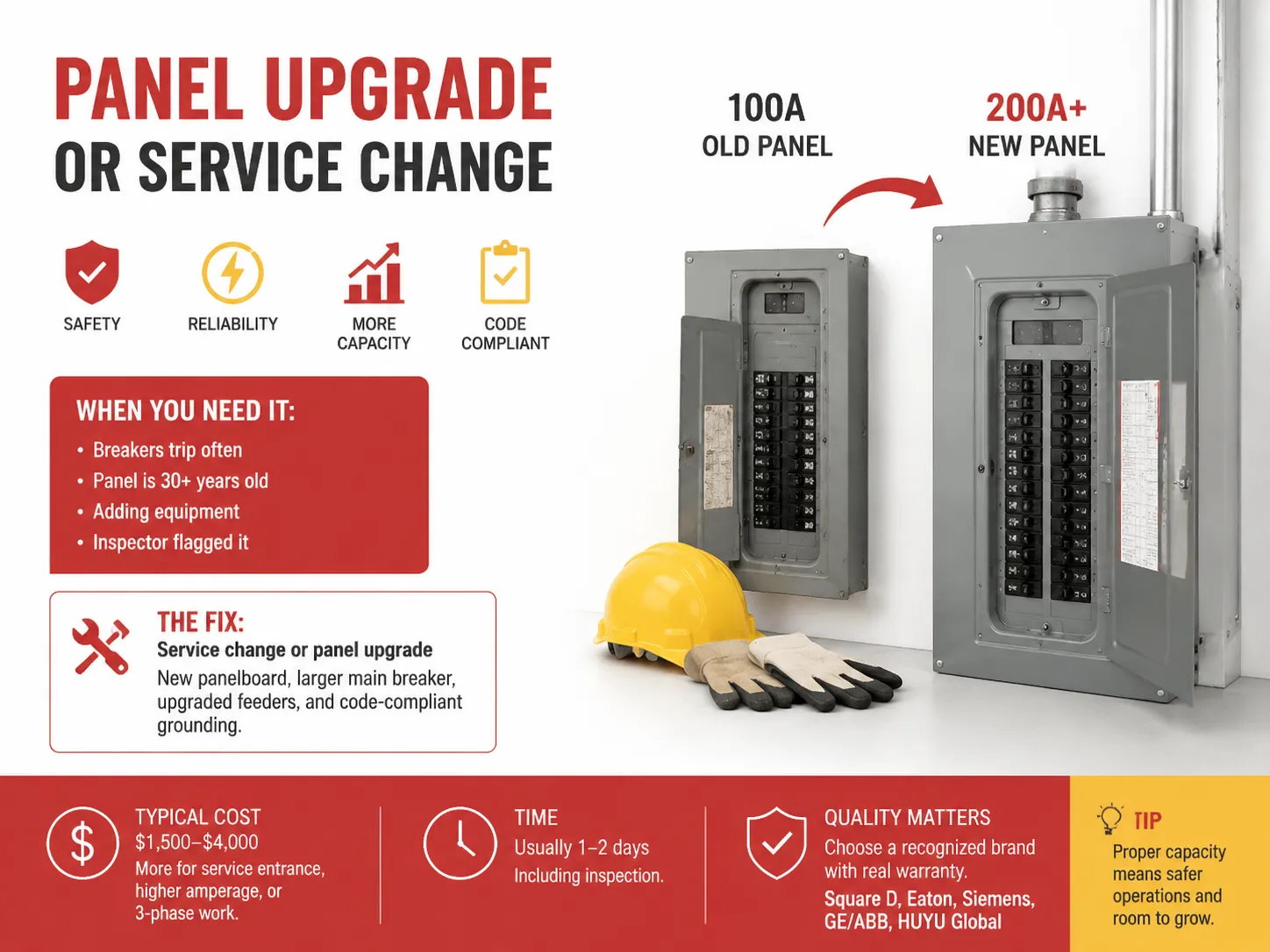
İhtiyacınız olduğunu gösteren işaretler: atmış devre kesiciler, yaşlanan pano (30+ yıl), cihaz ekleme veya denetim sonucu bu ihtiyacın ortaya çıkması.
- Sorunu nasıl çözersiniz: ya hizmeti değiştirmeniz ya da panoyu yükseltmeniz gerekecek.
- Bu neyi içerir: pano ve devre kesici değişimi (örneğin, ticari tesisatlar için 100 Amperden 200 Amper veya 400 Ampere geçiş), besleyicilerin yükseltilmesi, uygun topraklama/bağlantının sağlanması ve denetimden geçilmesi.
- Ortalama maliyet: standart bir ticari pano değişiminin ortalama maliyeti $1,500 ile $4,000 arasında değişir; hizmet girişi işleri, amper artışı veya elektrik dağıtım şirketi koordinasyonu için daha yüksek olabilir. Birden fazla devre içeren hizmetler daha pahalıdır. Mevcut ekipmanı yenileme ile değiştirme arasında karar verirken, karşılaştırmamız yenilenmiş ve yeni devre kesiciler avantaj ve dezavantajları kapsar.
- Süre: genellikle denetim dahil bir veya iki gün sürer; çalışma saatlerini kontrol edin.
İhtiyaç #2: Yeni İnşaat, Kiracı İyileştirmeleri ve Yeni Devreler
Belirtiler: yeni bir siteye taşınma, yeniden düzenleme, belirli devreler gerektiren ekipman satın alma (mutfak makineleri, sunucular, ekipman). Çözüm: izinlerle tasarım + kaba iş + elektrik tesisatı tamamlanması.
- İçeriği: yük tahmini, yeni devreler, kablolama, kesiciler, anahtarlar, prizler. Müteahhitlerin projede birlikte çalıştığından emin olmak gereklidir.
- Tipik maliyet: çok farklıdır; genel olarak, nihai iş için her kare ayak başına yaklaşık $3-8 veya hem malzeme hem işçilik dahil olmak üzere her yeni devre için $150-500 planlamak gereklidir.
- Ne söylenmeli: panel markası ve kesici tipi önceden konuşulmalıdır. Panelin doğru olacağından emin olmak için müteahhitten tüm panel hesaplamalarını ve planlarını talep edin.
- İpucu: her müteahhitin ne kadar alacağını anlamanıza yardımcı olacak düzenli bir ödeme talebi alın.
Gereksinim #3: Aydınlatma Kurulumu, Tasarımı ve LED Yenilemeleri
Belirtiler: artan enerji maliyetleri, modası geçmiş floresanlar, kötü ve tutarsız aydınlatma veya yıldırım konsepti gerektiren bir site. Çözüm: ışık planlaması, montaj cihazları ve kontrol sistemleri ile LED yükseltmeleri.
- İçeriği: LED yükseltme (floresan armatürlerin LED panellere değiştirilmesi, HID’den LED’e güncelleme), yeni armatürler, hareket sensörleri ve gün ışığı ayarları, acil durum ışıkları ve çıkış işaretleri.
- Tipik fiyat aralığı: LED yenileme genellikle enerji tasarrufunda 1-3 yıl içinde hızlı geri dönüş sağlar (LED -70 enerji tüketir). Geleneksel floresan tüp değiştirme maliyeti birim başına $100-$300 olup, tam yeniden tasarım proje bazında fiyatlandırılır.
- Dikkate alınması gerekenler: UL/ETL onaylı lümen/watt indeksli LED armatürler, tanınmış üreticilerden LED birimleri ve sistemler. Enerji şirketleri ticari LED yükseltmeleri için hâlâ geri ödeme sağlamaktadır. Kurulum müteahhidi teklifinde geri ödeme belgelerini eklemelidir.
- Avantajlar: tasarrufların yanı sıra, uygun aydınlatmanın perakende satışları artırdığı, çalışma koşullarını iyileştirdiği ve güvenlik standartlarını karşıladığı açıktır (bunlardan biri ticari binalarda acil çıkışların aydınlatılmasıdır).
Gereksinim #4: Acil Onarımlar ve Arıza Giderme
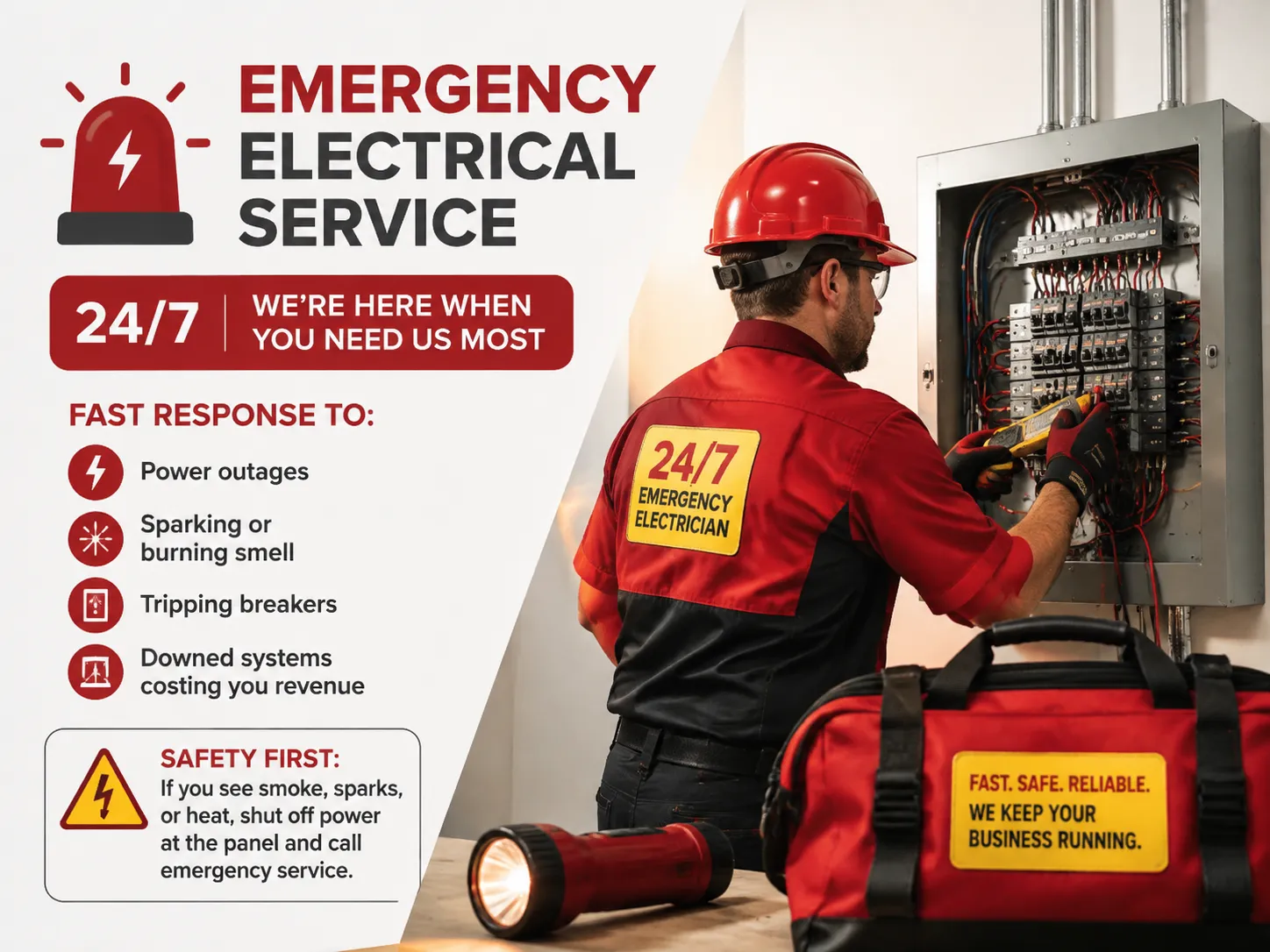
Belirtiler: güç kaybı, elektrik kıvılcımları, kötü koku, devre kesicilerin atması veya işinizi etkileyen kesintili güç sistemi. Çözüm: 7/24 hizmet veren ticari Acil Elektrikçi kiralayın.
- İçeriği: sevk hizmetleri, arıza giderme, acil durum onarımları ve gerektiğinde geçici güç sağlama, böylece işiniz durmaz.
- Tipik maliyet: acil çağrı fiyatı çok yüksek olabilir ve parça ve servis hariç saat başı $150-$500 arasında değişir. Acil olmayan onarımlar için $150-$200 ödemeniz gerekir.
- Ne yapılmalı: duman, kıvılcım veya ısı içeren herhangi bir durumda, gücün kapatıldığından ve acil servisin hemen çağrıldığından emin olun. Devre kesicilerin sık sık atması durumunda, kesinti olmadan önce teşhis randevusu alın.
- İpucu: düzenli olarak bir yüklenici bulundurmak daha iyidir/müşteriler daha hızlı yanıt ve daha makul fiyatlar bekleyebilir.
İhtiyaç #5: Yedek Güç, Jeneratörler ve ATS
Belirtiler: işletmeniz kesintilere dayanamaz (örnekler: restoranlar, eczaneler, veri merkezleri, klinik tesisler). Çözüm: bekleme jeneratörü artı ATS sistemi kurulumu.
- İçeriği: jeneratör gereksinimlerinin belirlenmesi, ATS ünitesinin kurulması (enerji yokluğunu algılayıp jeneratörü otomatik olarak açan), yakıt hattının bağlanması ve kurulum standartlarının karşılanması.
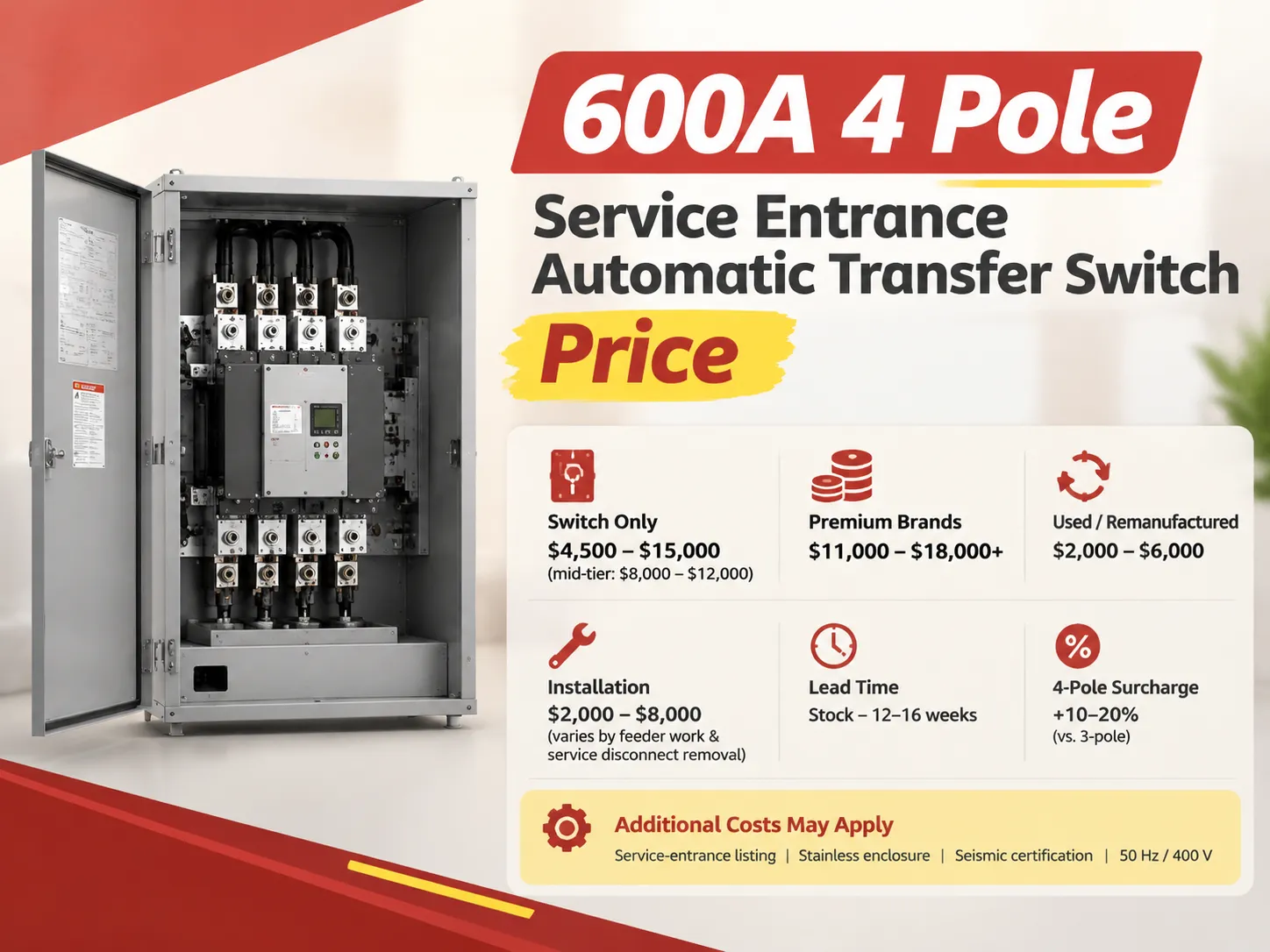
- Ortalama fiyat: bekleme sistemleri boyut (kW), yakıt türü ve işin karmaşıklığına bağlı olarak $5,000 ile $30,000 arasında kurulumlu fiyat aralığındadır. ATS üniteleri $500’den birkaç bin dolara kadar maliyetli olabilir.
- Nelere dikkat edilmeli: ATS’de işletmedeki faz sayısı kadar faz olmalıdır — üç fazlı işletme üç fazlı ATS anlamına gelir. Kuzey Amerika’da en tanınmış markalar Generac, Kohler ve Cummins iken; IEC ülkelerinde HUYU Global şirketi, işletme yedekleme sistemleri için çeşitli faz kapasitelerine sahip otomatik transfer anahtarları sağlar.
- Tavsiye: servis sözleşmesi imzalayın (yük bankası testi ve batarya kontrolü) çünkü test edilmemiş yedek ekipman gerektiğinde arızalanacaktır.
İhtiyaç #6: EV Şarj Cihazı Kurulumu
Belirtiler: çalışan filosunu, müşteri araçlarını şarj etmek veya çok birimli bir bina kurmak istiyorsanız, çözüm özel devrelerde EV şarj cihazları kurmak ve çoğunlukla elektrik şirketi teşviklerine başvurmaktır.
- Gerekenler: özel devrelerin kurulması (genellikle Seviye 2 şarj cihazı başına yaklaşık 40-60A), panel kapasitesinin kontrolü/güncellenmesi, şarj cihazının montajı ve gerekli izinlerin alınması.
- Maliyet: elektrik işçiliği maliyeti Seviye 2 şarj cihazı başına $500-2,000 arasındadır (şarj cihazının kendisi ekstra olup yaklaşık $400-$1500 veya daha fazla tutabilir). Panel yükseltmesi daha maliyetli olacaktır.
- Dikkat edilmesi gerekenler: ChargePoint, Enel X gibi UL listeli Seviye 2 şarj cihazları, güç paylaşımı/yük yönetimi özellikli olmalıdır.
- İpucu: sisteminizi tasarlamadan önce ticari EV teşvikleri ve talep ücreti azaltma programları hakkında elektrik şirketi ile iletişime geçin.
İhtiyaç #7: Önleyici Bakım ve Denetimler
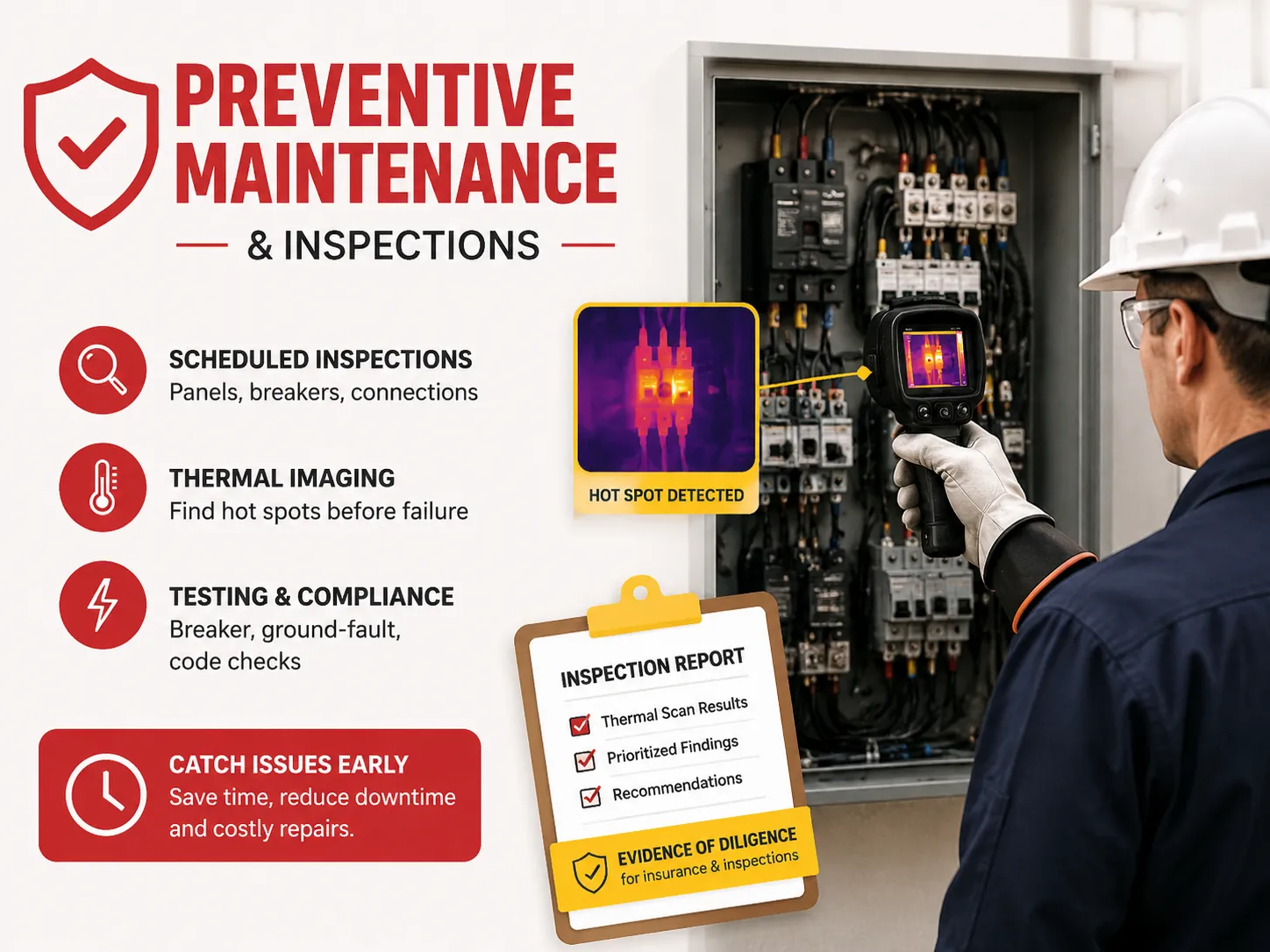
Belirtiler: Şimdiye kadar sorun yaşanmadı – veya tekrarlayan küçük sorunlar var. Uygulanan çözüm: Önceden planlanmış önleyici bakım (PM) ve termal denetimler.
- İçeriği: düzenli panel denetimleri, bağlantıların termografisi (arızadan önce sıcak noktaların tespiti), kesici testleri, toprak hata testleri ve kod kontrolleri.
- Güncel fiyatlar: PM sözleşmeleri, tesis türüne bağlı olarak ziyaret başına $300-$1,500 arasında değişebilir ve yıllık termografi popüler ek bir hizmettir.
- Talep edilmesi gerekenler: Panelin ve önemli bağlantıların kızılötesi taraması ve değişiklik listesini içeren yazılı bir rapor.
- Avantaj: Önleyici bakım, sorunları fiyatların ve baskının en yüksek olduğu Cuma akşamı 8’de değil, Salı sabahı 8’de tespit eder.
Hangi Ekipman Markalarını Belirtmelisiniz?
Marka seçimi önemlidir çünkü devre kesiciler panel ile aynı aileden bir markadan olmalıdır. Ayrıca, ekipmanın kalitesi dayanıklılığını ve garanti süresini belirler. Farklı ekipman kategorileri hakkında sorulacaklar:
| Ekipman | Tanınmış Markalar (Kuzey Amerika) | Notlar |
|---|---|---|
| Paneller ve kesiciler | Square D (Schneider), Eaton, Siemens, GE/ABB | Kesici ailesi panel ailesiyle tam olarak eşleşmelidir |
| Aydınlatma | Philips, Cree, Cooper/Eaton, Acuity | UL listeli, yayımlanmış teknik özellikler, fayda indirimi uygun |
| Jeneratörler / ATS | Generac, Kohler, Cummins; HUYU (IEC pazarları) | ATS faz sayısı ve voltaj ile eşleşmelidir |
| EV şarj cihazları | ChargePoint, Enel X, Wallbox, Tesla (uyumluluk) | UL listeli, çok birimli yük yönetimi |
| Yangın alarmı ve güvenlik | Honeywell, Siemens, Edwards, Bosch | Lisanslı teknisyenler tarafından kurulmuş ve sertifikalı |
| IEC-pazar ticari ekipmanları | HUYU Global ve eşdeğer IEC sertifikalı üreticiler | MCB’ler, MCCB’ler, RCCB’ler, ATS, dağıtım panoları |
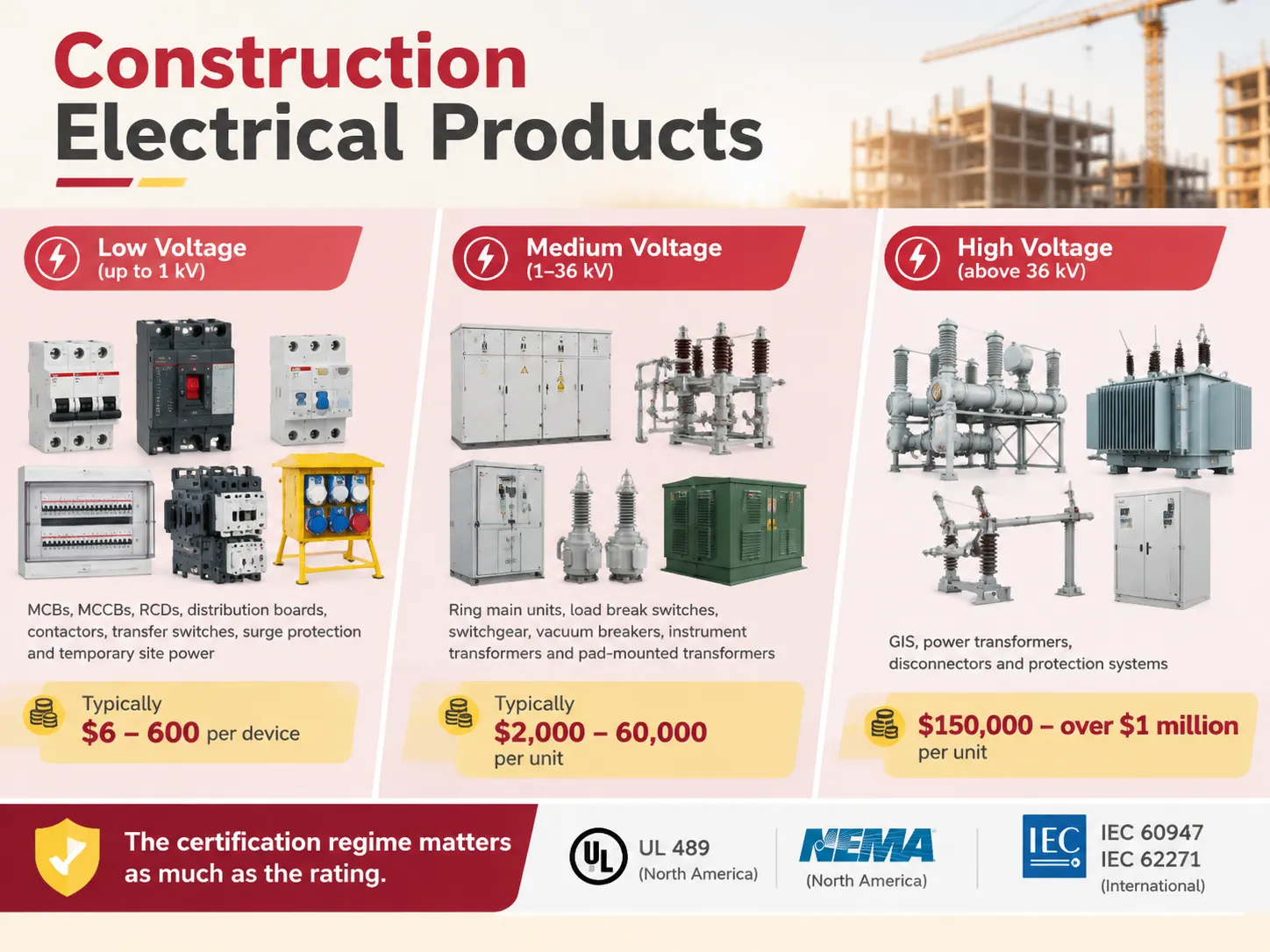
IEC standart gereksinimlerine göre üretilen ekipman kullanmanız gerekiyorsa (çoğunlukla Kuzey Amerika dışı için geçerlidir), IEC 60898 / IEC 60947 standartlarına uygun kesiciler ve dağıtım ekipmanları arayın ve sertifikalı MCB, MCCB, RCCB ve transfer anahtarları ile çalışan HUYU Global gibi bir üreticiye başvurun.
Ticari Elektrikçiler Ne Kadar Ücret Alır?
Ticari ücretler genellikle lisanslama, sigorta ve karmaşıklık nedeniyle konut ücretlerinden yüksektir. Tipik 2025–2026 aralıkları:
| Madde | Tipik Aralık | Notlar |
|---|---|---|
| Saatlik ücret (lisanslı) | $50–$150/saat | Ulusal ortalama ~$75–$100; San Jose gibi metropoller $100–$150 |
| Servis çağrısı minimumu | $150–$250 | İlk saat + yol; mesai dışı daha yüksek |
| Acil çağrı | $150–$500+ | Mesai dışı/hafta sonu gönderim primi |
| Yeni devre | $150–$500 | Malzeme + işçilik + izin |
| Panel değişimi | $1,500–$4,000 | Ticari panel; servis girişi için daha fazla |
| LED retrofit | $100–$300/armatür | Armatür tipine göre değişir |
| EV şarj cihazı devresi | $500–$2,000 | Excluding charger unit |
| Full build-out electrical | $3–$8/sq ft | Rough-in to finish, varies by scope |
Get at least three contractors’ quotes in writing and itemized, confirm whether permits are included, and ask about the brands of materials that will be used — a low bid may mean that low-cost brands will be used that do not pass inspection or won’t match your panel.
How to Choose the Right Commercial Contractor
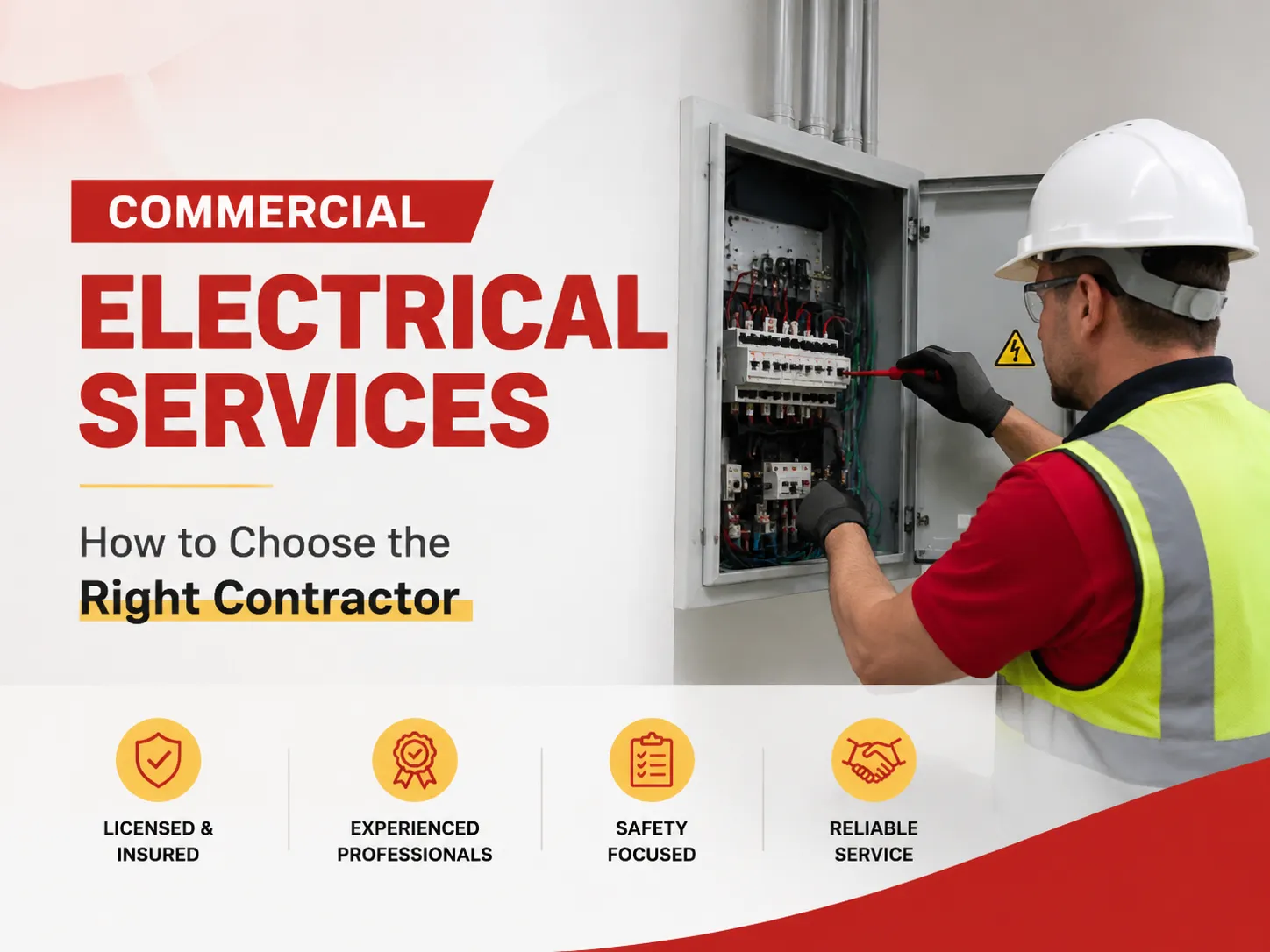
- Make sure to check for licensing and insurance; specifically, verify that your contractor has a state contractor license (in California, it’s called a C-10), a general-liability insurance policy, and a workers’ compensation insurance policy.
- Be sure to check the commercial experience of the contractor — ask the contractor to supply 2–3 references for their previous work in projects similar to yours (such as commercial, office, restaurant, industrial).
- Ask for itemized quotations from 3 contractors, including price of materials and labor, price of permits, and expected duration in writing.
- Make sure the contractor assures you he will take care of all the permits and inspections — if the contractor can pull permits and set up inspections, you will know the job is completed in accordance with the building code.
- Ask whether the contractor can work off-hours — will he be able to perform the work without disrupting your business?
- Ask about the contractor’s warranties — reputable contractors provide minimum one-year warranty covering their craftsmanship.
Sıkça Sorulan Sorular
Elektrikçiler ticari işler için ne kadar ücret alır?
Licensed commercial electricians charge about $50 to $150 an hour, with the average rate in the U.S. at $75–$100 an hour in 2025–2026 (more in metro areas such as San Jose/San Francisco where skilled labor rates are around $100–$150). Along with the hourly labor, a service-call minimum ($150–$250), materials with markup, and permit fees are also considered. The cost of the project includes a new circuit ($150–$500), a commercial panel replacement ($1,500–$4,000), and the cost of emergency interventions that start anywhere between $150 and $500 to initiate the call-out. Always seek for written estimates from at least three contractors before you decide to choose one.
What does a commercial service electrician do?
A commercial service electrician sets up, offers maintenance services, and fixes electric lines in business places. Among the responsibilities they are responsible for are: service changes and panel upgrades, new wiring and circuits, three-phase power and motor control systems, installation of lights and LED retrofitting, installing emergency and alarm systems as well as backup generators and automatic transfer devices, installation of charging devices for electric cars, etc. Commercial electrician is different from residential one in that it works with higher voltage rates (480V and 208V), commercial codes, and interacts with businesses in order to avoid downtime.
What are some commercial electrical companies in San Jose, California?
Numerous commercial electrical contractors are operating in San Jose, such as Rosendin Electric, Cupertino Electric, Helix Electric, and Qmerit. They are some of the mentionable contractors that cater to commercial projects. Also, there are various mid-sized licensed C-10 contractors servicing the retail, office, and light-industrial sectors. Unfortunately not all of them keep up with trends and changes of the industry, which is why a safer option is to check who has an active license in California using the official California Contractors State License Board. There you will find all licensed C-10 contractors; also, make sure to ask them for testimonials and reviews in order to learn about their services.
What do most electricians charge per hour?
Most licensed electricians charge between $50 and $150 per hour in 2025–2026, with an average of around $75 to $100 per hour. Rates depend on several factors: the region, level of experience (for example, apprentice vs. journeyman vs. master), and type of job (the charge for commercial and industrial jobs is usually more than for residential jobs). According to the statistics, the hourly wages of electricians in San Jose are about $32–$42, but rates of contractors may be higher due to the inclusion of insurance costs, overhead, and profit margin.
Referanslar
- NFPA 70 — National Electrical Code: commercial installation requirements
- California Contractors State License Board — C-10 electrical contractor licensing and verification
- Payscale — Electrician hourly pay in San Jose, CA
- Indeed — Electrician salary data for San Jose, CA
- Shyft — Commercial electricians in San Jose: services and qualifications
- U.S. DOE — commercial lighting rebates and energy efficiency programs
Sonuç
Commercial electrical services include everything a business may require, including panel upgrades, new construction, emergency repairs, emergency power supply, EV charging stations, and preventive maintenance. Because they utilize not only certificates and licenses but also insurance and are complicated, they are generally pricier than residential work. The fees per hour vary between $50 to $150, while budget estimates will come from itemized quotations for every single project related to your business.
To get the outcome you need, you should follow the same steps for every case: read this guide so that you are aware of your position, learn what equipment you should order, check certificates and licenses, get 3 detailed quotations for your project, and double-check that all necessary permits and inspections are taken care of.