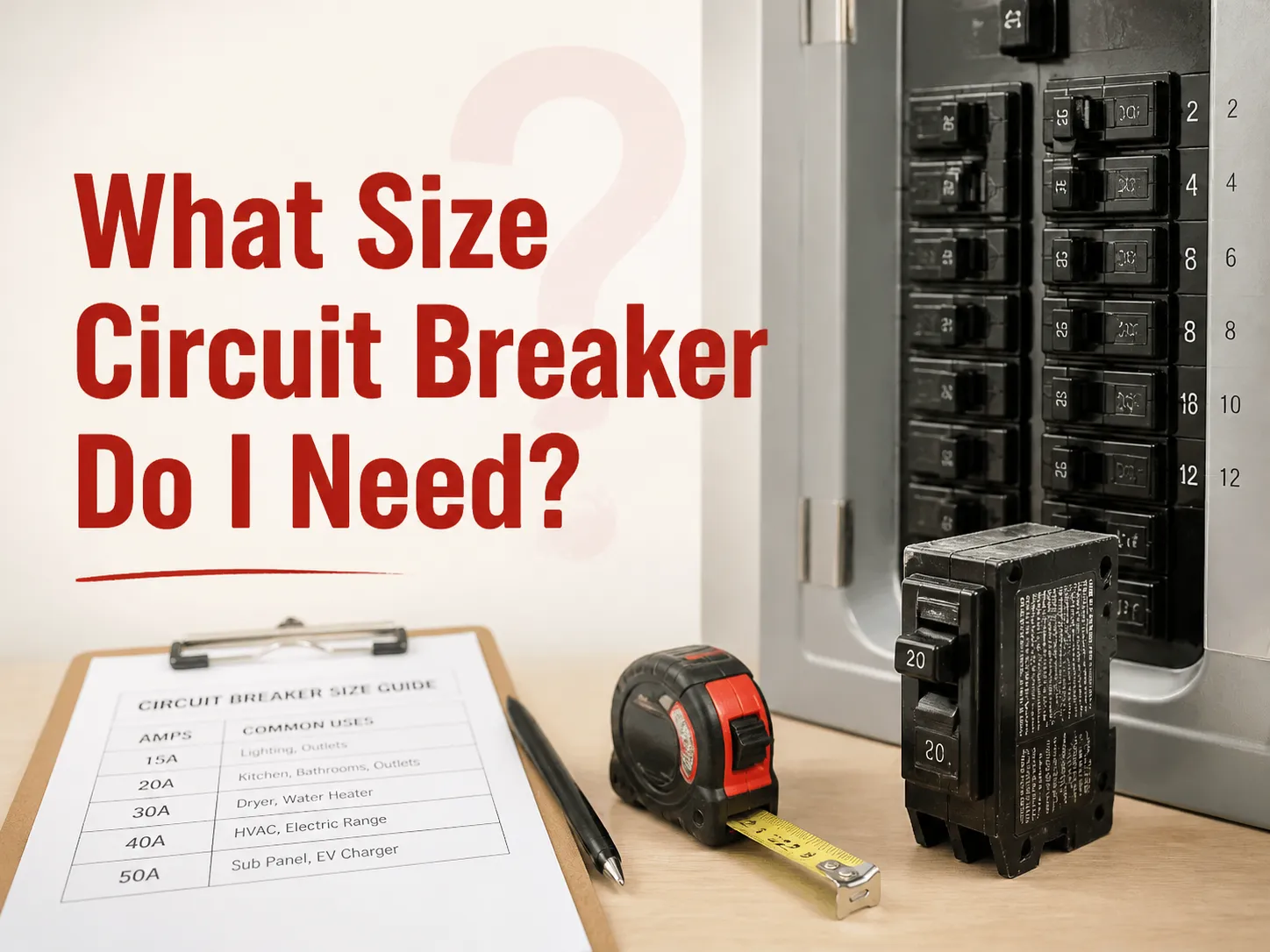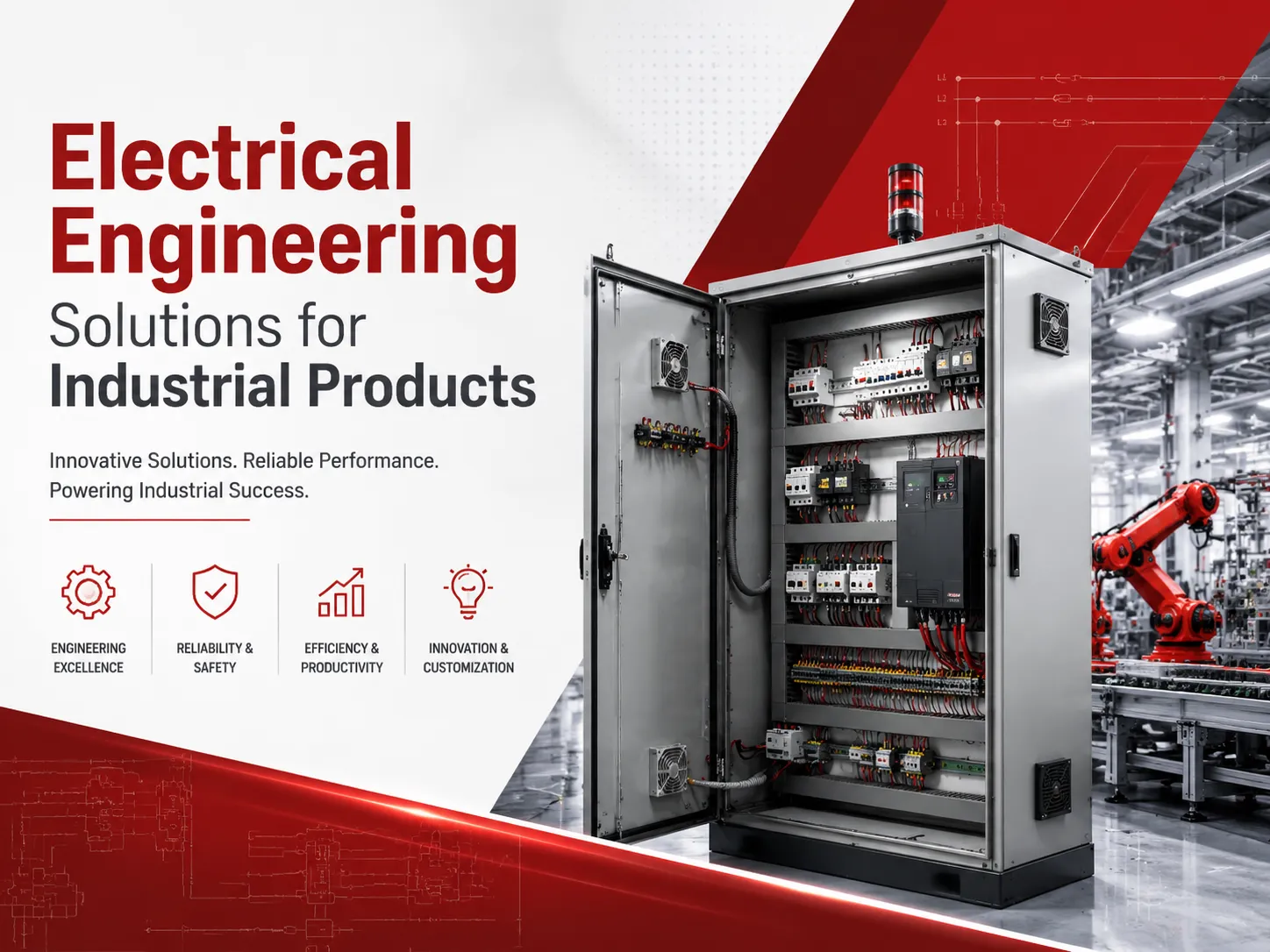

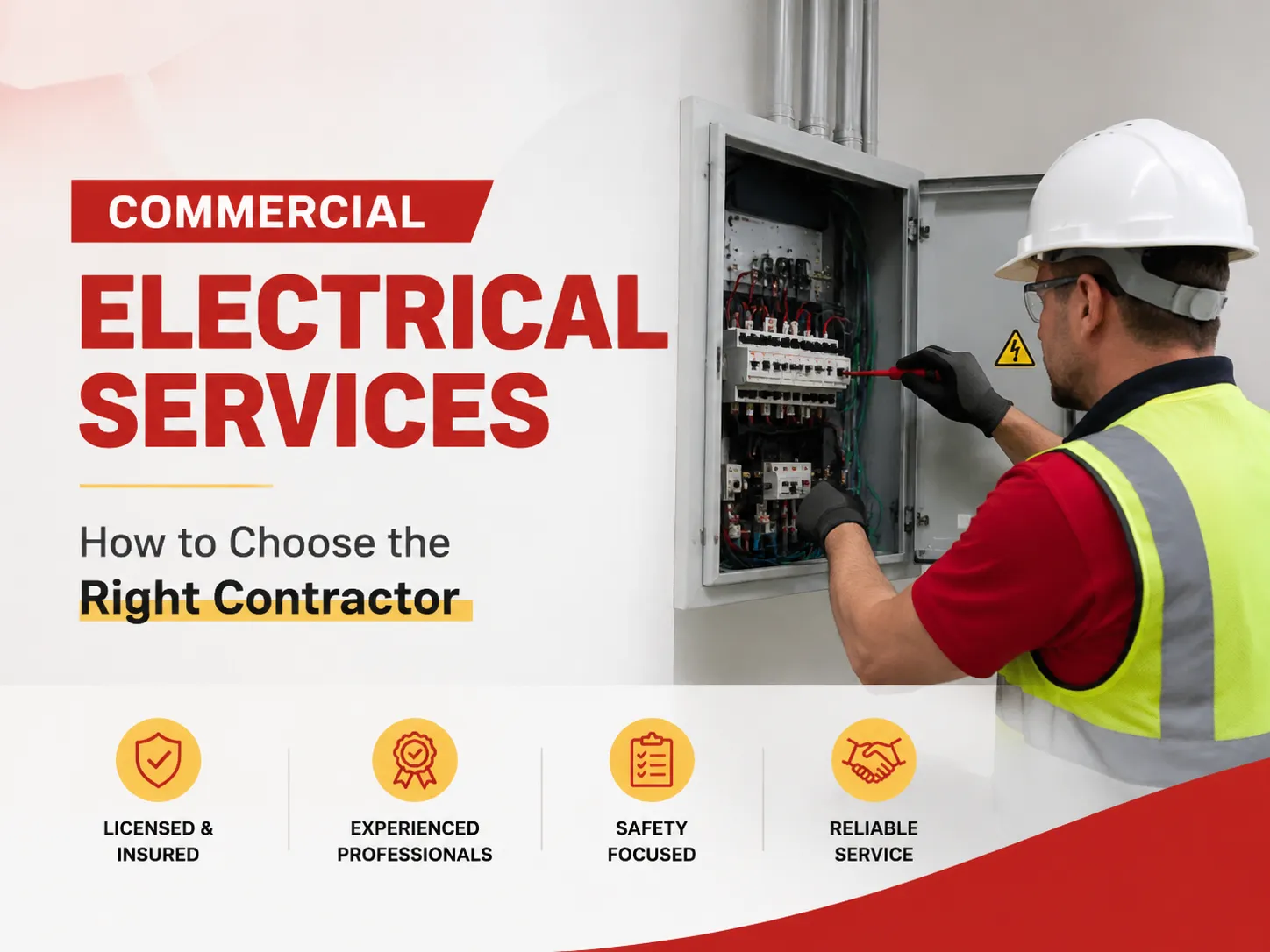
Mỗi khi máy nén trên tủ đông bắt đầu hoạt động, đèn trong cửa hàng của bạn bắt đầu nhấp nháy. Chủ nhà trong tòa nhà văn phòng của bạn nói rằng hộp cầu dao đã “hết chỗ trống”; tuy nhiên, một máy chủ mới cần được lắp đặt và do đó cần một mạch điện khác. Nhà hàng đã nhận được đánh giá tốt từ các thanh tra năm ngoái, nhưng họ lưu ý rằng một số cầu dao tại cơ sở đã lỗi thời. Nhưng vẫn có ba thợ điện đưa cho bạn ba báo giá rất khác nhau, và phạm vi công việc vẫn chưa rõ ràng. Thực tế là dịch vụ điện thương mại không giống như dịch vụ điện dân dụng — có điện áp cao hơn, điện ba pha và các luật áp dụng, cũng như một số đặc điểm và tổn thất khác nếu doanh nghiệp phải chờ quá lâu và do đó mất tiền trong khi không hoạt động.
Hướng dẫn này dành cho những người như doanh nhân, quản lý cơ sở hoặc quản lý tài sản đang cần dịch vụ điện thương mại. Thay vì chỉ cung cấp tổng quan chung về vấn đề, hãy trình bày cho khán giả của bạn theo các phần khác nhau tùy thuộc vào vấn đề họ gặp phải, các dịch vụ tồn tại, ưu nhược điểm của các dịch vụ, giá cả được đề xuất cho một công việc nhất định, và cách tìm nhà thầu đáng tin cậy.
Dịch vụ điện thương mại bao gồm mọi yêu cầu của doanh nghiệp hoặc tòa nhà thương mại ngoại trừ các công việc dân dụng nhỏ: lắp đặt, xây dựng mới, cập nhật và thay đổi bảng điện, điện ba pha và điều khiển động cơ, thiết kế chiếu sáng và cải tạo LED, nguồn điện khẩn cấp và dự phòng, hệ thống báo cháy và an ninh, trạm sạc cho xe điện, kiểm toán năng lượng và sửa chữa khẩn cấp. Trong trường hợp có bất kỳ nhu cầu nào trong số này, quy trình sẽ giống nhau, tức là kiểm tra xem nhà thầu có giấy phép và quyền hạn phù hợp không, lấy báo giá từ ít nhất ba nhà thầu, đảm bảo họ cũng xử lý các giấy phép, và kiểm tra hồ sơ công việc tương tự của họ.
Dịch vụ điện thương mại là gì?
Dịch vụ điện thương mại đề cập đến các nhiệm vụ liên quan đến lập kế hoạch điện, lắp đặt, bảo trì và sửa chữa được thực hiện trong các doanh nghiệp, thương mại hoặc các tổ chức công cộng như bệnh viện, trường học, khách sạn, v.v., thay vì công việc dân dụng. Dịch vụ điện thương mại khác với dịch vụ điện dân dụng ở các khía cạnh sau:
- Điện áp: Mức điện áp khác với mức điện áp dân dụng. Trong các cơ sở thương mại, hệ thống điện ba pha được sử dụng so với các cơ sở dân dụng. Trong các cơ sở thương mại, điện áp 208/480V được sử dụng trong khi ở nhà dân dụng chỉ sử dụng điện áp 120/240V.
- Độ phức tạp: Hệ thống điện phức tạp hơn; bao gồm hệ thống điều khiển động cơ, hệ thống điều khiển HVAC, các hệ thống tự động như báo cháy, hệ thống khẩn cấp, v.v.
- Quy định nghiêm ngặt hơn: Các cơ sở thương mại cần tuân thủ các yêu cầu quy định nghiêm ngặt hơn. Ngoài các yêu cầu NEC áp dụng tại California, các cơ sở thương mại cần tuân thủ các quy định địa phương và ngành nghề.
- Tác động kinh doanh: Việc lên lịch các công việc được chọn để giảm thiểu thời gian ngừng hoạt động, có nghĩa là các hoạt động được lên kế hoạch sau giờ làm việc hoặc không làm gián đoạn các hoạt động kinh doanh.
Để thực hiện các công việc phức tạp như vậy, thường cần một nhà thầu thương mại có giấy phép, người cung cấp tất cả các giấy phép cần thiết và đảm bảo công việc tuân thủ các quy định và luật pháp địa phương.
Tìm Nhu Cầu Của Bạn: Bạn Cần Dịch Vụ Nào?
Đây là bản đồ. Tìm tình huống của bạn, sau đó chuyển đến phần đó:
| Tình Huống Của Bạn | Loại Dịch Vụ | Chuyển Đến |
|---|---|---|
| Cầu dao nhảy, bảng điện cũ hoặc quá tải | Nâng cấp bảng điện / thay đổi dịch vụ | Phần 3 |
| Cửa hàng mới, trang bị văn phòng, thiết bị mới, mạch mới | Xây dựng mới / Cải tạo thuê / mạch mới | Phần 4 |
| Đèn nhấp nháy, muốn nâng cấp LED, ánh sáng kém | Lắp đặt chiếu sáng / cải tạo LED | Phần 5 |
| Mất điện, mùi cháy, tia lửa, lỗi khẩn cấp | Sửa chữa khẩn cấp | Phần 6 |
| Doanh nghiệp phải tiếp tục hoạt động khi mất điện | Máy phát điện / dự phòng / ATS | Phần 7 |
| Lắp đặt bộ sạc EV cho đội xe hoặc khách hàng | Lắp đặt bộ sạc EV | Phần 8 |
| Chưa có vấn đề — muốn phòng ngừa | Bảo trì phòng ngừa / kiểm tra | Phần 9 |
Cần #1: Nâng cấp bảng điện hoặc thay đổi dịch vụ
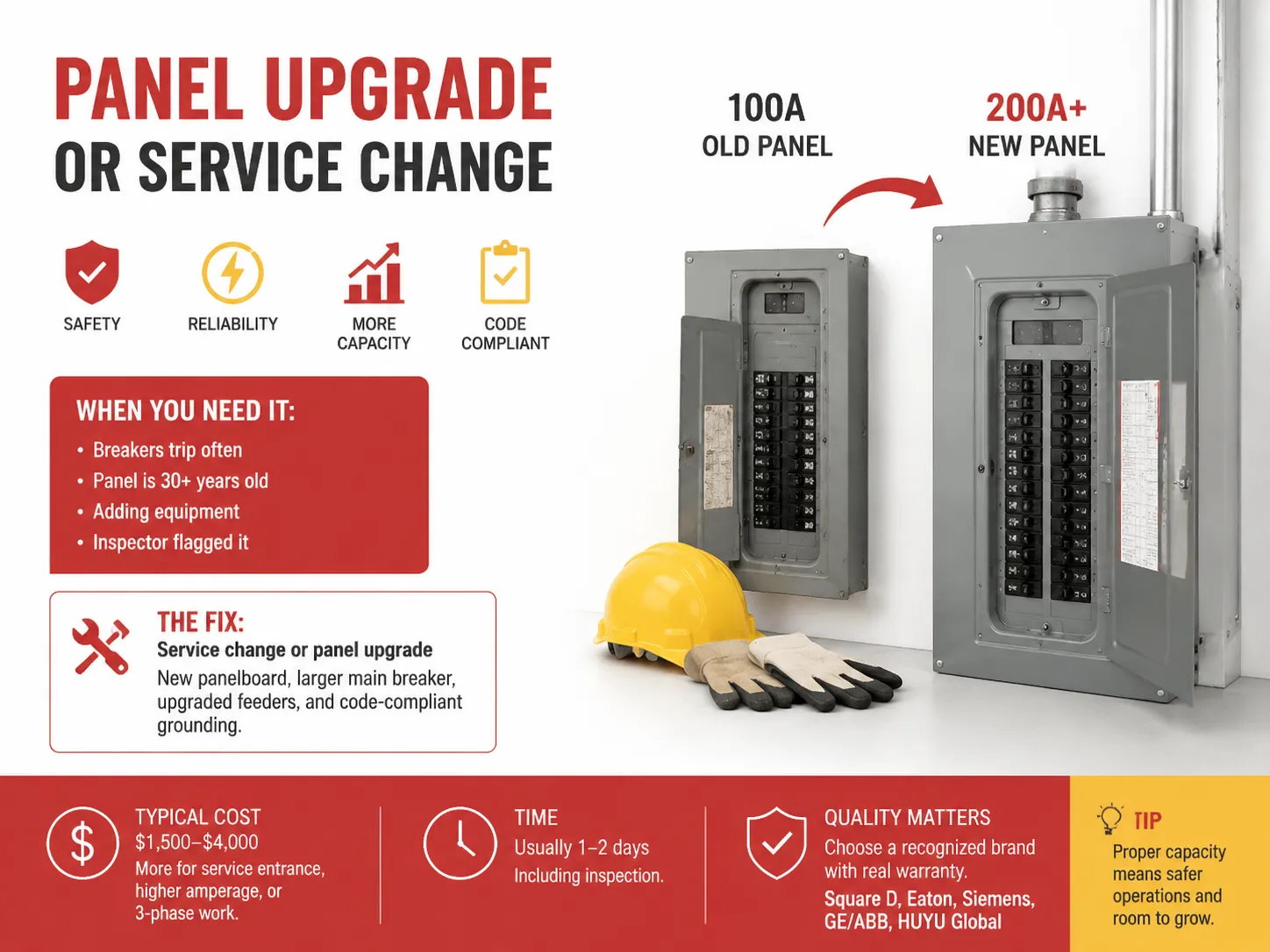
Dấu hiệu bạn cần: cầu dao nhảy, bảng điện cũ (trên 30 năm), thêm thiết bị, hoặc kiểm tra chỉ ra điều đó.
- Cách giải quyết vấn đề: bạn sẽ cần thay đổi dịch vụ hoặc nâng cấp bảng điện.
- Điều đó bao gồm: thay thế bảng điện và cầu dao (ví dụ, chuyển từ 100 Amps lên 200 Amps hoặc 400 Amps cho các lắp đặt thương mại), nâng cấp dây dẫn, đảm bảo nối đất/đấu nối đúng cách, và vượt qua kiểm tra.
- Chi phí trung bình: chi phí trung bình thay thế bảng điện thương mại tiêu chuẩn từ $1,500 đến $4,000; cao hơn cho công việc lối vào dịch vụ, tăng amper, hoặc phối hợp với tiện ích. Dịch vụ liên quan nhiều mạch sẽ đắt hơn. Nếu bạn đang cân nhắc thay thế so với tái chế thiết bị hiện có, so sánh của chúng tôi về cầu dao tái chế so với mới sẽ trình bày các đánh đổi.
- Thời gian: thường một hoặc hai ngày bao gồm kiểm tra; kiểm tra giờ làm việc.
Cần #2: Xây dựng mới, Cải tạo thuê & Mạch mới
Triệu chứng: di chuyển đến một địa điểm mới, cải tạo, mua thiết bị yêu cầu các mạch cụ thể (máy bếp, máy chủ, thiết bị). Giải pháp: thiết kế + lắp đặt thô + hoàn thiện hệ thống điện với giấy phép.
- Nó bao gồm: ước tính tải, mạch mới, đi dây, cầu dao, công tắc, ổ cắm. Cần đảm bảo các nhà thầu làm việc cùng nhau trên dự án.
- Chi phí điển hình: rất khác nhau; nói chung, cần lên kế hoạch khoảng $3-8 cho mỗi foot vuông cho công việc cuối cùng hoặc $150-500 cho mỗi mạch mới bao gồm cả vật liệu và nhân công.
- Cần nói: cần nói trước về thương hiệu bảng điện và loại cầu dao. Yêu cầu nhà thầu cung cấp tất cả các tính toán và kế hoạch bảng điện để bạn có thể chắc chắn bảng điện sẽ chính xác.
- Mẹo: nhận yêu cầu thanh toán có tổ chức vì điều này sẽ giúp bạn hiểu mỗi nhà thầu sẽ nhận được bao nhiêu.
Cần #3: Lắp đặt chiếu sáng, thiết kế & nâng cấp LED
Triệu chứng: chi phí tiện ích tăng cao, đèn huỳnh quang lỗi thời, ánh sáng kém và không đồng đều, hoặc một địa điểm cần ý tưởng chiếu sáng. Giải pháp: lập kế hoạch ánh sáng, lắp đặt thiết bị và nâng cấp LED với điều khiển.
- Nó bao gồm: nâng cấp LED (thay đèn huỳnh quang bằng tấm LED, cập nhật HID sang LED) thiết bị mới, cảm biến chuyển động và cài đặt ánh sáng ban ngày, đèn khẩn cấp và biển báo thoát hiểm.
- Khoảng giá điển hình: Nâng cấp LED thường có ROI nhanh trong vòng 1-3 năm nhờ tiết kiệm năng lượng (LED tiêu thụ 50-70%) Chi phí thay thế ống huỳnh quang truyền thống là $100-$300 mỗi đơn vị với thiết kế lại hoàn chỉnh tính theo dự án.
- Cần xem xét: Đèn LED được UL/ETL phê duyệt với chỉ số lumen/watt, các đơn vị và hệ thống LED từ các nhà sản xuất nổi tiếng. Các công ty tiện ích vẫn cung cấp khoản hoàn tiền cho nâng cấp LED thương mại. Nhà thầu lắp đặt nên bao gồm giấy tờ về khoản hoàn tiền trong đề xuất.
- Ưu điểm: ngoài tiết kiệm, rõ ràng ánh sáng phù hợp tăng doanh số bán lẻ, cải thiện điều kiện tại nơi làm việc và đáp ứng tiêu chuẩn an toàn (một trong số đó là chiếu sáng lối thoát hiểm khẩn cấp trong các tòa nhà thương mại).
Cần #4: Sửa chữa khẩn cấp & Xử lý sự cố
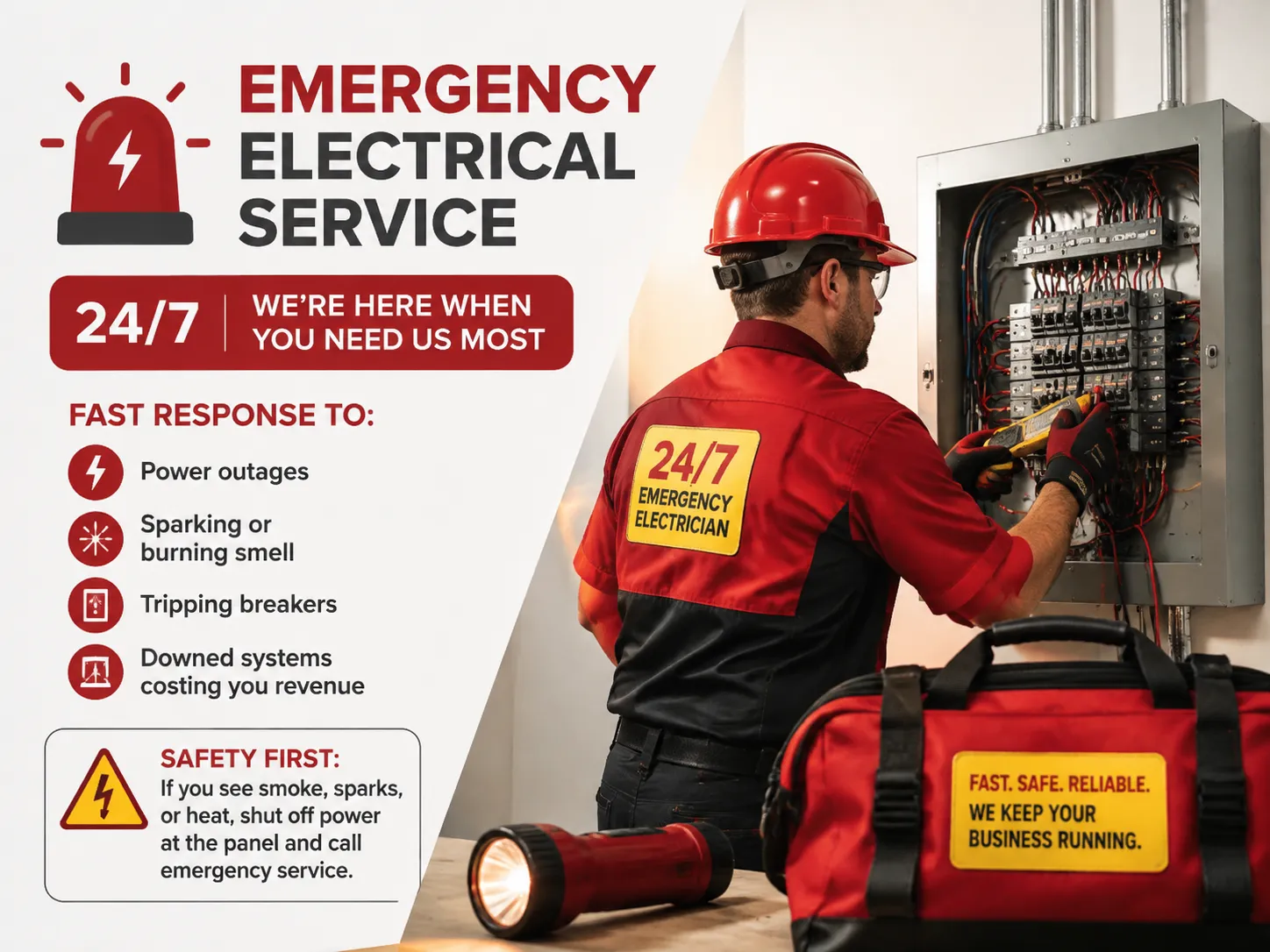
Dấu hiệu: mất điện, tia lửa điện, mùi hôi, cầu dao nhảy, hoặc hệ thống điện bị hỏng ảnh hưởng đến doanh nghiệp của bạn. Giải pháp: thuê Thợ điện khẩn cấp thương mại có mặt 24/7.
- Bao gồm: dịch vụ điều phối, xử lý sự cố, sửa chữa khẩn cấp và cung cấp điện tạm thời khi cần để doanh nghiệp bạn không bị gián đoạn.
- Chi phí điển hình: giá gọi khẩn cấp có thể rất cao và dao động từ $150-$500/giờ, chưa bao gồm linh kiện và dịch vụ. Đối với sửa chữa không khẩn cấp bạn sẽ phải trả $150-$200.
- Cần làm gì: trong trường hợp có khói, tia lửa hoặc nhiệt, đảm bảo tắt nguồn điện và gọi dịch vụ khẩn cấp ngay lập tức. Trong trường hợp cầu dao nhảy thường xuyên, đặt lịch chẩn đoán trước khi mất điện xảy ra.
- Mẹo: tốt hơn là có một nhà thầu thường xuyên/khách hàng có thể mong đợi phản hồi nhanh hơn và mức giá hợp lý hơn.
Cần #5: Nguồn điện dự phòng, Máy phát điện & ATS
Chỉ dẫn: cơ sở của bạn không thể chịu được mất điện (ví dụ: nhà hàng, nhà thuốc, trung tâm dữ liệu, cơ sở y tế). Giải pháp: lắp đặt máy phát điện dự phòng cùng hệ thống ATS.
- Nó bao gồm: xác định yêu cầu máy phát điện, lắp đặt bộ ATS (phát hiện mất điện và tự động bật máy phát), kết nối đường nhiên liệu và đáp ứng tiêu chuẩn lắp đặt.
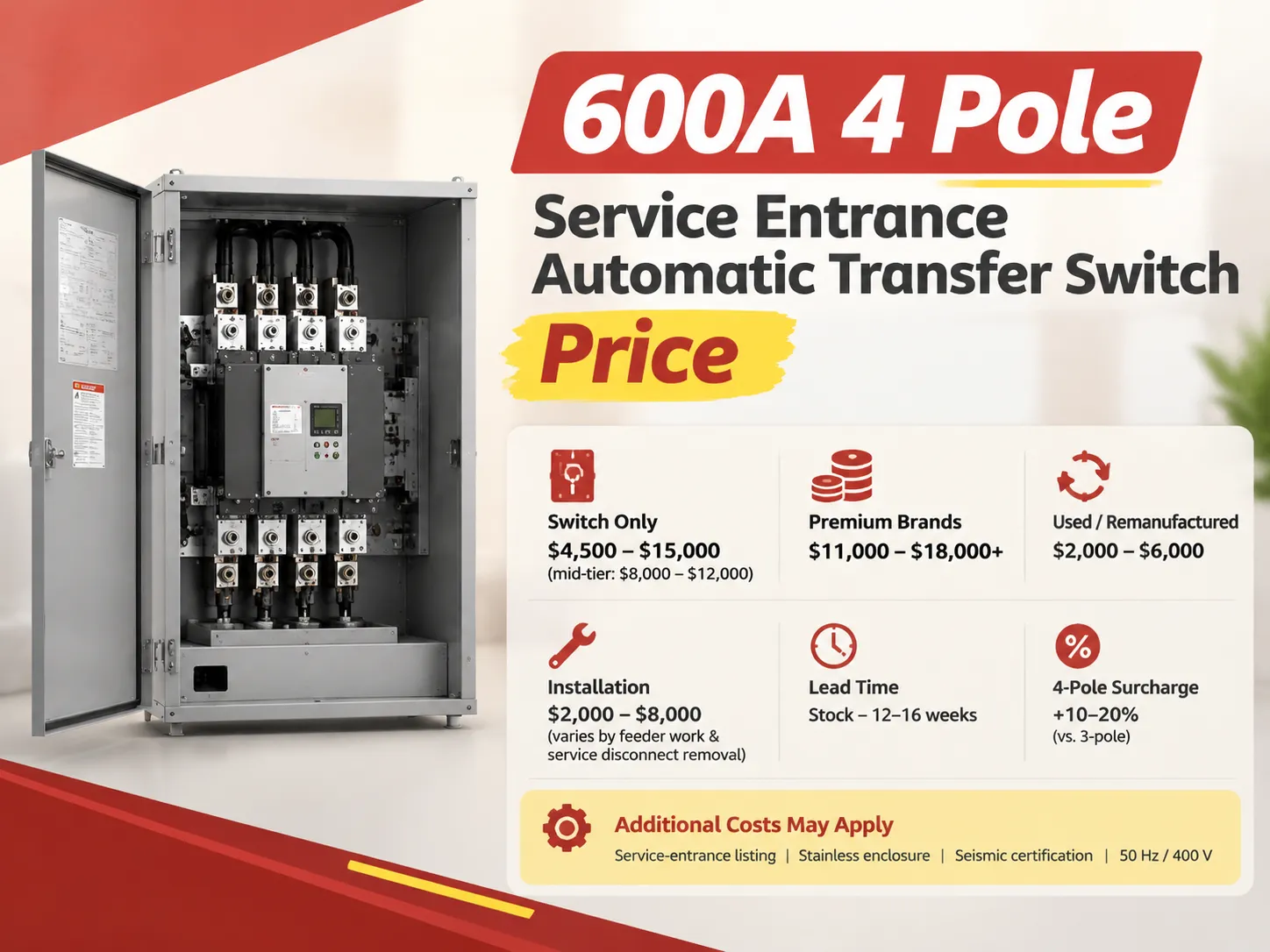
- Giá trung bình: hệ thống dự phòng có giá từ $5,000 đến $30,000 đã bao gồm lắp đặt tùy thuộc vào kích thước (kW), loại nhiên liệu và độ phức tạp của công việc. Bộ ATS có thể có giá từ $500 đến vài nghìn đô la.
- Những điều cần lưu ý: số pha trong ATS phải bằng số pha trong doanh nghiệp — doanh nghiệp ba pha thì ATS cũng phải ba pha. Các thương hiệu được công nhận nhất là Generac, Kohler và Cummins ở Bắc Mỹ; trong khi ở các nước theo tiêu chuẩn IEC, công ty HUYU Global cung cấp các công tắc chuyển mạch tự động với nhiều công suất pha khác nhau cho hệ thống dự phòng doanh nghiệp.
- Lời khuyên: ký hợp đồng dịch vụ (kiểm tra tải và kiểm tra pin) vì thiết bị dự phòng chưa được kiểm tra sẽ không hoạt động khi cần thiết.
Cần #6: Lắp đặt Bộ sạc EV
Triệu chứng: nếu bạn muốn sạc cho đội xe nhân viên, xe khách hàng hoặc thiết lập tòa nhà nhiều đơn vị, giải pháp là lắp đặt bộ sạc EV trên các mạch riêng biệt và thường xuyên xin hoàn tiền từ tiện ích.
- Yêu cầu: lắp đặt các mạch riêng biệt (thường khoảng 40-60A cho mỗi bộ sạc Cấp 2), kiểm tra/nâng cấp công suất bảng điện, thực sự lắp đặt bộ sạc và xin giấy phép cần thiết.
- Chi phí: chi phí công việc điện là $500-2,000 cho mỗi bộ sạc Cấp 2 (bản thân bộ sạc sẽ tính thêm, khoảng $400-$1500 hoặc hơn). Nâng cấp bảng điện sẽ tốn kém hơn nữa.
- Những điều cần đảm bảo: bộ sạc Cấp 2 được UL chứng nhận, như ChargePoint, Enel X, v.v., có tính năng chia sẻ công suất/quản lý tải.
- Mẹo: liên hệ với tiện ích về các chương trình hoàn tiền thương mại cho EV và chương trình giảm phí nhu cầu trước khi thiết kế hệ thống của bạn.
Cần #7: Bảo trì & Kiểm tra Phòng ngừa
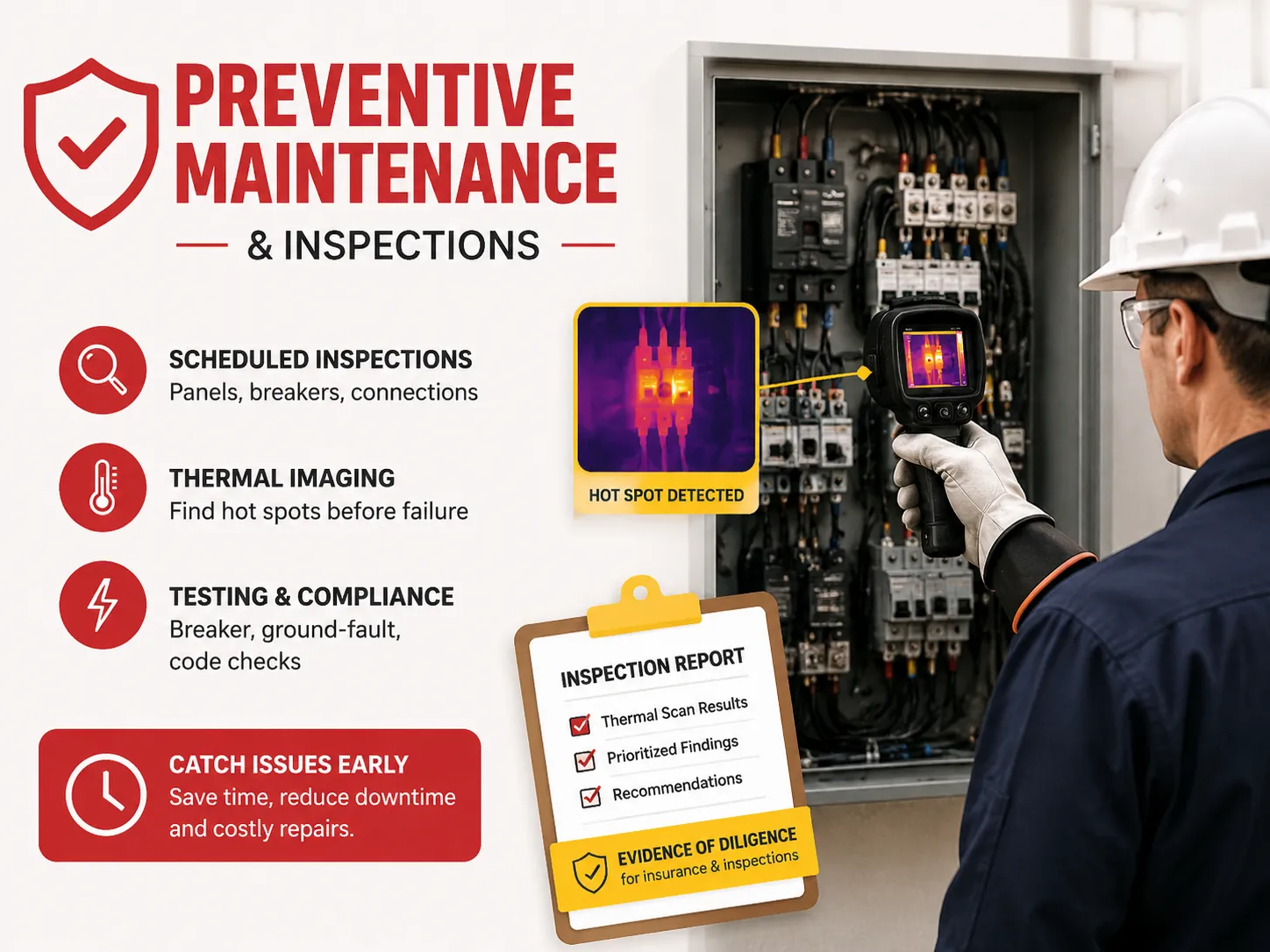
Dấu hiệu: Chưa xảy ra sự cố – hoặc sự cố nhỏ lặp lại. Giải pháp áp dụng: Bảo trì phòng ngừa (PM) và kiểm tra nhiệt định kỳ.
- Bao gồm: kiểm tra bảng điện định kỳ, chụp nhiệt kết nối (phát hiện điểm nóng trước khi hỏng), kiểm tra cầu dao, kiểm tra lỗi đất và kiểm tra mã quy chuẩn.
- Mức giá hiện hành: Hợp đồng bảo trì phòng ngừa có thể dao động từ $300-$1,500 mỗi lần đến tùy thuộc vào loại cơ sở và dịch vụ nhiệt ảnh hàng năm là một dịch vụ bổ sung phổ biến.
- Những điều cần yêu cầu: quét hồng ngoại bảng điều khiển và các kết nối quan trọng, cùng với báo cáo bằng văn bản liệt kê các thay đổi.
- Ưu điểm: bảo trì phòng ngừa phát hiện sự cố vào lúc 8 giờ sáng thứ Ba, không phải 8 giờ tối thứ Sáu khi giá cả và áp lực đạt đỉnh.
Bạn nên chỉ định thương hiệu thiết bị nào?
Vấn đề thương hiệu quan trọng vì cầu dao phải đến từ thương hiệu cùng dòng với bảng điều khiển. Ngoài ra, chất lượng thiết bị quyết định độ bền và thời gian bảo hành. Những điều cần hỏi về các loại thiết bị khác nhau:
| Thiết bị | Thương hiệu được công nhận (Bắc Mỹ) | Ghi Chú |
|---|---|---|
| Bảng điều khiển & cầu dao | Square D (Schneider), Eaton, Siemens, GE/ABB | Phải khớp chính xác dòng cầu dao với dòng bảng điều khiển |
| Chiếu sáng | Philips, Cree, Cooper/Eaton, Acuity | Được UL chứng nhận, thông số kỹ thuật công bố, đủ điều kiện nhận hoàn tiền tiện ích |
| Máy phát điện / ATS | Generac, Kohler, Cummins; HUYU (thị trường IEC) | ATS phải khớp số pha và điện áp |
| Bộ sạc EV | ChargePoint, Enel X, Wallbox, Tesla (tương thích) | Được UL chứng nhận, quản lý tải cho nhiều đơn vị |
| Báo cháy & an ninh | Honeywell, Siemens, Edwards, Bosch | Lắp đặt và chứng nhận bởi kỹ thuật viên có giấy phép |
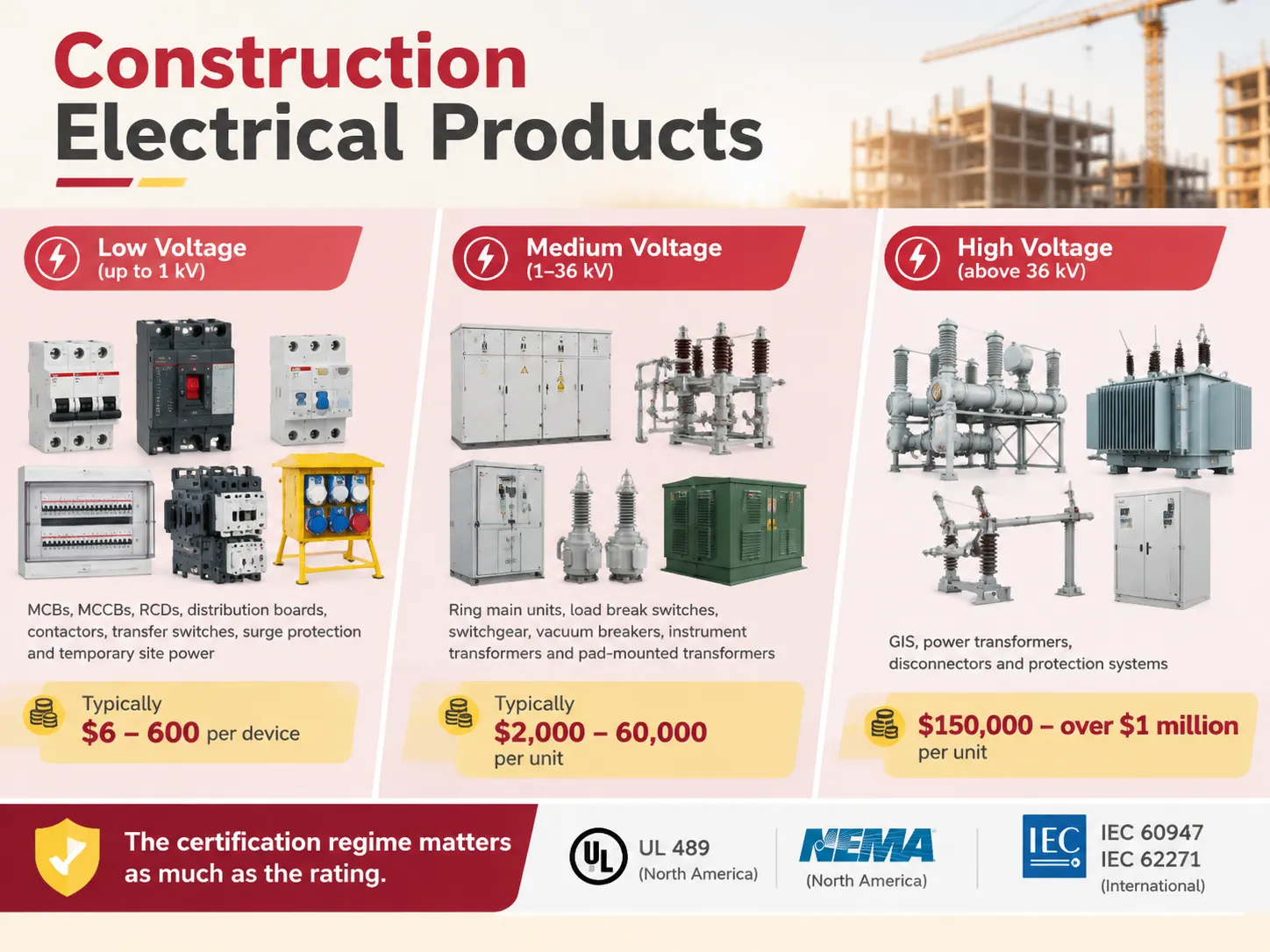
| Thiết bị thương mại thị trường IEC | HUYU Global và các nhà sản xuất được chứng nhận IEC tương đương | MCB, MCCB, RCCB, ATS, bảng phân phối |
Nếu bạn sử dụng thiết bị dựa trên yêu cầu tiêu chuẩn IEC (áp dụng chủ yếu cho tất cả ngoại trừ Bắc Mỹ), hãy tìm cầu dao và thiết bị phân phối phù hợp với tiêu chuẩn IEC 60898 / IEC 60947 và liên hệ với nhà sản xuất như HUYU Global chuyên về MCB, MCCB, RCCB và công tắc chuyển đổi được chứng nhận.
Thợ điện thương mại tính phí bao nhiêu?
Mức giá thương mại thường cao hơn nhà ở do giấy phép, bảo hiểm và độ phức tạp. Khoảng giá điển hình 2025–2026:
| Mục | Phạm vi điển hình | Ghi Chú |
|---|---|---|
| Mức phí theo giờ (có giấy phép) | $50–$150/giờ | Trung bình quốc gia ~$75–$100; các thành phố lớn như San Jose $100–$150 |
| Phí gọi dịch vụ tối thiểu | $150–$250 | Giờ đầu + chi phí đi lại; cao hơn ngoài giờ |
| Gọi khẩn cấp | $150–$500+ | Phụ phí cho điều động ngoài giờ/cuối tuần |
| Mạch mới | $150–$500 | Vật liệu + nhân công + giấy phép |
| Thay bảng điều khiển | $1,500–$4,000 | Bảng điều khiển thương mại; cao hơn cho lối vào dịch vụ |
| Cải tạo đèn LED | $100–$300/đèn | Thay đổi theo loại đèn |
| Mạch bộ sạc EV | $500–$2,000 | Excluding charger unit |
| Full build-out electrical | $3–$8/sq ft | Rough-in to finish, varies by scope |
Get at least three contractors’ quotes in writing and itemized, confirm whether permits are included, and ask about the brands of materials that will be used — a low bid may mean that low-cost brands will be used that do not pass inspection or won’t match your panel.
How to Choose the Right Commercial Contractor
- Make sure to check for licensing and insurance; specifically, verify that your contractor has a state contractor license (in California, it’s called a C-10), a general-liability insurance policy, and a workers’ compensation insurance policy.
- Be sure to check the commercial experience of the contractor — ask the contractor to supply 2–3 references for their previous work in projects similar to yours (such as commercial, office, restaurant, industrial).
- Ask for itemized quotations from 3 contractors, including price of materials and labor, price of permits, and expected duration in writing.
- Make sure the contractor assures you he will take care of all the permits and inspections — if the contractor can pull permits and set up inspections, you will know the job is completed in accordance with the building code.
- Ask whether the contractor can work off-hours — will he be able to perform the work without disrupting your business?
- Ask about the contractor’s warranties — reputable contractors provide minimum one-year warranty covering their craftsmanship.
Câu hỏi thường gặp
Thợ điện tính phí bao nhiêu cho công việc thương mại?
Licensed commercial electricians charge about $50 to $150 an hour, with the average rate in the U.S. at $75–$100 an hour in 2025–2026 (more in metro areas such as San Jose/San Francisco where skilled labor rates are around $100–$150). Along with the hourly labor, a service-call minimum ($150–$250), materials with markup, and permit fees are also considered. The cost of the project includes a new circuit ($150–$500), a commercial panel replacement ($1,500–$4,000), and the cost of emergency interventions that start anywhere between $150 and $500 to initiate the call-out. Always seek for written estimates from at least three contractors before you decide to choose one.
What does a commercial service electrician do?
A commercial service electrician sets up, offers maintenance services, and fixes electric lines in business places. Among the responsibilities they are responsible for are: service changes and panel upgrades, new wiring and circuits, three-phase power and motor control systems, installation of lights and LED retrofitting, installing emergency and alarm systems as well as backup generators and automatic transfer devices, installation of charging devices for electric cars, etc. Commercial electrician is different from residential one in that it works with higher voltage rates (480V and 208V), commercial codes, and interacts with businesses in order to avoid downtime.
What are some commercial electrical companies in San Jose, California?
Numerous commercial electrical contractors are operating in San Jose, such as Rosendin Electric, Cupertino Electric, Helix Electric, and Qmerit. They are some of the mentionable contractors that cater to commercial projects. Also, there are various mid-sized licensed C-10 contractors servicing the retail, office, and light-industrial sectors. Unfortunately not all of them keep up with trends and changes of the industry, which is why a safer option is to check who has an active license in California using the official California Contractors State License Board. There you will find all licensed C-10 contractors; also, make sure to ask them for testimonials and reviews in order to learn about their services.
What do most electricians charge per hour?
Most licensed electricians charge between $50 and $150 per hour in 2025–2026, with an average of around $75 to $100 per hour. Rates depend on several factors: the region, level of experience (for example, apprentice vs. journeyman vs. master), and type of job (the charge for commercial and industrial jobs is usually more than for residential jobs). According to the statistics, the hourly wages of electricians in San Jose are about $32–$42, but rates of contractors may be higher due to the inclusion of insurance costs, overhead, and profit margin.
Tài liệu tham khảo
- NFPA 70 — National Electrical Code: commercial installation requirements
- California Contractors State License Board — C-10 electrical contractor licensing and verification
- Payscale — Electrician hourly pay in San Jose, CA
- Indeed — Electrician salary data for San Jose, CA
- Shyft — Commercial electricians in San Jose: services and qualifications
- U.S. DOE — commercial lighting rebates and energy efficiency programs
Kết luận
Commercial electrical services include everything a business may require, including panel upgrades, new construction, emergency repairs, emergency power supply, EV charging stations, and preventive maintenance. Because they utilize not only certificates and licenses but also insurance and are complicated, they are generally pricier than residential work. The fees per hour vary between $50 to $150, while budget estimates will come from itemized quotations for every single project related to your business.
To get the outcome you need, you should follow the same steps for every case: read this guide so that you are aware of your position, learn what equipment you should order, check certificates and licenses, get 3 detailed quotations for your project, and double-check that all necessary permits and inspections are taken care of.