
Giá của các bộ ngắt mạch tại Bangladesh vào năm 2026 chủ yếu được xác định bởi ba yếu tố không liên quan trực tiếp đến bộ ngắt mạch: thuế nhập khẩu, biên độ phân phối nội địa của thương hiệu, và việc bộ ngắt mạch được nhập khẩu qua kênh chính hãng hay thị trường xám. Do đó, ví dụ, một bộ ngắt mạch thu nhỏ 32 A có thể được bán với giá 250 Taka tại Dhaka và 900 Taka tại Dhaka, và cả hai người bán đều có thể thu lợi nhuận.
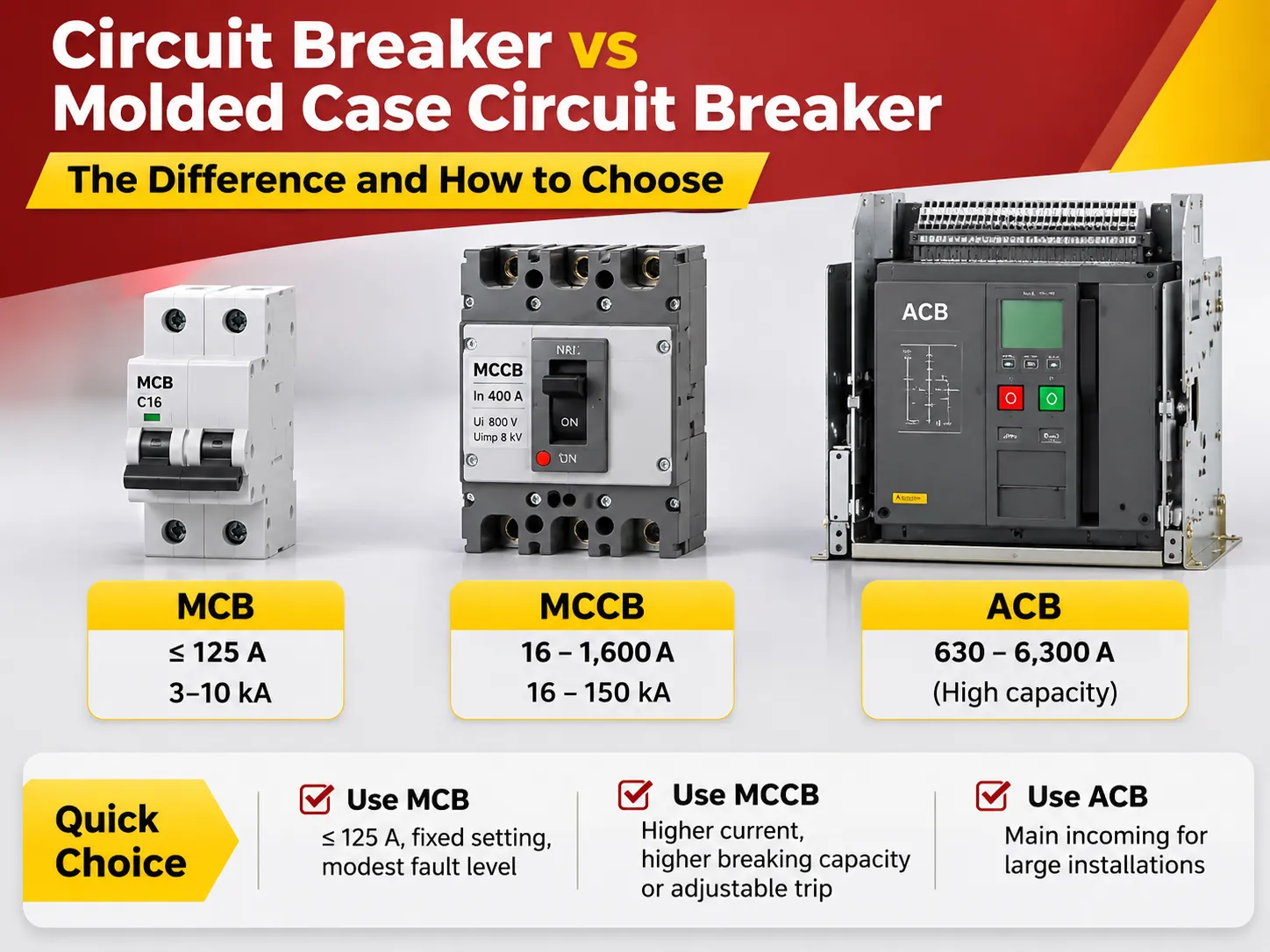
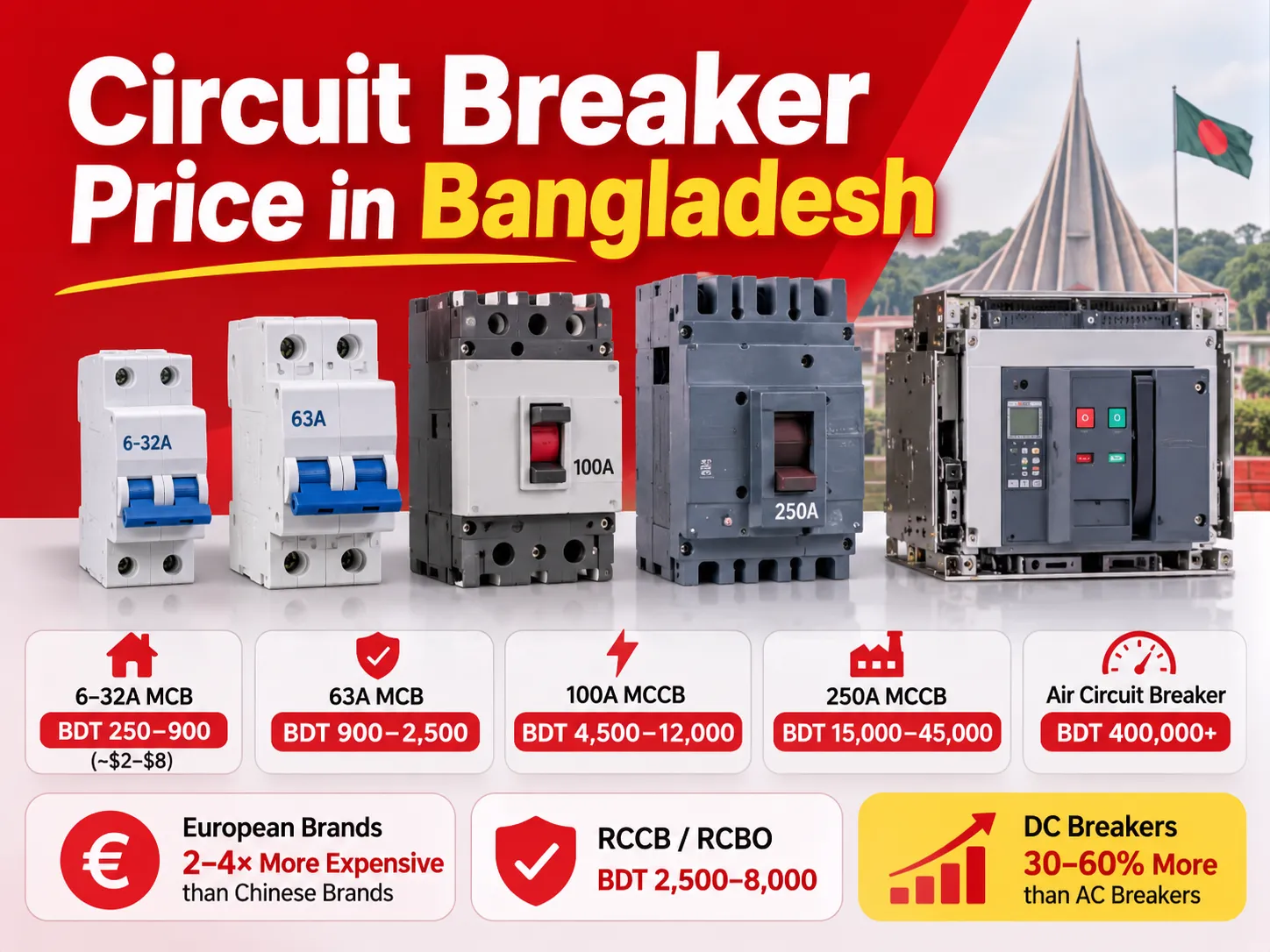
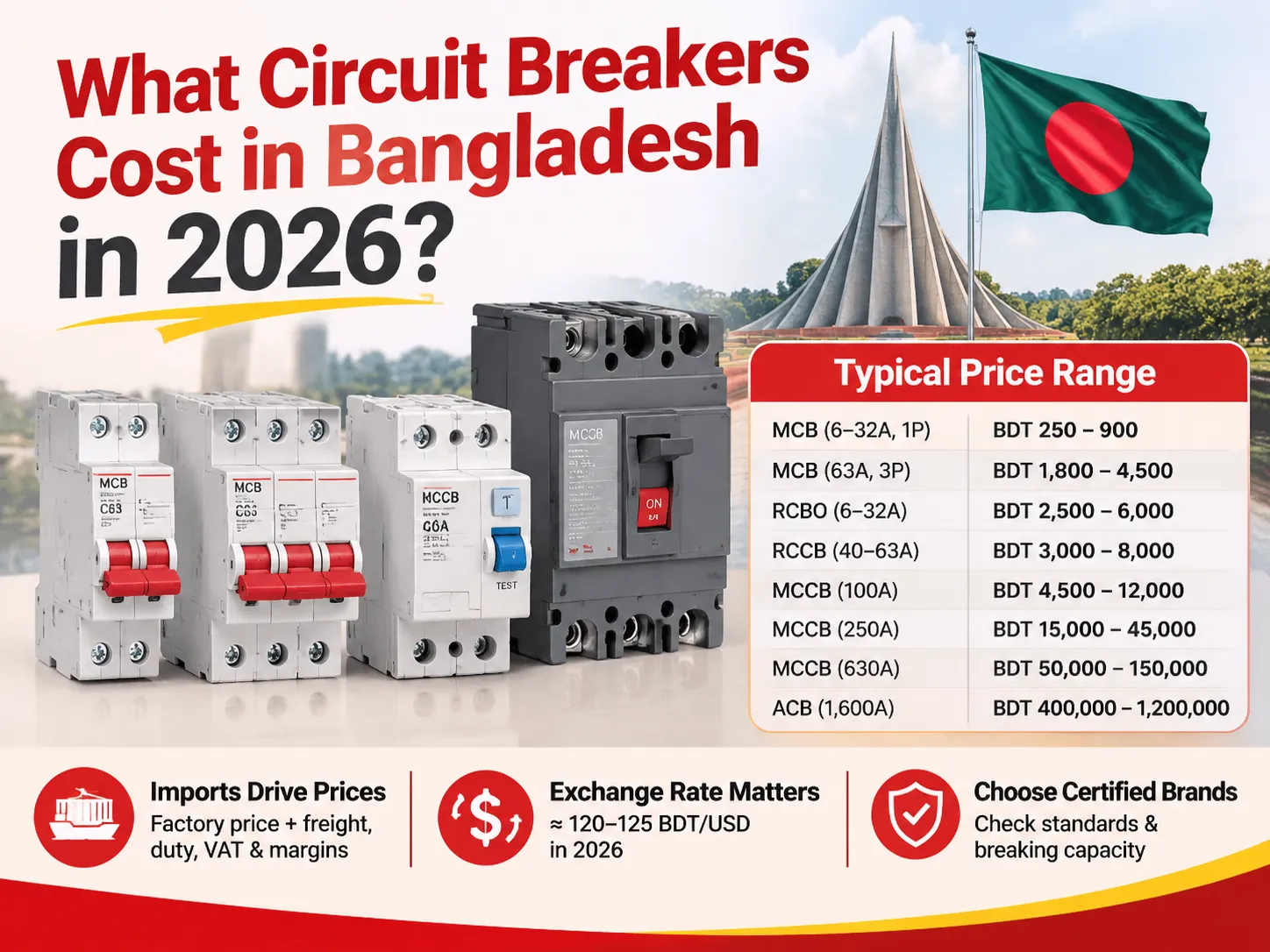
Tóm lại, một bộ ngắt mạch thu nhỏ từ 6 đến 32 A có giá khoảng 250-900 Taka tại Dhaka; một MCB 63 A được bán với giá khoảng 900-2,500 Taka; một bộ ngắt mạch vỏ đúc 100 A có thể tìm thấy với giá 4,500-12,000 Taka; 15,000-45,000 Taka cho một MCCB 250 A; và 400,000 Taka trở lên cho một bộ ngắt mạch không khí. RCCB và RCBO có giá từ 2,500-8,000 Taka. Chi phí của các sản phẩm thương hiệu châu Âu thường gấp hai đến bốn lần so với các sản phẩm Trung Quốc tương đương, vì mức giá cao hơn dành cho dịch vụ hỗ trợ địa phương và chứng nhận có thể xác minh được thay vì cơ chế tốt hơn. Bộ ngắt mạch DC thường có giá cao hơn 30-60% so với bộ ngắt mạch AC cùng định mức dòng điện.
Các phần tiếp theo cung cấp chi phí cho các bộ ngắt mạch theo loại, định mức dòng điện, loại thương hiệu, loại dòng điện và tổng chi phí, bao gồm phí tuân thủ và thuế. Phần cuối cùng thảo luận về các điểm hỏng hóc của bộ ngắt mạch giá rẻ và cách ước tính ngân sách dự án.
Chi phí của bộ ngắt mạch tại Bangladesh năm 2026
Hầu hết các bộ ngắt mạch tại Bangladesh đều được nhập khẩu. Chi phí của chúng bao gồm giá nhà sản xuất cộng với cước vận chuyển, thuế, VAT, biên độ lợi nhuận cho nhà nhập khẩu và nhà bán lẻ. Do đó, một bộ ngắt mạch tại Dhaka thường có giá cao hơn 40-60% so với giá FOB và việc so sánh báo giá trong nước với các đề nghị trên Alibaba có thể gây hiểu lầm.
Tỷ giá BDT so với USD đóng vai trò ngang bằng với thuế quan. Vào năm 2026, tỷ giá dự kiến khoảng 120 đến 125 BDT cho mỗi USD và do đó, một bộ ngắt mạch được báo giá 6 USD FOB sẽ có giá khoảng 730 BDT trước thuế và giá bán lẻ cuối cùng (từ 1,100 đến 1,300 BDT) là hợp lý, không bị thổi phồng.
Có ba phân khúc mua hàng trong thị trường điện. Các khu vực dân cư và thương mại mua bộ ngắt mạch thu nhỏ từ các cửa hàng cung cấp điện tại Dhaka, Chittagong và Sylhet. Các dự án công nghiệp mua bộ ngắt mạch vỏ đúc và bộ ngắt mạch không khí từ các nhà phân phối chính hãng dựa trên thông số kỹ thuật. Khu vực tiện ích và khu vực chính phủ mua thiết bị điện thông qua các gói thầu cạnh tranh dựa trên thông số kỹ thuật có tiêu chuẩn, loại thương hiệu và chứng nhận kiểm tra.
Mỗi hàng trong bảng dưới đây so sánh giá của từng sản phẩm từ giá thấp nhất đến giá cao nhất của cùng loại sản phẩm. Trong mọi trường hợp, tỷ lệ giữa sản phẩm có giá thấp nhất và sản phẩm có giá cao nhất dao động từ hai đến bốn lần. Sự khác biệt chủ yếu xuất phát từ tên thương hiệu và chứng nhận hơn là từ khả năng vốn có của sản phẩm. Ví dụ, MCB 32 A có giá thấp nhất do một nhà sản xuất uy tín sản xuất có thể ngắt dòng tối đa 6 kA.
Do đó, mỗi MCB 32 A do nhà sản xuất chất lượng sản xuất đều có khả năng ngắt dòng 6 kA, tuy nhiên độ nhất quán trong hiệu chuẩn, chất lượng mạ và khả năng xác thực chứng nhận lại khác nhau rất nhiều giữa các nhà sản xuất. Vì vậy Các dòng MCB công bố cả dung sai hiệu chuẩn và các lớp khả năng ngắt dòng dễ dàng so sánh hơn so với các dòng MCB chỉ công bố định mức dòng điện.
Giá theo định mức; Trong cùng một loại
Đối với một dòng sản phẩm cụ thể, tăng dòng điện không đồng nghĩa với việc tăng giá tỷ lệ thuận cho cùng một sản phẩm. Bằng cách biết các bước tăng giá trong mỗi loại sản phẩm, bạn có thể lập ngân sách mua hàng chính xác hơn.
| Bước định mức | Ảnh hưởng đến giá | Lý do |
|---|---|---|
| MCB 6 A đến 32 A | Gần như bằng phẳng, 10-25 Taka | Vỏ giống nhau, cơ chế giống nhau, hiệu chuẩn khác nhau |
| MCB 32 A đến 63 A | Tăng gấp đôi | Vỏ lớn hơn, tiếp điểm nặng hơn, lớp 10 kA |
| MCB 63 A đến 125 A | Tăng gấp ba lần | Khung khác, chủ yếu là ba cực |
| MCCB 100 A đến 250 A | Gấp ba lần | Kích thước khung, khả năng ngắt, bộ phận trip |
| MCCB 250 A đến 630 A | Gấp ba đến bốn lần | Tùy chọn trip điện tử, kết nối thanh cái |
| Lợi ích về giá của bộ ngắt 6 kA so với bộ ngắt 10 kA | +30-50% | Vỏ cung nặng hơn, tiếp điểm lớn hơn |
| Lợi ích về giá của trip nhiệt từ so với trip điện tử | Gấp hai đến ba lần | Biến dòng, bộ xử lý, điều chỉnh cài đặt |
Ứng dụng thực tế là bảng điện chứa nhiều mạch nhỏ có giá thấp hơn bảng điện chứa vài mạch lớn. Ví dụ là chi phí thấp hơn của bảng điện dân dụng 12 ngõ chứa các MCB so với chi phí của một bộ ngắt vỏ đúc 250 A. Đây là yếu tố quan trọng khi chuẩn bị và phân chia ngân sách dự án. Ví dụ khác là bộ ngắt vỏ đúc ở đầu trên của thang đo, có khả năng bao phủ phạm vi 16-250 A trên một khung duy nhất với trip nhiệt từ điều chỉnh được, cho phép tạo ra một nhánh phụ với lịch trình chi phí hợp lý so với danh sách nhiều thiết bị riêng lẻ.
Tại sao bộ ngắt AC và DC lại khác biệt nhiều về giá
Chi phí của bộ ngắt DC so với bộ ngắt AC cao hơn 30-60 Taka do hồ quang.
Trong mạch AC, có hai nửa chu kỳ hoặc hai lần qua không trong mỗi chu kỳ hoàn chỉnh, tại thời điểm đó hồ quang tự nhiên tắt; do đó, hồ quang chỉ cần được ngăn không cho tái phát bởi cầu dao. Ngược lại, mạch DC không có điểm qua không, vì vậy hồ quang phải được dập tắt bằng các phương tiện bên ngoài như kéo dài hồ quang, làm mát hồ quang và phân tách hồ quang qua nhiều điện cực; do đó, ống dập hồ quang cho mạch DC phải lớn hơn, phải có nhiều điện cực hơn và phải sử dụng lực từ mạnh hơn để kéo các hồ quang ra xa nhau, tất cả trong cùng không gian với mạch AC.
Ở Bangladesh, các ứng dụng năng lượng mặt trời cho nguồn DC đã phát triển nhanh chóng, và sự tăng giá cho các ứng dụng năng lượng mặt trời có thể thấy rõ trong giá của cầu dao DC. Ví dụ, giá của cầu dao DC với dòng định mức 32 ampe dùng trong bộ kết hợp chuỗi dao động từ 1200 đến 3000 BDT, trong khi cầu dao tương đương định mức AC có giá từ 400 đến 900 BDT; do đó, sự khác biệt về giá lại do thiết kế của cầu dao định mức DC.
Về mặt an toàn, Cầu dao định mức DC không nên được sử dụng hoặc thay thế bằng cầu dao định mức AC vì chúng không có khả năng dập tắt hồ quang và có thể bị đóng không chủ ý khi cầu dao AC bị hỏng. Thật không may, việc thay thế cầu dao AC bằng cầu dao DC là thực hành phổ biến trong các hệ thống năng lượng mặt trời nhỏ; do đó là lý do cho các ký hiệu khác biệt rõ ràng trên các thiết bị định mức DC.
Các cấp thương hiệu và những gì mà sản phẩm cao cấp mang lại
Các thương hiệu châu Âu cao cấp cung cấp cho người tiêu dùng Bangladesh ba lợi thế cụ thể: hỗ trợ kỹ thuật tại địa phương, chứng nhận có thể xác minh qua cơ sở dữ liệu của nhà sản xuất, và tồn kho sẵn có. Hỗ trợ kỹ thuật tại địa phương rất quan trọng khi xử lý các sơ đồ bảo vệ; trong khi đó, chứng nhận được yêu cầu bởi các tư vấn viên để tuân thủ các quy định địa phương; và tồn kho được duy trì để giảm thiểu các vấn đề do cầu dao bị hỏng, đặc biệt là trong các bệnh viện, nơi thời gian dự kiến để giao cầu dao thay thế có thể lên đến ba tuần.
Mặc dù giá của các thương hiệu Trung Quốc cấp một và lắp ráp địa phương có thể hấp dẫn hơn đối với cư dân và các nhà máy nhỏ, yếu tố quan trọng nhất khi chọn thiết bị là phải chắc chắn rằng có chứng nhận hợp lệ và có thể truy xuất nguồn gốc. Thiết bị cũng phải có chứng chỉ hiệu chuẩn có thể xác minh because these devices have the highest potential for failure, which creates the need for fast replacement of breakers if the load ultimately exceeds 100 amps. At this point, the decision-making process regarding molded case breaker supply becomes increasingly complicated, due primarily to the number of devices purchased individually versus packaged together.
Between the factory and the retail shelf, there are three costs that account for most of the difference between an FOB price and the retail price in Dhaka.
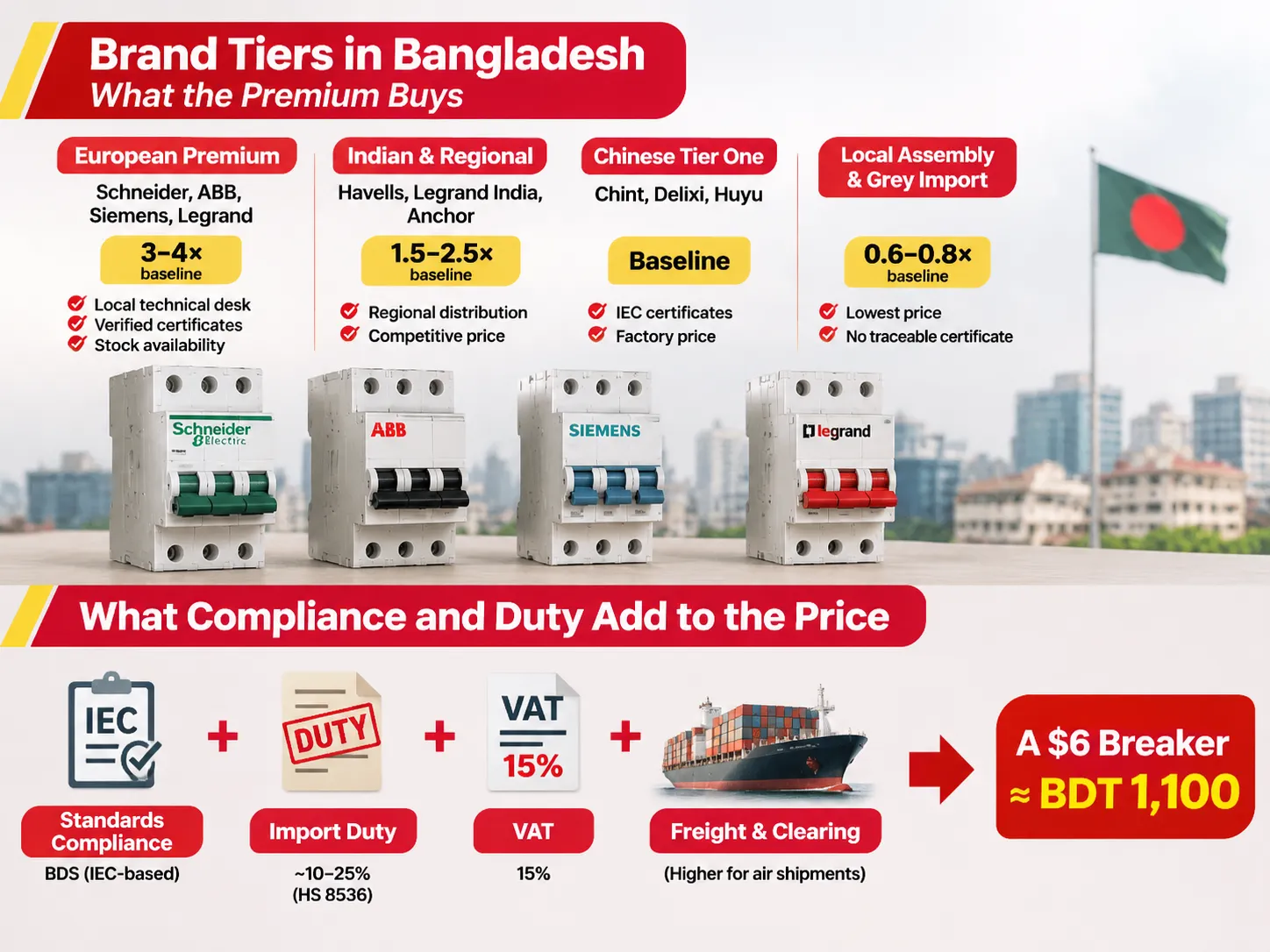
What Compliance and Duty Add to the Price
The compliance with International Electrotechnical Commission (IEC) standards has been adopted for Bangladesh using Bangladesh Standards and Testing Institution (BSTI) equivalent(s). The BSTI certifies circuit breakers to allow them to be sold in Bangladesh; therefore, a circuit breaker needs to have been tested for compliance against the appropriate IEC standard in order to be deemed compliant, regardless of the label the manufacturer uses, and a test certificate serves as proof of compliance.
Import Duties on Circuit breakers fall under the Harmonized System (HS) classification of HS 8536. The import duty percentage rate applied to circuit breakers depends on their specific HS classification/subheading as well as whether or not the importer has an import concession and will range from approximately 10-25% of the Custom Invoice Value (CIF) amount; therefore, it is important to confirm the classification/subheading prior to shipping, rather than after shipping.
VAT is applied to an assessed value of 15% on the cost of the product at the time of Importation and again at the time of Sale; this figure explains the difference in the retail price for a circuit breaker that costs $6; therefore, a circuit breaker that costs $6 would sell at a retail shelf price of BDT 1,100 (rupees)/BDT 900 (rupees, respectively); VAT applies equally to all brands.
Freight & clearance represent the remaining part of the price difference between the FOB price and the Price on Shelf in Dhaka. While the cost per unit shipped in a full container of Miniature Circuit Breakers (MCB) is significantly less than that of a single Molded Case Circuit Breaker (MCCB) shipped via Air freight, the urgent Replacement of an MCCB from Bangladesh has a significantly higher shipping price than the same item included in a project shipment.
Where Inexpensive Products are Not as Effective
The main causes for the discrepancy between an electrical component that is effective for 20 years versus one that is only effective for three years come from four different areas that are typically not observable on the parts.
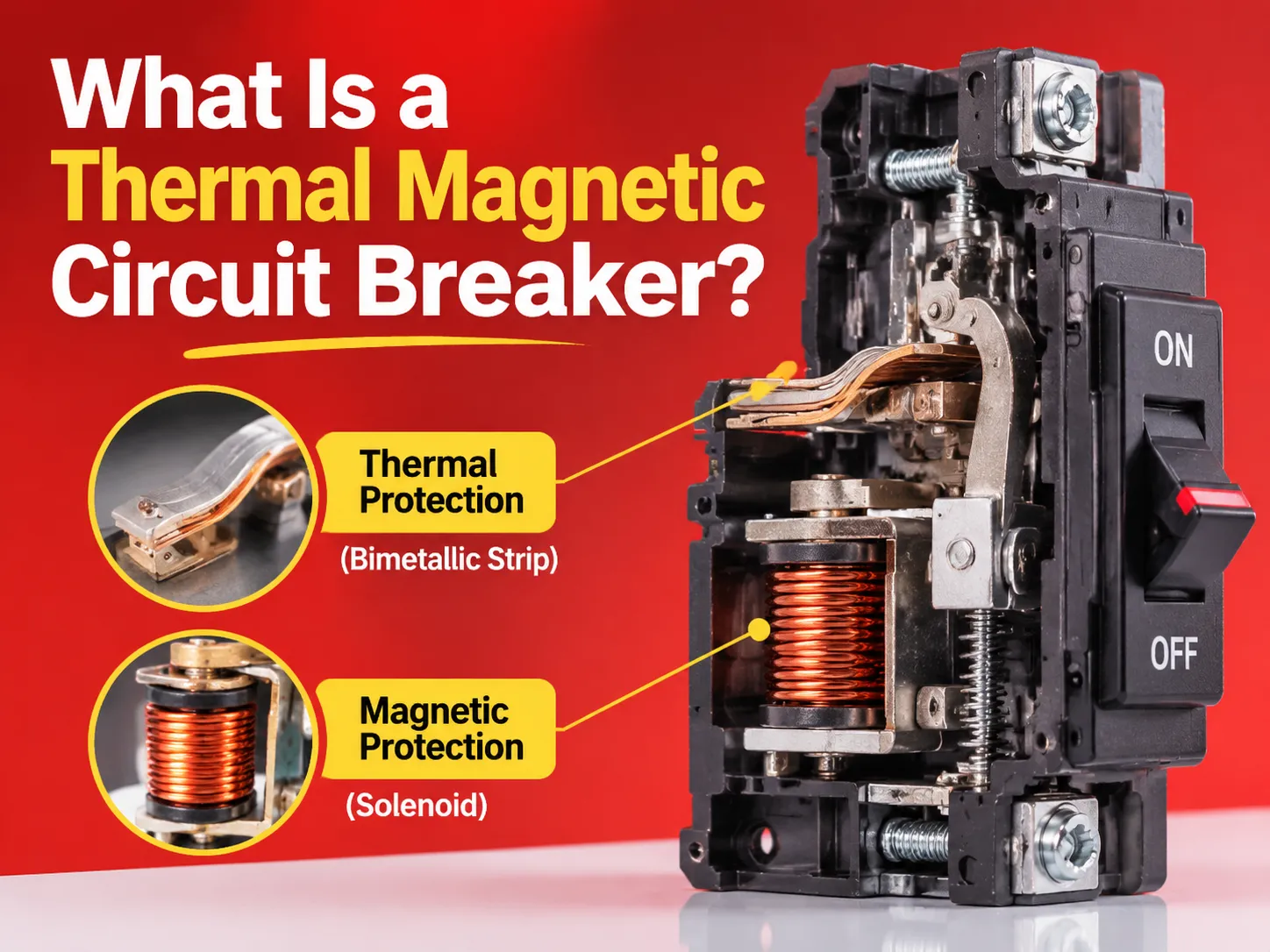
Calibration Drift. When a circuit breaker is new, it is calibrated to trip at approximately 1.6 times its rated capacity. However, after just a few years of being thermally cycled, a CB that originally was rated to trip at 1.6 has now calibrated itself to trip at 2.2 times its original rating, leaving the cable it protects without adequate protection. The calibration of each circuit breaker is determined by the bimetal strip and the adjusting screw. The calibration process is eliminated with inexpensive units so that manufacturers can take advantage of low-quality materials and manufacturing processes.
Contact Plating. Contact surfaces of circuit breakers can wear through due to heat generated at contact points due to inadequate contact surface area and, in many cases, inadequate shunt (to dissipate heat). Maintenance personnel typically discover overheating contact surfaces using infrared scans after the breaker has been running at an elevated temperature for one year.
Arc Chute Design. Arc chutes that are too short and contain too few plates will stop the current flow once during a fault condition; however, an inadequate design will not trip during the first short on the fault current, and the arc chute will fail again during the second iteration of the fault.
Terminal Torque. Circuit breakers that cannot be tightened properly due to striping the terminal threads at their rated torque will not operate safely when installed in a distribution board. Loose terminals are the most frequent cause of fires in the distribution board. The behaviour of multiple circuit breakers (MCBs) and moulded case circuit breakers (MCCBs) and why they are treated differently with respect to the ability of moulded case circuit breakers to withstand higher terminal loads are discussed.
At the point of assessment at the counter, only three of the four devices listed can actually be evaluated for acceptance of return and the certification of origin and possible batch marking of the unit should it fail. Therefore, when assessing a brand tier, it is not a quality decision but rather an evaluation of recourse available to buyers.
Building a Budget by Application
Using an application to create a project budget, we have provided an indicative estimate for devices needed based on typical applications:
| Ứng dụng | Mạch đơn pha dòng cao | Devices | Indicative budget |
|---|---|---|---|
| Two bedroom flat | 8 Circuits | 8-MCB 1-RCCB 1-Main switch | BDT 12,000-30,000 |
| Small Retail/Office | 12 Circuits | 12-MCB 2-RCBO 1-MCCB 100 A | BDT 25,000-60,000 |
| Small Factory | 200 A Service | 1-MCCB 250 A 6-MCB 100 A 12-MCB | BDT 120,000-280,000 |
| Rooftop Solar | 10 kW | DC isolators, DC breakers, AC breaker, SPD | BDT 35,000-80,000 |
| Industrial Main Incomer | 1600 A | 1-ACB metering & controls | BDT 500,000-1,300,000 |
The above costs are the costs for the device alone. To estimate a project budget for devices, we need to add between 60%-150% to the above costs for expenses related to boards, busbars, enclosures, wiring and labor depending upon whether the completed board was manufactured locally or imported as a complete assembly. As a result, it is common for project budgets that include only devices to be inaccurate by the time the board is energized.
Where HUYU products fit in the market
We manufacture miniature circuit breakers (MCB), moulded case circuit breakers (MCCB) from 1 A-1600 A as per the requirements of IEC 60898-1, IEC 60947-2 & UL 489 for regions that require UL rated MCBs and MCCBs. Our pricing is positioned in the Chinese tier-one group within Bangladesh, or approximately one third that of European brands and slightly less than one-fifth above the pricing of unbranded devices.
The succession of circuit breakers may vary widely based on local / national priorities and what the average cost of living or working costs are like. In some parts of Bangladesh you may be able to find MCB’s at a starting price of BDT 250. This is by no means a fair comparison as in most regions the prices can be found to have a maximum of five different price points between different brands or suppliers.
The minimum price point of an MCB would typically be around BDT 250 for miniaturised designs (with both 6 & 32 A ratings available) which could go as high as BDT 900 for larger 63 A models (type A). Most MCBs would be sold at around 40% to 50% less than the equivalent-value AC Breaker’s price.
Additional notes include:
Because of the size of Bangladesh and how long it has developed in relation to other Asian countries, you will not find all retail shops in every region providing the full range of products. As an example, in larger metropolitan areas, such as Dhaka you would expect to see more variety on offer as opposed to rural markets where most MCB brands may therefore only be supplied at specific times.
Three reasons for these price variations are as follows:
- Local product sourcing
- Volume of stock ordered
- Differences in business operations
It should also be remembered that circuit breakers in Bangladesh are more cost-effective compared to many European brands. The primary reason behind this is due to the developmental stage that Europe is at, regarding the price model of MCB breakers in comparison with Bangladesh. For instance, you can find AC circuit breakers from an average of BDT 400,000 or so (.which is equivalent to £100) while you will pay well over £1000-£2500 in Europe (depending on size, type, manufacturer).
A grey import device may not come with an authorised distributor’s warranty or technical support, however it will still function when purchased. Grey import devices may also be sold without the endorsement of a recognised brand, as many of them will come with a photocopy of the original certificate for authentication purposes – these devices often miss the step of proper calibration. Genuine versions may also exist, but usually deal with the initial product sourced from a batch older than what current production methods yield. Only the first two options above can yield significant savings for consumers, while both options leave consumers with all the risk associated with these types of products.
Câu hỏi thường gặp
Do I need to use a DC breaker on my solar array(s) in Bangladesh?
According to the National Electrical Code of Bangladesh (NEC), you must install a DC breaker on the DC side of your solar array. A DC breaker is designed for extinguishing DC arcs and therefore uses a longer arc chute than its AC equivalent to successfully extinguish an arc that does not have a zero-crossing, in addition to using additional plates and parts within the breaker. Therefore, an AC breaker rated to handle the same amount of current will not clear a DC fault reliably and may potentially fail in the closed position.
What kind of certification should a circuit breaker have in Bangladesh?
All circuit breakers on the market in Bangladesh should be tested and certified to the appropriate IEC standards. For miniature circuit breakers, the applicable standard is IEC 60898-1; while for moulded case circuit-breakers, the appropriate standard is IEC 60947-2. Your certificate for a circuit breaker should name the model and manufacturer exactly as it appears on the breaker itself. The Bureau of Standards and Technical Information has a number of local entities that certify products for local sale. When bidding on commercial projects, you should expect to have been asked to provide test report(s) and batch markings together with your circuit breaker certificates.
Tài liệu tham khảo
- UL Solutions – Circuit Breaker Standards and Certification
- Schneider Electric – Circuit Design & Distribution Equipment
- Legrand – Circuit Breakers & Earth Leakage Devices
- Hitachi Energy – Low Voltage Circuit Protection and Switch Gear
- NEMA – Moulded Case Circuit Breaker Application Data
Kết luận
The cost of circuit breakers in Bangladesh is driven by type, rating, the supplier’s brand tier, along with any Applicable/Tariff duty and VAT stacks. For example, miniature breakers tend to cost comparatively low due to the small size of the device and the availability of common mechanisms associated with them; whereas a moulded case circuit breaker rated at 250A will cost nearly THIRTY times more due to the differences in the added complexity and expensively fabricated components associated to the product. The price is always going to be important, however, the more important question to answer is which supplier will give you a traceable certificate and accept this device back if it fails for any reason whatsoever.
In a market where grey imports and counterfeit devices are widespread and common, the only two things you have on your devices that cannot easily be copied or faked are the certificate P/N and Batch Mark, therefore, paying for those two items is certainly a good investment in your equipment and reputation.