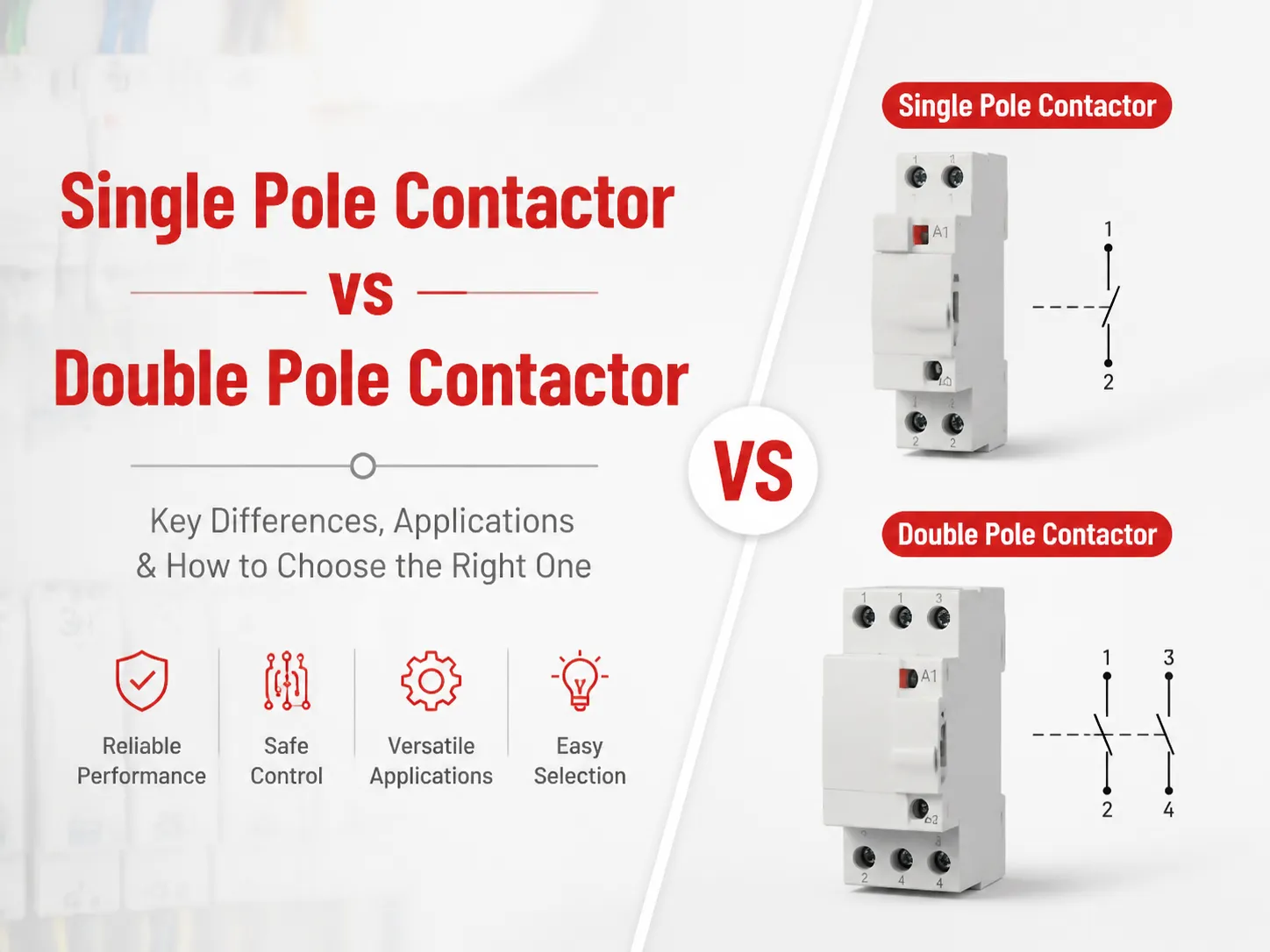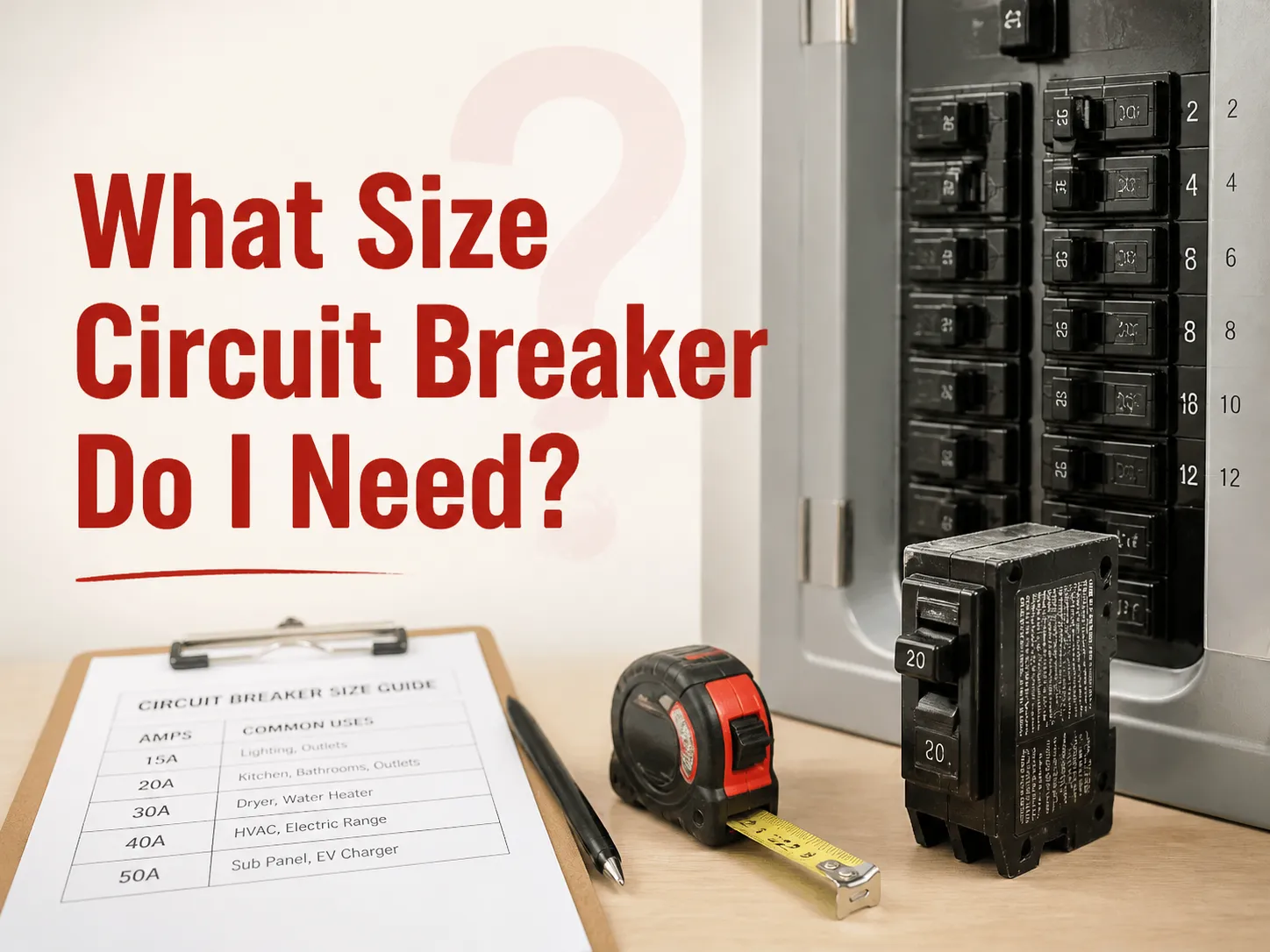

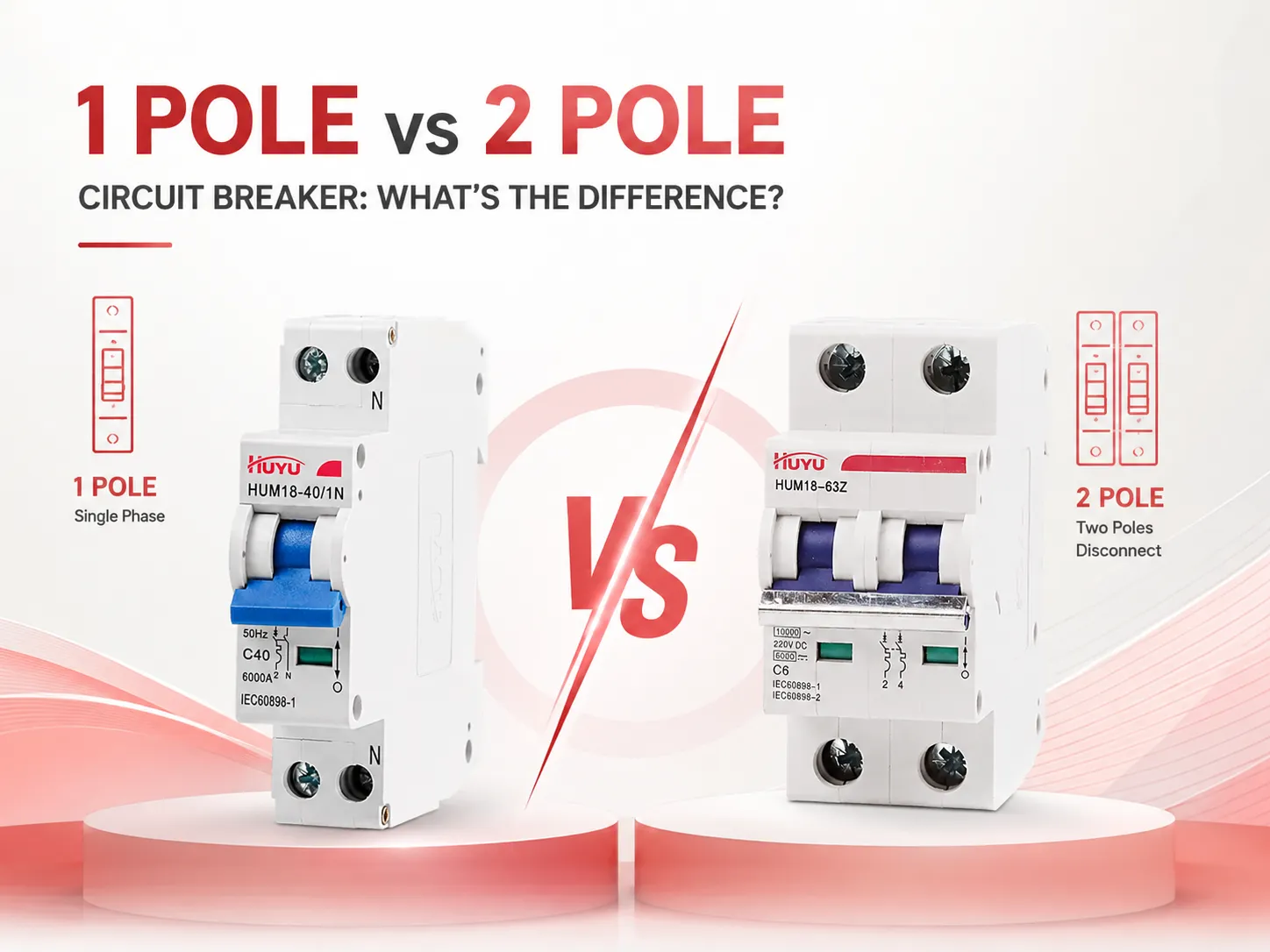
Deciding between a 1 pole or 2 pole breaker is one of the first things to consider when working on the installation of electrical circuits or when looking at an existing circuit panel. The basic difference is quite simple: the single-pole breaker serves to protect or monitor the condition of a single wire with an electric charge at a typical voltage of 120 volts (North American). 120V circuits are commonly found at lights and outlets. On the other hand, a two-pole breaker provides simultaneous protection for two energized wires and provides power at 240 volts for appliances such as a dryer, hot water heater, or central air conditioning, all of which require two wires, a second line, and a separate circuit. Understanding this difference will ensure the continued safe operation of your current electrical system and ensure it meets all state and local electrical codes.
What Is a 1 Pole Circuit Breaker?
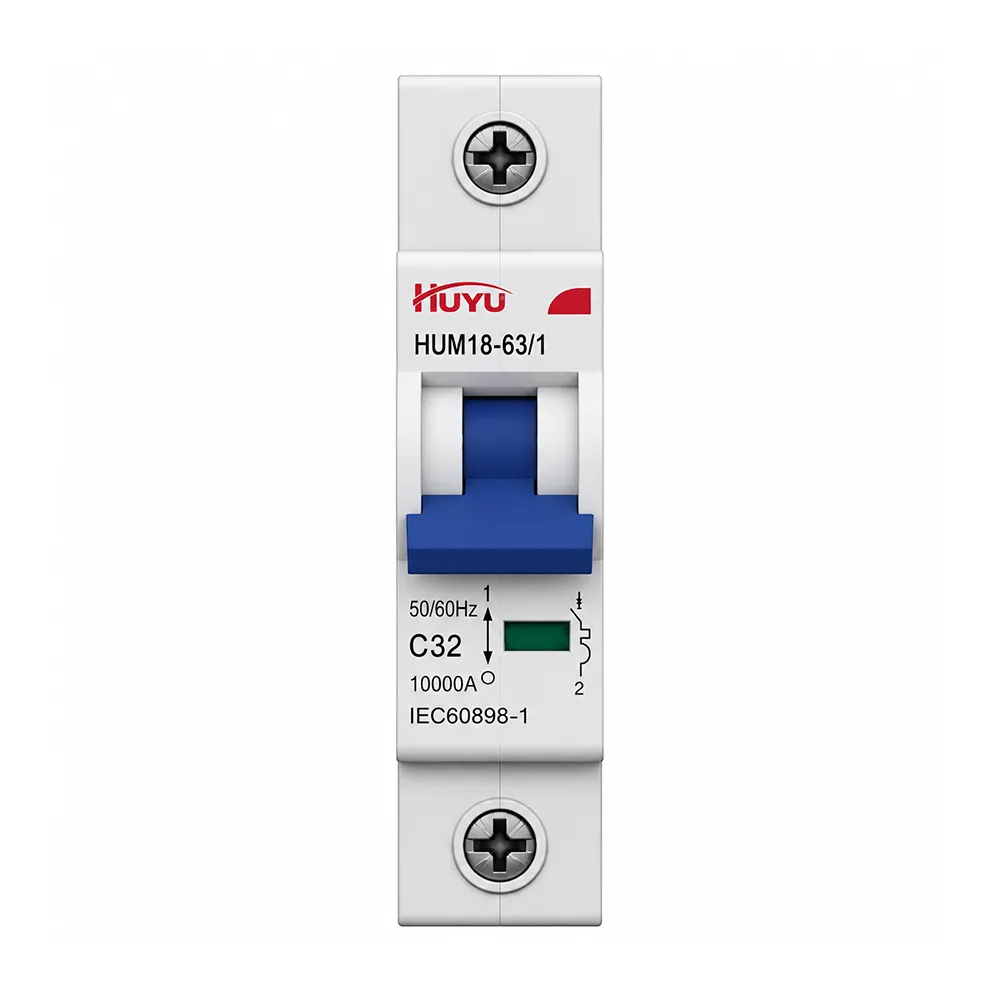
A single-pole breaker utilizes one position within the electrical panel and is connected to a single “hot” bus; therefore, it consists of one live wire to carry a current and one dedicated neutral wire, hence providing 120 volts for standard applications. Each single-pole breaker contains one switching mechanism inside of it, as well as one trip mechanism, such as a trip coil. If the load exceeds the normal maximum rating of the breaker, typically either 15 or 20 amps, the contacts inside the breaker will trip open and stop the flow of power through the breaker.
These breakers are usually used for running lighting fixtures, TVs, bedroom outlets, and many of the outlets found within the average 120-volt kitchen. The single-pole breaker is the most commonly used electrical component found in any home electrical panel. Selecting the proper ampere rating can be simple, and if you are unsure of how to determine the correct size for a circuit breaker, you can read our Complete Guide to Selecting the Right Circuit Breaker for complete instructions on performing this simple calculation.
What Is a 2 Pole Circuit Breaker?
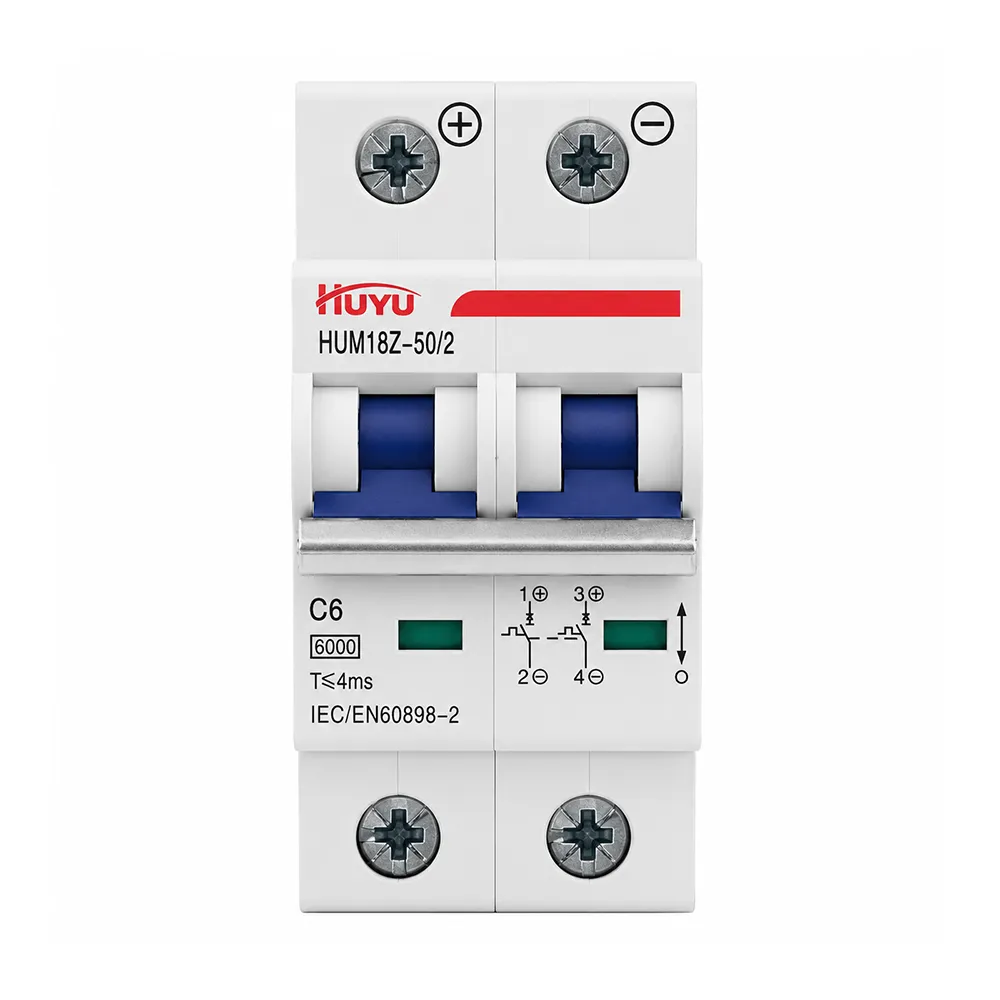
A two-pole breaker will take up two adjacent slots in a circuit panel and thus connect to both of the hot bus bars. A two-pole breaker can feed either one 240-volt load through a load comprised of two hot wires and does not have a neutral wire, or it can provide a split load of 120 volts and 240 volts, with both hot and neutral having separate feeds, which is normally done within a local code-compliant circuit when an appliance is connected. A two-pole breaker also contains a common trip mechanism between both poles of the breaker, meaning if one of the poles goes into overload or short circuit mode, then both poles of the breaker will operate together in safety.
Appliances such as electric ranges, central air conditioning units, and well pumps must utilize two-pole breakers. If you are wanting to see how different ampere ratings behave with respect to two-pole and single-pole breakers, our blog entitled 50 Amp Single Pole Breakers vs. 50 Amp Double Pole Breakers details all of these comparisons and will illustrate how and why all appliances requiring 240 volts must use the double-wire design.
Key Differences at a Glance
The table below lays out the major distinctions side by side, making it easy to see when each type applies.
| Feature | 1 Pole Circuit Breaker | 2 Pole Circuit Breaker |
|---|---|---|
| Voltage provided | 120V (single hot wire) | 240V (two hot wires) or 120/240V split |
| Panel slots required | 1 | 2 |
| Trip mechanism | Single; trips only the affected pole | Common trip; both poles disconnect together |
| Typical applications | Lights, outlets, small appliances | Dryers, water heaters, HVAC, EV chargers |
| Amperage range (common) | 15A, 20A | 15A to 60A and higher |
MCB, RCCB, RCBO: Do Pole Rules Change?
The logic of 1 pole and 2 pole circuits extends beyond simple thermal-magnetic breakers. Modern installations often use miniature circuit breakers (MCBs), residual current circuit breakers (RCCBs), and residual current breaker with overcurrent protection (RCBOs). Their pole configurations follow the same voltage principle, but with added layers of protection.
- MCB: Available in 1P, 2P, 3P, and 4P. A 1P MCB protects a single line, while a 2P MCB protects two lines and is typically used for 240V circuits or where complete isolation of both conductors is required.
- RCCB: Usually 2P or 4P. It detects earth leakage but does not protect against overcurrent, so it must be paired with an MCB in many designs.
- RCBO: Combines the functions of an MCB and an RCCB in one device. It is commonly available as 1P+N (switched line plus solid neutral) or 2P, giving full protection and isolation for a single final circuit.
The choice among these depends on local code and the level of shock protection required. If you’re pricing a project, our detailed breakdown of 2 pole MCB prices shows what a quality 2P MCB costs in different markets.
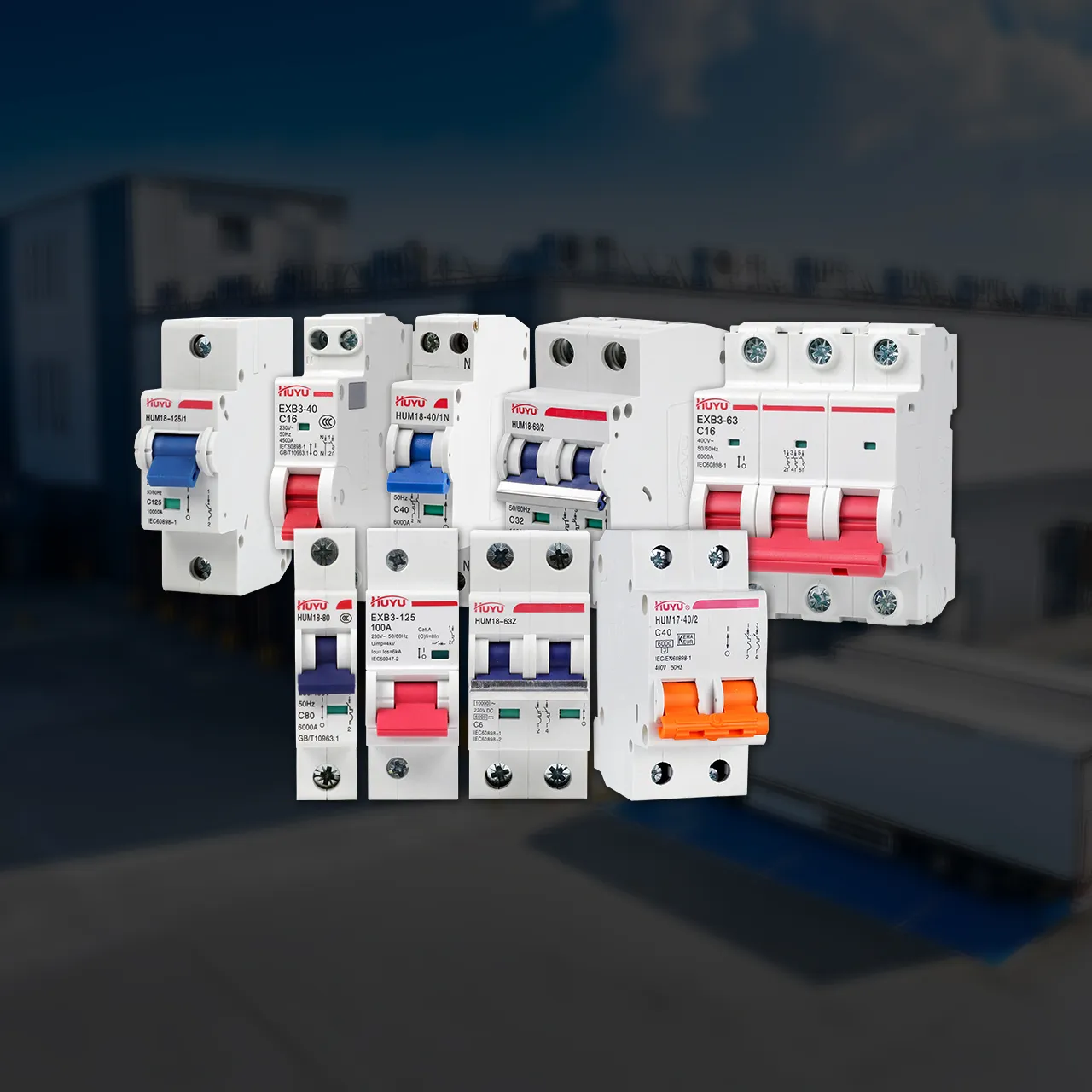
Choosing A Single-Pole Or Double-Pole Breaker
Start by looking at the equipment’s voltage and amperage. If the nameplate on your device states “120V” and “15A”, you will need a single pole circuit breaker for that equipment. If the voltage is displayed as “240V”, you will require two poles to create a double pole breaker to supply power to the machine. Even if the equipment does not use a neutral wire, it will have a double pole circuit breaker that allows you to disconnect the power from both hot legs of the supply together.
In an existing case, the physical size of the circuit breaker will be important. If your existing panel is full, then you will not be able to install a double pole circuit breaker in that panel. You can do this by consolidating the usage of circuit breaker slots with tandem and/or slim circuit breakers. This is usually a larger project that requires load calculations and professional opinions for the new equipment and load additions. If your existing service does not have enough capacity to handle the new loads, you may need to upgrade your service panel. Our Upgrade Circuit Breaker Proposal article provides more information on the upgrade process.
Frequently Asked Questions
Do I Need A 1 Pole Or 2 Pole Circuit Breaker?
To find out whether you need to install a single pole or double pole circuit breaker, check the voltage requirement of the appliance/circuit. If you find that the voltage is “120V”, you will need to use a single pole breaker. If the voltage is “240V”, you will need to use a double pole breaker. If you are using an appliance that requires both a 120V and a 240V connection (like some older ranges), you will require a double pole circuit breaker to provide power to both of the hot wires at the same time. If you’re not sure what type of circuit breaker you should be using, you can look on the nameplate of the appliance or from the diagram in your manual.
Can I Use A Double Pole Breaker As A Single Pole Breaker?
As a general rule of thumb, it is not considered good electrical practice or code compliant to use a double pole circuit breaker as a single circuit breaker. While it is technically possible to connect one pole of a double pole circuit breaker to one circuit, doing so would create confusion when performing future work on that circuit and take up two slots in the panel. If you were to use a double pole circuit breaker to supply a single pole circuit, the double pole circuit breaker would still internally trip both poles of the double pole circuit breaker to the correct rating, using panel space unnecessarily and potentially creating future problems. It is much better to use the appropriate single pole circuit breaker on 120V circuits.
Is A 30 Amp Circuit Breaker A Single Pole Or Double Pole?
30 Amp circuit breakers can be configured both ways – as a single pole (120V), typically for an RV or motor, or as a double pole (240V), common for refrigerators, dryers, and small sub-panels. Therefore, the amp rating of the circuit breaker alone does not indicate whether there will be one pole or more for the circuit. The amp rating of the circuit breaker and the voltage must match the requirements of the intended use and configuration of the circuit.
Can You Create A 240 Volt Circuit By Using 2 Single Pole Circuit Breakers?
No! A 240V circuit requires a properly rated, 2 pole circuit breaker with an internal common trip mechanism, which means both poles of that circuit breaker will open together when there is a fault on either one of the poles in that circuit. Even if you use two single pole circuit breakers with an approved handle tie together, you will not guarantee a common trip internally, and they are not acceptable for new installations in accordance with most state electrical codes.
Making the right call between a 1 pole vs 2 pole circuit breaker isn’t complicated once you understand the voltage and safety requirements at play. A 1 pole breaker handles everyday 120V loads with simplicity, while a 2 pole breaker steps in for high‑power 240V appliances, backed by a mandatory common trip that keeps your system safe. Whether you’re installing a basic MCB or a more sophisticated RCBO, the pole count always follows the voltage and the need for complete circuit disconnection. Pair this knowledge with the correct wire gauge and a properly sized breaker, and you’ll have an installation that runs cool and passes inspection every time.