
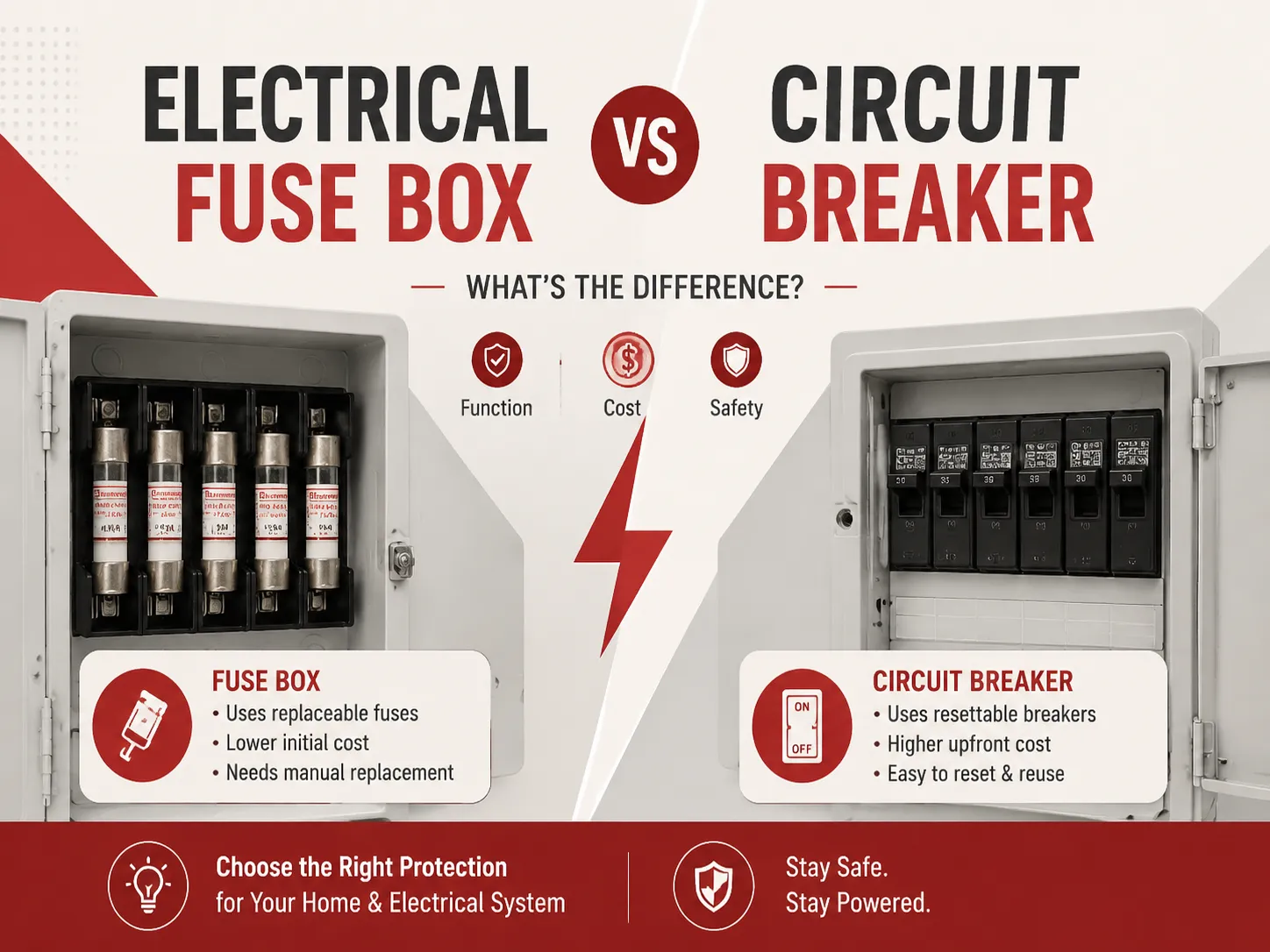
When you take off the metal door to your electrical panel, the contents will give you an indication as to how old your house is and also how it was wired based on the type of panel you have. If the inside of the door reveals a row of glass cylinders with screws that fit into clips (the clips are installed for screws), you have a fuse box. If the door opens to reveal a black strip of switches that can be turned off or on, you have a circuit breaker panel. Both types of panels operate in the same basic way — by turning off the electricity supply when the electrical current flow exceeds a safe level. However, they function quite differently as far as practicality in terms of things like the price of your morning cup of coffee and/or the premium on your homeowner’s insurance policy.
What Is an Electrical Fuse Box?
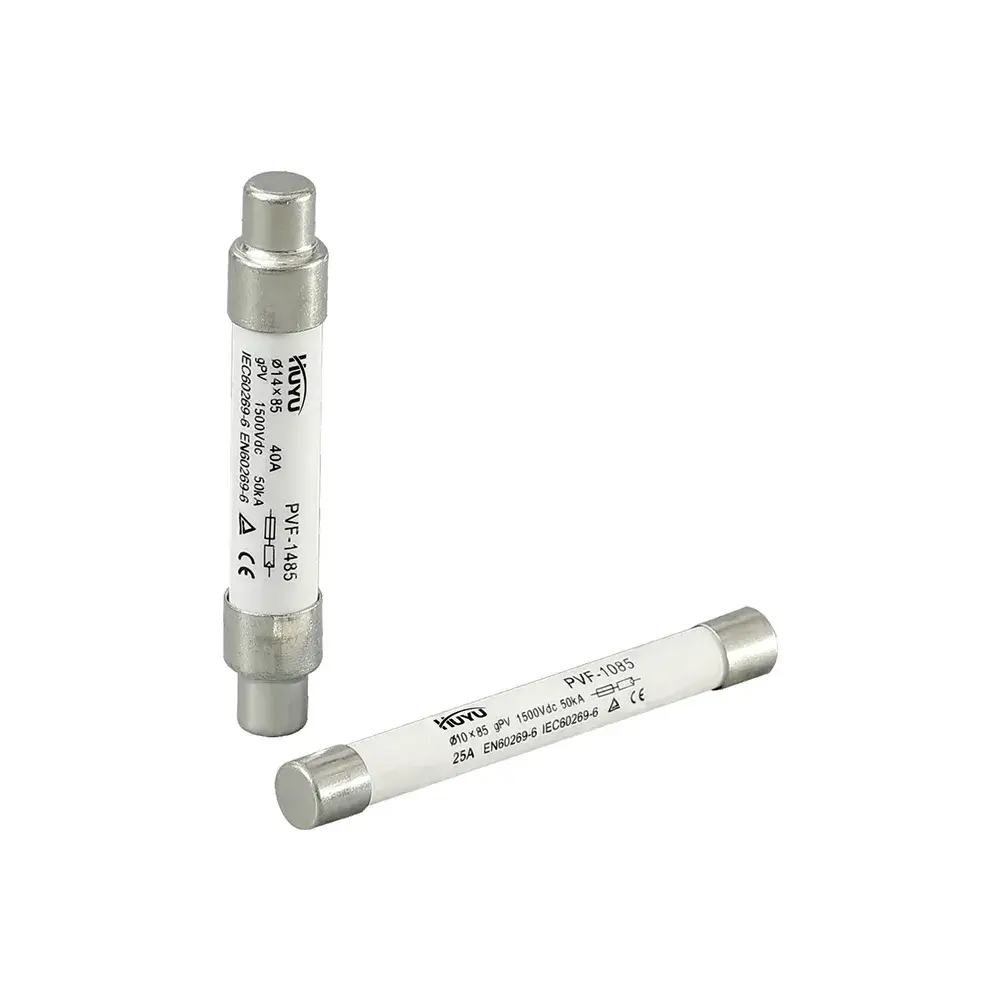
The electricity fuse box, one of two types of technology that are still used in homes today, has been common in homes built prior to the 1960’s. Each individual fuse on the fuse panel contains a small wire inside of that melts at a specific amperage (typically 15 or 20 amps) when the amount of current flowing through that fuse exceeds that number. The wire inside of the fuse is melted due to overloading when an electrical fault occurs and the fuse “pops,” (exploded) resulting in an open circuit; breaking the current supply. After this happens, you will be in the dark until you replace the blown fuse with a new one. It is a simple and elegant solution. The wire inside of the fuse does not care about lightning storms or how old it is – it only cares about blowing the first time it is called upon.
However, the fact that fuses are a one-time use electrically based product is their most significant drawback. When a fuse burns out, it must be replaced with a new physical fuse; when you replace a blown fuse, you may not have any spare fuses at home, which may require you to get into the attic or up on the roof, if you have any spare fuses. You may do this with only a flashlight in your mouth.
What Is a Circuit Breaker?
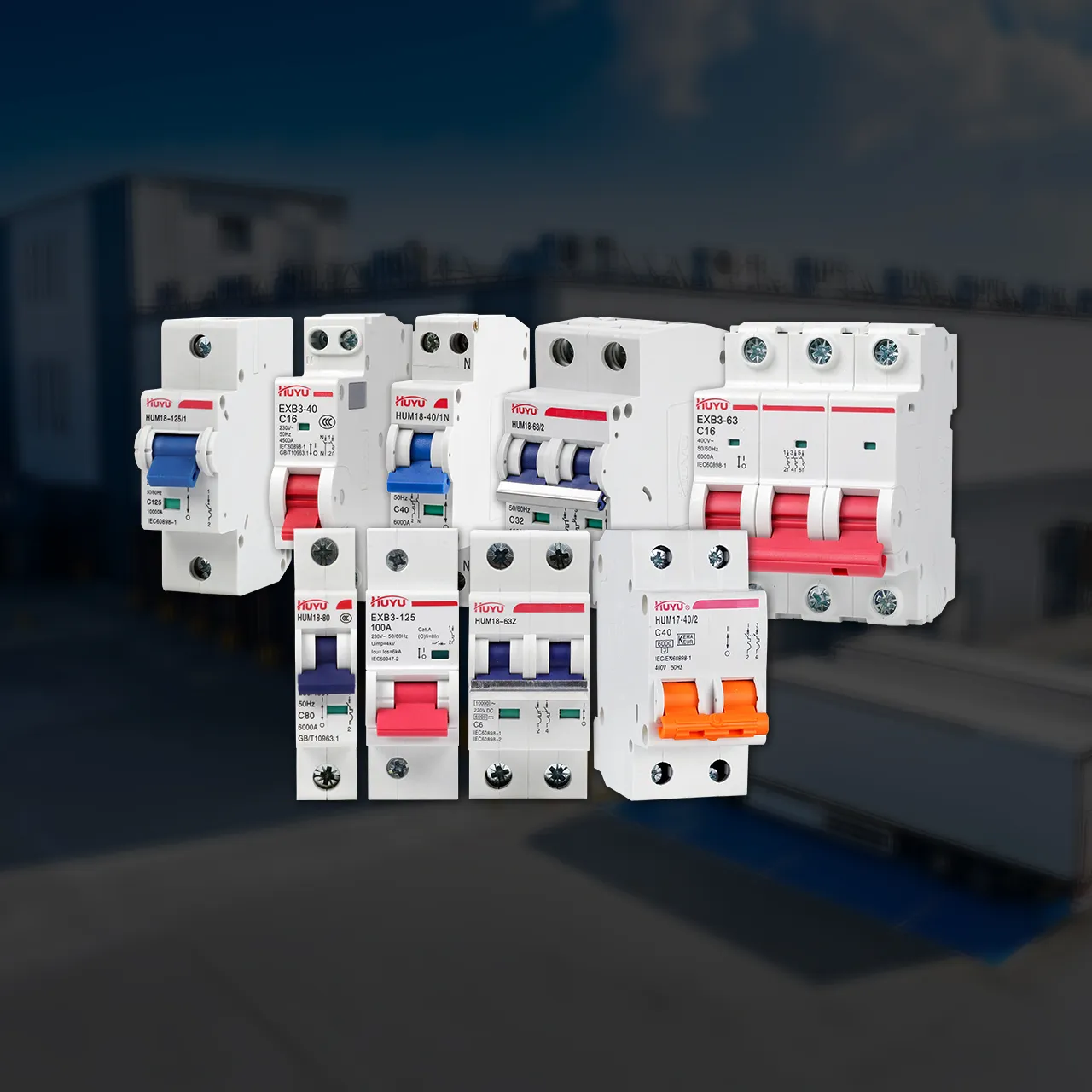
Instead of using a replacement filament like a traditional fuse, the circuit breaker uses a mechanical switch that can be reset. The internal components of the circuit breaker, which may include either a bimetallic strip or an electromagnetic coil, can react to overcurrent, i.e. an over-load condition) or short circuits. When a circuit experiences an overcurrent (Yanking of the electromagnet will cause the entire circuit breaker mechanism to trip within milliseconds) or short circuit, the magnet is either pulled “hard” enough (causing the entire circuit breaker to trip) or the bimetallic strip will become hot enough through sustained current flow so as to bend and release the latch. After clearing the short circuit or overload, all that is necessary to reset the circuit breaker is to turn it back “ON”. This eliminates the need for replacement parts, as well as the need to go to the home improvement store for items like fuses. The more current / voltage combinations that circuit breakers can provide and protect, coupled with the visual identification of a tripped circuit breaker by simply checking for an incomplete circuit breaker in the panel, has lead to the standardization of the circuit breaker panel throughout most new construction globally. If you’re wondering how long this equipment remains reliable, our article on how long a breaker lasts covers typical service life and replacement signs.
Key Differences at a Glance
The table below captures the critical distinctions that affect daily life and long-term safety.
| Feature | Electrical Fuse Box | Circuit Breaker Panel |
|---|---|---|
| Operation | Melting filament; one-time use | Electromagnetic/thermal trip; resettable |
| Response time | Extremely fast (especially for high faults) | Slightly slower, but within safe limits for residential use |
| User action after trip | Replace the fuse (must have spare) | Flip the switch back to ON |
| Risk of incorrect replacement | High — homeowners may install a higher-amp fuse, creating fire risk | Very low — breaker handle cannot be forced to a higher rating |
| Upfront cost | Lower panel cost; fuses are cheap | Higher panel cost; breakers cost more per unit |
| Long-term maintenance | Stocking fuses; corroded sockets increase resistance | Exercise breakers annually; occasional replacement after decades |
Should You Replace a Fuse Box with Circuit Breakers?
If your home still relies on an electrical fuse box, replacing it with a modern circuit breaker panel is one of the most impactful electrical upgrades you can make. The safety argument alone is compelling: it’s far too easy for a frustrated homeowner to screw a 30-amp fuse into a 15-amp socket to stop repeated blowing, and that single mistake turns a wire into an electric heater inside your wall. Breaker panels eliminate this risk. Insurance companies know this, and many offer lower premiums for homes with updated panels. Beyond safety, a breaker panel makes everyday life simpler. A tripped circuit becomes a minor annoyance rather than a scavenger hunt for the right fuse. The upgrade involves an electrician replacing the entire service panel, and while it’s not a small job, the return in safety, convenience, and home value is substantial. For a step-by-step look at what the process entails, our upgrade circuit breaker proposal outlines the scope, cost considerations, and permitting requirements.
Do I Have a Fuse Box if I Have Circuit Breakers?
You only have one of the two — not both. The easiest way to determine what kind of electrical system you have is by looking at your panel; if you see toggle switches to switch between “ON” & “OFF” (they usually have an orange or red light on the ones when they have tripped), then it’s a Circuit Breaker Panel; otherwise if you see round glass-tops that twist into sockets and usually have a tiny window for you to see inside to check the filament of the fuses, then you have an Electrical Fuse Box. Some very old systems may use a combination of these two types of panels (this is rare), but would usually indicate that just a partial upgrade has occurred. An electrician can easily recognize the difference between these two types of panels in just a few seconds.
Which Is Better: Fuse or Circuit Breaker?
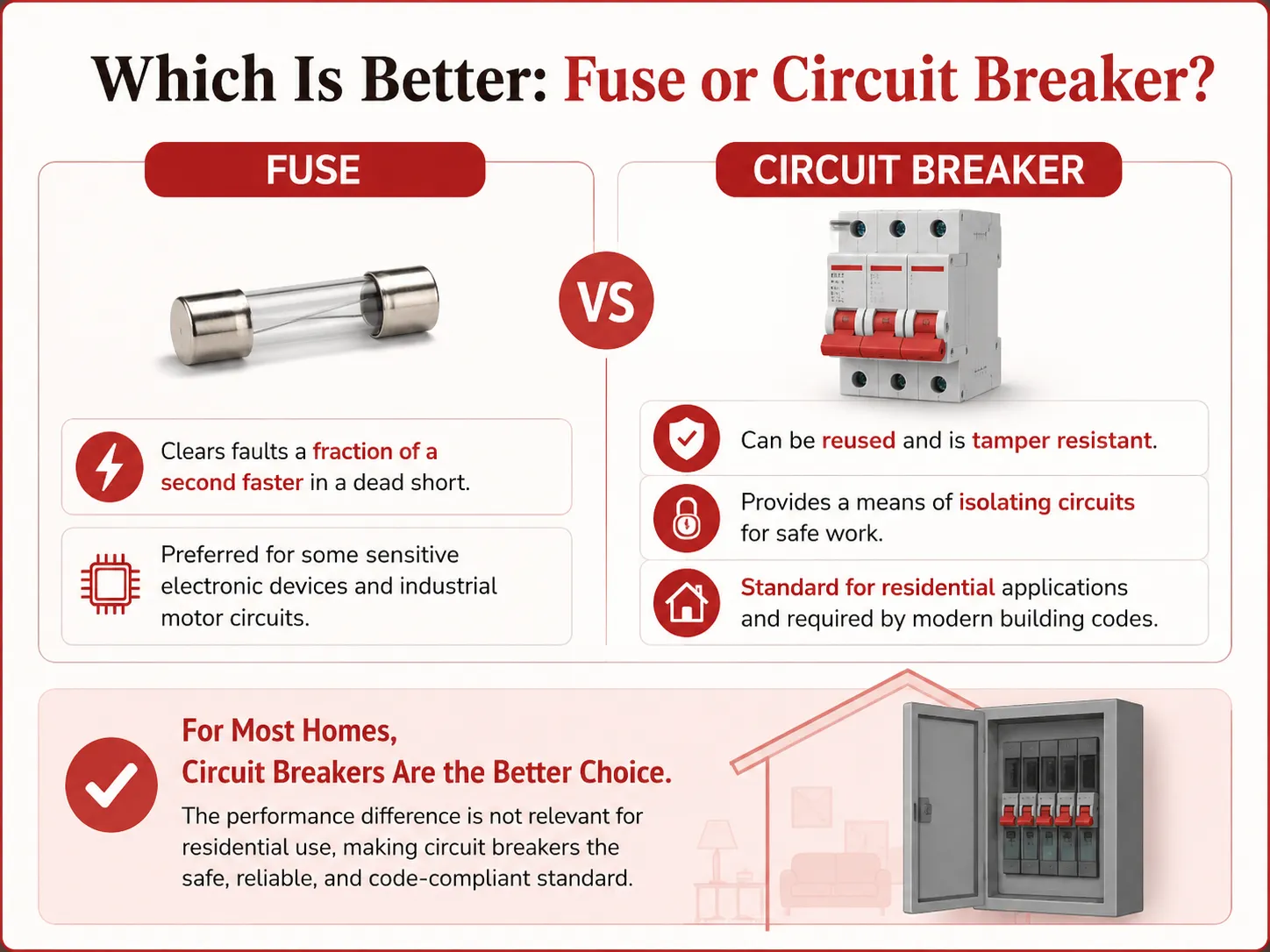
Circuit breakers are usually a more suitable option than fuses for most home applications. Not only do they provide a means of isolating circuits when working on electrical systems, but circuit breakers can also be reused and are tamper resistant. The one performance advantage that fuses have over circuit breakers is their ability to clear faults a fraction of a second faster than circuit breakers when there is a dead short. For example, some sensitive electronic devices and industrial motor circuits still use fuses because of these differences. However, the difference is not relevant for residential applications, so breakers have become the standard method of protecting the circuits in homes, as reflected in modern building codes. Therefore, you will be required to install a panel with thermal breakers if you are constructing or renovating a residence.
Choosing the Right Circuit Breaker for Your Home or Project
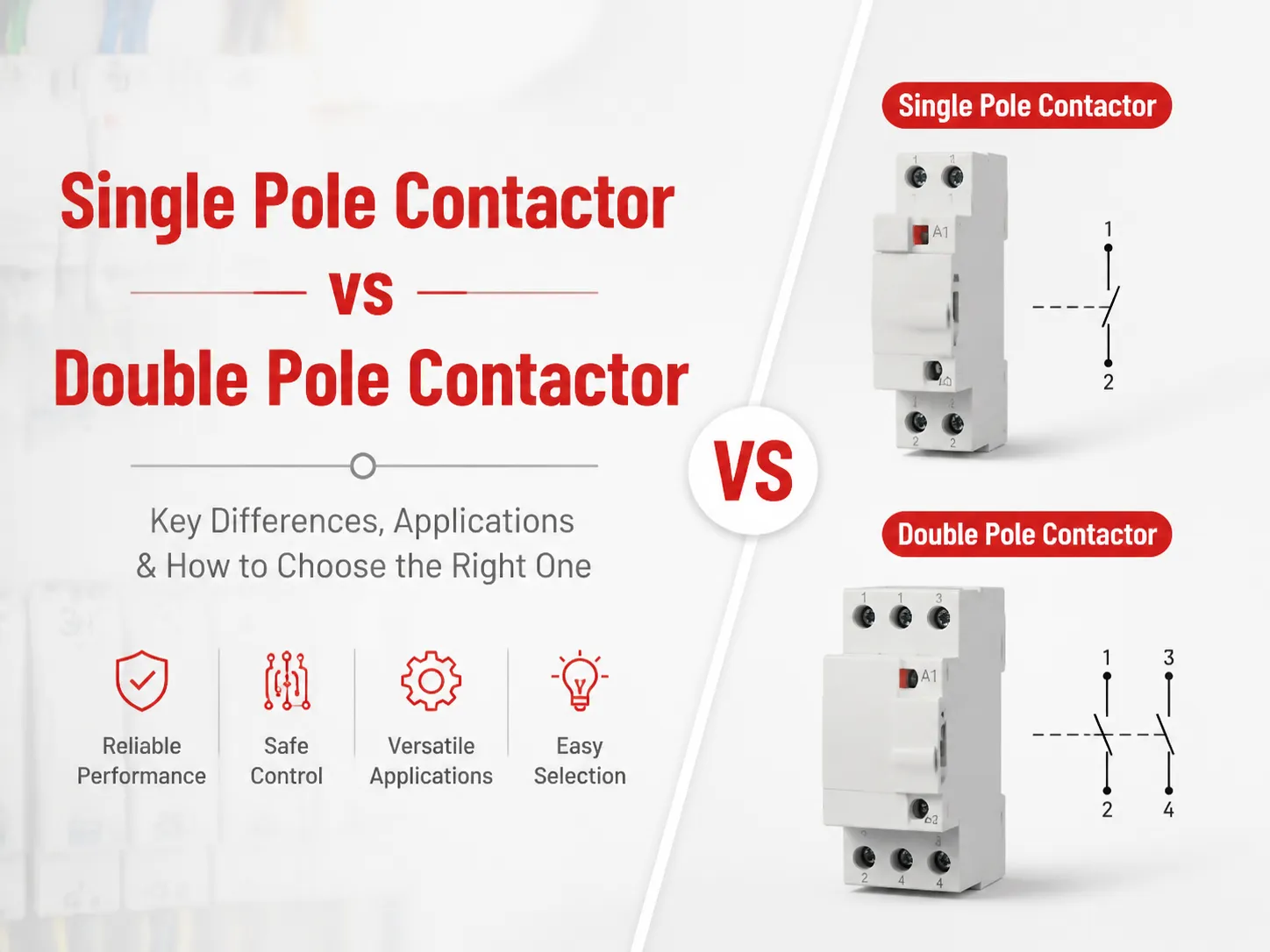
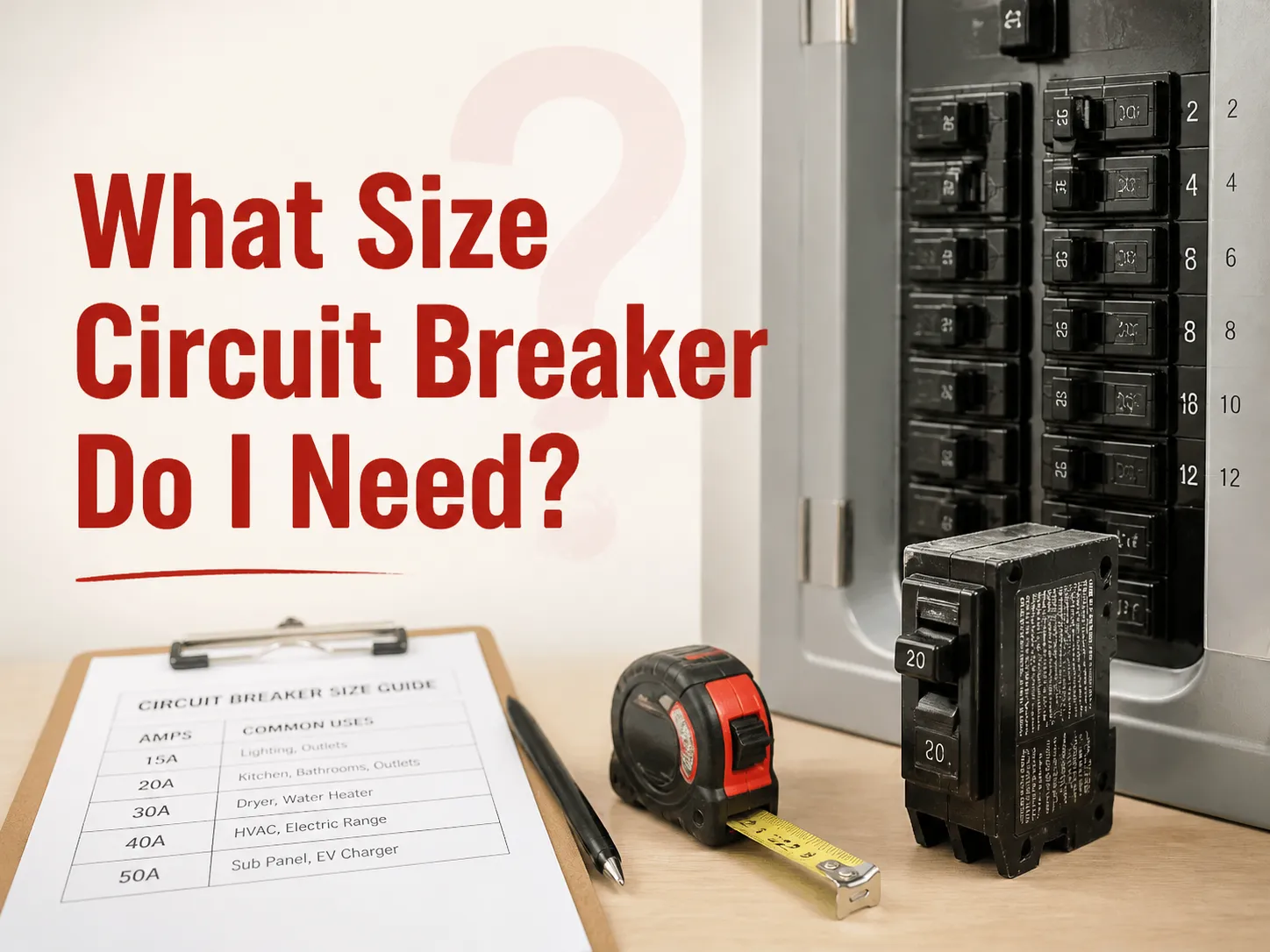
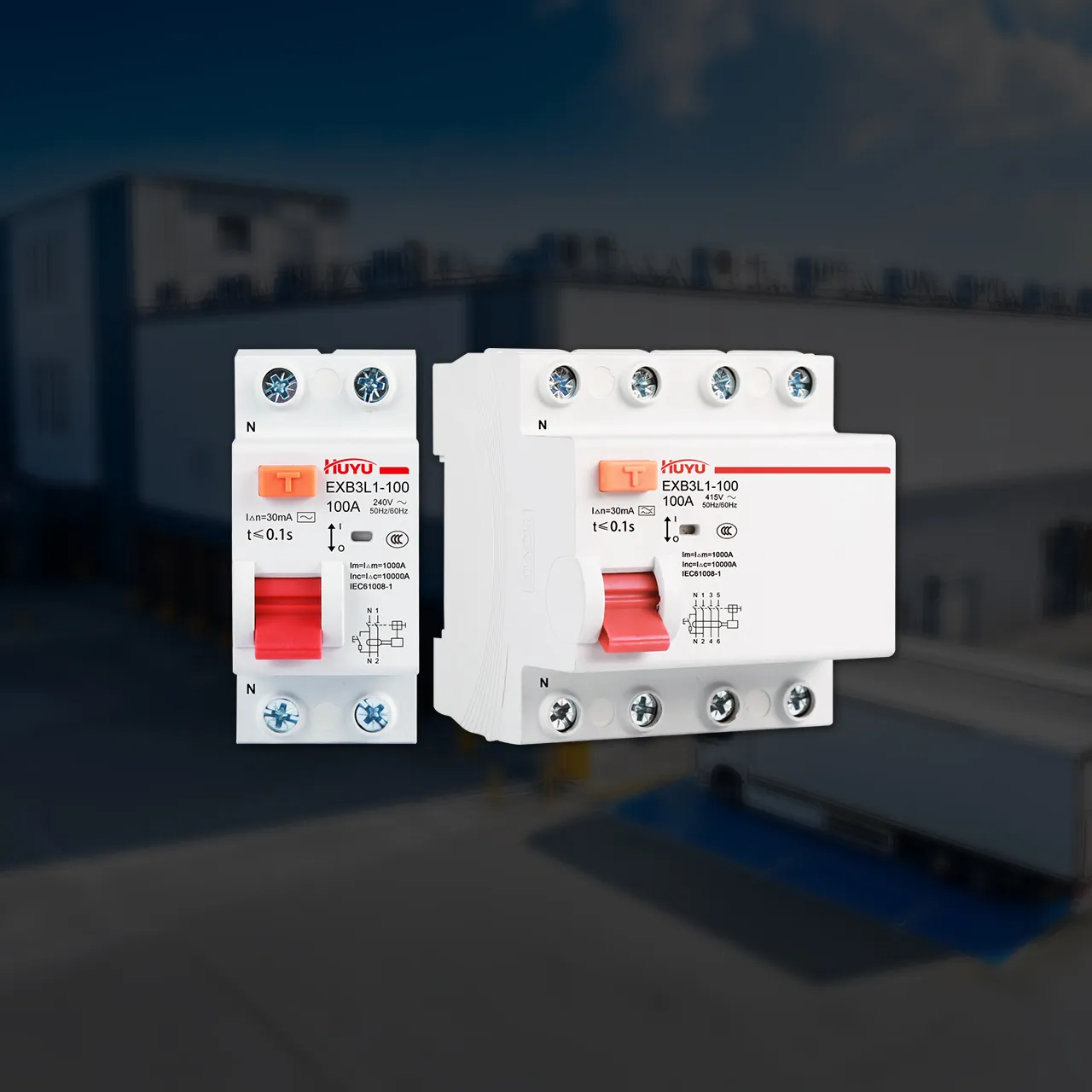
Once you’re ready to choose circuit breakers (or new circuits added), make sure you select the appropriate breaker based on wire gauge and load. For example: 14 AWG copper wire requires a 15 amp circuit breaker and 12 AWG requires a 20 amp circuit breaker. In order for larger 240 volt appliances to work, you need a two-pole circuit breaker rated for the amperage needed to run the appliance. The type of breaker you choose is important too: for most parts of the house a conventional MCB is fine, however in sinks or other wet locations it is necessary to install an RCBO or GFI circuit breaker in order to protect against ground faults. Choosing the wrong sized circuit breaker could lead to nuisance tripping or pose a fire hazard. Our detailed guide on what size circuit breaker you need explains the load calculation, and if you’re sourcing components, our breakdown of 2 pole MCB prices gives a realistic view of what quality breakers cost in today’s market.
Frequently Asked Questions
Do you need both a fuse and circuit breaker?
No, a typical residential electrical system uses one or the other. You do not need a fuse upstream of a circuit breaker — the breaker itself is the overcurrent protection device. Some industrial equipment uses a fuse for very fast short-circuit protection and a breaker for overload protection in series, but this configuration has no practical application in a home. If your panel has breakers, your fuse days are behind you.
Should I replace the fuse box with a circuit breaker?
Yes, in almost every case. Replacing an old electrical fuse box with a modern circuit breaker panel improves safety, eliminates the risk of incorrect fuse replacement, and meets current electrical codes. It also makes your home more attractive to insurers and future buyers. The one-time cost of a panel swap is offset by the reduction in maintenance hassle and the elimination of a known fire hazard.
Do I have a fuse box if I have a circuit breaker?
No. A circuit breaker panel and a fuse box are mutually exclusive types of overcurrent protection. If your panel has toggle switches, it uses breakers. If it has screw-in round fuses, it’s a fuse box. The terminology is sometimes confused because both are often called an “electrical panel,” but the internal hardware is completely different.
Which is better fuse or circuit breaker?
A circuit breaker is better for virtually every residential and commercial application. It is resettable, tamper-proof, and easy to operate. Fuses offer a marginally faster response to extreme short circuits, which is why they persist in certain precision industrial applications, but for the safety and convenience of a home, a breaker panel is the clear winner. Building codes and modern safety standards universally favor breakers.
The choice between an electrical fuse box and a circuit breaker panel is ultimately a choice between two eras of electrical safety. A fuse box works — it protected homes reliably for decades — but it demands diligence and a well-stocked drawer of replacements. A breaker panel, by contrast, resets with the flick of a finger and refuses to let a dangerous over-fusing happen. If your home still has fuses, planning an upgrade is one of the most straightforward ways to improve both safety and daily convenience. And when you do make the switch, choosing the right amperage and breaker type for each circuit ensures your new panel delivers the full measure of protection it was designed to provide.