

كندا من بين الدول التي طورت نظامًا بيئيًا قويًا لتصنيع المعدات، مدفوعًا ليس بالتكلفة المنخفضة ولكن بشيء نادر جدًا – الإنتاج مع العديد من المتغيرات وحجم متوسط يتميز بدعم هندسي عميق، ومتطلبات صارمة للشهادات، والقرب الجغرافي من السوق الأمريكية. بالنسبة لشركات OEM التي تخطط لتنويع سلاسل التوريد، تصبح مزودات خدمات التصنيع الإلكتروني الكندية حلولًا جذابة للتصنيع القريب. المعلومات المقدمة في هذا الدليل تغطي المنظمات الرئيسية لخدمات التصنيع الإلكتروني الموجودة في كندا، وكفاءاتها الأساسية وشهاداتها. كما ستساعد في تحديد أفضل شريك EMS لمنتجاتك.
هناك العديد من مزودي خدمات التصنيع الإلكتروني (EMS) الرائدين في كندا، بما في ذلك Celestica وJabil وSanmina وCreation Technologies وSMTC وAsteelflash وSigmaPoint وBittele Electronics وMPL Innovations وSMT Microsystems. تمتلك غالبية شركات EMS الكندية شهادات ISO 9001 وISO 13485 (الطبية)، وAS9100 (الفضاء الجوي)، ومواصفات IPC-A-610/J-STD-001، وهم في الغالب مهرة في تطوير النماذج الأولية ودعم الإنتاج، والهندسة لتصنيع التصميم (DFM) وتكامل بناء الصندوق بدلاً من الإنتاج الضخم.
لماذا كندا لتصنيع الإلكترونيات
العرض المتعلق بتصنيع الإلكترونيات في كندا مميز مقارنةً بالعرض في آسيا. على عكس مزودي خدمات التصنيع الإلكتروني (EMS) في آسيا الذين يعتمدون على الأسعار الرخيصة، فإن مزودي EMS الكنديين تنافسيون بالنسبة لأربعة عوامل ذات صلة بالصناعات المحددة التي تصنع منتجات بحجم متوسط:
- الجودة وعمق الشهادات. في كندا، المعيار الأدنى هو ISO 9001 مع إضافة ISO 13485 للمنتجات المصنعة في الصناعة الطبية وAS9100 لصناعة الفضاء الجوي. تستخدم Phillips وNASA معايير التجميع IPC-A-610/J-STD-001 للمنتجات الحرجة.
- المساعدة الهندسية. تقدم EMS الكندية خدمات من مراحل مراجعة تصميم PCB، وكذلك التصميم من أجل التصنيع إلى النماذج الأولية وإدارة دورة حياة المنتج. يتولى المصنع العملية بأكملها من تصور المنتج إلى الإنتاج.
- التنوع العالي مع حجم منخفض ومتوسط. تصنع كندا دون استخدام الإلكترونيات الاستهلاكية بأكثر من مئات وربما عشرات الآلاف من وحدات الإنتاج.
- قرب السوق الأمريكية وحماية الملكية الفكرية. تشمل بعض المزايا نفس المنطقة الزمنية، اللوجستيات السريعة، وقوانين حماية ممتازة، مما يجعل كندا الدولة الأقرب لشركات OEM الأمريكية التي تبتعد عن سلاسل الإنتاج الدولية.
بسبب هذه المزايا، تعد كندا خيارًا مفضلًا للشركات التي تبحث عن خيارات تصنيع إلكتروني ذات تنوع عالي وحجم منخفض ومتوسط. الواقع الأساسي تحت هذا الاختيار هو نفسه في كل مكان — أجزاء معتمدة مع بيانات اختبار موثقة، من أجهزة الحماية مثل مجموعة HUYU HUM18-63N MCB إلى الكتالوج الكهربائي الأوسع، هي ما يجعل مخرجات EMS جاهزة للتدقيق.

أفضل 10 شركات EMS موصوفة
Celestica (تورونتو، أونتاريو)
هذه هي الشركة الرائدة في خدمات التصنيع الإلكتروني في كندا والتي تُعد أيضًا من بين الأكبر في العالم. تأسست أصلاً كقسم تصنيع تابع لشركة IBM (التي استمرت في التعاون مع الشركة لأكثر من 75 عامًا) ثم انفصلت في عام 1996. توظف الشركة اليوم أكثر من 20000 شخص في أمريكا الشمالية وأوروبا وآسيا. تقدم Celestica خدمة شاملة – التصميم، تجميع لوحات الدوائر المطبوعة، تكامل النظام، سلسلة التوريد، والدعم بعد البيع لأكثر من 200 شركة مصنعة أصلية.
Jabil (عمليات أونتاريو)
ليست فقط واحدة من أكبر شركات تصنيع الإلكترونيات، بل تعمل في هذا المجال لأكثر من 50 عامًا مع 140000 موظف حول العالم. إذا كنت بحاجة إلى حجم كبير من البضائع في كندا، فإن Jabil هي الحل المناسب لك.
Sanmina (أوتاوا، أونتاريو)
يوفر منشأة Sanmina في أوتاوا مجموعة متنوعة من خدمات الاتصالات والشبكات مع الإنتاج الذي يشمل تصنيع لوحات الدوائر المطبوعة وتجميع المنتجات في الموقع.
Creation Technologies (فانكوفر، كولومبيا البريطانية)
هذه الشركة متخصصة في تصنيع الإلكترونيات عالية الموثوقية. تركز الشركة على المعدات الطبية، أجهزة إنترنت الأشياء، الأسلحة العسكرية، والأجهزة المتعلقة بالطاقة المتجددة، مع اهتمام جاد ودقيق بمشاريعها.
SMTC Corporation
إذا كنت بحاجة إلى شركة تقدم خدمة عملاء سريعة وقادرة على توفير حلول تصنيع، يجب اختيار SMTC.
Asteelflash Canada (تورونتو، أونتاريو)
تمتلك Asteelflash جميع قدرات خدمات التصنيع الإلكتروني – تركيب السطح SMT، تركيب الثقوب THT، تجميع الأسلاك وبناء الصناديق – في قطاعات الإلكترونيات الاستهلاكية، الصناعية، الأمنية، والسيارات، وتجمع بين الحضور العالمي والخبرة المحلية.
SigmaPoint Technologies (كورنوول، أونتاريو)
شركة تصنيع رشيقة في مجالات العسكرية، الطيران، الأتمتة والطاقة النظيفة مع إلكترونيات عالية الموثوقية، خدمات متكاملة وإدارة متقدمة لسلسلة التوريد.
Bittele Electronics (تورونتو، أونتاريو)
الشريك الموثوق لتجميع لوحات الدوائر المطبوعة في الأحجام المنخفضة إلى المتوسطة — تصنيع لوحات الدوائر، توريد المكونات، تركيب السطح SMT، تركيب الثقوب THT والاختبار النهائي بشكل رئيسي للشركات الناشئة، شركات الهندسة، ومصنعي الأجهزة الطبية والصناعية الذين يحتاجون إلى إنتاج سريع ومرن.
MPL Innovations (وينيبغ، مانيتوبا)
متخصص في التجميعات الكهروميكانيكية وحزم الأسلاك للزراعة، آلات البناء، الروبوتات والنقل بالإضافة إلى التجميعات الكهروميكانيكية المخصصة، الحزم وأنظمة التحكم الصناعية.
SMT Microsystems (سانت لوران، كيبك)
واحدة من الشركات الرائدة في تصنيع تجميع SMT للأجهزة الطبية والتكنولوجيا الحيوية — لحام إعادة التدفق، إعادة العمل على BGA، الطلاء الواقي، اختبار شامل مع وقت تنفيذ قصير.
جدول المقارنة
| الشركة | الموقع | القوة | الشهادات | الأفضل لـ |
|---|---|---|---|---|
| سيليستيكا | تورونتو، أونتاريو | الحجم، الطيران، مراكز البيانات | ISO 9001، AS9100، ISO 13485 | برامج عالية التعقيد، عالمية |
| جابيل | عمليات أونتاريو | حجم عالمي، حجم كبير | آيزو 9001/13485 | برامج كبيرة، لوجستيات عالمية |
| سانمينا | أوتاوا، أونتاريو | التكامل الرأسي، الاتصالات | AS9100، ISO 13485 | الدفاع، الاتصالات، الصناعة |
| كرييشن تكنولوجيز | فانكوفر، كولومبيا البريطانية | عالية الموثوقية، طبية | ISO 13485, AS9100 | Medical devices, defense |
| SMTC | Canada/US | Nearshore transfers | ISO 9001 | Mid-market OEMs reshoring |
| Asteelflash | تورونتو، أونتاريو | Full EMS scope | ISO 9001, IATF 16949 | Consumer, industrial, automotive |
| SigmaPoint | Cornwall, ON | Lean, military/aerospace | ISO 9001, AS9100 | Defense, clean energy |
| Bittele | تورونتو، أونتاريو | Small-mid volume, fast | ISO 9001, IPC | Startups, low-volume products |
| MPL Innovations | Winnipeg, MB | Electromechanical, harnesses | ISO 9001 | Agriculture, robotics, transport |
| SMT Microsystems | Montreal, QC | Precision SMT, medical | ISO 13485 | Medical, biotech assembly |

What EMS Services Actually Include
An EMS partner is not simply someone who assembles circuit boards. The average service flow can be defined through the following steps:
- The design and engineering process, including DFM analysis, PCB design support, prototype creation, and technical verification.
- The process of sourcing parts from the suppliers and managing logistics — something that is becoming more and more important during the times of scarcity of electronic components.
- PCB assembly, including SMT, through-hole, fine pitch and BGA assembly, as well as PCB quality checks.
- Testing process, including electrical testing, functionality testing, and burn-in process aimed at ensuring that the assembled PCB performs as expected.
- Box build and system integration — assembling the final product, including casing and wiring.
- Post use services, including repairs, restoration, and product disposal.
Canadian EMS companies charge a premium for their engineering expertise and after-use services, while these are the areas where mid-size OEMs do not benefit much from the low-cost assembly companies. It is useful to find out what processes are in-house when evaluating a partner, as a company that outsources DFM or testing will have a higher risk of non-coordination.
The Component Supply Chain (and Where HUYU Fits)
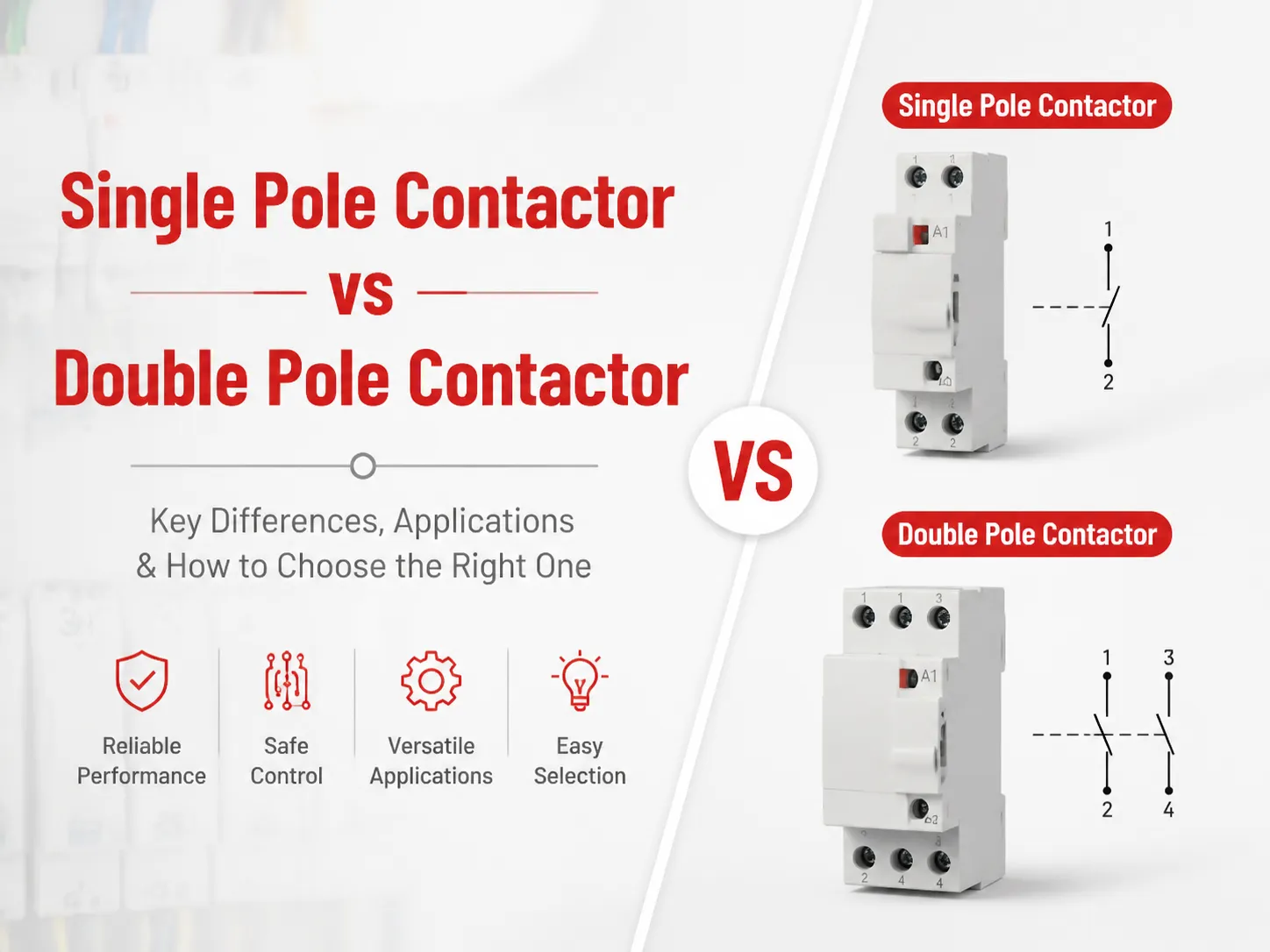
An honest guide to Canadian EMS should entail a correct remark regarding the level that appears beneath each assembly: components. An EMS provides assembled products based on the outputs of the component supply chain — the breakers, relays, connectors, and power-distributing elements that are found in many devices are made by specialized manufacturers.This is where HUYU Electric sits in the electronics-manufacturing picture: HUYU (Huanyu High-Tech, founded 1989, with technical support from an Eaton joint venture) is a low-voltage electrical manufacturer — miniature circuit breakers from 6A to 125A in 1P to 4P configurations (the single-pole vs double-pole decision every protection design starts with), plus contactors, relays, instrument transformers, surge protectors, and PV combiner boxes — certified to UL, KEMA, TUV, CE, CB, and IEC standards, shipping to over 100 countries.
HUYU is not an EMS and does not want to appear as one; it is a supplier of components that is bought by EMS firms and OEMs for the electrical-protection level of their products — from the internal protection of medical equipment to a distribution board of a data center rack. The practical question for Canadian clients is the same question they always ask of offshore components suppliers, namely whether the manufacturer offers documented and certified quality with traceable testing.The UL 489 للقواطع explains the certification standard behind industrial breakers, and a supplier’s datasheets and test reports tell the rest of the story.
How to Choose an EMS Partner
The framework of selection that distinguishes a good EMS practice from an expensive one is as follows:
- Match the production volume with the nature of business. Small scale (few hundreds a year) -> Bittele or prototyping houses; medium scale-> SMTC, Creation, SigmaPoint; large scale-> Celestica, Jabil, Sanmina. The choice of a Tier-1 producer for 500 unit product makes the company overpay and selection of a small producer for 100,000 units means loss of potential.
- Check certification of the plant, and not of the corporation itself. ISO 13485 for medical purposes or AS9100 for aerospace – make sure to clarify that a specific plant is certified.
- Inquire about DFM and NPI capability. The value of Canadian EMS is in engineering review accomplished before production; ask the supplier about DFM initiative saving the implementation of a program.
- Find out about component supply risks. Inquire about how a partner prevent shortages, obsolescence and counterfeit. In current market conditions it is the difference between timely and delayed deliveries.
- Be honest while comparing lead times. Prototype lead time is usually about 2-6 weeks, manufacturing – 6-12 weeks; however, component lead time should always be taken into account.
- Conduct audit of the quality system. Take notice of IPC-A-610 standards, inspection level (AOI/X-ray), and testing strategy prior to signing the contract.
Two process questions round out the due diligence. First, ask how change orders and engineering updates flow — the ECM (engineering change management) process determines whether your next revision costs weeks or days. Second, ask about the electrical components in your product: for anything with power distribution or protection, specify certified breakers and components with documented test data — the kind of due-diligence covered in the electrical distribution cost guide and the certification guides linked above.
الأسئلة الشائعة
What are the top 10 manufacturing companies in Canada?
As far as manufacturing goes, the leaders in Canada comprise Bombardier (aviation), Magna International (automotive industry), and CAE (aviation simulation). In the electronics manufacturing also, the leading EMS firms comprise Celestica, Jabil (Canadian operations), Sanmina (Ottawa unit), Creation Technologies, SMTC, Asteelflash, SigmaPoint, Bittele, MPL Innovations and SMT Microsystems; of these, Celestica is the largest manufacturer of electronics based in Canada.
What is the largest manufacturing industry in Canada?
In number of outputs and employees, transportation equipment, led by automakers from Ontario ranks first among the manufacturing industries in Canada, whereas food processing ranks second, followed by aerospace and chemicals. This sector has lower volume but is significant strategically because of its engineering nature and providing services to the sectors like aerospace, medicine, and telecommunication.
What is an electronic manufacturing service?
Electronic manufacturing service (EMS) deals with manufacturing of electronic products by companies for original equipment manufacturers (OEMs). Thus, EMS provides services that include PCB assembly, finding components, testing of product, box-build and system integration and after market services; this service allows OEM to focus on designs, branding and sales while the EMS takes care of manufacturing and supply chain.
What are the top 5 electronic companies?
Making huge profits throughout the world today, the electronics companies are Samsung Electronics, Apple and Hon Hai (Foxconn), in addition to TSMC. As far as EMS sector is concerned, biggest companies here are Foxconn, Flex, Jabil, Celestica and Sanmina, with Celestica being the leader in Canada having HQ in Toronto.
المراجع
- Celestica — Corporate Site and SEC Filings
- Leadsintec — Top Electronics Manufacturing Companies in Canada (2026)
- Wintech — Top 8 Electronic Contract Manufacturers in Canada
- Queen EMS — Top 15 EMS Companies for Canada (2026)
- IPC — IPC-A-610 and J-STD-001 Assembly Standards
الخلاصة
Canadian electronic manufacturing services occupy a unique and important niche in the market, that is , manufacturing under high variety and low volume conditions with in-depth engineering, strict quality control and proximity to the US, but not providing low-cost mass manufacturing. The market is mainly represented by Celestica, a Toronto-based leader which separated from IBM and now provides services to aerospace, healthcare and data center equipment OEMs, including support from other well-known companies (Jabil, Sanmina), high-reliability companies (Creation, SigmaPoint), nearshore companies (SMTC) and low-volume companies (Bittele, MPL, SMT Microsystems). The full range of services is provided according to the business model whereby the partner selected for doing business should be chosen based on the production volume and the level of certifications, rather than the well-known brand name.
In addition, there is a key component of the manufacturing process – certified components. In other words, the EMS provider guarantees the quality of the components used in the production process, where the following are included: power distribution devices listed in our electric distribution systems guide and other suppliers mentioned in the guide. It is worth mentioning that in this way, EMS provides the customers with the source of documented quality meeting auditors’ requirements.