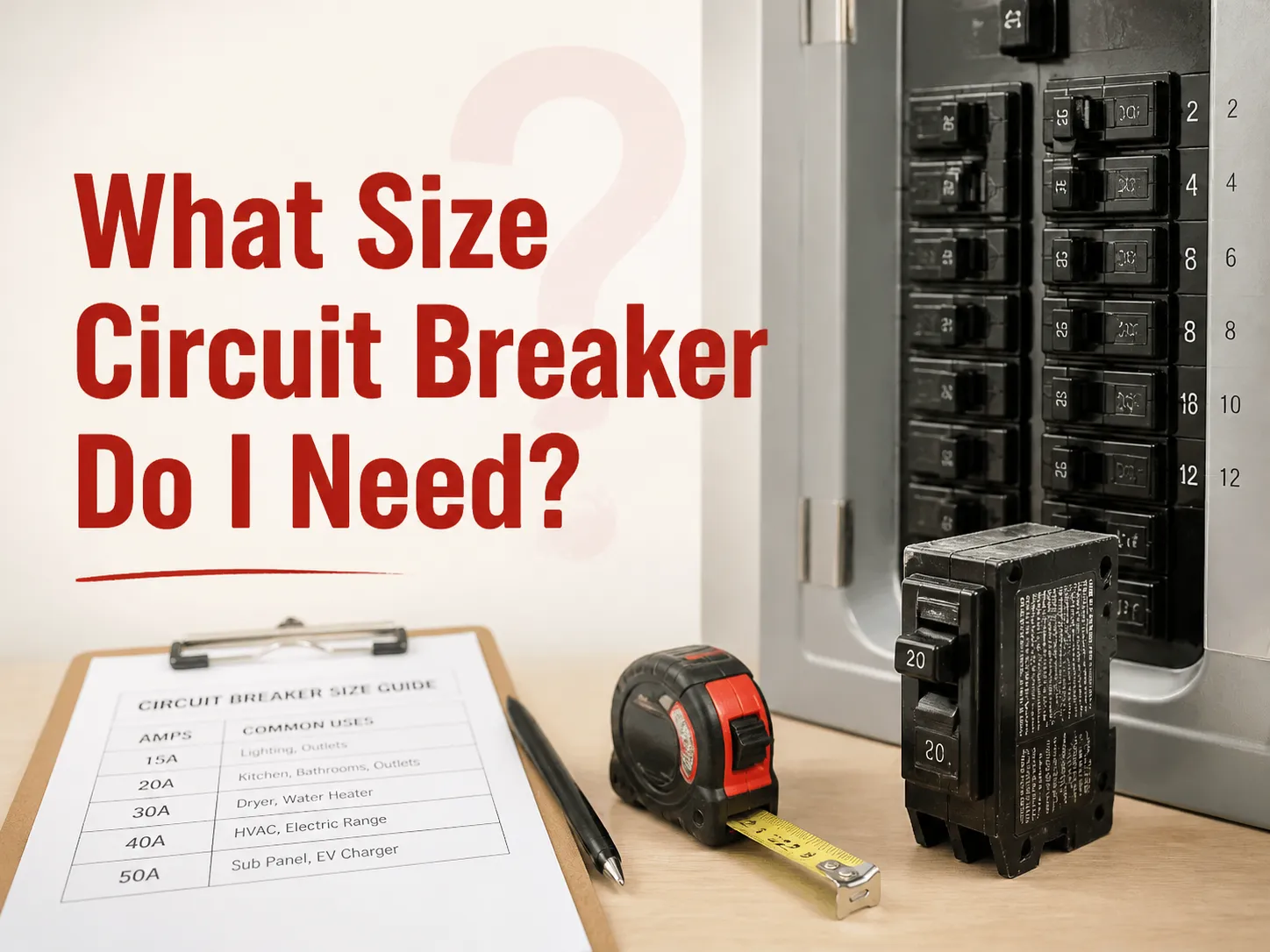


Di hampir setiap rumah, bisnis, atau pabrik terdapat elemen keselamatan penting yang sering diabaikan oleh kebanyakan orang; Panel Listrik berisi emosi kita (baik yang positif maupun negatif) serta beberapa saklar yang mungkin belum pernah digunakan sampai sesuatu terjadi seperti lonjakan arus atau seseorang tersandung penyedot debu mereka. Ini kebetulan adalah lokasi yang sama di mana sebuah peralatan menjadi “putus” dan mengakibatkan seluruh ruangan termasuk semua perangkat listrik kehilangan daya — saklar ini dikenal sebagai Circuit Breakers. Faktanya, meskipun mungkin tidak sering digunakan sehari-hari, Circuit Breakers adalah peralatan paling penting dalam sistem listrik Anda.
Kesimpulannya, circuit breakers mencegah jumlah listrik yang berlebihan dengan memutus pasokan energi listrik jika terjadi arus lebih karena beban berlebih atau jika pengguna menciptakan situasi di mana sirkuit listrik mengalami kerusakan. Mekanisme yang digunakan dalam circuit breakers memungkinkan pengguna untuk memutus energi berlebih tanpa harus membeli sekering baru; namun, setelah circuit breaker terputus, harus direset sebelum digunakan kembali. Jenis rating untuk circuit breakers meliputi: jumlah arus yang dapat ditangani breaker, rating tegangan, rating pemutusan, jumlah kutub yang dinilai dalam circuit breaker, dan rating karakteristik trip.

Apa sebenarnya circuit breaker itu?
Circuit Breaker adalah komponen listrik yang terhubung ke sistem distribusi listrik (Pasokan Daya) serta distribusi listrik melalui kabel listrik ke perangkat listrik di seluruh bangunan (Lampu, Stopkontak). Fungsi utama Circuit Breaker meliputi memantau sistem listrik dan memutus pasokan listrik ke sirkuit tersebut saat mendeteksi arus yang tidak aman. Circuit Breaker juga memberikan perlindungan pada kabel di sekitarnya dari panas berlebih, melindungi perangkat listrik yang terhubung dari kerusakan, dan akhirnya melindungi individu yang mungkin bersentuhan dengan sirkuit dari kejutan listrik atau luka bakar.
Salah satu cara untuk memvisualisasikan Circuit Breaker adalah dengan membayangkan bagaimana seorang petugas keamanan akan bertindak di depan sebuah klub malam.
Selama malam yang normal, petugas keamanan akan “mengizinkan” tamu biasa masuk tanpa masalah.
Namun, jika ada kerumunan orang yang tiba-tiba menyerbu pintu masuk (lonjakan arus yang tidak diinginkan), atau jika seseorang mencoba memaksa masuk ke klub malam (dalam kasus hubung singkat), petugas keamanan akan segera menutup pintu dengan keras.
Petugas tersebut tetap tersedia untuk menjalankan fungsinya menjaga tamu agar tidak terluka (tujuan utama menggunakan Circuit Breaker dibandingkan dengan menggunakan sekering).
Setelah situasi stabil, petugas keamanan dapat mengizinkan tamu lain masuk kembali ke klub, sama seperti Circuit Breaker dapat direset untuk mengizinkan aliran listrik kembali.
| Circuit Breaker telah ada sejak sangat lama. | Thomas Edison mematenkan Sistem Pemutus Sirkuit Otomatis pertamanya pada tahun 1879 untuk digunakan sebagai bagian dari sistem pencahayaan yang ia kembangkan. | Tipe Pisau dan Cartridge pertama mulai muncul sekitar tahun 1900. | Waktu respons |
|---|---|---|---|
| Pada tahun 1924, Hugo Stotz merancang dan membangun Miniature Circuit Breaker Thermal-Magnetik pertama yang menggabungkan kedua mekanisme trip dalam satu perangkat kecil. | Desain dari tahun 1924 masih digunakan hingga saat ini dan Miniature Circuit Breaker yang tersedia untuk dibeli saat ini menggunakan tepat dua fungsi yang sama seperti Circuit Breaker asli. | Bagaimana cara kerja circuit breaker? | Dua sensor mendeteksi kondisi overcurrent dan hubung singkat instan secara berturut-turut. |
| Sensor termal mendeteksi arus berlebih melalui perangkat sensitif suhu (termistor) yang menjadi tidak dapat digunakan ketika melebihi suhu rating yang diizinkan. | Arus melonjak ke ratusan atau ribuan ampere hampir seketika | Solenoid elektromagnetik yang menarik kait terbuka | Setengah siklus atau kurang (sekitar 8-16 milidetik) |
Penundaan dalam karakteristik termal pemutus sirkuit adalah fitur yang diinginkan, bukan cacat. Ketika motor mulai beroperasi, motor akan sesaat menarik arus beberapa kali lebih besar dari arus operasi normalnya; oleh karena itu, strip bimetalik harus telah mengalami periode panas yang diperpanjang sebelum akan trip (membuka kontak) sehingga lonjakan arus saat start-up tidak menyebabkan trip yang tidak diinginkan. Namun, gaya elektromagnetik yang dihasilkan oleh hubung singkat mati sangat kuat sehingga akan menyebabkan pemutus sirkuit trip dalam satu siklus AC sebelum kabel dapat terlalu panas dan/atau menyebabkan kebakaran.
Membuka kontak pemutus sirkuit hanyalah satu bagian dari menghentikan aliran arus berat. Ketika pemutus sirkuit memutus aliran arus berat, proses busur listrik akan mengionisasi udara di antara kontak saat mereka terbuka dan menciptakan busur listrik yang akan terus menghantarkan kecuali terputus. Inilah alasan pemutus sirkuit dirancang dengan kontrol busur sehingga mereka dapat meregang, mendinginkan, dan memisahkan busur listrik dari titik pemutusan. Pemutus sirkuit diberi peringkat dengan rating pemutusan (diukur dalam kA) yang membantu menentukan arus gangguan maksimum yang dapat diputus dengan aman oleh pemutus sirkuit. Pemutus sirkuit residensial biasanya memiliki rating pemutusan 5-10 kA sedangkan pemutus sirkuit molded case industri akan memiliki rating 25-100 kA. Memilih pemutus sirkuit dengan rating pemutusan lebih rendah dari arus gangguan yang tersedia adalah pelanggaran keselamatan serius dan tidak akan memutus gangguan, tetapi malah bisa meledak.

Kurva trip: arti huruf B, C, dan D
Miniature Circuit Breakers (MCB) memiliki huruf di depan rating arus (B16, B32, dll.) untuk menunjukkan kurva trip. Kurva trip menentukan berapa banyak beban lebih (trip instan) yang akan ditoleransi oleh magnetik (trip instan) sebelum membuat kontak. Menggunakan kurva trip yang benar penting saat memilih MCB yang tepat untuk beban karena:
| Kurva | Ambang trip instan | Beban tipikal | Catatan |
|---|---|---|---|
| Tipe B | 3-5 × arus terukur | Beban resistif: pencahayaan, pemanas, soket di lingkungan residensial | Paling sensitif; tidak untuk motor atau trafo |
| Tipe C | 5-10 × arus terukur | Motor kecil, driver lampu fluorescent dan LED, beban komersial umum | Pilihan umum untuk tujuan umum |
| Tipe D | 10-20 × arus terukur | Trafo, motor besar, peralatan las, mesin dengan lonjakan arus tinggi | Toleransi lonjakan start besar tanpa trip yang tidak diinginkan |
| Tipe K / Z | Khusus | Perlindungan semikonduktor (Z), perlindungan motor (K) | Aplikasi industri khusus |
Menggunakan kurva trip yang benar untuk beban dapat menjadi faktor penentu apakah Anda akan menerima perlindungan yang dapat digunakan saat menggunakan MCB atau merasa frustrasi dengan jumlah kali Anda dimatikan oleh MCB. Jika sirkuit motor besar menggunakan MCB Tipe B, mungkin akan terus-menerus trip jika Anda perlu memulai motor besar Anda; jika sirkuit pencahayaan menggunakan MCB Tipe D, dan Anda mengalami gangguan, mungkin akan memakan waktu terlalu lama untuk trip dan melindungi kabel. Berhati-hatilah untuk memastikan bahwa MCB adalah kurva trip yang tepat untuk beban yang dilindunginya; jika Anda tidak yakin, biasanya lebih aman menggunakan kurva trip yang lebih tinggi berikutnya daripada menggunakan rating arus yang lebih tinggi pada kurva trip yang sama.
Jenis utama pemutus sirkuit
Pemutus dapat dibagi menjadi kategori berbeda berdasarkan cara pembuatannya (jenis konstruksi), fungsi (cara kerjanya), rating tegangan, dan jumlah kutub. Berikut adalah berbagai jenis pemutus yang akan Anda lihat digunakan.
| Tipe | Nama lengkap | Rating tipikal | Tempat Anda menemukannya |
|---|---|---|---|
| MCB | Pemutus Sirkuit Miniatur | 0,5-125 A | Unit konsumen residensial, papan distribusi komersial kecil |
| MCCB | Pemutus Sirkuit dengan Casing Cetak | 16-1.600 A | Panel komersial, feeder industri, HVAC besar dan mesin |
| ACB | Pemutus Sirkuit Udara | 400-6.300 A | Switchgear industri, generator dan main incomers, pusat data |
| VCB | Pemutus Sirkuit Vakum | Hingga kelas 40 kV | Distribusi tegangan menengah, gardu induk, pengalihan motor |
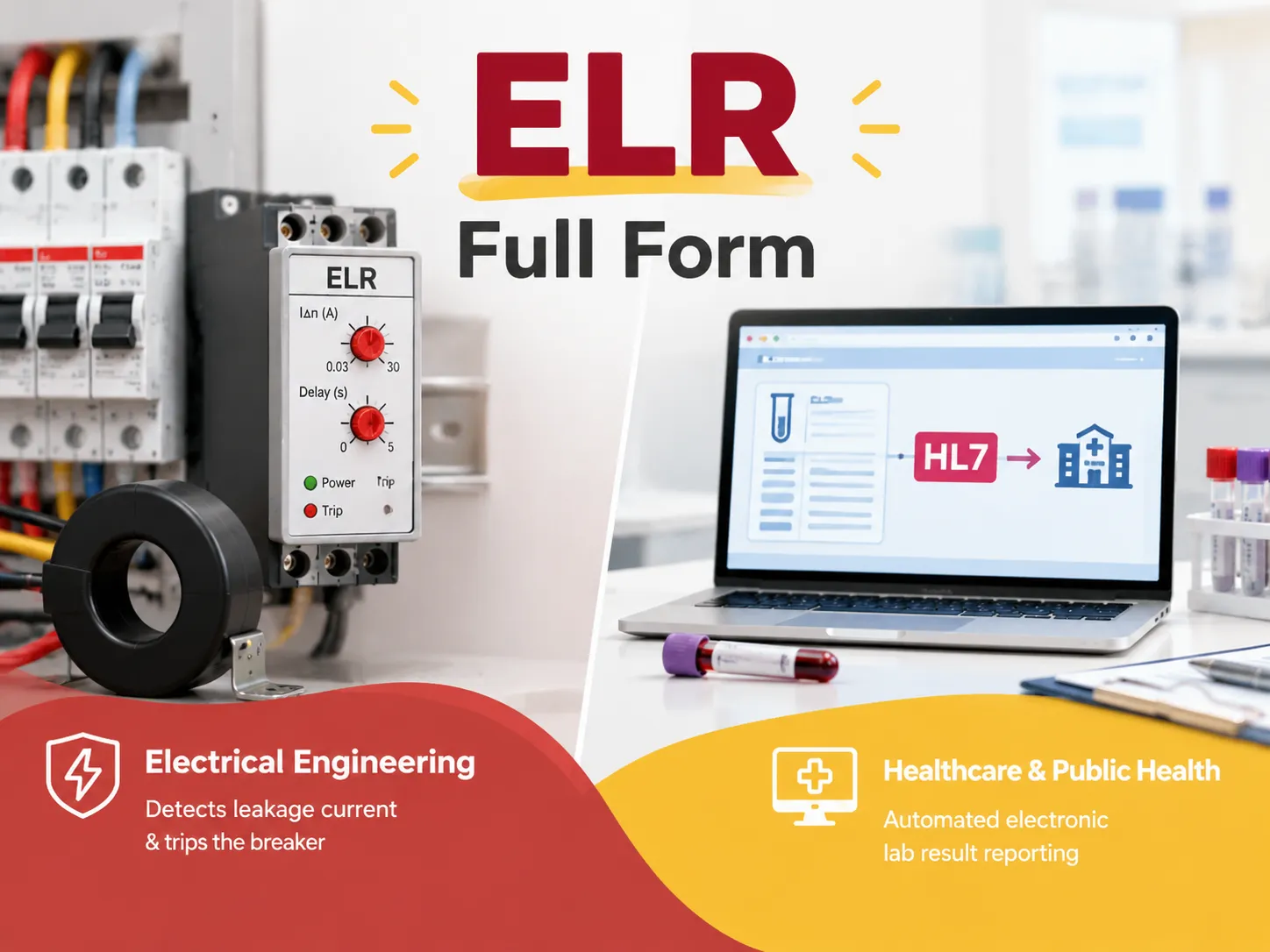
| RCCB / ELCB | Pemutus Sirkuit Arus Sisa / Kebocoran Tanah | 25-100 A, sensitivitas 30-300 mA | Perlindungan kejutan pada soket dan area basah |
| RCBO | Residual Current Breaker dengan Overcurrent | 6-63 A | Menggabungkan MCB + RCCB dalam satu modul |
| GFCI / AFCI | Pemutus Sirkuit Gangguan Tanah / Gangguan Busur | 15-50 A | Dapur AS, kamar mandi, luar ruangan (GFCI); kamar tidur, ruang tamu (AFCI) |
| SF6 / Minyak | Pemutus sirkuit berisolasi gas atau minyak | Tegangan tinggi | Jaringan transmisi, gardu induk tegangan tinggi |
Ada dua poin utama kebingungan: Pertama, RCCB dan RCBO bukan perangkat pelindung overcurrent seperti yang dipikirkan kebanyakan orang; melainkan, mereka adalah perangkat yang mendeteksi arus bocor ke tanah (melalui orang atau isolasi), sehingga mereka akan memutus sirkuit dalam waktu sekitar tiga puluh milidetik setelah kebocoran terjadi. Oleh karena itu, sesuai kode saat ini, semua soket harus dipasang RCCB atau RCBO. Kedua, dalam instalasi listrik rumah tangga di AS, fungsi AFCI dan GFCI sering digabungkan dalam perangkat yang sama ketika diperlukan di kamar tidur/ruang tamu sesuai ketentuan kode saat ini. Hubungan antara perangkat residual-current dan overcurrent ini dijelaskan lebih mendalam dalam RCCB vs RCBO.
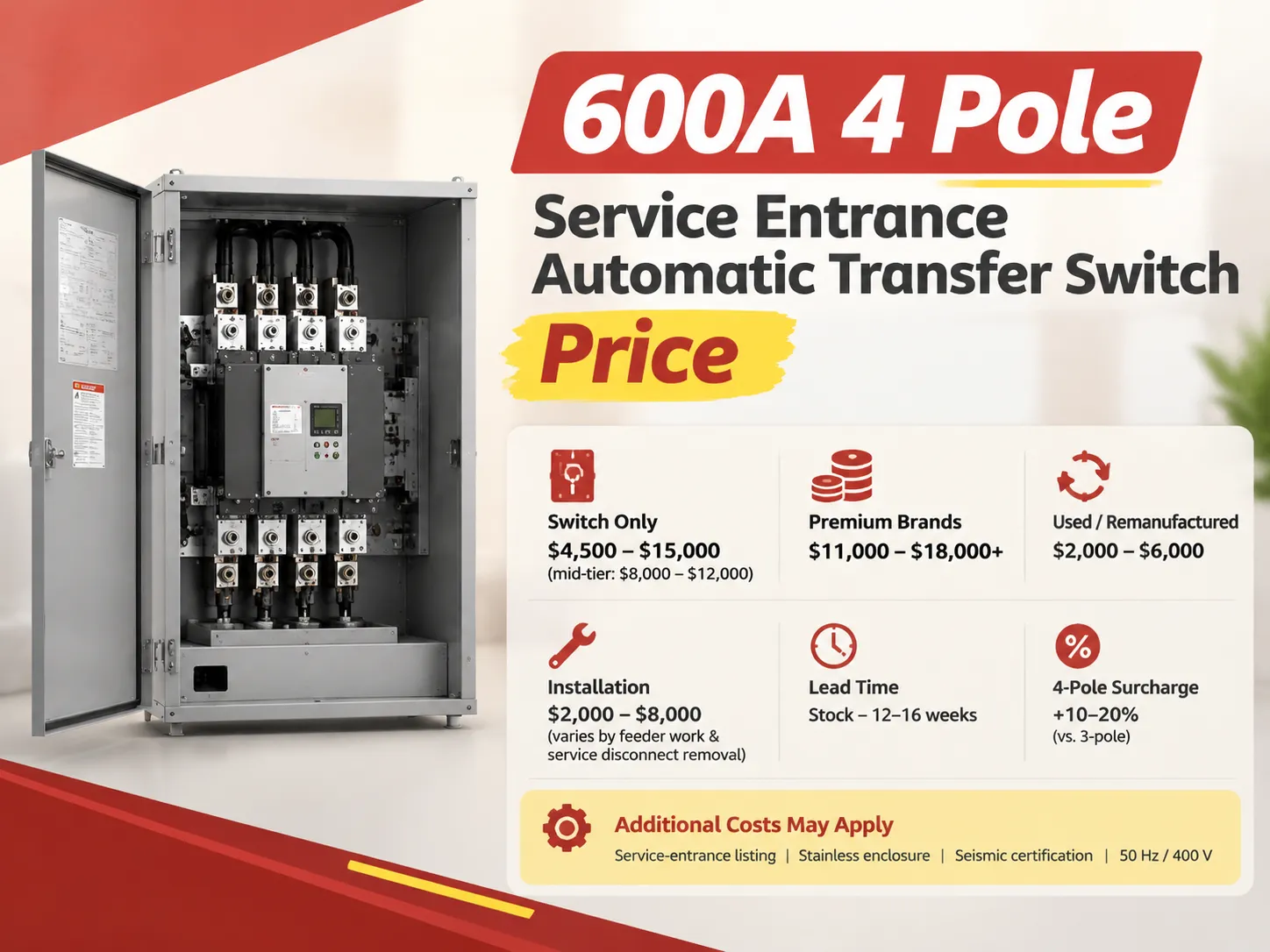
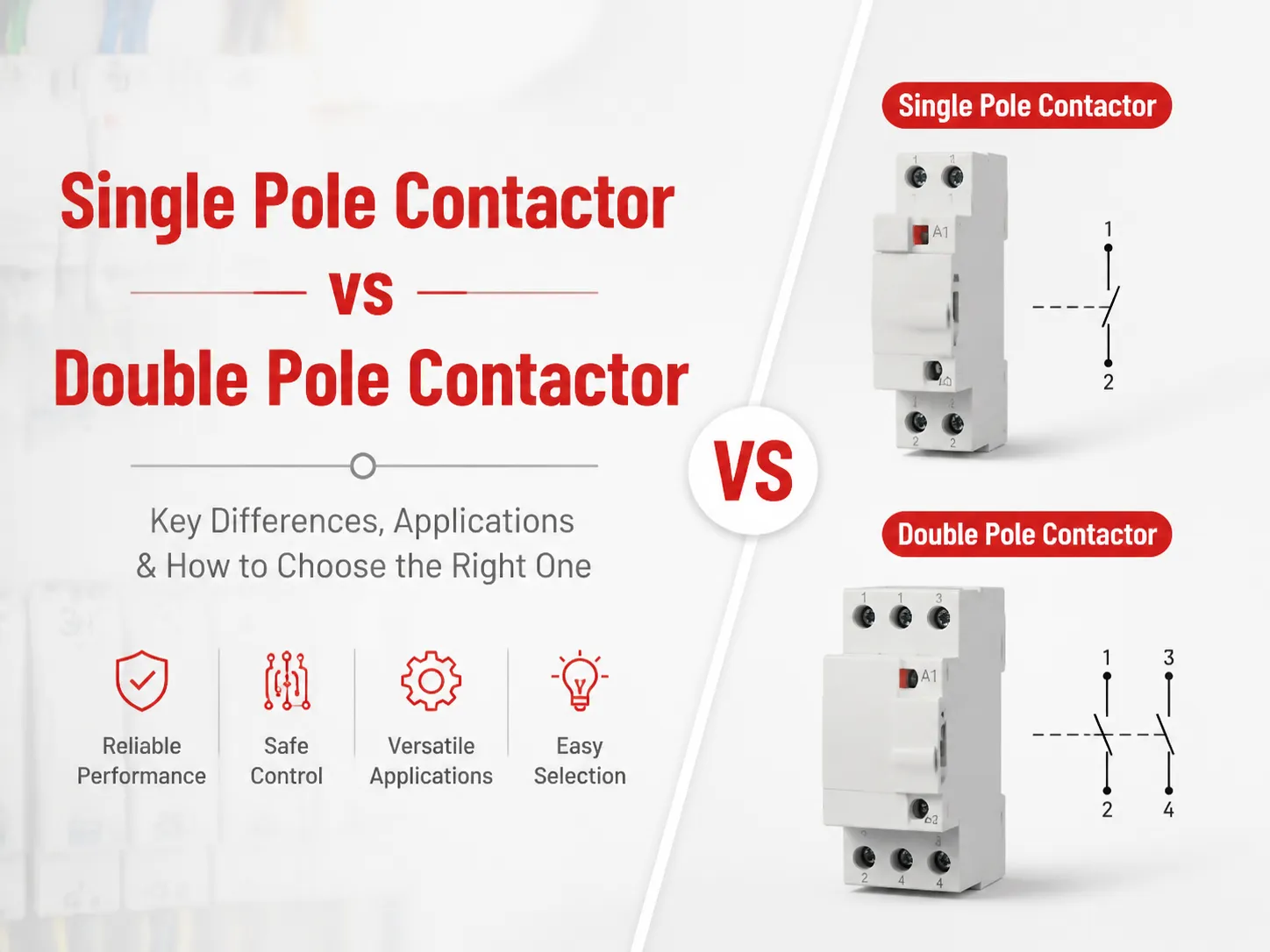
Pemutus sirkuit dapat memiliki konfigurasi kutub tunggal (satu kaki 120V), kutub ganda (dua kaki untuk peralatan/mains 240V di Amerika Utara) atau tiga atau empat kutub (tiga fase daya industri/komersial). Pemutus kutub tunggal memberikan perlindungan overcurrent untuk sirkuit cabang 120 Volt; Pemutus kutub ganda memberikan perlindungan overcurrent untuk beban 240 Volt seperti pengering pakaian, kompor, pemanas air, dan pengisi daya Kendaraan Listrik dan akan memutus kedua kaki secara bersamaan. Banyak kesalahan paling umum yang dilakukan pemilik rumah DIY disebabkan oleh pemilihan jumlah kutub yang tidak tepat, oleh karena itu disarankan agar Anda menggunakan profesional berpengalaman untuk melakukan instalasi panel/pembaruan rumah karena mereka telah melakukan proses ini ratusan kali sebelumnya.

Pemutus sirkuit vs sekering: apa perbedaannya?
Selain berfungsi sama untuk memberikan perlindungan pada instalasi dan peralatan, masing-masing tipe memiliki metode operasi yang unik. Sekering melindungi terhadap kondisi beban lebih melalui konduktor logam yang meleleh pada arus di atas kapasitasnya, menciptakan putus fisik dalam sirkuit listrik. Pada pemutus sirkuit, proses ini dilakukan melalui gerakan mekanis saklar. Perbedaan ini menjadi dasar perbandingan antara kedua jenis perangkat pelindung ini.
| Properti | Sekering | Pemutus sirkuit |
|---|---|---|
| Setelah trip | Elemen rusak — harus diganti | Reset dengan membalik tuas — dapat digunakan kembali |
| Kecepatan respons | Sangat cepat (pembatasan arus yang baik) | Cepat, tetapi sedikit lebih lambat dibandingkan sekering setara pada gangguan sangat tinggi |
| Perlindungan dari gangguan | Mudah diakali dengan memasang sekering lebih besar atau koin di belakangnya | Lebih sulit untuk dikalahkan; trip terjadi kembali secara terlihat |
| Dapat direset dari jarak jauh? | Tidak — penggantian fisik | Beberapa tipe industri dapat ditutup kembali secara elektrik |
| Biaya per kejadian | Bagian murah, tetapi setiap kesalahan memerlukan sekering baru | Biaya awal lebih tinggi, biaya per trip hampir nol |
| Diskriminasi/selektivitas | Baik; sekering berkoordinasi dengan baik secara seri | Membutuhkan pengaturan yang cermat antara unit hulu dan hilir |
| Tempat yang disukai | Perlindungan semikonduktor, titik industri dengan kapasitas gangguan tinggi, beberapa otomotif/maritim | Di tempat lain — rumah, komersial, distribusi industri |
Sebagian besar pengguna akan menyimpulkan bahwa peningkatan dari kotak sekering ke panel pemutus sirkuit adalah pengembalian investasi terbaik. Sekering tidak memberikan indikasi kelebihan beban berulang pada sirkuit dan oleh karena itu memberikan peluang untuk perbaikan yang tidak aman dan/atau berbahaya; di sisi lain, dengan pemutus sirkuit, pengguna dapat dengan jelas mengidentifikasi sirkuit yang trip dan dapat dengan mudah meresetnya. Pemutus sirkuit juga menawarkan perlindungan gangguan tanah dan gangguan busur, fitur yang tidak dapat ditawarkan oleh jenis sekering manapun. Dalam beberapa kasus, sekering akan bekerja lebih baik daripada pemutus sirkuit, seperti saat menangani arus gangguan sangat tinggi atau kebutuhan pembatasan arus cepat sambil melindungi peralatan listrik sensitif; namun, di bangunan, pemutus sirkuit telah menjadi pilihan terbaik selama bertahun-tahun.
Pemutus sirkuit vs saklar: apa perbedaannya?
Pegangan pemutus sering disalahartikan sebagai saklar karena mirip, tetapi mereka adalah jenis perangkat yang berbeda. Saklar (misalnya, saklar lampu, isolator, kontaktor) dimaksudkan untuk digunakan atau dioperasikan secara rutin (Anda akan sering menyalakan/mematikan), dan tidak memiliki kemampuan untuk mendeteksi. Pemutus sirkuit, di sisi lain, dimaksudkan untuk layanan yang jarang dan dirancang khusus untuk secara otomatis trip saat mendeteksi gangguan dengan mematikan arus secara otomatis.
As a result of these differences, there are two basic rules. First, a switch does not protect you from faults; it can only control your circuit, and therefore the circuit that comes from a switch must be protected by other devices upstream of the switch. Second, a circuit breaker is not intended for daily switching; its contacts are not designed for thousands of operates, and each time you manually trip it, the life expectancy of that breaker is decreased. If you want to have a switching device and also provide some form of protection, the ideal product would be a switch disconnector with a fuse or circuit breaker, or a motor protective circuit breaker (for machine circuits). On the high-voltage side, this difference is also found in substations, where they use separate disconnectors for switching (they will only switch when there is no current) and circuit breakers for interrupting fault currents.
Main breaker vs branch circuit breaker: what is the difference?
People frequently confuse the two types of breakers in a breaker panel (the main and the branch) because they both disconnect electricity from a panel; however, they serve entirely different functions. The main breaker disconnects power to the entire panel from the electrical utility, while branch breakers (the long rows of 15- and 20-amp handles) protect each individual circuit (e.g., kitchen, bedrooms, AC unit, dryer). Depending on the size of a person’s home and how much electricity is used each day, many people will find that the main breaker will be rated between 100-200 amps in a home.
Understanding the distinction between these two breakers is vital because of how they help protect against electrical shock and fire. The main breaker protects the service conductors, giving firefighters and/or electricians a single safe way to disconnect power from a building, whereas branch breakers protect the smaller wires located within walls that run to each particular room; therefore, when an electrical short or failure occurs within a branch breaker, it can potentially only take one room out of service instead of the entire house. When an individual hears “the main breaker tripped,” it usually indicates that either the total electricity usage exceeded the service capacity or that a significant electrical fault occurred between the main and branch breakers. Therefore, before an individual resets the main breaker, they should unplug enough appliances or electronic devices to bring the total electricity consumption below the maximum rating of the breaker panel.

Which brands make circuit breakers?
There are two distinct categories of manufacturers in the circuit breaker industry: global players with an extensive presence in North America and Europe, and companies focused on niche products where their certified products can be found across the globe.
| Merek | Home market | Known for |
|---|---|---|
| Square D (Schneider Electric) | US / France | QO and Homeline panels — the most widely installed residential breakers in North America |
| Eaton (incl. Cutler-Hammer) | US / Ireland | BR and CH series, strong commercial and industrial line |
| Siemens | Jerman | Huge industrial and residential portfolio, MP/QP residential line |
| ABB | Switzerland / Sweden | Tmax MCCB range, global industrial standard, SACE breakers |
| Leviton | US | Residential breakers plus a growing smart/connected breaker line |
| General Electric (now part of ABB/Smart Breaker brands) | US | Legacy THQL/THQB panels still common in older homes |
| Legrand / Hager / Chint / HUYU and similar certified global manufacturers | Europe / China | Full MCB/MCCB/RCBO ranges certified to IEC 60898 and IEC 60947, supplying OEM and project markets worldwide |
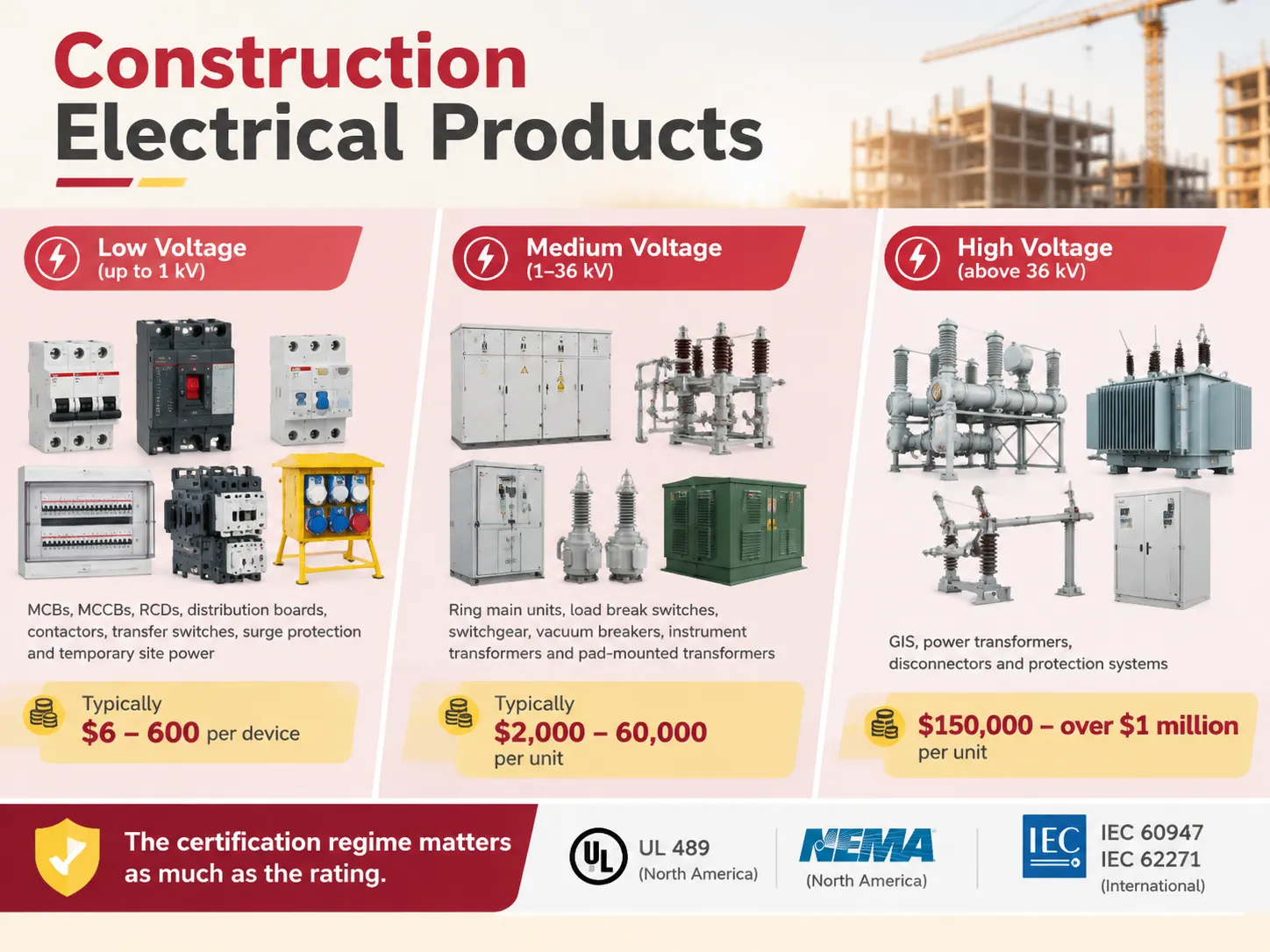
When purchasing circuit breakers, the most important rule regarding product compatibility is that, in North America, circuit breakers are panel-specific. As an example, a Square D breaker will not fit an Eaton panel, and trying to install one in a panel that it is not intended for creates not only a code violation, but also a legitimate fire hazard. To avoid this issue, simply match the replacement circuit breaker to the manufacturer’s name and series of the existing panel (see our Eaton vs. Cutler-Hammer Reference Guide for product compatibility) or, if you choose to switch brands, you can simply replace the entire panel. Circuit breakers from different manufacturers are compatible and can be mounted on DIN-rail tracks in markets outside of North America (i.e., IEC markets), and therefore companies like HUYU can distribute their certified miniature circuit breakers (MCBs) in over 100 countries. For industrial and project clients, the certification is much more important than the product logo; the certification for North America is UL 489 for circuit breakers, IEC 60898 for MCBs, IEC 60947-2 for molded case circuit breakers (MCCBs) and air circuit breakers (ACBs), and the certified test reports for those certifications.
How much do circuit breakers cost?
Pricing for Breaker varies more than many other types of electrical components because circuit breakers can range from $6 (residential spare) to over $100,000 (transmission). Therefore, when creating a budget for a project, it helps to have a breakdown of the possible price ranges in each category for each year leading up to 2026:
| Jenis pemutus | Part cost (typical) | Installed cost (electrician) |
|---|---|---|
| Standard single-pole thermal-magnetic (15-30 A) | $6-18 | $130-250 including service call |
| Double-pole (30-100 A) | $10-40 | $150-300 |
| GFCI breaker | $40-100 | $200-350 |
| AFCI or combination AFCI/GFCI | $30-100 | $175-350 |
| Smart breaker with energy monitoring | $50-300+ | $250-500 |
| MCB (IEC, 6-63 A, DIN-rail) | $3-25 | Varies by market |
| MCCB (100-1,600 A) | $45-1,600+ | Project-priced |
| ACB (630-6,300 A) | $800-5,000+ | Project-priced |
| Medium/high-voltage breaker | $5,000-100,000+ | Substation projects |
The big price drivers are amperage, interrupting rating, protection features, and brand. A basic 20 A thermal-magnetic breaker at $6-12 versus a combination AFCI/GFCI unit at $50-100 is roughly a five-to-eight-times multiplier — justified by the microprocessors and sensors inside the smart unit. The full cost picture — including panel replacement and when a $200 breaker swap turns into a $2,000-4,000 panel upgrade — is detailed in our panduan biaya penggantian pemutus sirkuit.

How to choose the right circuit breaker
To select a new circuit breaker, follow these five steps IN ORDER: Each step limits and restricts your options for the next step.
- Wire ampacity = Breaker amperage, NOT appliance amperage! The Industry Standards state that the breaker is there to protect the wire, so the breaker should NEVER exceed the ampacity of that wire. Therefore, a 15 amp breaker protects a 14 AWG copper wire, a 20 amp breaker protects a 12 AWG wire, and a 30 amp breaker protects a 10 AWG wire. NEVER upgrade a breaker to eliminate nuisance trips until you have verified the wire size; this is one of the leading causes of houses burning down.
- 80% of Breaker’s Rating is Maximum Continuous Load: The National Electrical Code requires circuit breakers to be rated for continuous (3-hour or more) loads at no more than 80% of the breaker’s capacity. A continuous 12 amps (1,440 watts at 120 volts) on a 15 amp breaker are fine, and 16 amps (1,920 watts) on a 20 amp breaker are fine. For an explanation of how to perform the calculation converting watts-to-amps for continuous loads, please see our 15-Amp Circuit Capacity Guide.
- Type Matches Hazard: A Ground Fault Circuit Interrupter (GFCI) circuit breaker must be used on receptacles located in kitchens, bathrooms, garages, and outside. An Arc Fault Circuit Interrupter (AFCI) breaker must be used in bedrooms and living areas under current code. Lastly, a motor or transformer circuit must use the proper trip curve (usually C or D) to minimize nuisance trips during startup.
- Number of Poles = Voltage: A single pole breaker is used on 120-volt branch circuits; a double pole breaker is used on 240-volt loads and on disconnects from the service panel; a breaker for a three-phase system must be either a three- or four-pole breaker.
- Interrupting Rating and Certifications: The interrupting or breaking capacity (kA) of a circuit breaker must be adequate for the available fault current at the main panel, and ONLY certified devices (in North America, the certification mark is UL 489; in the rest of the world, the certification marks are IEC 60898/60947) should be purchased from authorized dealers. Counterfeit breakers are an increasing problem. When counterfeit breakers fail, it is usually during a fire.
Installation, resetting, and replacement
Resetting a tripped circuit breaker is something every homeowner ought to be aware of. When a circuit breaker trips, it will revert to the middle or OFF position on its handle. To reset the circuit breaker, turn the handle completely to the OFF position, and then fully back to the ON position. If after you have reset the circuit breaker it does not trip again, it is likely that the overload causing the circuit breaker to trip was an isolated event. If the circuit breaker trips again immediately after being reset, you most likely have a larger electrical issue, and you should stop attempting to reset the breaker and investigate the problem further.
Circuit breakers do eventually wear out, and the wear will usually result from a mechanical failure in the latching mechanism or the electrical contacts rather than a failure of the sensing mechanism (the electronic part). A circuit breaker that is very hot, buzzing or humming, has a burnt smell, and/or has tripped many more times than it previously did, or has failed to trip completely, is likely going to need to be replaced. Testing a faulty breaker is fairly easy if you have access to a multimeter; you’ll need to check that the breaker will hold the correct amount of current load and trip when it is supposed to. But if a circuit breaker begins showing any of the above warning signs, it will be in your best interest to replace it instead of trying to continue using it until it finally does fail on you.
Replacing a circuit breaker in a panel that is live has some inherent risk involved. Depending on the configuration of your panel and where the service lugs (terminals) on your circuit breaker panel are mounted, the service lugs remain energized even when the main has been turned OFF. In the vast majority of cases in the United States, it is against the law to rewire or replace a circuit breaker while working on the live side of the service because there is a high likelihood that an arc flash will occur if you come into contact with the energized lugs while doing so. The cost of hiring an electrician to replace a circuit breaker is typically between $130-$250 to provide you with peace of mind and protection against the risk of an arc flash. The same professional judgment should be applied on the panel level: whether or not your aging 100 A service is capable of handling the entire electrical load of a modern home, and whether or not the current code requires you to have a panel rated at 200 A, is a question that you should be able to have answered by a licensed electrician after a load calculation has been performed, not a guess.
Why does a circuit breaker keep tripping?
A repeatedly tripping breaker is not the source of the problem; it is an indication of a problem. A tripped breaker indicates that there is something wrong with the electrical circuit or with what is connected to it. Identifying the cause of the problem means understanding the following four major categories of electrical faults or problems.
- Overloaded circuit – Too many appliances or devices drawing power from a single circuit are causing an overload of electrical current. The solution to this is to balance the load on the circuit or to install a new circuit for the additional high-wattage electrical devices, and not to use a higher-rated circuit breaker.
- Hubung singkat – An electrical short happens when an energized wire touches either a neutral or ground wire. This condition can happen inside an appliance or in an extension cord when either the cord or the appliance is damaged. A short circuit will usually trip instantly, and there may be a burnt smell associated with it.
- Ground Fault – A ground fault occurs when current leaks to ground (earth) through a person, water, or damaged insulation on an electric wire. Ground fault protection devices (GFCIs and RCCBs) are critically important to ensure the safety of people using electricity.
- A Breaker Failure – After decades and thousands of operations, a breaker eventually will wear out and will no longer trip and will fail to hold on to its rated current.
Diagnosing which family you are in — and why a breaker that “trips for no reason” almost always has a reason — is exactly what our circuit breaker tripping guide walks through step by step. It is important to note: If a breaker trips when an appliance is plugged in, the appliance is most likely the cause. If a breaker trips when nothing is connected, suspect either the wiring or the breaker and call a licensed electrician to investigate further; do not experiment with either the wire or the breaker.
FAQ
How do I reset a circuit breaker?
To reset the circuit breaker(s), locate the circuit breaker that tripped (the lever/circuit breaker will be in between the OFF/ON position) Move the lever fully to the OFF position, and then move it firmly to the ON position. If the circuit breaker(s) remains in the ON position, then the trip was probably a temporary overload. However, if the circuit breaker(s) immediately or shortly thereafter trips again, do not reset the circuit breaker(s) again and contact a professional to determine why the circuit breaker(s) keep tripping.
What’s the difference between a circuit breaker and a fuse?
Fuses protect electrical circuits by melting a wire (metal element), and therefore, when a fuse is blown it has to be replaced every time. Circuit breakers protect electrical circuits by using a mechanical switch to open the circuit. This allows circuit breakers to be reset and reused many times. Additionally, circuit breakers have the ability to provide both ground fault protection and arc fault protection which fuses cannot; therefore, circuit breakers have replaced fuses in virtually all modern buildings.
What is the difference between a main breaker and a circuit breaker?
The term circuit breaker refers to all circuit breakers. The main breaker is a circuit breaker that is larger than the others (typically 100-200 amps) that disconnects the entire electrical service from the utility company. Branch circuit breakers are the smaller circuit breakers that are used to protect individual circuits in the building. All circuit breakers will trip automatically in response to electrical faults, however, the main circuit breaker protects the conductors that carry the electrical service, while branch circuit breakers protect single circuits.
What is the difference between a circuit breaker and a switch?
A switch is a manual control device that is intended for frequent operation, without providing any protective function. A circuit breaker is a protective device that will automatically open the circuit if there is an overload condition or short circuit and is not intended to be used thousands of times a day. A switch does not provide protection for a circuit; a circuit breaker is not intended for daily use. Some devices are designed to have both functions; therefore, these products are referred to as switch-disconnectors or motor-protective devices.
Referensi
- Schneider Electric — What Is a Circuit Breaker?
- Eaton — Circuit Breaker Fundamentals
- RealPars — Circuit Breakers Explained
- Family Handyman — How Circuit Breakers Work
- NFPA — National Electrical Code (NEC)
Kesimpulan
A circuit breaker protects every electrical system from excessive voltage and current. It is a switch that automatically responds to excessive voltage and/or current (i.e. thermal and magnetic overload) and opens the circuit as fast or faster than a fused circuit. If you are new to circuit breakers, it is important to understand the thermal/magnetic trip mechanism that opens the breaker, the trip characteristics of breakers of types B, C, and D according to their rated load and type of electrical load, how do MCBs, MCCBs, RCBOs differ; when and why you should use circuit breakers instead of fuses; and to what extent you should use the main breaker with regard to branch circuit breakers; how to determine the correct certification for the circuit breaker and the manufacturer of the circuit breaker to ensure compatibility with your circuit breaker panel; and how to use the ratings of circuit breakers to size correctly the circuit breaker for your installation. All of the above may be obtained from the circuit breaker manufacturer or an electrical contractor, and if not, you must refer to a qualified electrical contractor to obtain such information to ensure your equipment remains protected by the circuit breakers. Assuming that you have taken advantage of the above information, you can expect your circuit breaker(s) to continue protecting all of your equipment for many years to come until such time as the circuit breakers have reached their rated life (which they do not use) and have provided the necessary protection for each piece of your equipment.