

Каждый электрический пожар, начинающийся за стеной, каждое отключение, которое происходит сразу после подключения проводных элементов к электроустройствам, каждый треск и щелчок в электрическом щите имеют одну и ту же причину. Электрическое короткое замыкание — самая распространённая, но в то же время самая опасная неисправность во всей электрической системе; ни одно мастерство не может предсказать, когда начнётся проблема, что означает разницу между обычным срабатыванием и огромной катастрофой. В хорошо спроектированном доме или на предприятии короткое замыкание будет зафиксировано за миллисекунды, иначе ваши провода расплавятся, возникнет пожар, и ваше оборудование будет полностью уничтожено за секунды.
Это руководство даёт ответы на вопросы о том, как возникает электрическое короткое замыкание и каковы последствия его появления: какова физика процесса, какие виды коротких замыканий существуют в мире вместе с их причинами и опасностями, а также можно ли использовать средства защиты от коротких замыканий и что делать в случае возникновения проблемы в вашем доме.
Кратко: короткое замыкание происходит, когда ток проходит по пути с низким сопротивлением и неизвестному — например, когда фазный провод контактирует с нейтральным, фазный провод с другим фазным проводом или с заземлённой поверхностью. Последствия короткого замыкания включают очень высокое выделение тепла, горение изоляции и возникновение пожаров; электрическую дугу, возникающую при температуре выше температуры солнца; взрыв из-за дуги в промышленном оборудовании; прикосновение к концам машин.
Что такое короткое замыкание?
Короткое замыкание обозначает вид неисправного электрического соединения, которое вызывает протекание электрического тока по непредусмотренному пути с низким сопротивлением, игнорируя нагрузку (устройство, предназначенное для потребления энергии). При нормальной работе цепи ток течёт по цепи от источника к нагрузке (какому-либо прибору или двигателю), поскольку сопротивление в цепи ограничивает ток до безопасного значения. Таким образом, нагрузка делает цепь функциональной, превращая электрическую энергию в свет, тепло или движение.
В случае короткого замыкания нагрузка полностью игнорируется. Ток находит альтернативный путь — либо фазный провод касается нейтрального, либо другого фазного провода, при этом сопротивление этого пути практически отсутствует, и ток резко возрастает.

Как формируется короткое замыкание? Физика процесса
Возникновение короткого замыкания является результатом цепной реакции, описываемой одной формулой: закон Ома; I = V/R. Процесс развивается следующим образом:
- Происходит контакт: два проводника соприкасаются, то есть фазный провод касается нейтрального, другого фазного провода или заземлённого объекта. Контакт возникает из-за неисправной изоляции, ослабления провода, влаги и т.д.
- Сопротивление падает: сопротивление этого случайного контура составляет доли ома (от 0,01 до 0,5 ома) по сравнению с сопротивлением электрических устройств, которое исчисляется сотнями ом.
- Ток резко возрастает: это означает, что из-за практически нулевого сопротивления сила тока достигает огромных значений. Например, в цепи с номинальным напряжением 120 вольт и сопротивлением замыкания 0,1 Ом сила тока составляет 120/0,1 или 1200 ампер, тогда как лампа мощностью 60 Вт потребляет всего 0,5 ампера. Рост тока в 2400 раз ограничен только сопротивлением источника и проводов.
- Тепло выделяется мгновенно: процесс нагрева в электрических проводниках объясняется законом Джоуля: P=I^2 * R. Как видно, ток возводится в квадрат в формуле, поэтому даже тысяча ампер, проходящих через незначительное сопротивление, выделяет невероятное количество энергии и приводит к возгоранию изоляции и испарению металла за считанные секунды.
- Возникает электрическая дуга: если точки контакта разъединяются, возникает дуга.
- Срабатывает защита или нет: короткое замыкание может прекратиться, если сработает защитное устройство. Весь процесс от момента контакта до отключения цепи занимает менее одной десятой секунды при правильной работе защиты. В противном случае тепло и электрическая дуга будут распространяться, пока короткое замыкание не вызовет пожар.
Важно, что хотя короткое замыкание происходит мгновенно, последствия зависят от скорости реакции защиты.
Типы коротких замыканий
Также различают типы коротких замыканий в зависимости от характеристик проводников.
| Тип | Что происходит | Типичный пример | Защита |
|---|---|---|---|
| Фаза-ноль | Активный проводник касается нулевого, обходя нагрузку | Изношенный шнур лампы, зажатый кабель за мебелью | Автоматический выключатель (магнитный расцепитель) |
| Фаза-фаза (фаза-фаза) | Два под напряжением проводника с разными потенциалами соприкасаются | Поврежденные обмотки двигателя, раздавленный многожильный кабель | Автоматический выключатель (высокий ток короткого замыкания) |
| Замыкание на землю (фаза-заземление) | Под напряжением проводник касается заземленной поверхности | Провод касается металлического корпуса, трубы или шасси | УЗО/Дифавтомат (обнаруживает дисбаланс 4-6 мА) |
| Трехфазное болтовое короткое замыкание | Все три фазы замкнуты напрямую — максимальный ток короткого замыкания | Отказ промышленного коммутационного оборудования | Автоматы рассчитаны на отключающий ток; исследования дугового разряда |
| Дуговое замыкание | Прерывистая дуга высокого сопротивления через зазор | Ослабленный клеммник, трещины в изоляции | AFCI (устройство защиты от дуговых замыканий) |
Важно понимать, что хотя замыкание на землю может рассматриваться как тип короткого замыкания, оно рассматривается отдельно, поскольку любой ток замыкания на землю может быть смертельно опасен при прохождении через тело человека — даже если он недостаточен для срабатывания автоматического выключателя. Что касается дугового замыкания, оно не генерирует достаточный ток для срабатывания автомата, но создает условия для возгорания при наличии горючих материалов, именно поэтому в жилых помещениях теперь обязательны автоматические выключатели с функцией AFCI.

8 распространенных причин
Как в жилых домах, так и на промышленных объектах существует всего несколько основных причин коротких замыканий.
- Поврежденная или вышедшая из строя изоляция: изоляция проводов ухудшается с возрастом, подвергаясь воздействию тепла и ультрафиолетового излучения, а также определенных химических веществ и вибрации. Материалы изоляции разрушаются, что приводит к отказу проводных систем. Старые провода с резиновой изоляцией (произведенные до 1950 года) имеют тенденцию становиться хрупкими и трескаться.
- Ослабленные соединения: если клеммы расшатываются, проводник может коснуться другого проводника или корпуса. Это относится как к недостаточно затянутым, так и к чрезмерно затянутым клеммам.
- Повреждения от грызунов и насекомых: крысы и мыши прогрызают изоляцию и очень часто вызывают короткие замыкания в системах, установленных в различных местах, включая электрические панели, транспортные средства и фермы.
- Проникновение воды и влаги: вода соединяет два проводника и одновременно разъедает изоляцию. Затопленные распределительные коробки и влага в уличных корпусах приводят к тысячам неисправностей.
- Неисправные приборы: внутренние короткие замыкания могут происходить в двигателях или источниках питания, создавая опасность для цепей, их питающих.
- Механические повреждения: гвозди и винты могут пройти через стену в кабели, а кабели могут быть повреждены тяжелыми предметами, которые могут оказаться на их пути (например, в случаях раздавливания кабеля).
- Плохая установка: недостатки при самостоятельных работах (переключение проводников, оставление проводов неподключенными и т.д.) являются одними из наиболее распространенных причин коротких замыканий в бытовых электропроводках.
- Перегрев: перегруженный проводник нагревается, изоляция твердеет и трескается. Перегруженный кабель может привести к короткому замыканию.
Каковы последствия короткого замыкания?
Последствия неконтролируемого короткого замыкания могут развиваться от миллисекунд до минут:
- Пожар. Электрические неисправности являются одной из основных причин пожаров в зданиях. По данным Администрации пожарной безопасности США, электрические неисправности вызывают более 44 000 пожаров в жилых домах ежегодно. Тепло в точке неисправности воспламеняет изоляцию, пыль и другие горючие материалы вблизи.
- Электрическая дуга и взрыв (промышленность). Короткое замыкание приводит к возникновению взрывающихся дуг, создающих чрезвычайно горячие и яркие эффекты, а также ударную волну. Травмы, вызванные электрическими дугами, являются одними из самых серьезных травм, получаемых работниками в электротехнической сфере — именно поэтому средства индивидуальной защиты и процедуры безопасности при работе с под напряжением включены в стандарты NFPA 70E.
- Электрический удар. Замыкания на землю вызывают появление напряжения на любых металлических поверхностях современных приборов — любое заземленное устройство может стать под напряжением, что приводит к смертельному удару током.
- Повреждение оборудования. Токи короткого замыкания могут повредить обмотки двигателей, дорожки на печатных платах, трансформаторы и транзисторы за несколько миллисекунд, разрушая другие устройства до и после неисправности.
- Затраты и простой. В одном месте один кабель коротко замыкается и останавливает всю линию. Поиск неисправности занимает часы, а ремонт и потеря производства могут привести к высоким расходам.
Короткое замыкание против перегрузки: в чем разница?
Оба этих типа неисправностей часто неправильно понимаются, но на самом деле они различны; автоматический выключатель реагирует на них по-разному:
| Особенность | Короткое замыкание | Перегрузка |
|---|---|---|
| Причина | Непреднамеренный путь с низким сопротивлением, обходящий нагрузку | Слишком много нагрузок (или слишком большая нагрузка) на цепи |
| Уровень тока | Сотни до тысяч ампер | Немного или умеренно выше номинала (например, 25А на цепи 20А) |
| Скорость повреждения | Мгновенная | Постепенный нагрев в течение минут или часов |
| Реакция автомата | Магнитный/мгновенный срабатывание (миллисекунды) | Тепловое срабатывание (с задержкой, от секунд до минут) |
| Типичный признак | Автомат срабатывает сразу после сброса | Автомат срабатывает после некоторого времени работы оборудования |
Практический совет: если автомат срабатывает каждый раз сразу после сброса, скорее всего, имеется короткое замыкание. Автомат сработает только после некоторого времени при наличии нагрузки, если проблема связана с перегрузкой.

Как защищаются цепи
Поскольку короткие замыкания неизбежны в любой электрической системе в течение ее срока службы, были разработаны различные методы защиты от короткого замыкания.
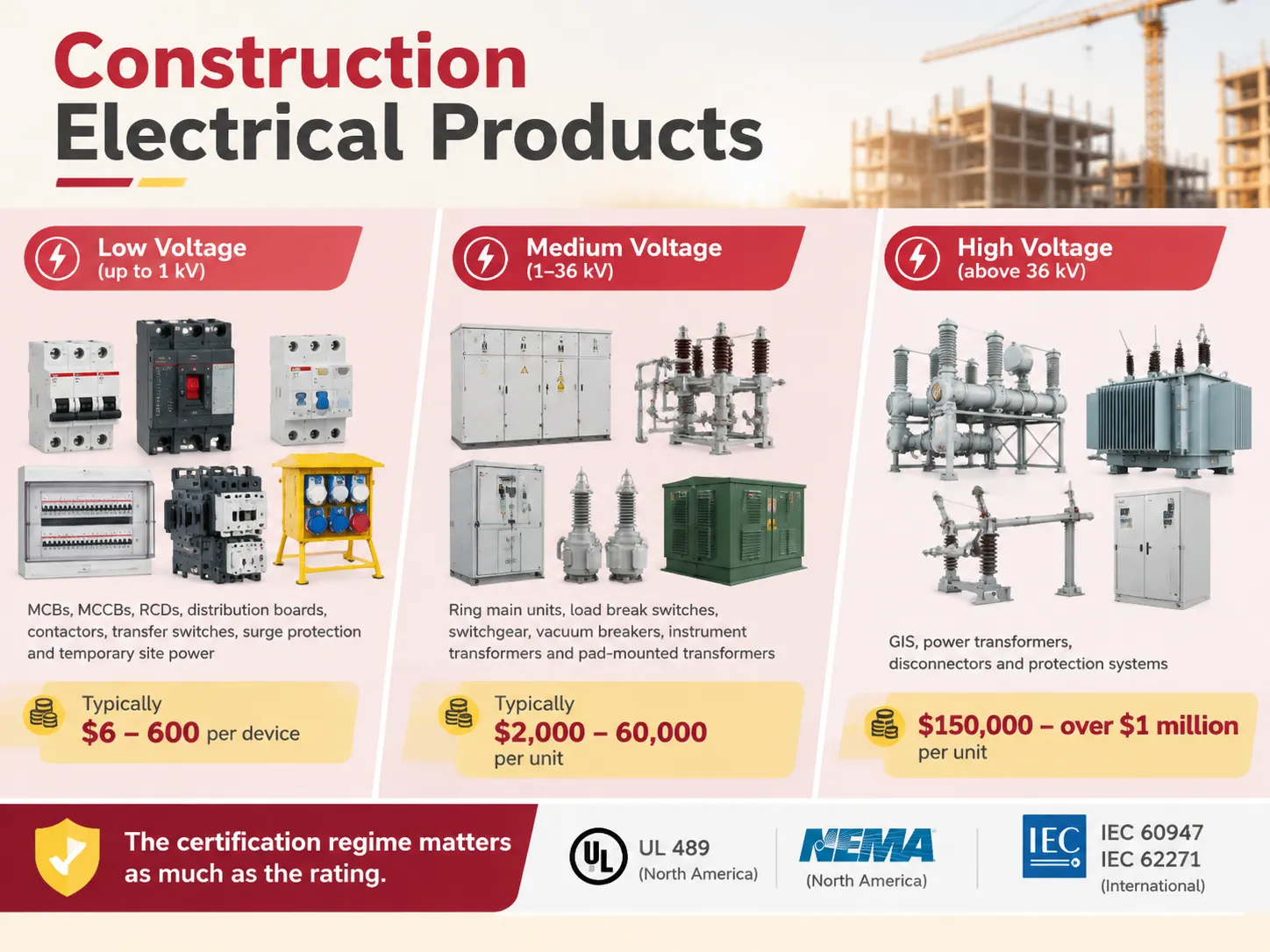
- Предохранители — одни из самых старых и простых вариантов защиты. Они состоят из металлического элемента с определенной температурой плавления. При превышении тока элемент плавится и разрывает цепь. Предохранители — это дешевые, быстрые и надежные методы защиты; однако после срабатывания их необходимо заменять.
- Автоматические выключатели состоят из двух устройств — магнитного соленоида, который размыкает цепь при токе до десятикратного превышения номинала, и биметаллической пластины, реагирующей на перегрузку с задержкой более одной секунды.
- Устройства защитного отключения или УЗО — это типы устройств, которые обнаруживают дисбаланс тока около четырех-шести миллиампер между фазным и нейтральным проводами менее чем за одну сороковую секунды и прекращают ток.
- Прерыватель цепи дугового замыкания опирается на цифровые технологии, которые позволяют обнаруживать явление дугового разряда и предотвращать его.
- Для правильной работы всей цепочки защиты все части должны быть скоординированы и правильно подобраны по размеру, поэтому защита должна обеспечиваться правильным методом подбора проводов, устройств и номиналов.
Понимание того, как эти защитные устройства специфицируются — и чем они отличаются — именно то, что наш Руководство по стандарту UL 489 для автоматических выключателей и Сравнение MCB и MCCB рассматривает подробно.
Что происходит, если в доме происходит короткое замыкание?
Все сводится к тому, работает ли система защиты или нет.
- Случай с исправным автоматическим выключателем: выключатель срабатывает немедленно, отключая питание цепи. Если происходит короткое замыкание, это можно заметить по отсутствию света и работы устройств, а также по положению выключателя в среднем положении на панели, при этом включение его обратно восстанавливает питание, как только неисправность устранена.
- В случае постоянного короткого замыкания после сброса выключателя приходится иметь дело с тем, что выключатель снова быстро реагирует, но если он не работает должным образом, любые дальнейшие попытки сброса опасны из-за необходимости устранить проблему до того, как выключатель сможет снова работать.
- В случае плохой системы защиты неисправность может привести к пожару, когда элемент цепи.
Вывод заключается в том, что при коротком замыкании в правильно смонтированном доме происходит срабатывание выключателя и ремонт, тогда как в домах с плохой проводкой это приводит к риску пожара и поражения электрическим током.
Как найти и устранить короткое замыкание
В случае немедленного срабатывания автоматического выключателя, который остается в закрытом положении, следует сделать следующее (автомат должен быть в положении «выключено», и необходимо соблюдать меры безопасности):
- Сначала отключите все устройства на этой цепи. Сбросьте автоматический выключатель после отключения всех нагрузок — если выключатель остается в закрытом положении после этого, виновато одно из устройств, ранее подключенных к цепи, что можно определить, подключая их по одному.
- Если автомат срабатывает снова при отсутствии подключенных устройств: причина неисправности в проводке и устройствах, используемых в этой цепи, возможно, проблема с кабелем, розеткой или соединением проводов.
- Сначала осмотрите на наличие повреждений: проверьте наличие порезов или поврежденных проводов, защемленных кабелей, обгоревших участков проводов или других признаков повреждений на электрических устройствах.
- Проверьте устройства и провода: убедитесь, что провода надежно закреплены и в соединительной коробке нет влаги.
Если проблема находится в стенах, необходимо вызвать лицензированного электрика, так как поиск места короткого замыкания может занять много времени и привести к пожару и угрозе жизни.
Как предотвратить короткие замыкания
- Никогда не используйте поврежденные шнуры и приборы; шнуры с изношенной изоляцией и вилки с трещинами считаются поврежденными и должны быть заменены.
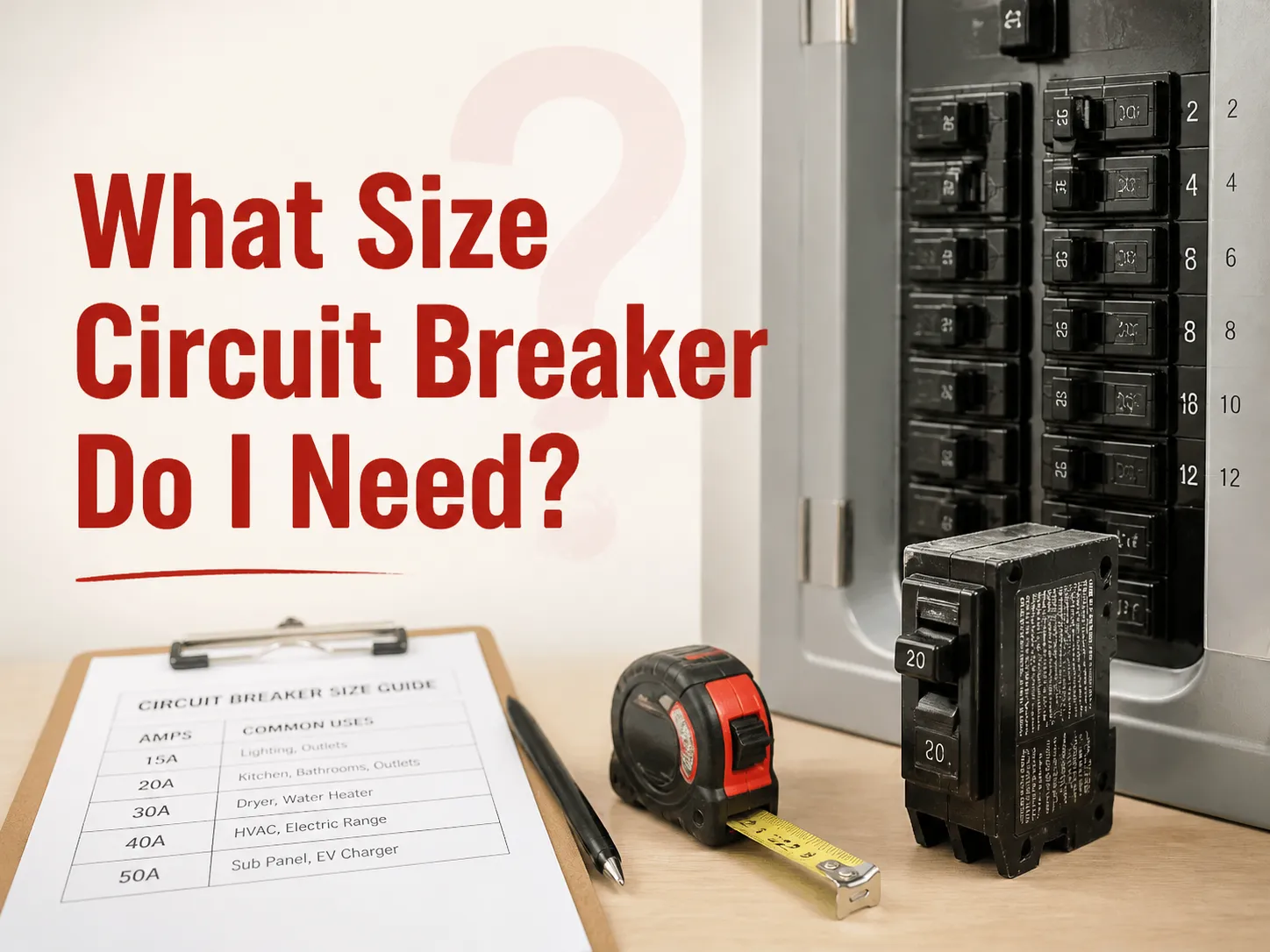
- Избегайте перегрузки цепей и последовательного подключения удлинителей, так как это может привести к снижению изоляции и короткому замыканию в конечном итоге. Руководство по емкости цепи на 15 ампер указывает допустимую нагрузку для цепи.
- Избегайте попадания воды вблизи электричества: защита GFCI требуется на кухнях, в ванных комнатах, на улице и в гаражах; шнуры должны оставаться сухими.
- Используйте технологию AFCI в жилых помещениях вашего объекта для обнаружения дуговых коротких замыканий, которые не фиксируются автоматическими выключателями.
- Проведите проверку электропроводки в старых домах, особенно если используется проводка с тканевой/резиновой изоляцией, алюминиевая проводка (требующая устройств с рейтингом CO/ALR), системы с керамическими изоляторами и трубками.
- Важно надежно контролировать вредителей, которые могут привести к коротким замыканиям; чердаки и подпольные пространства должны быть герметично закрыты.
- Используйте сертифицированные материалы и устройства от автоматических выключателей до розеток, чтобы защита никогда не обходилась более крупным автоматом “потому что он всегда срабатывает”.”
- Ежегодные проверки промышленных щитов: тепловизионный контроль и проверка крутящего момента выявляют ослабленные соединения до того, как они станут неисправностями — та же дисциплина технического обслуживания, которую мы описываем в наших руководство по обнаружению отказов выключателей.
Часто задаваемые вопросы
Как образуется короткое замыкание и каков его эффект?
Короткое замыкание происходит, когда электричество проходит по непреднамеренному пути с низким сопротивлением — если фазный провод соединяется с нейтральным, соседним фазным проводом или заземлением системы электроснабжения. Из-за очень низкого сопротивления закон Ома (I = V/R) приводит к переходу от нормальных значений тока к нескольким тысячам ампер за миллисекунды. Это вызывает выделение тепла (I²R), которое может повредить изоляцию, вызвать электрический разряд, приводящий к возгоранию горючих материалов, образование электрических дуг в промышленном оборудовании, поражение электрическим током людей и выход из строя приборов — все эти явления могут быть предотвращены быстро действующими защитными устройствами (автоматическими выключателями, предохранителями и устройствами защитного отключения).
Что именно происходит при коротком замыкании?
При коротком замыкании электрический ток проходит по цепи не через нагрузку, а по непреднамеренному пути с почти нулевым сопротивлением. Увеличение тока ограничивается только импедансом источника и проводов, обычно достигая сотен или тысяч ампер за миллисекунды. Это приводит к экстремальному нагреву (нагрев I²R), который вызывает плавление покрытий и превращение металла в жидкость, а также может привести к возникновению электрической дуги. При наличии защиты автоматический выключатель или предохранитель разрывает цепь в доли секунды; без защиты перегретые материалы воспламеняются, что может привести к пожару.
Может ли короткое замыкание пройти само по себе?
Почти никогда и никогда безопасным образом. Поскольку короткое замыкание — это когда два оголённых проводящих материала находятся в физическом контакте друг с другом, оно не исправляется само по себе. Хотя могут быть моменты временной дуги при вибрации проводников в движении, что приводит к повреждению изоляционного материала и появлению углеродных дорожек, что усугубляет ущерб, нанесённый неисправностью. Единственным возможным безопасным решением является срабатывание предохранителя и выключателя. Это единственный случай, когда существует ограничение на то, что может вызвать повреждающий ток, и после обнаружения неисправности требуется её устранение.
Что произойдёт, если в доме произойдёт короткое замыкание?
При наличии надлежащей защиты в доме короткое замыкание вызывает быстрое срабатывание автоматического выключателя, что обеспечивает безопасность. Цепь прекращает работу, и после устранения проблемы сброс позволяет цепи снова функционировать. Худшее, что может произойти в этом случае, — это срабатывание выключателя. Однако если автоматический выключатель неисправен, имеет слишком большой номинал или обходится, то из-за нагрева, вызванного коротким замыканием, изоляция проводов плавится, что приводит к пожарам, вызванным электрическими приборами в стенах. Если короткое замыкание произошло в корпусе одного из электронных устройств, сработает устройство GFCI, если оно установлено; если нет, цепь продолжит подавать питание на корпус прибора, создавая опасную ситуацию.
Ссылки
- Контрольная схема — что такое короткое замыкание: причины, типы и защита
- Engineer Fix — что такое короткое замыкание и что его вызывает
- Electrical Repair Authority — диагностика и ремонт электрических коротких замыканий
- US Fire Administration — статистика пожаров в жилых зданиях, вызванных электричеством
- NFPA 70 — Национальный электротехнический кодекс (NEC), издание 2023 года
- NFPA 70E — Электробезопасность на рабочем месте (дуговой разряд)
Заключение
Возникновение коротких замыканий можно объяснить фундаментальным физическим принципом, согласно которому, если току разрешено течь по пути с почти нулевым сопротивлением, минуя нагрузку, то согласно закону Ома ток изменяется от обычного значения до невероятных — сотен и тысяч ампер за очень короткое время, что приводит к выделению тепла и электрических дуг, способных расплавить объект, вызвать его возгорание и удар током. Причины коротких замыканий хорошо известны — перечислим их: различные дефекты изоляционных материалов, плохие контакты, наличие животных, высокая влажность, механические повреждения частей цепи или ошибки, допущенные при ремонте электрического оборудования, и всё, что можно сделать для устранения этой проблемы — предохранители и автоматические выключатели для защиты от перенапряжений; GFCI для защиты от замыканий на землю; AFCI для защиты от дуговых замыканий.
Недавний вывод анализа, проведенного по данной проблеме, изложен в сообщении, которое одинаково актуально как для владельцев домов, так и для заводов: уважайте работу автоматического выключателя, предназначенного для остановки протекания тока; никогда не обходите защиту или цепь до тех пор, пока проблема не будет решена; и обеспечьте постоянное техническое обслуживание системы цепи — испытания изоляции, измерения крутящего момента, тепловые инспекции и тестирование GFCI/AFCI.