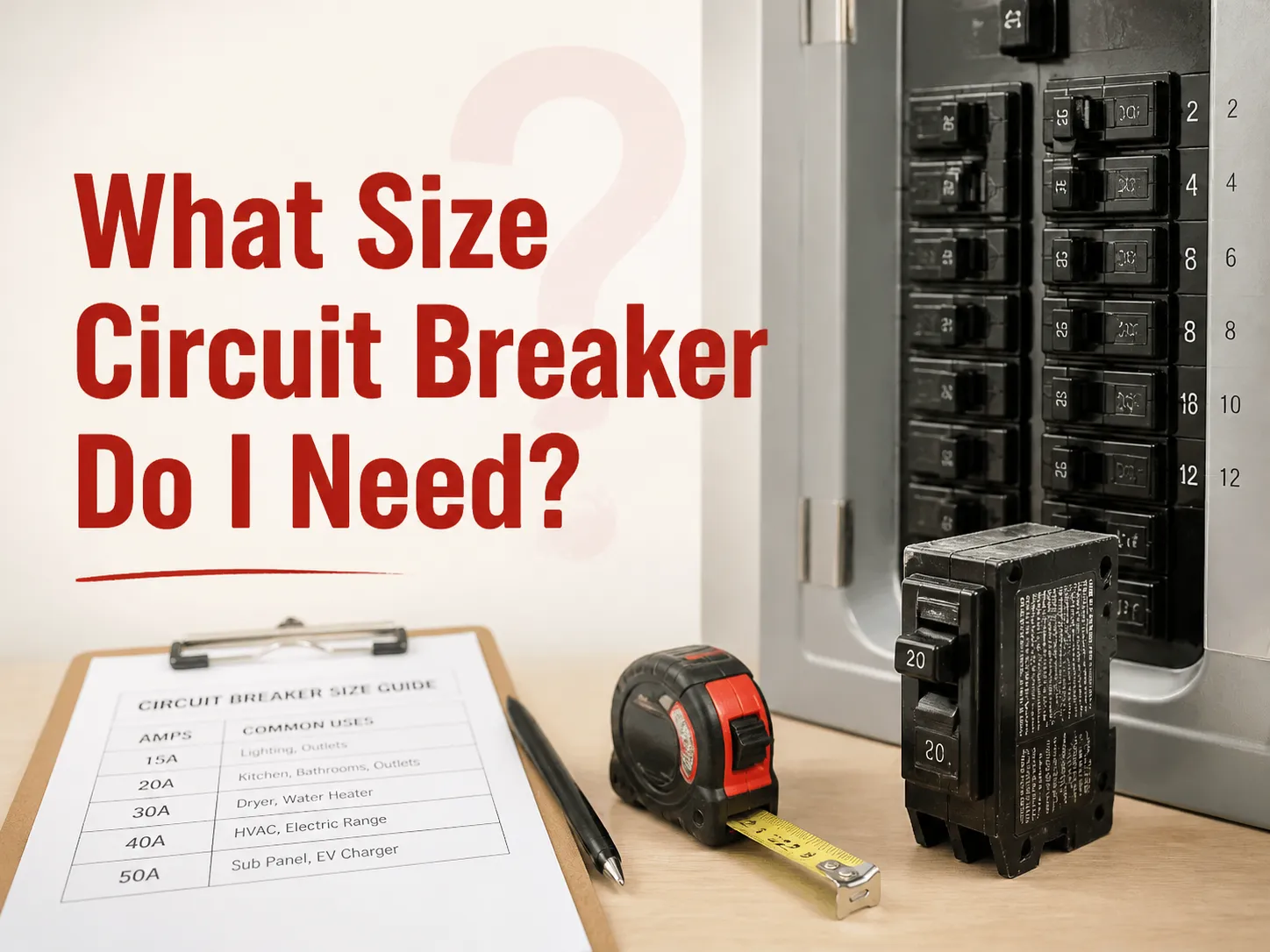

ทุกครั้งที่คอมเพรสเซอร์ในตู้แช่เริ่มทำงาน ไฟในร้านของคุณจะเริ่มกระพริบ เจ้าของอาคารสำนักงานของคุณบอกว่ากล่องเบรกเกอร์ “ไม่มีที่ว่างเหลือ” แต่เซิร์ฟเวอร์ใหม่จำเป็นต้องติดตั้งและจึงต้องการวงจรเพิ่มเติม ร้านอาหารได้รับการประเมินดีจากผู้ตรวจสอบเมื่อปีที่แล้ว แต่พวกเขาได้สังเกตว่าเบรกเกอร์บางตัวในสถานที่นั้นล้าสมัย อย่างไรก็ตาม ช่างไฟฟ้าสามคนให้ราคาประเมินที่แตกต่างกันอย่างมาก และขอบเขตงานยังไม่ชัดเจน ความจริงก็คือ บริการไฟฟ้าเชิงพาณิชย์ไม่เหมือนกับบริการไฟฟ้าภายในบ้าน — มีแรงดันไฟฟ้าสูงกว่า ใช้ไฟฟ้าสามเฟสและมีกฎหมายที่บังคับใช้ รวมถึงลักษณะเฉพาะและความสูญเสียอื่น ๆ หากธุรกิจต้องรอนานเกินไปและสูญเสียรายได้ในขณะที่ไม่สามารถดำเนินการได้.
คู่มือนี้จัดทำขึ้นสำหรับผู้ที่เป็นนักธุรกิจ ผู้จัดการสถานที่ หรือผู้จัดการทรัพย์สินที่ต้องการบริการไฟฟ้าเชิงพาณิชย์ แทนที่จะให้ภาพรวมทั่วไปของปัญหา ให้เสนอข้อมูลแก่ผู้ชมของคุณในส่วนต่าง ๆ ตามปัญหาที่พวกเขาเผชิญ บริการที่มีอยู่ ข้อดีข้อเสียของบริการ ราคาเสนอสำหรับงานเฉพาะ และวิธีการหาผู้รับเหมาที่เชื่อถือได้.
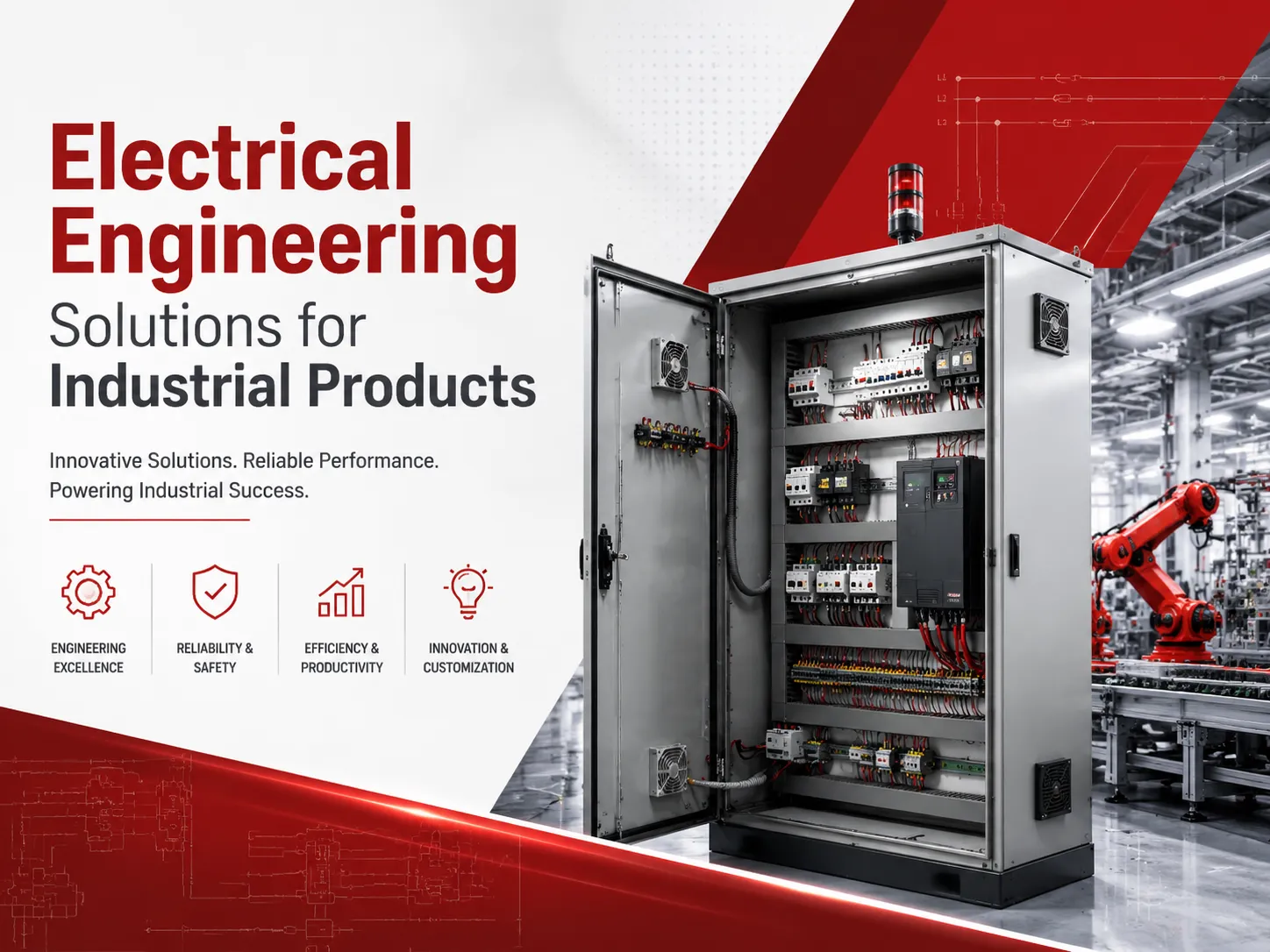
บริการไฟฟ้าเชิงพาณิชย์ครอบคลุมความต้องการทั้งหมดของธุรกิจหรืออาคารพาณิชย์ ยกเว้นงานไฟฟ้าภายในบ้านเล็กน้อย เช่น การติดตั้ง การก่อสร้างใหม่ การอัปเดตและเปลี่ยนแผงไฟฟ้า ระบบไฟฟ้าสามเฟสและการควบคุมมอเตอร์ การออกแบบแสงสว่างและการปรับปรุง LED แหล่งพลังงานฉุกเฉินและสำรอง ระบบสัญญาณเตือนไฟไหม้และระบบรักษาความปลอดภัย สถานีชาร์จสำหรับรถยนต์ไฟฟ้า การตรวจสอบพลังงาน และการซ่อมแซมเร่งด่วน ในกรณีที่มีความต้องการเหล่านี้ ขั้นตอนจะเหมือนกัน คือ ตรวจสอบว่าผู้รับเหมามีใบอนุญาตและการอนุญาตที่เหมาะสม รับใบเสนอราคาจากผู้รับเหมาสามรายขึ้นไป ตรวจสอบให้แน่ใจว่าพวกเขาดำเนินการขอใบอนุญาตด้วย และตรวจสอบประวัติการทำงานที่คล้ายกัน.
บริการไฟฟ้าเชิงพาณิชย์คืออะไร?
บริการไฟฟ้าเชิงพาณิชย์หมายถึงงานที่เกี่ยวข้องกับการวางแผนไฟฟ้า การติดตั้ง การบำรุงรักษา และการซ่อมแซมที่ดำเนินการในธุรกิจ อาคารพาณิชย์ หรือสถาบันสาธารณะ เช่น โรงพยาบาล โรงเรียน โรงแรม ฯลฯ แทนที่จะเป็นงานไฟฟ้าภายในบ้าน บริการไฟฟ้าเชิงพาณิชย์แตกต่างจากบริการไฟฟ้าภายในบ้านในแง่ต่อไปนี้:
- แรงดันไฟฟ้า: ระดับแรงดันไฟฟ้าต่างจากระดับแรงดันไฟฟ้าภายในบ้าน ในสถานที่เชิงพาณิชย์ใช้ระบบไฟฟ้าสามเฟสเมื่อเทียบกับสถานที่อยู่อาศัย ในสถานที่เชิงพาณิชย์ใช้ไฟฟ้า 208/480V ในขณะที่บ้านอยู่อาศัยใช้เพียง 120/240V.
- ความซับซ้อน: ระบบไฟฟ้ามีความซับซ้อนมากขึ้น รวมถึงระบบควบคุมมอเตอร์ ระบบควบคุม HVAC ระบบอัตโนมัติต่าง ๆ เช่น สัญญาณเตือนไฟไหม้ ระบบฉุกเฉิน ฯลฯ.
- รหัสข้อบังคับที่เข้มงวดกว่า: สถานที่เชิงพาณิชย์ต้องปฏิบัติตามข้อกำหนดรหัสที่เข้มงวดกว่า นอกเหนือจากข้อกำหนด NEC ที่ใช้ในแคลิฟอร์เนีย สถานที่เชิงพาณิชย์ต้องปฏิบัติตามรหัสท้องถิ่นและรหัสอุตสาหกรรมด้วย.
- ผลกระทบทางธุรกิจ: การกำหนดเวลาของงานถูกเลือกเพื่อให้เวลาหยุดทำงานน้อยที่สุด ซึ่งหมายความว่ากิจกรรมจะถูกวางแผนหลังเวลาทำการหรือไม่รบกวนกิจกรรมทางธุรกิจ.
เพื่อดำเนินงานที่ซับซ้อนเช่นนี้โดยปกติจะต้องใช้ผู้รับเหมาที่มีใบอนุญาตสำหรับงานเชิงพาณิชย์ ซึ่งจะจัดเตรียมใบอนุญาตที่จำเป็นทั้งหมดและรับประกันว่างานเป็นไปตามข้อบังคับและกฎหมายท้องถิ่น.
ค้นหาความต้องการของคุณ: คุณต้องการบริการประเภทใด?
นี่คือแผนที่ ค้นหาสถานการณ์ของคุณ จากนั้นไปยังส่วนที่เกี่ยวข้อง:
| สถานการณ์ของคุณ | ประเภทบริการ | ไปยัง |
|---|---|---|
| เบรกเกอร์ตัดบ่อย แผงเก่าหรือเต็มความจุ | อัปเกรดแผง / เปลี่ยนบริการ | ส่วนที่ 3 |
| ร้านค้าใหม่ ตกแต่งสำนักงาน อุปกรณ์ใหม่ วงจรใหม่ | การก่อสร้างใหม่ / การปรับปรุงผู้เช่า / วงจรใหม่ | ส่วนที่ 4 |
| ไฟกระพริบ ต้องการอัปเกรด LED แสงสว่างไม่ดี | ติดตั้งไฟ / ปรับปรุง LED | ส่วนที่ 5 |
| ไฟดับ กลิ่นไหม้ ประกายไฟ ข้อผิดพลาดเร่งด่วน | ซ่อมฉุกเฉิน | ส่วนที่ 6 |
| ธุรกิจต้องดำเนินต่อไปในช่วงไฟดับ | เครื่องกำเนิดไฟฟ้า / สำรอง / ATS | ส่วนที่ 7 |
| ติดตั้งเครื่องชาร์จ EV สำหรับรถยนต์ในกองหรือสำหรับลูกค้า | การติดตั้งเครื่องชาร์จ EV | ส่วนที่ 8 |
| ยังไม่มีปัญหา — ต้องการป้องกัน | การบำรุงรักษาเชิงป้องกัน / การตรวจสอบ | ส่วนที่ 9 |
ต้องการ #1: อัปเกรดแผงหรือเปลี่ยนบริการ
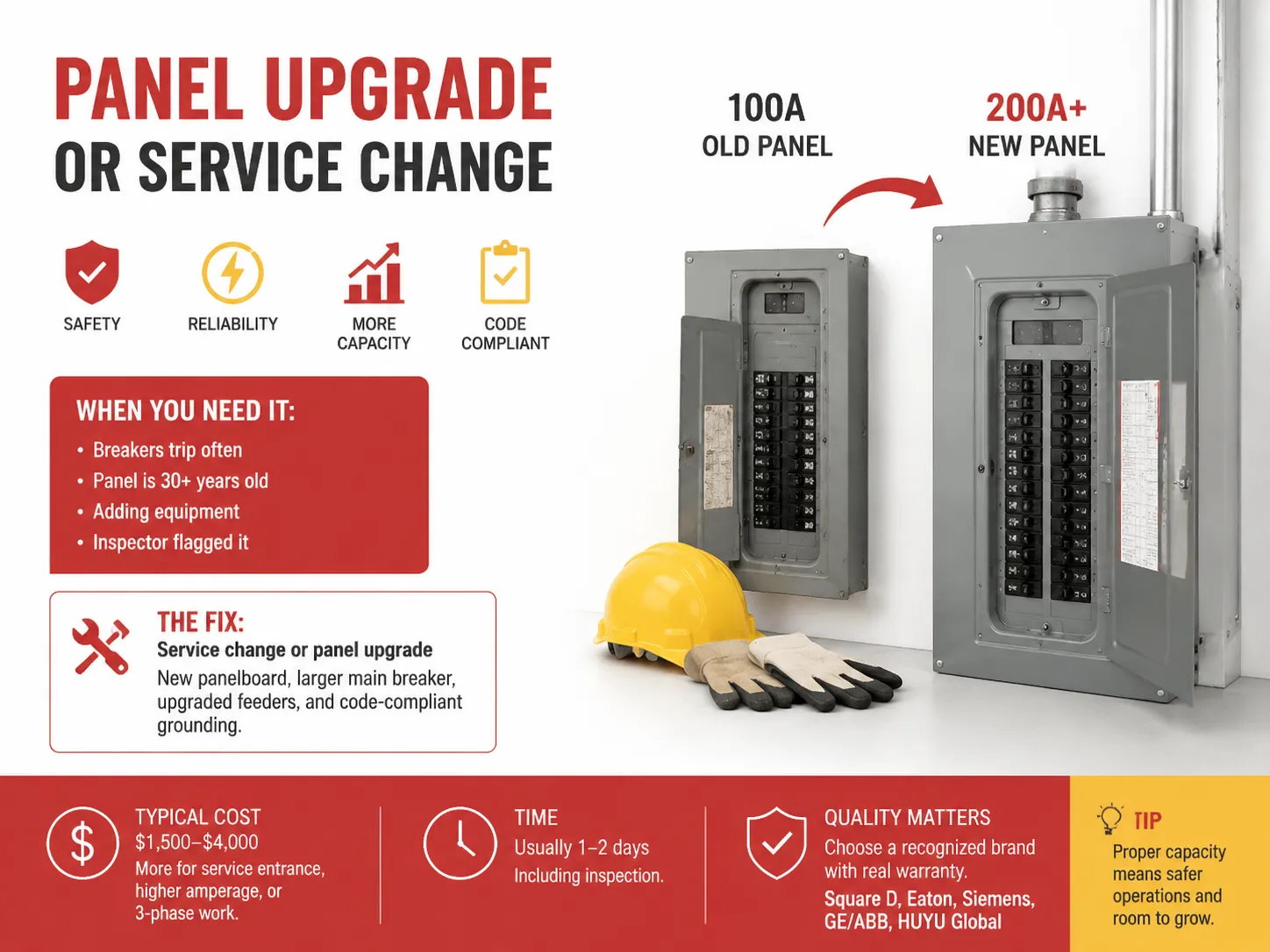
สัญญาณที่คุณต้องการ: เบรกเกอร์วงจรตัด แผงเก่า (อายุ 30 ปีขึ้นไป) เพิ่มอุปกรณ์ หรือการตรวจสอบที่ชี้แนะ.
- วิธีแก้ปัญหา: คุณจะต้องเปลี่ยนบริการหรืออัปเกรดแผง.
- สิ่งที่เกี่ยวข้อง: การเปลี่ยนแผงและเบรกเกอร์วงจร (เช่น ย้ายจาก 100 แอมป์เป็น 200 แอมป์หรือ 400 แอมป์สำหรับการติดตั้งเชิงพาณิชย์) อัปเกรดสายจ่ายไฟ ตรวจสอบการต่อสายดิน/การเชื่อมต่อที่ถูกต้อง และผ่านการตรวจสอบ.
- ค่าใช้จ่ายเฉลี่ย: ค่าใช้จ่ายเฉลี่ยสำหรับการเปลี่ยนแผงเชิงพาณิชย์มาตรฐานอยู่ระหว่าง $1,500 ถึง $4,000; สูงขึ้นสำหรับงานทางเข้าบริการ เพิ่มแอมแปร์ หรือการประสานงานกับหน่วยงานสาธารณูปโภค บริการที่เกี่ยวข้องกับหลายวงจรจะมีราคาสูงกว่า หากคุณกำลังพิจารณาระหว่างการเปลี่ยนใหม่กับการปรับปรุงอุปกรณ์เดิม การเปรียบเทียบของเราเกี่ยวกับ เบรกเกอร์วงจรที่ปรับปรุงใหม่กับเบรกเกอร์วงจรใหม่ ครอบคลุมข้อดีข้อเสีย.
- ระยะเวลา: โดยทั่วไปหนึ่งหรือสองวันรวมการตรวจสอบ; ตรวจสอบเวลาทำการ.
ต้องการ #2: การก่อสร้างใหม่ การปรับปรุงผู้เช่า และวงจรใหม่
อาการ: ย้ายไปยังไซต์ใหม่, ปรับปรุงใหม่, ซื้ออุปกรณ์ที่ต้องการวงจรเฉพาะ (เครื่องครัว, เซิร์ฟเวอร์, อุปกรณ์) ทางแก้ไข: การออกแบบ + การติดตั้งเบื้องต้น + การตกแต่งระบบไฟฟ้าพร้อมใบอนุญาต.
- สิ่งที่ประกอบด้วย: การประมาณโหลด, วงจรใหม่, การเดินสายไฟ, เบรกเกอร์, สวิตช์, ปลั๊กไฟ จำเป็นต้องตรวจสอบให้แน่ใจว่าผู้รับเหมาแต่ละรายทำงานร่วมกันในโครงการ.
- ค่าใช้จ่ายทั่วไป: แตกต่างกันมาก; โดยทั่วไปจำเป็นต้องวางแผนประมาณ $3-8 ต่อ ตารางฟุต สำหรับงานสุดท้าย หรือ $150-500 ต่อวงจรใหม่ที่รวมวัสดุและแรงงาน.
- สิ่งที่ต้องแจ้ง: จำเป็นต้องพูดคุยเกี่ยวกับยี่ห้อแผงและประเภทเบรกเกอร์ล่วงหน้า ขอให้ผู้รับเหมาจัดเตรียมการคำนวณและแผนผังแผงทั้งหมดเพื่อให้มั่นใจว่าแผงจะถูกต้อง.
- เคล็ดลับ: ขอใบแจ้งชำระเงินที่จัดระเบียบไว้ดี เพราะจะช่วยให้คุณเข้าใจว่าผู้รับเหมารายใดจะได้รับเงินเท่าไหร่.
ต้องการ #3: การติดตั้งไฟ, การออกแบบ & การปรับปรุง LED
อาการ: ค่าใช้จ่ายสาธารณูปโภคที่เพิ่มขึ้น, หลอดฟลูออเรสเซนต์ที่ล้าสมัย, การส่องสว่างที่ไม่ดีและไม่สม่ำเสมอ หรือไซต์ที่ต้องการแนวคิดการส่องสว่าง ทางแก้ไข: การวางแผนแสง, การติดตั้งอุปกรณ์ และการอัปเกรด LED พร้อมระบบควบคุม.
- สิ่งที่ประกอบด้วย: การอัปเกรด LED (ถอดหลอดฟลูออเรสเซนต์ออกเพื่อเปลี่ยนเป็นแผง LED, อัปเดต HID เป็น LED) โคมไฟใหม่, ตัวตรวจจับการเข้าพักและการตั้งค่าแสงธรรมชาติ, ไฟฉุกเฉินและสัญลักษณ์ทางออก.
- ช่วงราคาทั่วไป: การปรับปรุง LED มักมีผลตอบแทนการลงทุนเร็วภายใน 1-3 ปีจากการประหยัดพลังงาน (LED ใช้พลังงาน 50-70%) การเปลี่ยนหลอดฟลูออเรสเซนต์แบบดั้งเดิมมีค่าใช้จ่าย $100-$300 ต่อหน่วย พร้อมการออกแบบใหม่ทั้งหมดคิดราคาตามโครงการ.
- สิ่งที่ต้องพิจารณา: โคมไฟ LED ที่ได้รับการรับรองโดย UL/ETL พร้อมดัชนีลูเมน/วัตต์, หน่วย LED และระบบจากผู้ผลิตที่มีชื่อเสียง บริษัทสาธารณูปโภคยังคงให้เงินคืนสำหรับการอัปเกรด LED เชิงพาณิชย์ ผู้รับเหมาที่ติดตั้งควรรวมเอกสารเกี่ยวกับเงินคืนในข้อเสนอ.
- ข้อดี: นอกจากการประหยัดแล้ว ยังชัดเจนว่าการส่องสว่างที่เหมาะสมช่วยเพิ่มยอดขายปลีก, ปรับปรุงสภาพแวดล้อมในการทำงาน และเป็นไปตามมาตรฐานความปลอดภัย (หนึ่งในนั้นคือการส่องสว่างทางออกฉุกเฉินในอาคารพาณิชย์).
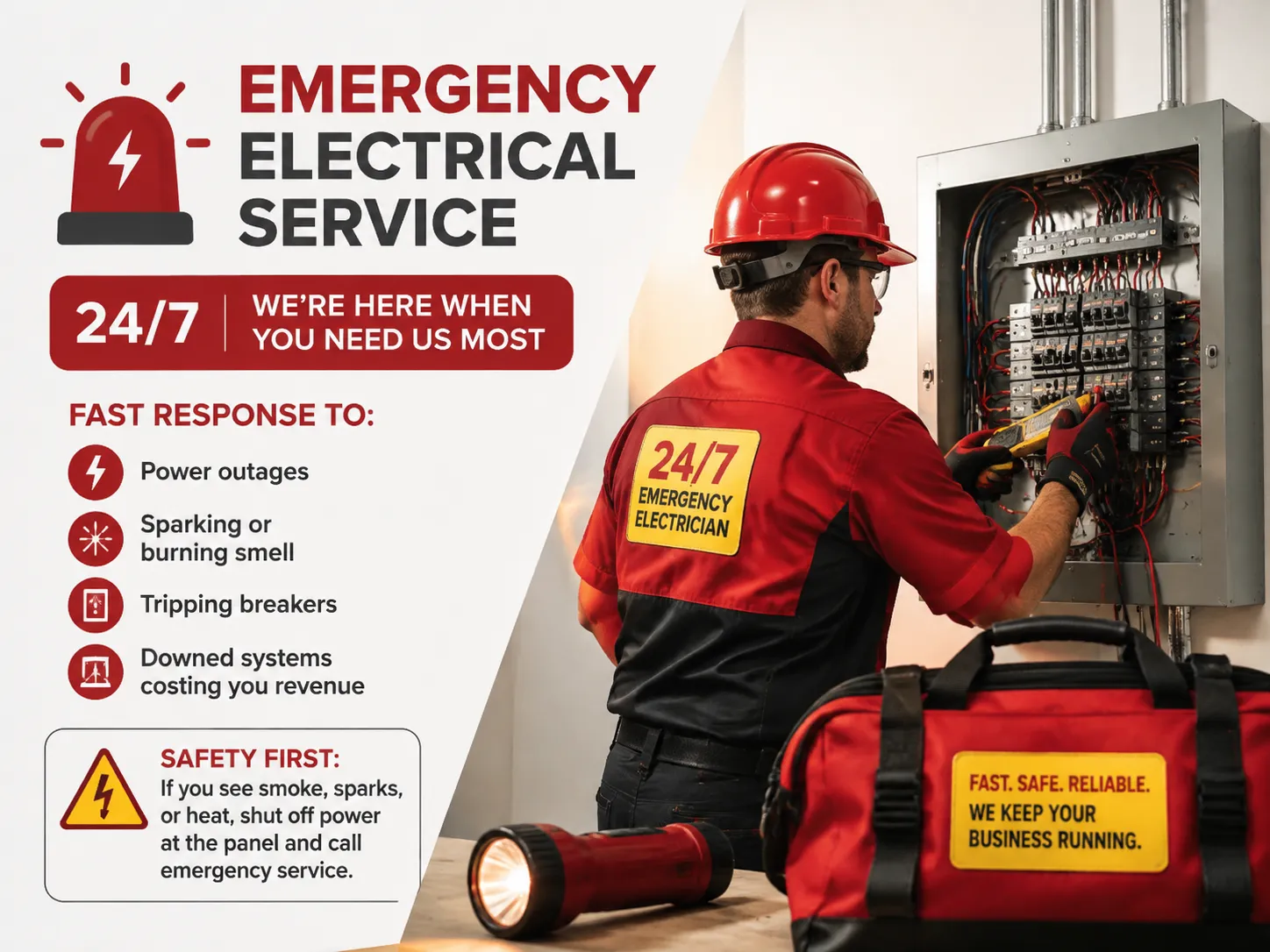
ต้องการ #4: การซ่อมแซมฉุกเฉิน & การแก้ไขปัญหา
สัญญาณ: ไฟฟ้าดับ, ประกายไฟฟ้า, กลิ่นเหม็น, เบรกเกอร์ตัด, หรือระบบไฟฟ้าล้มเหลวที่ส่งผลกระทบต่อธุรกิจของคุณ ทางแก้ไข: จ้างช่างไฟฟ้าฉุกเฉินเชิงพาณิชย์ที่พร้อมให้บริการ 24/7.
- สิ่งที่รวมอยู่: บริการส่งช่าง, การแก้ไขปัญหา, การซ่อมฉุกเฉิน และการจ่ายไฟชั่วคราวเมื่อจำเป็น เพื่อให้ธุรกิจของคุณไม่หยุดชะงัก.
- ค่าใช้จ่ายทั่วไป: ราคาสำหรับการเรียกฉุกเฉินอาจสูงมากและอยู่ในช่วง $150-$500/ชั่วโมง ไม่รวมค่าอะไหล่และบริการ สำหรับการซ่อมแซมที่ไม่ใช่ฉุกเฉินจะต้องจ่าย $150-$200.
- ควรทำอย่างไร: ในกรณีที่มีควัน, ประกายไฟ หรือความร้อน ให้แน่ใจว่าไฟฟ้าถูกปิดและโทรเรียกบริการฉุกเฉินทันที ในกรณีที่เบรกเกอร์ตัดบ่อยครั้ง ให้จองการวินิจฉัยก่อนเกิดไฟดับ.
- เคล็ดลับ: ควรมีผู้รับเหมาเป็นประจำ/ลูกค้าสามารถคาดหวังการตอบสนองที่รวดเร็วขึ้นและอัตราค่าบริการที่สมเหตุสมผลมากขึ้น.
ความต้องการ #5: ระบบสำรองไฟ, เครื่องกำเนิดไฟฟ้า และ ATS
สัญญาณบ่งชี้: สถานประกอบการของคุณไม่สามารถทนต่อการไฟฟ้าดับได้ (ตัวอย่าง: ร้านอาหาร, ร้านขายยา, ศูนย์ข้อมูล, สถานพยาบาล) วิธีแก้ไข: ติดตั้งเครื่องกำเนิดไฟฟ้าสำรองพร้อมระบบ ATS.
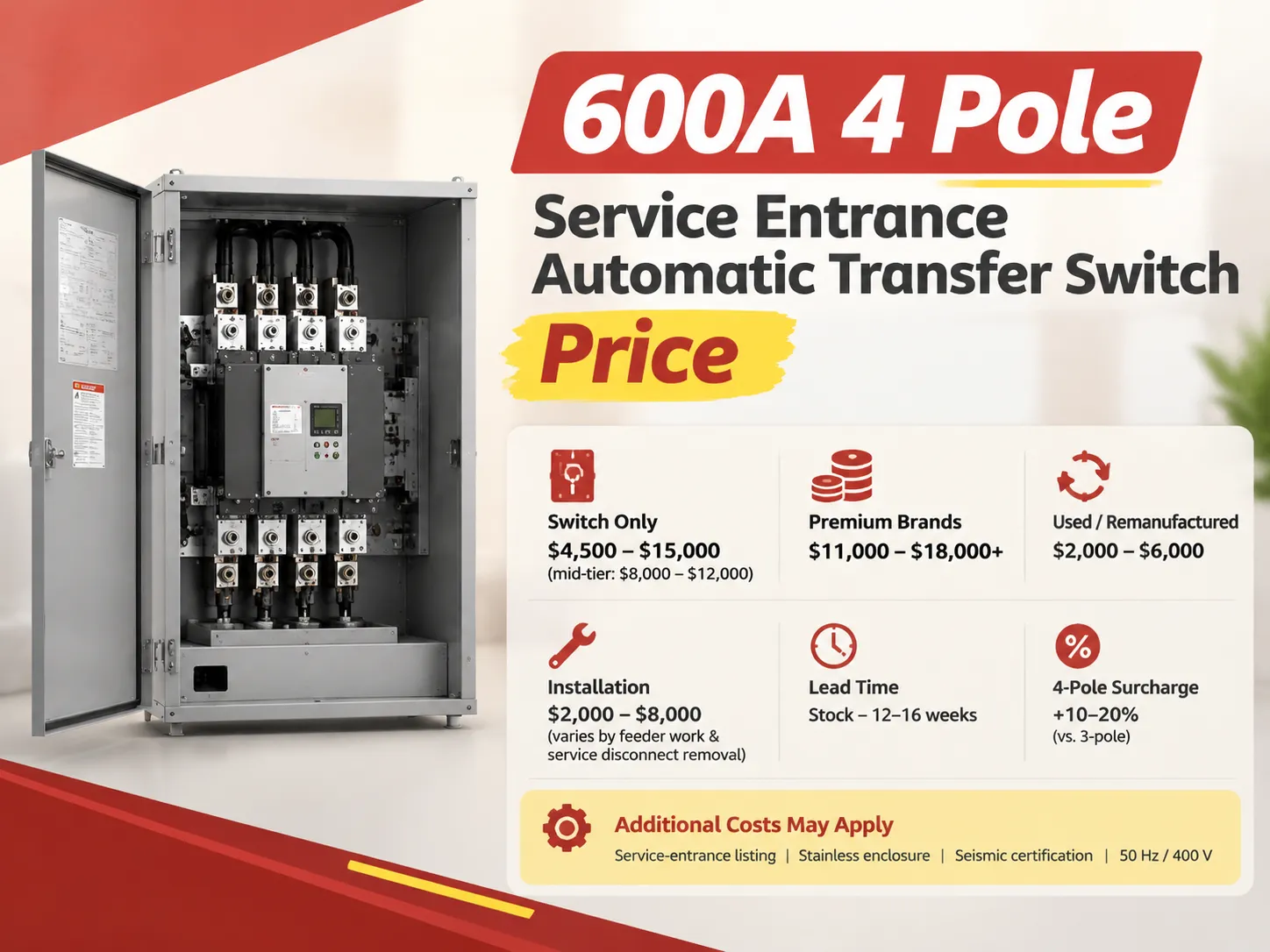
- สิ่งที่ประกอบด้วย: การกำหนดความต้องการเครื่องกำเนิดไฟฟ้า, การติดตั้งหน่วย ATS (ที่ตรวจจับการขาดแคลนพลังงานและเปิดเครื่องกำเนิดไฟฟ้าโดยอัตโนมัติ), การเชื่อมต่อสายเชื้อเพลิง และการปฏิบัติตามมาตรฐานการติดตั้ง.
- ราคากลาง: ระบบสำรองไฟมีราคาตั้งแต่ $5,000 ถึง $30,000 รวมติดตั้ง ขึ้นอยู่กับขนาด (กิโลวัตต์), ประเภทเชื้อเพลิง และความซับซ้อนของงาน หน่วย ATS มีราคาตั้งแต่ $500 ถึงหลายพันดอลลาร์.
- สิ่งที่ควรพิจารณา: ต้องมีเฟสใน ATS เท่ากับเฟสในธุรกิจ — ธุรกิจสามเฟสต้องใช้ ATS สามเฟส แบรนด์ที่ได้รับการยอมรับมากที่สุดคือ Generac, Kohler และ Cummins ในอเมริกาเหนือ; ส่วนในประเทศที่ใช้มาตรฐาน IEC สวิตช์โอนถ่ายอัตโนมัติที่มีความสามารถเฟสต่าง ๆ สำหรับระบบสำรองไฟธุรกิจจัดจำหน่ายโดยบริษัท HUYU Global.
- คำแนะนำ: ลงนามในสัญญาบริการ (ทดสอบโหลดแบงค์และตรวจสอบแบตเตอรี่) เนื่องจากอุปกรณ์สำรองที่ไม่ได้ทดสอบจะล้มเหลวเมื่อจำเป็นต้องใช้งาน.
ความต้องการ #6: การติดตั้งเครื่องชาร์จ EV
อาการ: หากคุณต้องการชาร์จรถพนักงาน, รถลูกค้า หรือจัดตั้งอาคารหลายยูนิต ทางออกคือการติดตั้งเครื่องชาร์จ EV ในวงจรเฉพาะ และมักจะขอรับเงินคืนจากการไฟฟ้า.
- สิ่งที่ต้องการ: การติดตั้งวงจรเฉพาะ (โดยปกติประมาณ 40-60A ต่อเครื่องชาร์จระดับ 2), ตรวจสอบ/อัปเกรดความจุแผงควบคุม, การติดตั้งเครื่องชาร์จจริง และการขออนุญาตที่จำเป็น.
- ค่าใช้จ่าย: ค่าทำงานไฟฟ้าอยู่ที่ $500-2,000 ต่อเครื่องชาร์จระดับ 2 (ตัวเครื่องชาร์จจะคิดเพิ่ม ประมาณ $400-$1500 หรือมากกว่า) การอัปเกรดแผงควบคุมจะมีค่าใช้จ่ายสูงกว่า.
- สิ่งที่ต้องมั่นใจ: เครื่องชาร์จระดับ 2 ที่ได้รับการรับรอง UL เช่น ChargePoint, Enel X เป็นต้น พร้อมระบบแบ่งพลังงาน/การจัดการโหลด.
- เคล็ดลับ: ติดต่อการไฟฟ้าเกี่ยวกับเงินคืน EV เชิงพาณิชย์และโปรแกรมลดค่าธรรมเนียมความต้องการก่อนออกแบบระบบของคุณ.
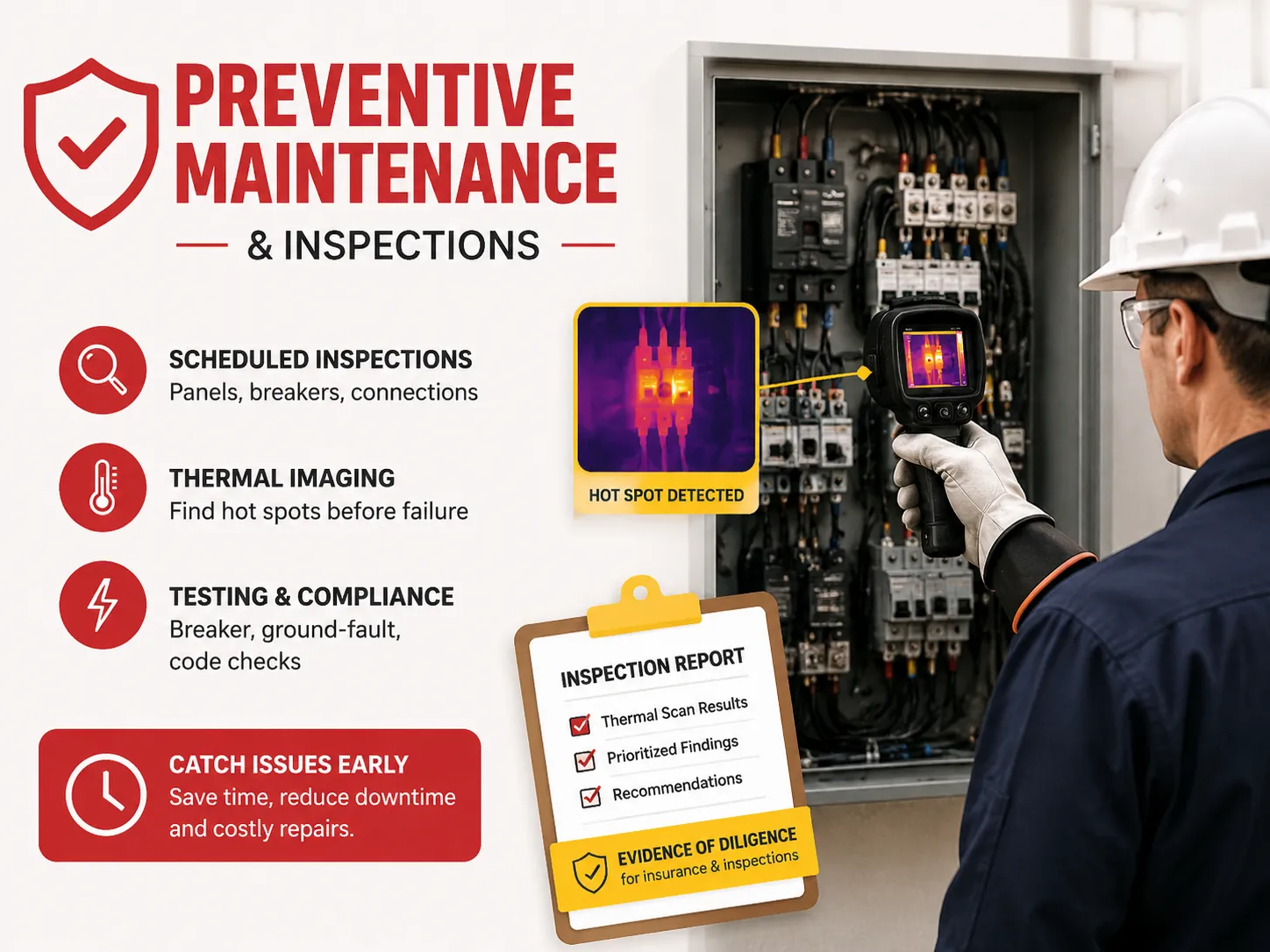
ความต้องการ #7: การบำรุงรักษาเชิงป้องกันและการตรวจสอบ
สัญญาณ: ยังไม่มีปัญหาเกิดขึ้นจนถึงขณะนี้ – หรือปัญหาเล็กน้อยที่เกิดซ้ำ วิธีแก้ไข: การบำรุงรักษาเชิงป้องกัน (PM) และการตรวจสอบด้วยความร้อนที่จัดเตรียมไว้ล่วงหน้า.
- สิ่งที่รวมอยู่: การตรวจสอบแผงควบคุมเป็นประจำ, การถ่ายภาพความร้อนของการเชื่อมต่อ (ตรวจจับจุดร้อนก่อนเกิดความเสียหาย), การทดสอบเบรกเกอร์, การทดสอบกราวด์ฟอลต์ และการตรวจสอบตามรหัสมาตรฐาน.
- อัตราค่าบริการ: สัญญาบำรุงรักษาเชิงป้องกัน (PM) อาจมีราคาตั้งแต่ $300-$1,500 ต่อครั้ง ขึ้นอยู่กับประเภทของสถานที่ และการตรวจสอบด้วยเทอร์โมกราฟีประจำปีเป็นบริการเสริมที่ได้รับความนิยม.
- สิ่งที่ควรถาม: การสแกนอินฟราเรดของแผงและการเชื่อมต่อที่สำคัญ พร้อมรายงานเป็นลายลักษณ์อักษรที่ระบุรายการการเปลี่ยนแปลง.
- ข้อดี: การบำรุงรักษาเชิงป้องกันช่วยระบุปัญหาได้ในเวลา 8 โมงเช้าวันอังคาร ไม่ใช่เวลา 2 ทุ่มวันศุกร์เมื่อราคาค่าบริการและความกดดันสูงสุด.
ควรกำหนดยี่ห้ออุปกรณ์ใดบ้าง?
เรื่องยี่ห้อมีความสำคัญเพราะเบรกเกอร์ต้องมาจากยี่ห้อที่อยู่ในครอบครัวเดียวกับแผง นอกจากนี้คุณภาพของอุปกรณ์ยังเป็นตัวกำหนดความทนทานและระยะเวลาการรับประกัน สิ่งที่ควรถามเกี่ยวกับประเภทอุปกรณ์ต่าง ๆ:
| อุปกรณ์ | ยี่ห้อที่ได้รับการยอมรับ (อเมริกาเหนือ) | หมายเหตุ |
|---|---|---|
| แผงและเบรกเกอร์ | Square D (Schneider), Eaton, Siemens, GE/ABB | ต้องจับคู่ครอบครัวเบรกเกอร์กับครอบครัวแผงอย่างแม่นยำ |
| ระบบไฟส่องสว่าง | Philips, Cree, Cooper/Eaton, Acuity | ได้รับการรับรอง UL, มีสเปคเผยแพร่, มีสิทธิ์รับเงินคืนจากยูทิลิตี้ |
| เครื่องกำเนิดไฟฟ้า / ATS | Generac, Kohler, Cummins; HUYU (ตลาด IEC) | ATS ต้องตรงกับจำนวนเฟสและแรงดันไฟฟ้า |
| เครื่องชาร์จ EV | ChargePoint, Enel X, Wallbox, Tesla (เข้ากันได้) | ได้รับการรับรอง UL, มีการจัดการโหลดสำหรับหลายยูนิต |
| ระบบสัญญาณเตือนไฟไหม้และความปลอดภัย | Honeywell, Siemens, Edwards, Bosch | ติดตั้งและรับรองโดยช่างเทคนิคที่มีใบอนุญาต |
| อุปกรณ์เชิงพาณิชย์ตลาด IEC | HUYU Global และผู้ผลิตที่ได้รับการรับรอง IEC เทียบเท่า | MCBs, MCCBs, RCCBs, ATS, แผงจ่ายไฟ |
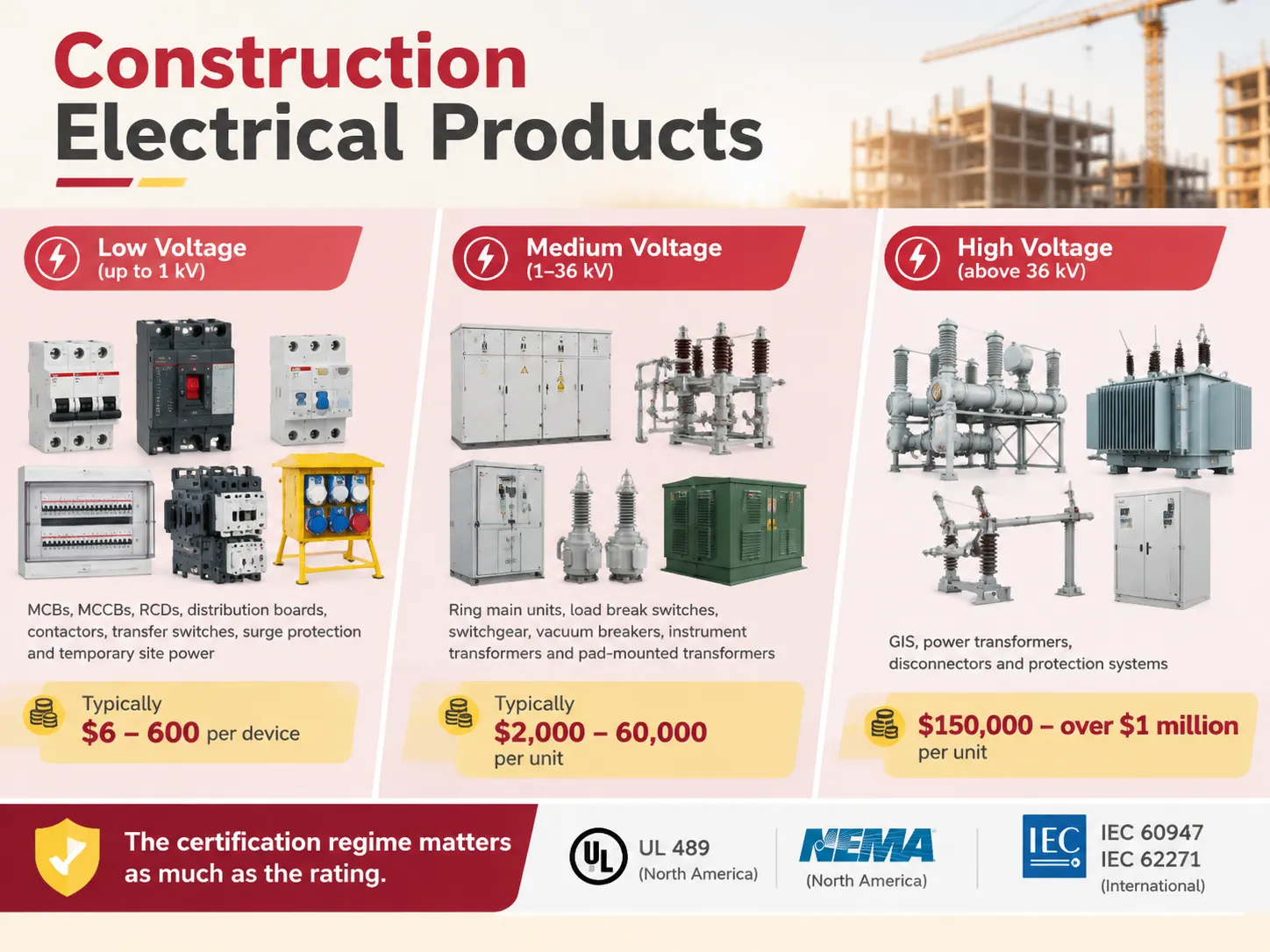
หากคุณใช้เครื่องมือที่ผลิตตามข้อกำหนดมาตรฐาน IEC (ส่วนใหญ่ใช้กับทุกภูมิภายนอกอเมริกาเหนือ) ควรเลือกเบรกเกอร์และอุปกรณ์จ่ายไฟที่เป็นไปตามมาตรฐาน IEC 60898 / IEC 60947 และติดต่อผู้ผลิตเช่น HUYU Global ซึ่งจัดการกับ MCBs, MCCBs, RCCBs และสวิตช์โอนที่ได้รับการรับรอง.
ช่างไฟฟ้าเชิงพาณิชย์คิดค่าบริการเท่าไหร่?
อัตราค่าบริการเชิงพาณิชย์โดยทั่วไปสูงกว่าที่อยู่อาศัยเนื่องจากใบอนุญาต ประกันภัย และความซับซ้อน ช่วงราคาปกติปี 2025–2026:
| รายการ | ช่วงราคาทั่วไป | หมายเหตุ |
|---|---|---|
| อัตราค่าบริการรายชั่วโมง (มีใบอนุญาต) | $50–$150/ชั่วโมง | ค่าเฉลี่ยระดับประเทศ ~$75–$100; เมืองใหญ่เช่น San Jose $100–$150 |
| ค่าบริการขั้นต่ำสำหรับการเรียกบริการ | $150–$250 | ชั่วโมงแรก + ค่าเดินทาง; สูงขึ้นในเวลานอกทำการ |
| การเรียกบริการฉุกเฉิน | $150–$500+ | ค่าพรีเมียมสำหรับการส่งช่างนอกเวลาทำการ/วันหยุดสุดสัปดาห์ |
| วงจรใหม่ | $150–$500 | ค่าวัสดุ + ค่าแรง + ค่าขออนุญาต |
| การเปลี่ยนแผง | $1,500–$4,000 | แผงเชิงพาณิชย์; ราคาสูงขึ้นสำหรับทางเข้าบริการ |
| การติดตั้ง LED retrofit | $100–$300/โคมไฟ | แตกต่างตามประเภทโคมไฟ |
| วงจรเครื่องชาร์จ EV | $500–$2,000 | Excluding charger unit |
| Full build-out electrical | $3–$8/sq ft | Rough-in to finish, varies by scope |
Get at least three contractors’ quotes in writing and itemized, confirm whether permits are included, and ask about the brands of materials that will be used — a low bid may mean that low-cost brands will be used that do not pass inspection or won’t match your panel.
How to Choose the Right Commercial Contractor
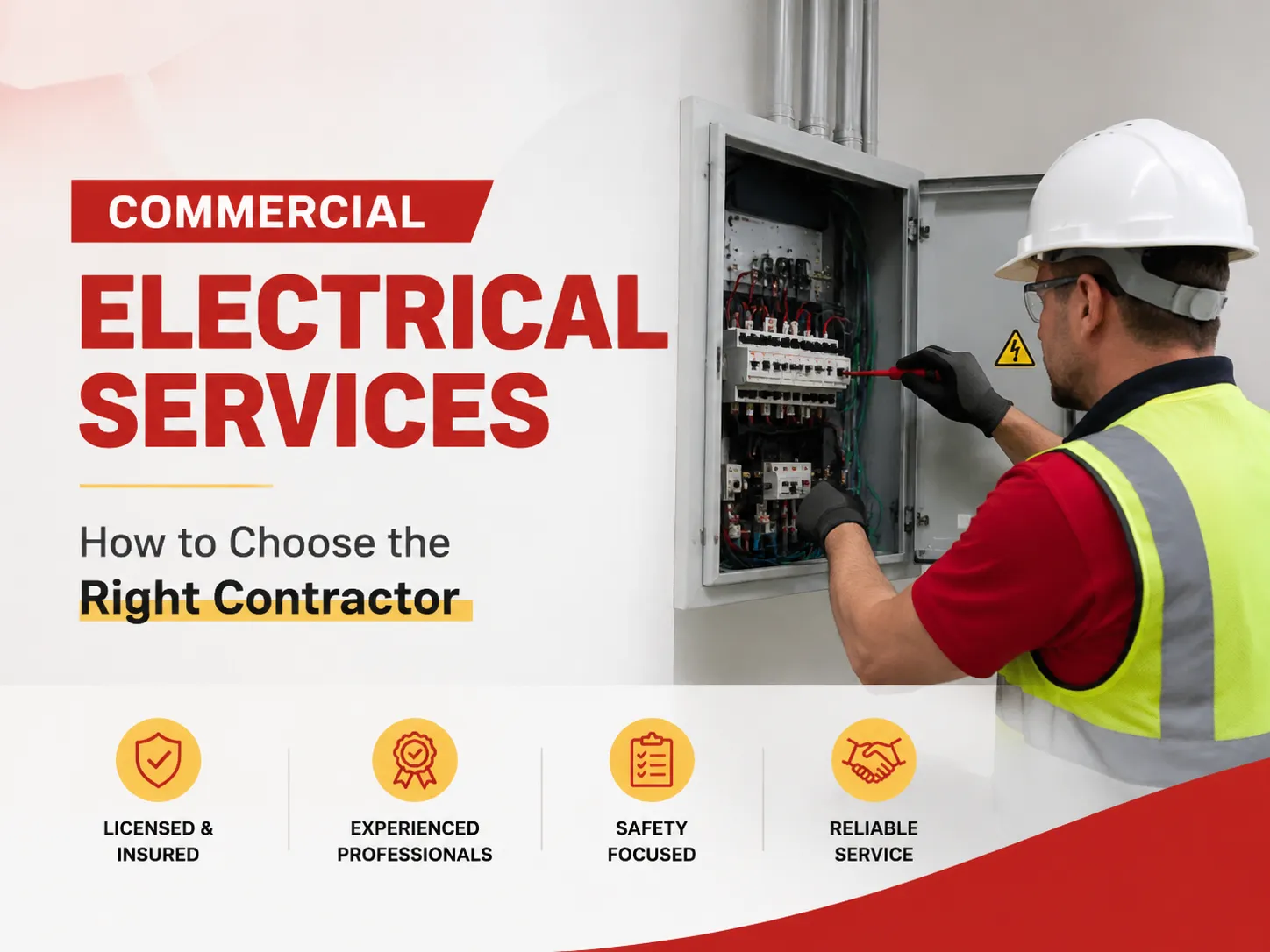
- Make sure to check for licensing and insurance; specifically, verify that your contractor has a state contractor license (in California, it’s called a C-10), a general-liability insurance policy, and a workers’ compensation insurance policy.
- Be sure to check the commercial experience of the contractor — ask the contractor to supply 2–3 references for their previous work in projects similar to yours (such as commercial, office, restaurant, industrial).
- Ask for itemized quotations from 3 contractors, including price of materials and labor, price of permits, and expected duration in writing.
- Make sure the contractor assures you he will take care of all the permits and inspections — if the contractor can pull permits and set up inspections, you will know the job is completed in accordance with the building code.
- Ask whether the contractor can work off-hours — will he be able to perform the work without disrupting your business?
- Ask about the contractor’s warranties — reputable contractors provide minimum one-year warranty covering their craftsmanship.
คำถามที่พบบ่อย
ช่างไฟฟ้าเรียกเก็บเงินสำหรับงานพาณิชย์เท่าไหร่?
Licensed commercial electricians charge about $50 to $150 an hour, with the average rate in the U.S. at $75–$100 an hour in 2025–2026 (more in metro areas such as San Jose/San Francisco where skilled labor rates are around $100–$150). Along with the hourly labor, a service-call minimum ($150–$250), materials with markup, and permit fees are also considered. The cost of the project includes a new circuit ($150–$500), a commercial panel replacement ($1,500–$4,000), and the cost of emergency interventions that start anywhere between $150 and $500 to initiate the call-out. Always seek for written estimates from at least three contractors before you decide to choose one.
What does a commercial service electrician do?
A commercial service electrician sets up, offers maintenance services, and fixes electric lines in business places. Among the responsibilities they are responsible for are: service changes and panel upgrades, new wiring and circuits, three-phase power and motor control systems, installation of lights and LED retrofitting, installing emergency and alarm systems as well as backup generators and automatic transfer devices, installation of charging devices for electric cars, etc. Commercial electrician is different from residential one in that it works with higher voltage rates (480V and 208V), commercial codes, and interacts with businesses in order to avoid downtime.
What are some commercial electrical companies in San Jose, California?
Numerous commercial electrical contractors are operating in San Jose, such as Rosendin Electric, Cupertino Electric, Helix Electric, and Qmerit. They are some of the mentionable contractors that cater to commercial projects. Also, there are various mid-sized licensed C-10 contractors servicing the retail, office, and light-industrial sectors. Unfortunately not all of them keep up with trends and changes of the industry, which is why a safer option is to check who has an active license in California using the official California Contractors State License Board. There you will find all licensed C-10 contractors; also, make sure to ask them for testimonials and reviews in order to learn about their services.
What do most electricians charge per hour?
Most licensed electricians charge between $50 and $150 per hour in 2025–2026, with an average of around $75 to $100 per hour. Rates depend on several factors: the region, level of experience (for example, apprentice vs. journeyman vs. master), and type of job (the charge for commercial and industrial jobs is usually more than for residential jobs). According to the statistics, the hourly wages of electricians in San Jose are about $32–$42, but rates of contractors may be higher due to the inclusion of insurance costs, overhead, and profit margin.
อ้างอิง
- NFPA 70 — National Electrical Code: commercial installation requirements
- California Contractors State License Board — C-10 electrical contractor licensing and verification
- Payscale — Electrician hourly pay in San Jose, CA
- Indeed — Electrician salary data for San Jose, CA
- Shyft — Commercial electricians in San Jose: services and qualifications
- U.S. DOE — commercial lighting rebates and energy efficiency programs
สรุป
Commercial electrical services include everything a business may require, including panel upgrades, new construction, emergency repairs, emergency power supply, EV charging stations, and preventive maintenance. Because they utilize not only certificates and licenses but also insurance and are complicated, they are generally pricier than residential work. The fees per hour vary between $50 to $150, while budget estimates will come from itemized quotations for every single project related to your business.
To get the outcome you need, you should follow the same steps for every case: read this guide so that you are aware of your position, learn what equipment you should order, check certificates and licenses, get 3 detailed quotations for your project, and double-check that all necessary permits and inspections are taken care of.