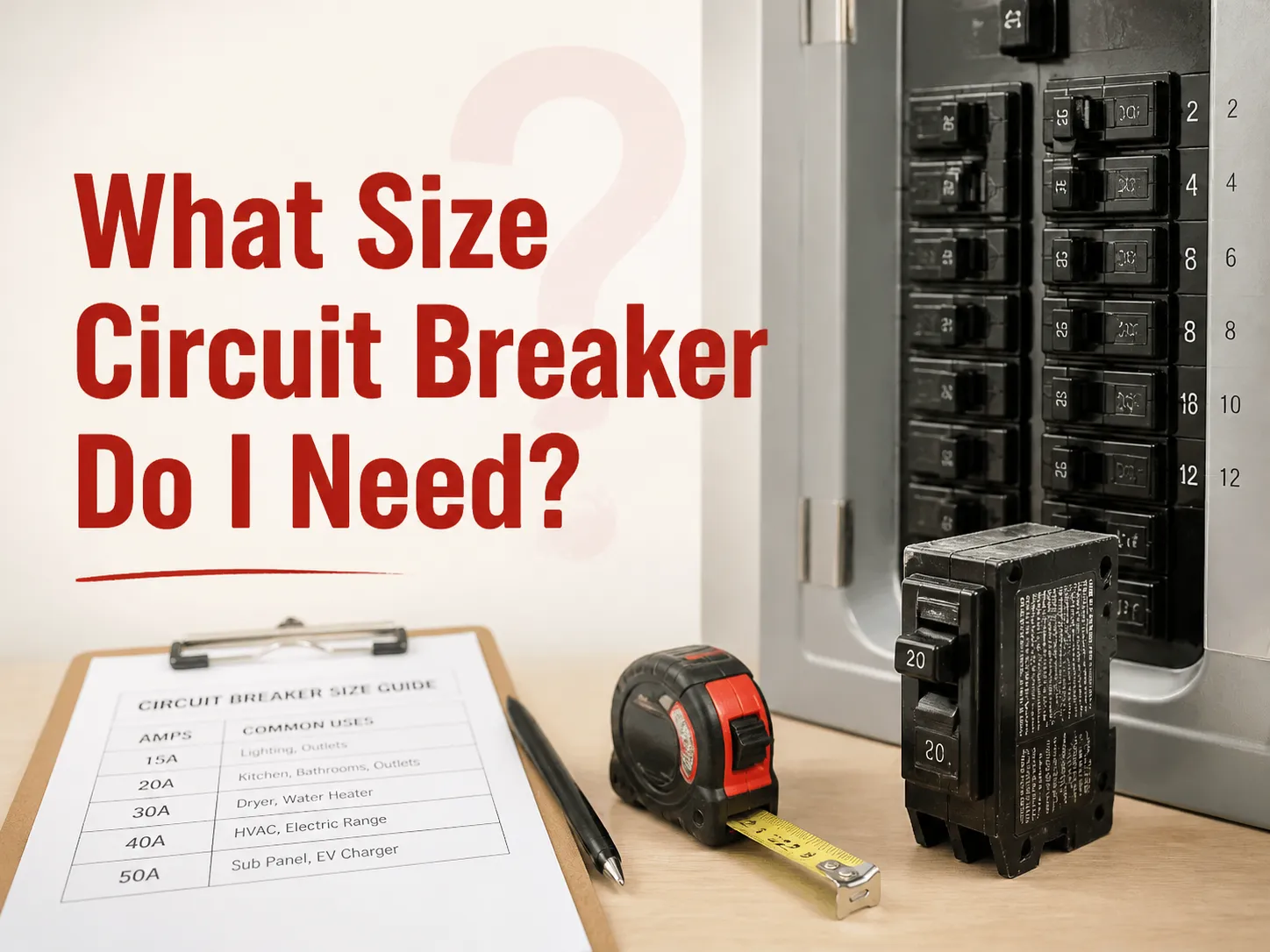


Neredeyse her evde, iş yerinde veya fabrikada çoğu kişinin göz ardı ettiği kritik bir güvenlik unsuru vardır; Elektrik Panosu, duygularımızı (hem iyi hem kötü) ve muhtemelen bir kez bile kullanılmamış birkaç anahtarı içerir, ta ki bir dalgalanma veya birinin elektrik süpürgesine takılması gibi bir olay olana kadar. Bu, bir cihazın “atması” ve tüm odanın, içindeki tüm elektrikli cihazlarla birlikte, güç kaybetmesiyle sonuçlanan aynı yerdir — bu anahtar Devre Kesici olarak bilinir. Aslında, günlük kullanımda çok fazla kullanılmasa da, Devre Kesiciler elektrik sisteminizdeki en önemli ekipmandır.
Sonuç olarak, devre kesiciler aşırı yük nedeniyle aşırı akım varsa veya kullanıcı elektrik devresinde bir arıza oluşturmuşsa, elektrik enerjisi akışını keserek aşırı miktarda elektriğin iletilmesini önler. Devre kesicilerde kullanılan mekanizmalar, kullanıcıların yeni sigorta satın almadan aşırı enerjiyi kesmelerine olanak tanır; ancak, bir devre kesici atmışsa, yeniden kullanılmadan önce sıfırlanmalıdır. Devre kesicilerin derecelendirme türleri şunlardır: kesicinin taşıyabileceği akım miktarı, voltaj derecelendirmeleri, kesme derecesi, devre kesicideki kutup sayısı ve atma karakteristikleri derecesi.

Devre kesici tam olarak nedir?
Devre Kesici, hem elektrik dağıtım sistemine (Güç Kaynağı) hem de bina genelindeki elektrikli cihazlara (Aydınlatma, Prizler) elektrik dağıtımını sağlayan elektriksel bir bileşendir. Devre Kesici’nin ana işlevleri, elektrik sistemini izlemek ve tehlikeli bir akım miktarı algıladığında elektrik devresine giden elektrik akışını kesmektir. Devre Kesici ayrıca çevredeki kabloların aşırı ısınmasını önler, devreye bağlı elektrikli cihazların zarar görmesini engeller ve son olarak devre ile temas edebilecek kişileri elektrik çarpması veya yanık riskinden korur.
Devre kesiciyi görselleştirmenin bir yolu, bir gece kulübünün önünde bir güvenlik görevlisinin nasıl çalışacağını düşünmektir. Normal bir gecede, güvenlik görevlisi normal, günlük misafirlerin sorunsuz geçmesine “izin verir”. Ancak, kapıya beklenmedik bir kalabalık hücum ederse (istenmeyen bir akım artışı) veya biri gece kulübüne zorla girmeye çalışırsa (kısa devre durumunda), güvenlik görevlisi kapıyı hemen kapatır. Görevli, misafirleri tehlikeden uzak tutma işlevini yerine getirmeye devam eder (devre kesici kullanmanın sigorta kullanmaya kıyasla temel amacı budur). Durum stabil hale geldikten sonra, güvenlik görevlisi başka bir misafirin kulübe girmesine izin verebilir; tıpkı devre kesicinin elektrik akışını tekrar sağlamak için sıfırlanabilmesi gibi.
Devre kesici çok uzun zamandır vardır. Thomas Edison, geliştirdiği aydınlatma sistemlerinin bir parçası olarak kullanmak üzere 1879’da ilk Otomatik Devre Kesme Sistemini patentledi. İlk Bıçaklı ve Kartuş tipi devre kesiciler yaklaşık 1900 civarında ortaya çıkmaya başladı. 1924’te Hugo Stotz, her iki açma mekanizmasını bir küçük cihazda birleştiren ilk gerçek Termal-Manyetik Mini Devre Kesiciyi tasarlayıp üretti. 1924 tasarımı bugün hala kullanılmakta olup, günümüzde satın alınabilen Mini Devre Kesiciler orijinal devre kesicilerle aynı iki işlevi kullanmaktadır.
Devre kesici nasıl çalışır?
İki sensör sırasıyla aşırı akım ve ani kısa devre durumlarını algılar. Termal sensör, izin verilen sıcaklık derecesini aşan sıcaklığa duyarlı cihazlar (termistörler) aracılığıyla aşırı akımı algılar ve bu cihazlar aşırı ısındığında kullanılamaz hale gelir. Manyetik sensör ise büyük miktarda akımın varlığını (kısa devrelerde olduğu gibi) algılar. Termal sensör, aşırı yüklenme durumlarında uzun süreli ısınmaya bağlı ekipman hasarını önlerken, manyetik sensör kısa devre koşullarında hızla yükselen akım seviyelerine bağlı ekipman hasarını önler.
Termal-manyetik devre kesici tasarımı en yaygın kullanılan tasarımdır. Birçok elektrik anahtarındaki açma mekanizması bu devre kesici tasarımıyla aynı prensipte çalışır; akım belirli bir seviyeyi aştığında, anahtarı açan elektronik bir devre tetiklenir. Bazı elektronik açma mekanizmaları, kullanıcıya bir toggle anahtarı kullanarak devreyi manuel olarak açma veya kapama imkanı verir. Buna karşılık, çoğu elektrik devre kesici devreyi otomatik olarak açıp kapatan mekanik açma mekanizmaları kullanır.
| Arıza türü | Ne olur | Algılama elemanı | Tepki süresi |
|---|---|---|---|
| Aşırı yük (örneğin, bir devrede çok fazla cihaz) | Akım derecelendirmeyi hafifçe aşar; ısı saniyeler veya dakikalar içinde birikir | Isındıkça bükülen ve mandalı serbest bırakan bimetalik şerit | Saniyeler ila dakikalar — yavaş ve ısıya bağlıdır, bu kasıtlıdır |
| Kısa devre (faz teli nötr veya toprak ile temas eder) | Akım neredeyse anında yüzlerce veya binlerce amper seviyesine çıkar | Mandalı açan elektromanyetik solenoid | Yarım döngü veya daha az (yaklaşık 8-16 milisaniye) |
Bir kesicinin termal karakteristiğindeki gecikme istenen bir özelliktir, kusur değildir. Bir motor çalışmaya başladığında, normal çalışma akımından birkaç kat daha fazla akım çeker; bu nedenle, bimetalik şerit, kontakları açmadan (atlamadan) önce uzun süre ısıya maruz kalmalıdır ki, başlangıçta oluşan akım dalgalanması gereksiz atlamalara neden olmasın. Ancak, kısa devre tarafından oluşturulan elektromanyetik kuvvet o kadar güçlüdür ki, kablolar aşırı ısınmadan ve/veya yangına neden olmadan önce bir AC döngüsü içinde kesiciyi atlatır.
Bir kesicinin kontaklarını açmak, yüksek akım akışını durdurmanın sadece bir parçasıdır. Bir devre kesici yüksek akım akışını keserken, açılan kontaklar arasındaki hava iyonize olur ve kesilmediği sürece iletmeye devam eden bir elektrik arkı oluşturur. Bu nedenle, kesiciler ark kontrolü ile tasarlanmıştır; böylece elektrik arklarını gerer, soğutur ve kesme noktalarından ayırır. Devre kesiciler, kesme kapasitesi (kA cinsinden ölçülür) ile derecelendirilir; bu, kesicinin güvenli şekilde kesebileceği maksimum arıza akımını belirlemeye yardımcı olur. Konut tipi devre kesiciler genellikle 5-10 kA kesme kapasitesine sahipken, endüstriyel kalıplı devre kesiciler 25-100 kA arası derecelendirilir. Mevcut arıza akımından daha düşük kesme kapasitesine sahip bir devre kesici seçmek ciddi bir güvenlik ihlalidir ve arızaları temizlemez, bunun yerine patlamaya neden olabilir.

Atma eğrileri: B, C ve D harflerinin anlamı
Mini Devre Kesiciler (MCB'ler) akım derecelendirmesinin önünde (B16, B32 vb.) bir harf taşır; bu harf atma eğrisini belirtir. Atma eğrisi, manyetik (anlık atma) tarafından ne kadar aşırı yükü (anlık atma) tolere edeceğini belirler. Doğru atma eğrisini kullanmak, yük için doğru MCB seçerken önemlidir çünkü:
| Eğri | Anlık atma eşiği | Tipik yükler | Notlar |
|---|---|---|---|
| Tip B | Derecelendirilmiş akımın 3-5 katı | Dirençli yükler: aydınlatma, ısıtıcılar, konutlarda prizler | En hassas; motorlar veya trafolar için uygun değil |
| Tip C | Derecelendirilmiş akımın 5-10 katı | Küçük motorlar, floresan ve LED sürücüler, genel ticari yükler | En yaygın genel amaçlı seçim |
| Tip D | Derecelendirilmiş akımın 10-20 katı | Trafolar, büyük motorlar, kaynak ekipmanları, yüksek başlangıç akımlı makineler | Gereksiz atlamalar olmadan büyük başlangıç dalgalanmalarını tolere eder |
| Tip K / Z | Özelleşmiş | Yarı iletken koruması (Z), motor koruması (K) | Niş endüstriyel uygulamalar |
Doğru trip eğrisinin bir yük için kullanılması, bir MCB kullanırken kullanılabilir koruma alıp almayacağınız veya bir MCB tarafından kaç kez kapatıldığınız konusunda hayal kırıklığına uğrayıp uğramayacağınız konusunda belirleyici bir faktör olabilir. Büyük bir motor devresi Tip B MCB kullanıyorsa, büyük motorunuzu başlatmanız gerektiğinde sürekli olarak trip yapabilir; bir aydınlatma devresi Tip D MCB kullanıyorsa ve bir arıza yaşarsanız, trip yapması ve kablolamayı koruması çok uzun sürebilir. MCB'nin koruduğu yük için uygun trip eğrisi olduğundan emin olun; emin değilseniz, aynı trip eğrisinde daha yüksek bir akım derecesi kullanmaktansa genellikle bir sonraki daha yüksek trip eğrisini kullanmak daha güvenlidir.
Ana devre kesici türleri
Kesiciler, yapılış şekline (yapı tipi), işlevine (çalışma şekli), voltaj derecesine ve kutup sayısına göre farklı kategorilere ayrılabilir. Aşağıda kullanımda göreceğiniz farklı kesici türleri bulunmaktadır.
| Tip | Tam adı | Tipik derecelendirme | Nerede bulunur |
|---|---|---|---|
| MCB | Miniatür Devre Kesici | 5-125 A | Konut tüketici birimleri, küçük ticari dağıtım panoları |
| MCCB | Kalıplı Kasa Devre Kesici | 16-1.600 A | Ticari paneller, endüstriyel besleyiciler, büyük HVAC ve makineler |
| ACB | Hava Devre Kesici | 400-6.300 A | Endüstriyel şalt donanımı, jeneratör ve ana girişler, veri merkezleri |
| VCB | Vakum Devre Kesici | 40 kV sınıfına kadar | Orta gerilim dağıtımı, trafo merkezleri, motor anahtarlama |
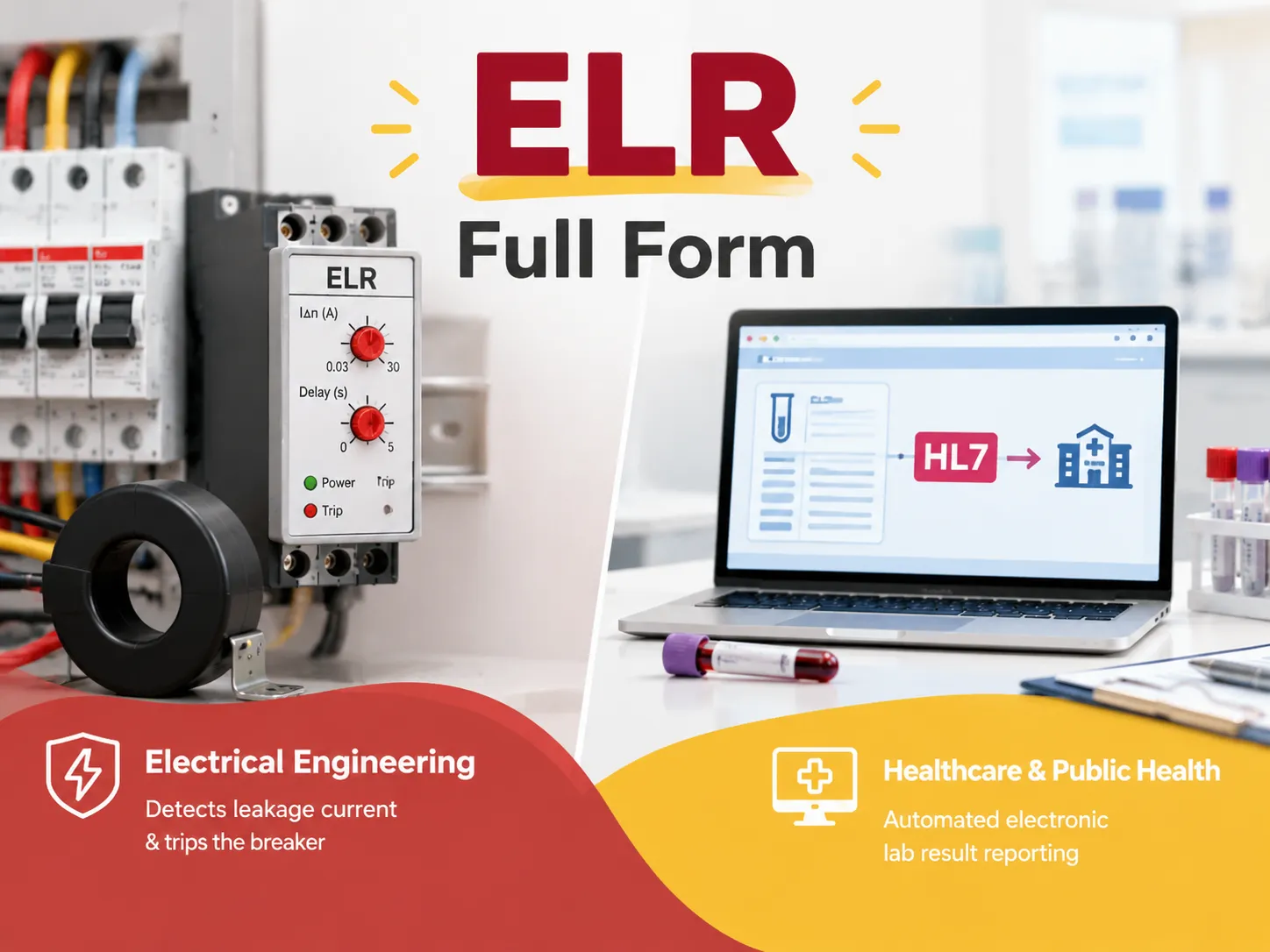
| RCCB / ELCB | Artık Akım Devre Kesici / Toprak Kaçağı | 25-100 A, 30-300 mA hassasiyet | Prizlerde ve ıslak alanlarda şok koruması |
| RCBO | Aşırı Akımlı Artık Akım Kesici | 6-63 A | MCB + RCCB’yi tek modülde birleştirir |
| GFCI / AFCI | Toprak Hatası / Ark Hatası Devre Kesici | 15-50 A | ABD mutfakları, banyolar, dış mekanlar (GFCI); yatak odaları, yaşam alanları (AFCI) |
| SF6 / Yağ | Gaz veya yağ yalıtımlı kesici | Yüksek voltaj | İletim şebekeleri, yüksek gerilim trafo merkezleri |
İki büyük karışıklık noktası vardır: Birincisi, RCCB’ler ve RCBO’lar çoğu kişinin düşündüğü gibi aşırı akım koruma cihazları değildir; bunlar, toprak kaçağı akımını (bir kişi veya yalıtım üzerinden) algılayan cihazlardır ve kaçak gerçekleştiğinde yaklaşık otuz milisaniye içinde devreyi keserler. Bu nedenle, mevcut kodlara göre tüm prizlere RCCB veya RCBO kurulmalıdır. İkincisi, ABD konut tesisatında, AFCI ve GFCI fonksiyonları genellikle aynı cihazda birleştirilir ve mevcut kod gereksinimleri doğrultusunda yatak odaları/yaşam alanlarında kullanılır. Bu artık akım ve aşırı akım cihazlarının ilişkisi, daha ayrıntılı olarak RCCB ve RCBO rehberi.
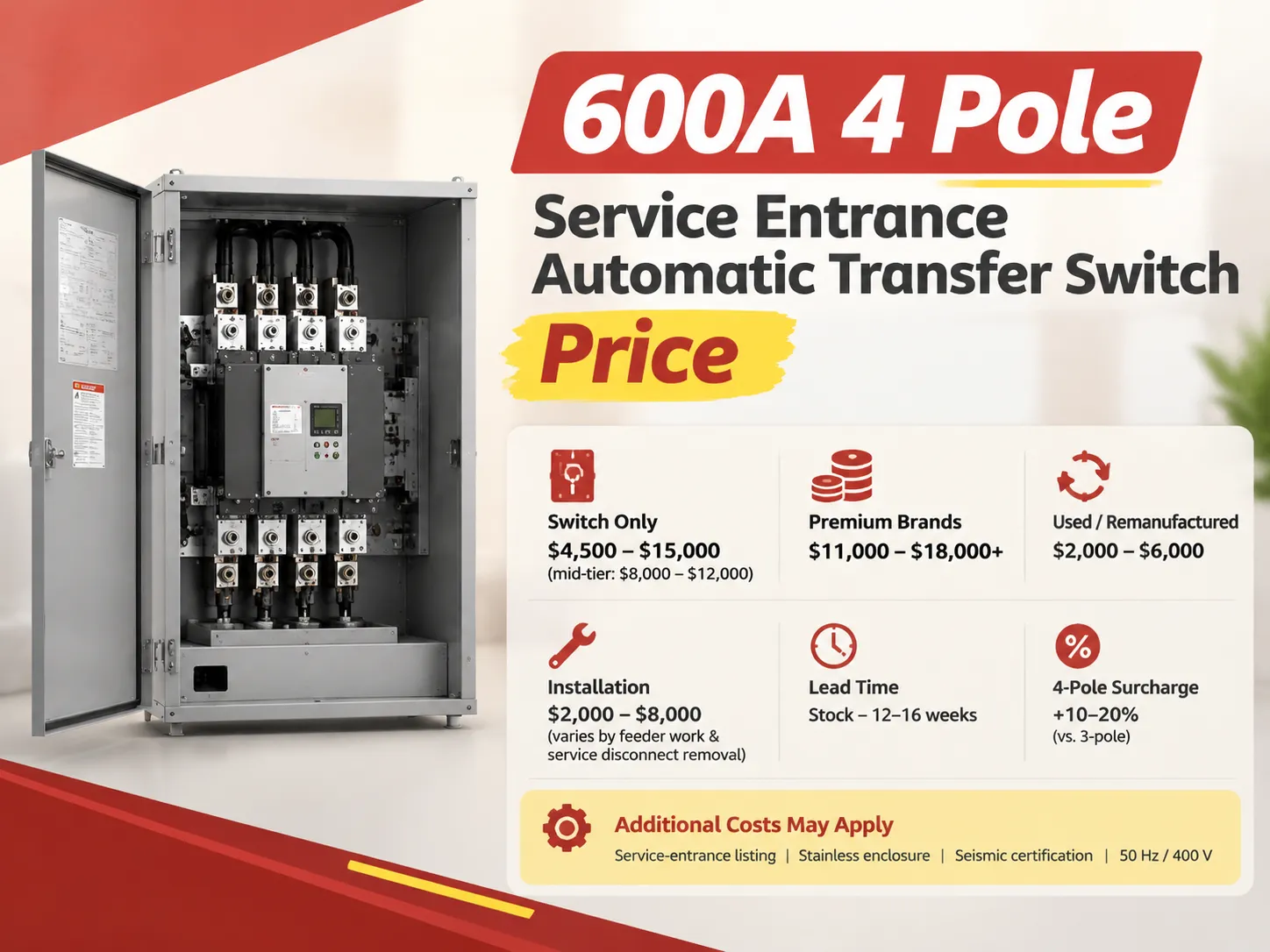
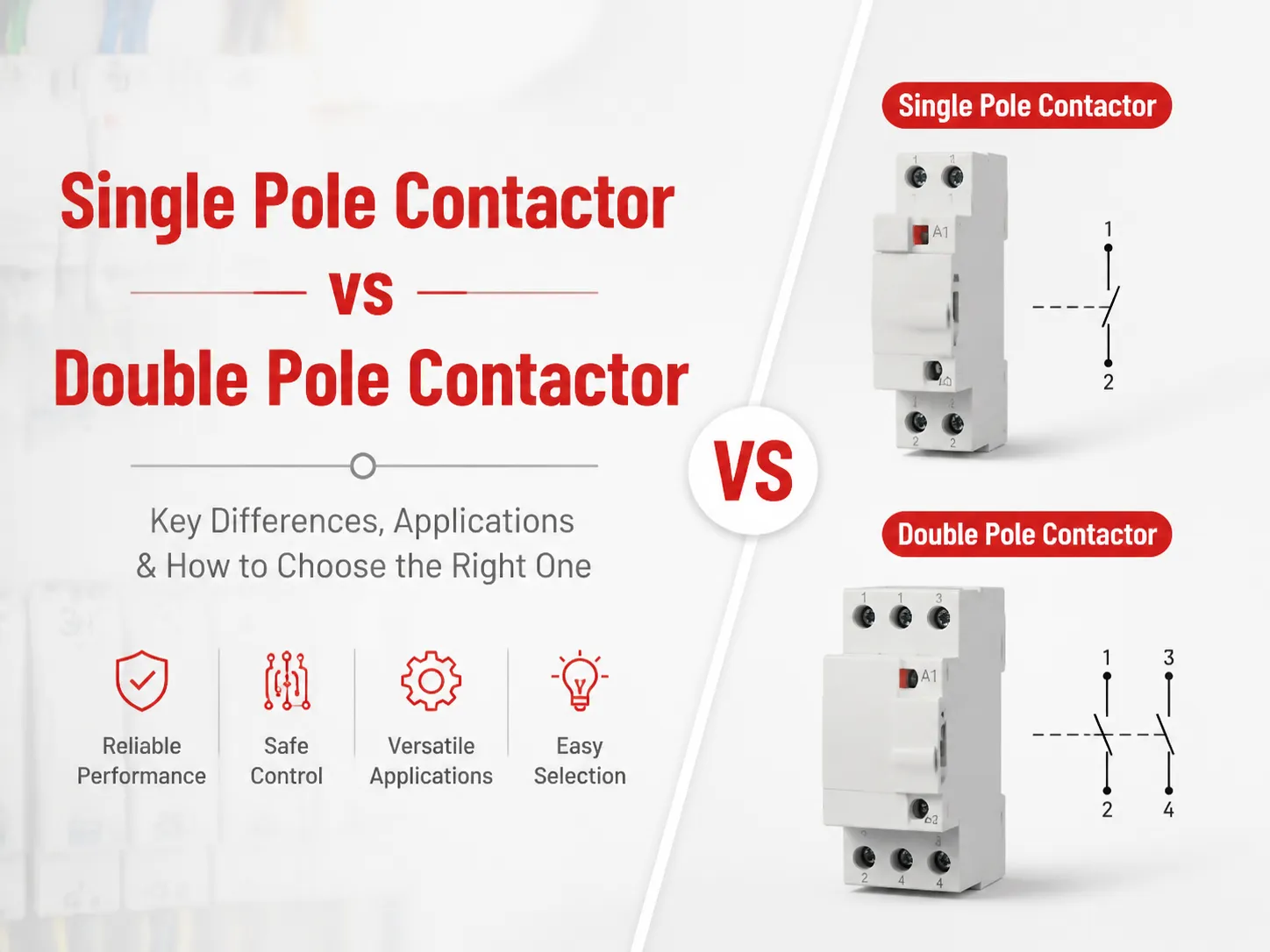
Devre kesiciler tek kutuplu (bir 120V bacak), çift kutuplu (Kuzey Amerika’da 240V cihazlar/ana hatlar için iki bacak) veya üç ya da dört kutuplu (endüstriyel/ticari güç için üç faz) konfigürasyonlarda olabilir. Tek kutuplu kesiciler 120 Volt şube devreleri için aşırı akım koruması sağlar; Çift kutuplu kesiciler ise çamaşır kurutucuları, ocaklar, su ısıtıcıları ve Elektrikli Araç şarj cihazları gibi 240 Volt yükler için aşırı akım koruması sağlar ve her iki bacağı aynı anda açar. Ev kullanıcılarının yaptığı en yaygın hataların çoğu kutup sayısının yanlış seçilmesinden kaynaklanır, bu nedenle panel kurulumları/konut yükseltmeleri için deneyimli bir profesyonelin görevlendirilmesi önerilir, çünkü bu işlemi yüzlerce kez tamamlamışlardır.

Devre kesici ile sigorta arasındaki fark nedir?
Kablolama ve ekipman koruması sağlama amacı dışında, her türün benzersiz bir çalışma yöntemi vardır. Sigortanın aşırı yük koruması, kapasitesinin üzerindeki amperajda eriyen metal bir iletken aracılığıyla elektrik devresinde fiziksel bir kopukluk oluşturmasıdır. Kesicide ise bu işlem anahtarın mekanik hareketiyle gerçekleştirilir. Bu fark, bu iki koruma cihazı türü arasındaki karşılaştırmaların temelini oluşturur.
| Özellik | Sigorta | Devre kesici |
|---|---|---|
| Bir trip sonrası | Eleman hasar görmüş — değiştirilmesi gerekir | Kolu çevirerek sıfırlanır — tekrar kullanılabilir |
| Tepki hızı | Son derece hızlı (iyi akım sınırlama) | Hızlı, ancak çok yüksek arızalarda eşdeğer bir sigortadan biraz daha yavaş |
| Müdahale koruması | Daha büyük bir sigorta takarak veya arkasına bir madeni para koyarak kolayca aşılabilir | Yenilmesi daha zor; arızalar görünür şekilde tekrar eder |
| Uzaktan sıfırlanabilir mi? | Hayır — fiziksel değişim gerektirir | Bazı endüstriyel tipler elektriksel olarak yeniden kapatılabilir |
| Olay başına maliyet | Ucuz parça, ancak her arıza yeni bir sigorta maliyeti getirir | Daha yüksek ilk maliyet, sıfıra yakın olay başı maliyet |
| Ayırma/seçicilik | İyi; sigortalar seri halde iyi koordine olur | Yukarı akış ve aşağı akış birimleri arasında dikkatli sınıflandırma gerekir |
| Tercih edilen yerler | Yarı iletken koruması, yüksek arıza kapasiteli endüstriyel noktalar, bazı otomotiv/deniz uygulamaları | Diğer her yerde — konutlar, ticari, endüstriyel dağıtım |
Çoğu kullanıcı, bir sigorta kutusundan devre kesici paneline yükseltmenin yatırım getirisi açısından en iyi seçenek olduğunu düşünür. Bir sigorta, devrenin tekrarlayan aşırı yüklenmesi hakkında herhangi bir gösterge sağlamaz ve bu nedenle güvensiz ve/veya tehlikeli onarım fırsatları yaratır; diğer yandan, bir devre kesici ile kullanıcı, arıza yapan devreyi net bir şekilde tanımlayabilir ve basitçe sıfırlayabilir. Devre kesiciler ayrıca herhangi bir sigorta türü tarafından sunulamayan toprak arızası ve ark arızası koruması özellikleri sunar. Bazı durumlarda, çok yüksek arıza akımlarıyla veya hassas elektrikli ekipmanları korurken hızlı akım sınırlaması gerektiğinde sigorta, devre kesiciden daha iyi performans gösterebilir; ancak binalarda, devre kesiciler uzun yıllardır en iyi tercih olmuştur.
Devre kesici ile şalter arasındaki fark nedir?
Bir kesici kolu genellikle bir şalter ile karıştırılır çünkü benzer görünürler, ancak farklı cihaz türleridir. Bir şalter (örneğin, ışık şalteri, ayırıcı, kontaktör) düzenli olarak kullanılması veya işletilmesi amaçlanmıştır (birçok kez açıp kapatılır) ve herhangi bir algılama yeteneği yoktur. Öte yandan, bir devre kesici nadiren servis için tasarlanmıştır ve bir arıza algıladığında otomatik olarak akımı keserek otomatik olarak atması için özel olarak tasarlanmıştır.
As a result of these differences, there are two basic rules. First, a switch does not protect you from faults; it can only control your circuit, and therefore the circuit that comes from a switch must be protected by other devices upstream of the switch. Second, a circuit breaker is not intended for daily switching; its contacts are not designed for thousands of operates, and each time you manually trip it, the life expectancy of that breaker is decreased. If you want to have a switching device and also provide some form of protection, the ideal product would be a switch disconnector with a fuse or circuit breaker, or a motor protective circuit breaker (for machine circuits). On the high-voltage side, this difference is also found in substations, where they use separate disconnectors for switching (they will only switch when there is no current) and circuit breakers for interrupting fault currents.
Main breaker vs branch circuit breaker: what is the difference?
People frequently confuse the two types of breakers in a breaker panel (the main and the branch) because they both disconnect electricity from a panel; however, they serve entirely different functions. The main breaker disconnects power to the entire panel from the electrical utility, while branch breakers (the long rows of 15- and 20-amp handles) protect each individual circuit (e.g., kitchen, bedrooms, AC unit, dryer). Depending on the size of a person’s home and how much electricity is used each day, many people will find that the main breaker will be rated between 100-200 amps in a home.
Understanding the distinction between these two breakers is vital because of how they help protect against electrical shock and fire. The main breaker protects the service conductors, giving firefighters and/or electricians a single safe way to disconnect power from a building, whereas branch breakers protect the smaller wires located within walls that run to each particular room; therefore, when an electrical short or failure occurs within a branch breaker, it can potentially only take one room out of service instead of the entire house. When an individual hears “the main breaker tripped,” it usually indicates that either the total electricity usage exceeded the service capacity or that a significant electrical fault occurred between the main and branch breakers. Therefore, before an individual resets the main breaker, they should unplug enough appliances or electronic devices to bring the total electricity consumption below the maximum rating of the breaker panel.

Which brands make circuit breakers?
There are two distinct categories of manufacturers in the circuit breaker industry: global players with an extensive presence in North America and Europe, and companies focused on niche products where their certified products can be found across the globe.
| Marka | Home market | Known for |
|---|---|---|
| Square D (Schneider Electric) | US / France | QO and Homeline panels — the most widely installed residential breakers in North America |
| Eaton (incl. Cutler-Hammer) | US / Ireland | BR and CH series, strong commercial and industrial line |
| Siemens | Almanya | Huge industrial and residential portfolio, MP/QP residential line |
| ABB | Switzerland / Sweden | Tmax MCCB range, global industrial standard, SACE breakers |
| Leviton | US | Residential breakers plus a growing smart/connected breaker line |
| General Electric (now part of ABB/Smart Breaker brands) | US | Legacy THQL/THQB panels still common in older homes |
| Legrand / Hager / Chint / HUYU and similar certified global manufacturers | Europe / China | Full MCB/MCCB/RCBO ranges certified to IEC 60898 and IEC 60947, supplying OEM and project markets worldwide |
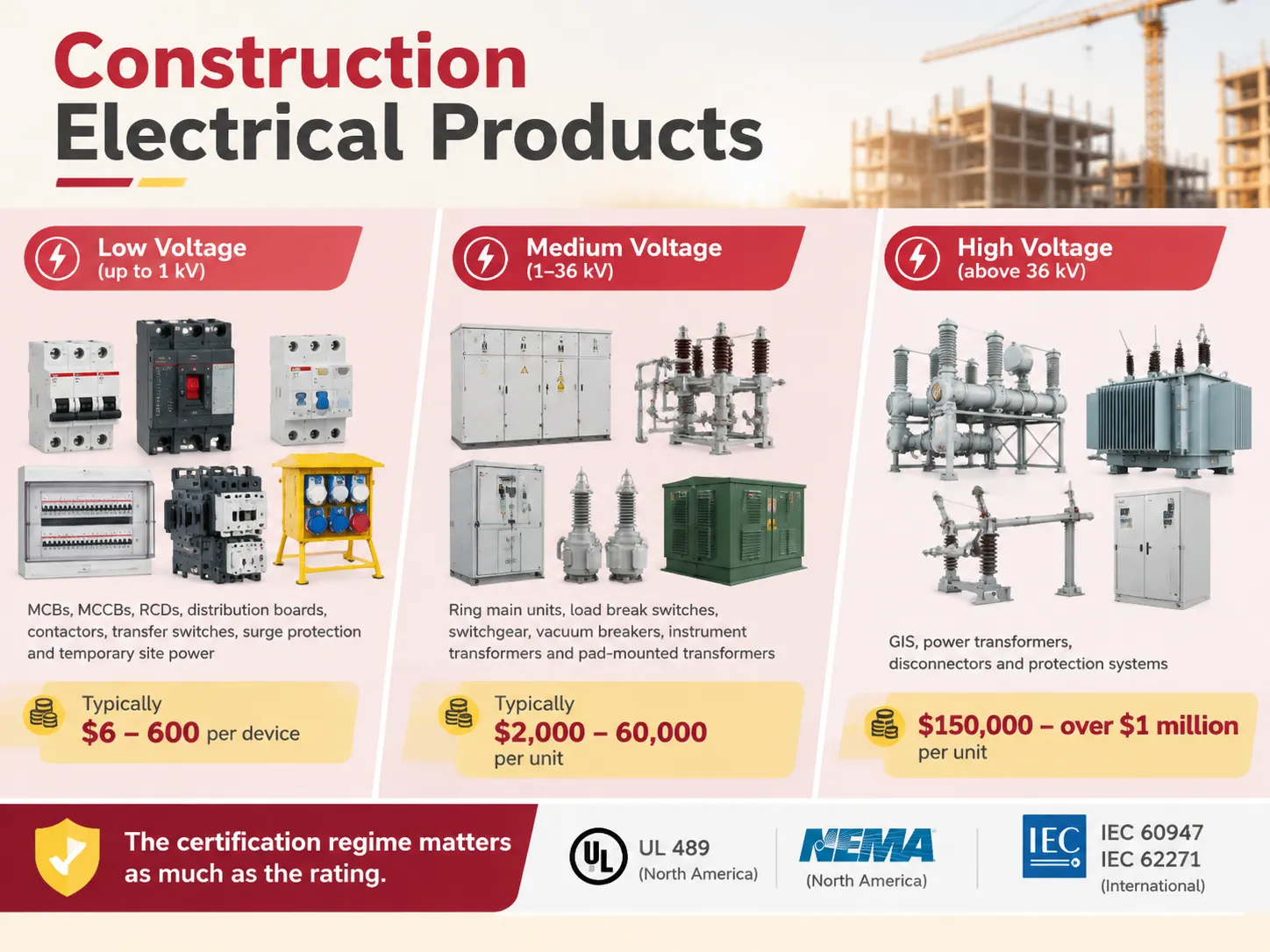
When purchasing circuit breakers, the most important rule regarding product compatibility is that, in North America, circuit breakers are panel-specific. As an example, a Square D breaker will not fit an Eaton panel, and trying to install one in a panel that it is not intended for creates not only a code violation, but also a legitimate fire hazard. To avoid this issue, simply match the replacement circuit breaker to the manufacturer’s name and series of the existing panel (see our Eaton vs. Cutler-Hammer Reference Guide for product compatibility) or, if you choose to switch brands, you can simply replace the entire panel. Circuit breakers from different manufacturers are compatible and can be mounted on DIN-rail tracks in markets outside of North America (i.e., IEC markets), and therefore companies like HUYU can distribute their certified miniature circuit breakers (MCBs) in over 100 countries. For industrial and project clients, the certification is much more important than the product logo; the certification for North America is UL 489 for circuit breakers, IEC 60898 for MCBs, IEC 60947-2 for molded case circuit breakers (MCCBs) and air circuit breakers (ACBs), and the certified test reports for those certifications.
How much do circuit breakers cost?
Pricing for Breaker varies more than many other types of electrical components because circuit breakers can range from $6 (residential spare) to over $100,000 (transmission). Therefore, when creating a budget for a project, it helps to have a breakdown of the possible price ranges in each category for each year leading up to 2026:
| Kesici tipi | Part cost (typical) | Installed cost (electrician) |
|---|---|---|
| Standard single-pole thermal-magnetic (15-30 A) | $6-18 | $130-250 including service call |
| Double-pole (30-100 A) | $10-40 | $150-300 |
| GFCI breaker | $40-100 | $200-350 |
| AFCI or combination AFCI/GFCI | $30-100 | $175-350 |
| Smart breaker with energy monitoring | $50-300+ | $250-500 |
| MCB (IEC, 6-63 A, DIN-rail) | $3-25 | Varies by market |
| MCCB (100-1,600 A) | $45-1,600+ | Project-priced |
| ACB (630-6,300 A) | $800-5,000+ | Project-priced |
| Medium/high-voltage breaker | $5,000-100,000+ | Substation projects |
The big price drivers are amperage, interrupting rating, protection features, and brand. A basic 20 A thermal-magnetic breaker at $6-12 versus a combination AFCI/GFCI unit at $50-100 is roughly a five-to-eight-times multiplier — justified by the microprocessors and sensors inside the smart unit. The full cost picture — including panel replacement and when a $200 breaker swap turns into a $2,000-4,000 panel upgrade — is detailed in our circuit breaker replacement cost guide.

How to choose the right circuit breaker
To select a new circuit breaker, follow these five steps IN ORDER: Each step limits and restricts your options for the next step.
- Wire ampacity = Breaker amperage, NOT appliance amperage! The Industry Standards state that the breaker is there to protect the wire, so the breaker should NEVER exceed the ampacity of that wire. Therefore, a 15 amp breaker protects a 14 AWG copper wire, a 20 amp breaker protects a 12 AWG wire, and a 30 amp breaker protects a 10 AWG wire. NEVER upgrade a breaker to eliminate nuisance trips until you have verified the wire size; this is one of the leading causes of houses burning down.
- 80% of Breaker’s Rating is Maximum Continuous Load: The National Electrical Code requires circuit breakers to be rated for continuous (3-hour or more) loads at no more than 80% of the breaker’s capacity. A continuous 12 amps (1,440 watts at 120 volts) on a 15 amp breaker are fine, and 16 amps (1,920 watts) on a 20 amp breaker are fine. For an explanation of how to perform the calculation converting watts-to-amps for continuous loads, please see our 15-Amp Circuit Capacity Guide.
- Type Matches Hazard: A Ground Fault Circuit Interrupter (GFCI) circuit breaker must be used on receptacles located in kitchens, bathrooms, garages, and outside. An Arc Fault Circuit Interrupter (AFCI) breaker must be used in bedrooms and living areas under current code. Lastly, a motor or transformer circuit must use the proper trip curve (usually C or D) to minimize nuisance trips during startup.
- Number of Poles = Voltage: A single pole breaker is used on 120-volt branch circuits; a double pole breaker is used on 240-volt loads and on disconnects from the service panel; a breaker for a three-phase system must be either a three- or four-pole breaker.
- Interrupting Rating and Certifications: The interrupting or breaking capacity (kA) of a circuit breaker must be adequate for the available fault current at the main panel, and ONLY certified devices (in North America, the certification mark is UL 489; in the rest of the world, the certification marks are IEC 60898/60947) should be purchased from authorized dealers. Counterfeit breakers are an increasing problem. When counterfeit breakers fail, it is usually during a fire.
Installation, resetting, and replacement
Resetting a tripped circuit breaker is something every homeowner ought to be aware of. When a circuit breaker trips, it will revert to the middle or OFF position on its handle. To reset the circuit breaker, turn the handle completely to the OFF position, and then fully back to the ON position. If after you have reset the circuit breaker it does not trip again, it is likely that the overload causing the circuit breaker to trip was an isolated event. If the circuit breaker trips again immediately after being reset, you most likely have a larger electrical issue, and you should stop attempting to reset the breaker and investigate the problem further.
Circuit breakers do eventually wear out, and the wear will usually result from a mechanical failure in the latching mechanism or the electrical contacts rather than a failure of the sensing mechanism (the electronic part). A circuit breaker that is very hot, buzzing or humming, has a burnt smell, and/or has tripped many more times than it previously did, or has failed to trip completely, is likely going to need to be replaced. Testing a faulty breaker is fairly easy if you have access to a multimeter; you’ll need to check that the breaker will hold the correct amount of current load and trip when it is supposed to. But if a circuit breaker begins showing any of the above warning signs, it will be in your best interest to replace it instead of trying to continue using it until it finally does fail on you.
Replacing a circuit breaker in a panel that is live has some inherent risk involved. Depending on the configuration of your panel and where the service lugs (terminals) on your circuit breaker panel are mounted, the service lugs remain energized even when the main has been turned OFF. In the vast majority of cases in the United States, it is against the law to rewire or replace a circuit breaker while working on the live side of the service because there is a high likelihood that an arc flash will occur if you come into contact with the energized lugs while doing so. The cost of hiring an electrician to replace a circuit breaker is typically between $130-$250 to provide you with peace of mind and protection against the risk of an arc flash. The same professional judgment should be applied on the panel level: whether or not your aging 100 A service is capable of handling the entire electrical load of a modern home, and whether or not the current code requires you to have a panel rated at 200 A, is a question that you should be able to have answered by a licensed electrician after a load calculation has been performed, not a guess.
Why does a circuit breaker keep tripping?
A repeatedly tripping breaker is not the source of the problem; it is an indication of a problem. A tripped breaker indicates that there is something wrong with the electrical circuit or with what is connected to it. Identifying the cause of the problem means understanding the following four major categories of electrical faults or problems.
- Overloaded circuit – Too many appliances or devices drawing power from a single circuit are causing an overload of electrical current. The solution to this is to balance the load on the circuit or to install a new circuit for the additional high-wattage electrical devices, and not to use a higher-rated circuit breaker.
- Kısa devre – An electrical short happens when an energized wire touches either a neutral or ground wire. This condition can happen inside an appliance or in an extension cord when either the cord or the appliance is damaged. A short circuit will usually trip instantly, and there may be a burnt smell associated with it.
- Ground Fault – A ground fault occurs when current leaks to ground (earth) through a person, water, or damaged insulation on an electric wire. Ground fault protection devices (GFCIs and RCCBs) are critically important to ensure the safety of people using electricity.
- A Breaker Failure – After decades and thousands of operations, a breaker eventually will wear out and will no longer trip and will fail to hold on to its rated current.
Diagnosing which family you are in — and why a breaker that “trips for no reason” almost always has a reason — is exactly what our circuit breaker tripping guide walks through step by step. It is important to note: If a breaker trips when an appliance is plugged in, the appliance is most likely the cause. If a breaker trips when nothing is connected, suspect either the wiring or the breaker and call a licensed electrician to investigate further; do not experiment with either the wire or the breaker.
SSS
How do I reset a circuit breaker?
To reset the circuit breaker(s), locate the circuit breaker that tripped (the lever/circuit breaker will be in between the OFF/ON position) Move the lever fully to the OFF position, and then move it firmly to the ON position. If the circuit breaker(s) remains in the ON position, then the trip was probably a temporary overload. However, if the circuit breaker(s) immediately or shortly thereafter trips again, do not reset the circuit breaker(s) again and contact a professional to determine why the circuit breaker(s) keep tripping.
What’s the difference between a circuit breaker and a fuse?
Fuses protect electrical circuits by melting a wire (metal element), and therefore, when a fuse is blown it has to be replaced every time. Circuit breakers protect electrical circuits by using a mechanical switch to open the circuit. This allows circuit breakers to be reset and reused many times. Additionally, circuit breakers have the ability to provide both ground fault protection and arc fault protection which fuses cannot; therefore, circuit breakers have replaced fuses in virtually all modern buildings.
What is the difference between a main breaker and a circuit breaker?
The term circuit breaker refers to all circuit breakers. The main breaker is a circuit breaker that is larger than the others (typically 100-200 amps) that disconnects the entire electrical service from the utility company. Branch circuit breakers are the smaller circuit breakers that are used to protect individual circuits in the building. All circuit breakers will trip automatically in response to electrical faults, however, the main circuit breaker protects the conductors that carry the electrical service, while branch circuit breakers protect single circuits.
What is the difference between a circuit breaker and a switch?
A switch is a manual control device that is intended for frequent operation, without providing any protective function. A circuit breaker is a protective device that will automatically open the circuit if there is an overload condition or short circuit and is not intended to be used thousands of times a day. A switch does not provide protection for a circuit; a circuit breaker is not intended for daily use. Some devices are designed to have both functions; therefore, these products are referred to as switch-disconnectors or motor-protective devices.
Referanslar
- Schneider Electric — What Is a Circuit Breaker?
- Eaton — Circuit Breaker Fundamentals
- RealPars — Circuit Breakers Explained
- Family Handyman — How Circuit Breakers Work
- NFPA — National Electrical Code (NEC)
Sonuç
A circuit breaker protects every electrical system from excessive voltage and current. It is a switch that automatically responds to excessive voltage and/or current (i.e. thermal and magnetic overload) and opens the circuit as fast or faster than a fused circuit. If you are new to circuit breakers, it is important to understand the thermal/magnetic trip mechanism that opens the breaker, the trip characteristics of breakers of types B, C, and D according to their rated load and type of electrical load, how do MCBs, MCCBs, RCBOs differ; when and why you should use circuit breakers instead of fuses; and to what extent you should use the main breaker with regard to branch circuit breakers; how to determine the correct certification for the circuit breaker and the manufacturer of the circuit breaker to ensure compatibility with your circuit breaker panel; and how to use the ratings of circuit breakers to size correctly the circuit breaker for your installation. All of the above may be obtained from the circuit breaker manufacturer or an electrical contractor, and if not, you must refer to a qualified electrical contractor to obtain such information to ensure your equipment remains protected by the circuit breakers. Assuming that you have taken advantage of the above information, you can expect your circuit breaker(s) to continue protecting all of your equipment for many years to come until such time as the circuit breakers have reached their rated life (which they do not use) and have provided the necessary protection for each piece of your equipment.