
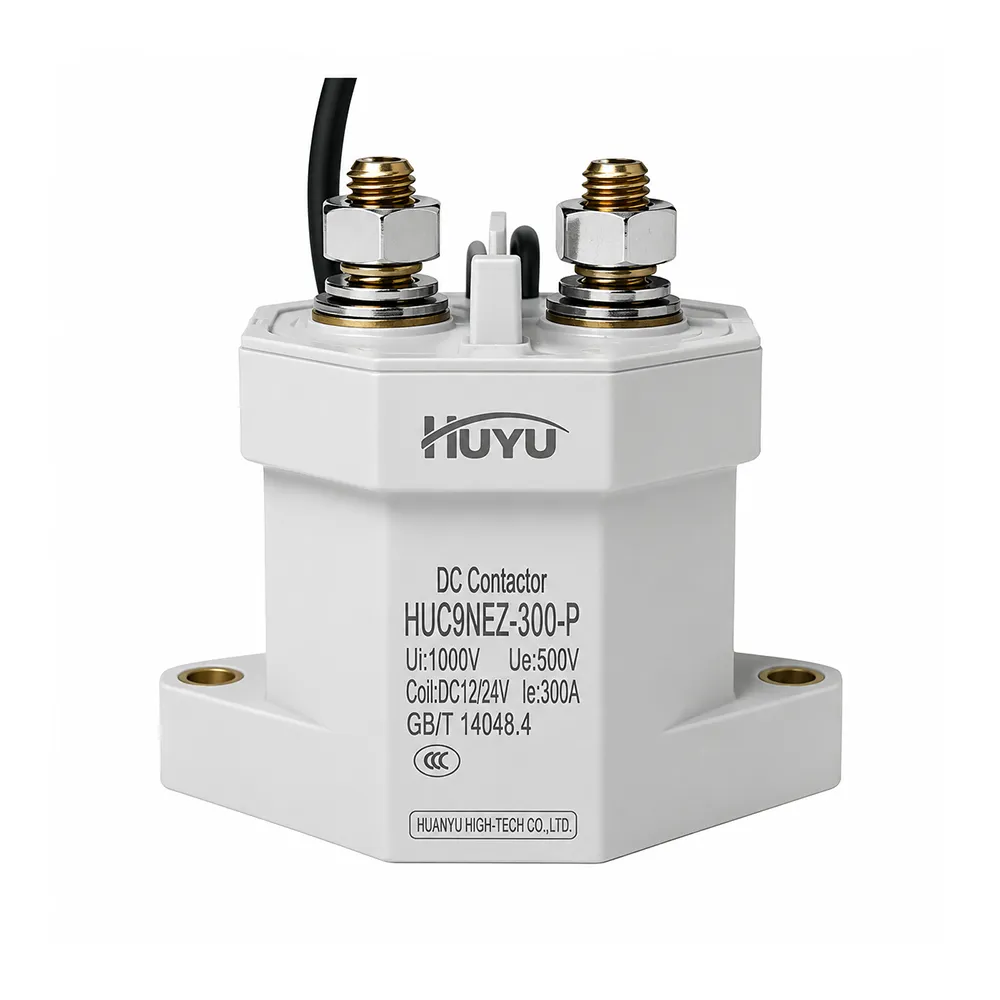
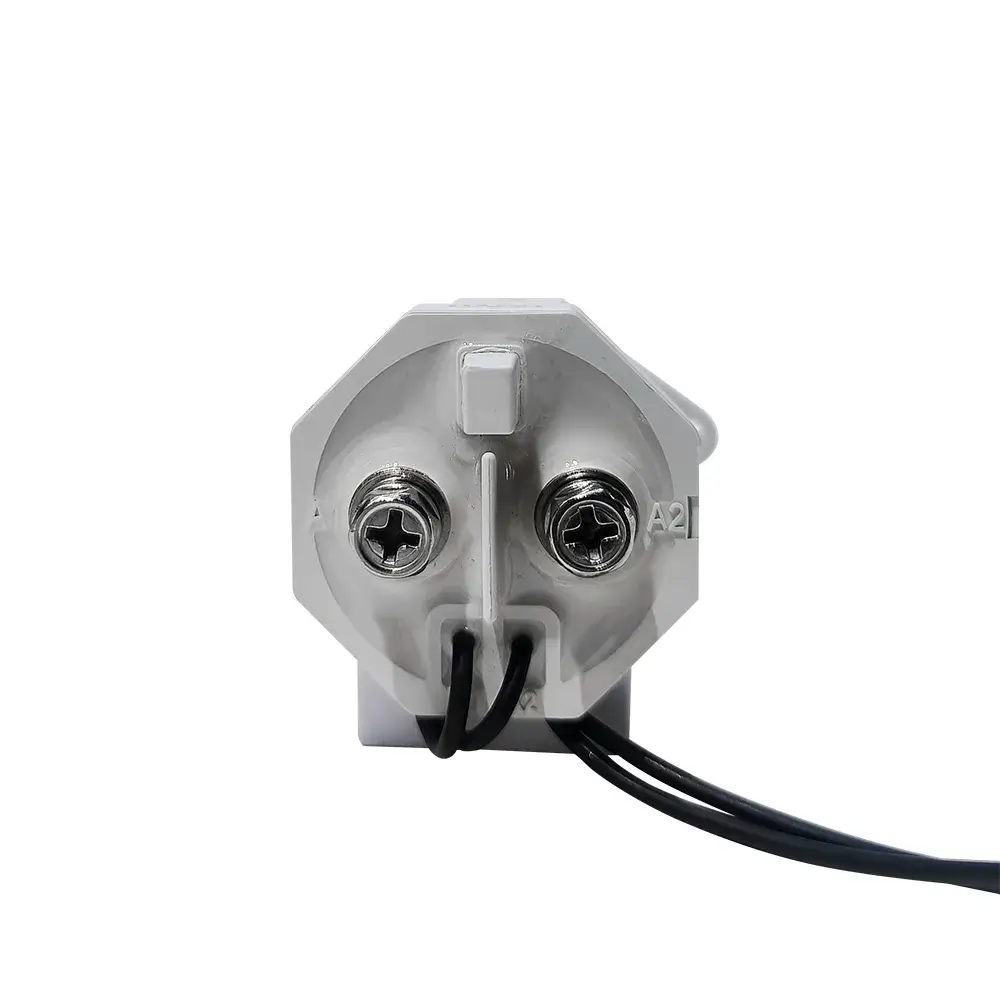
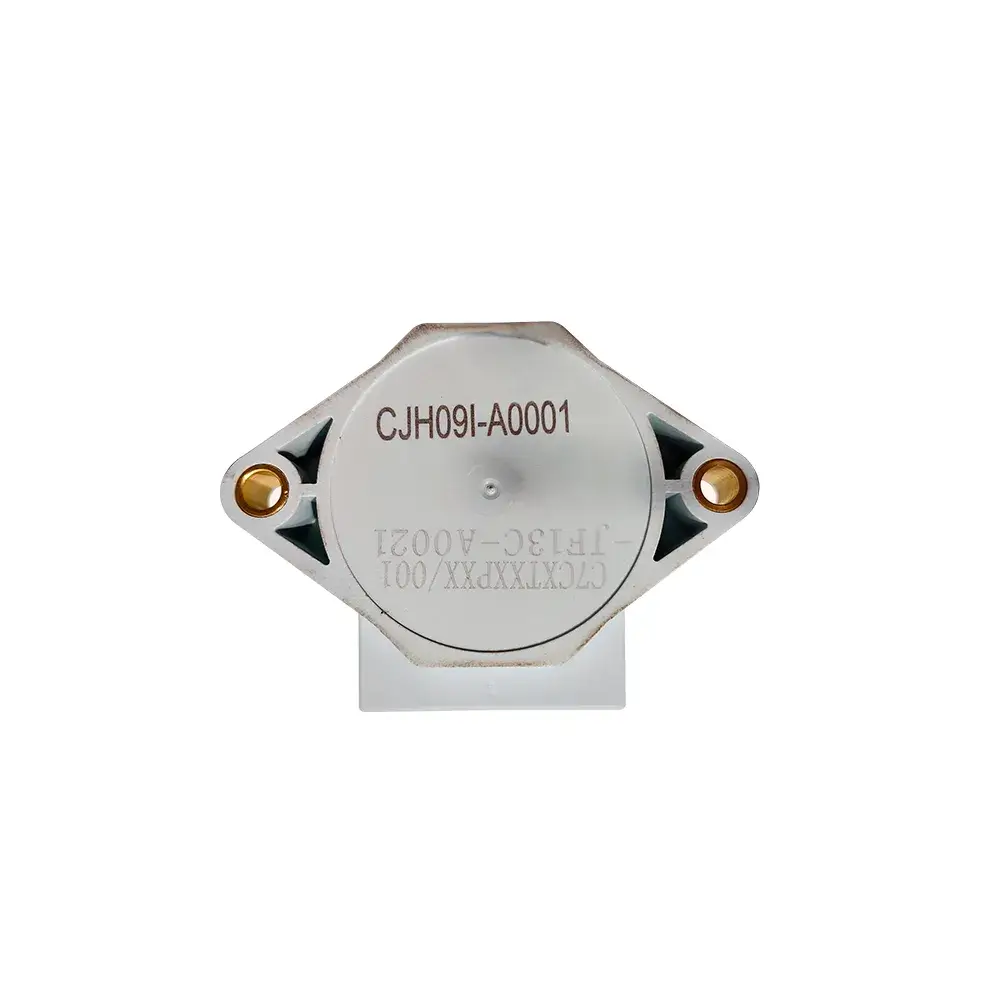
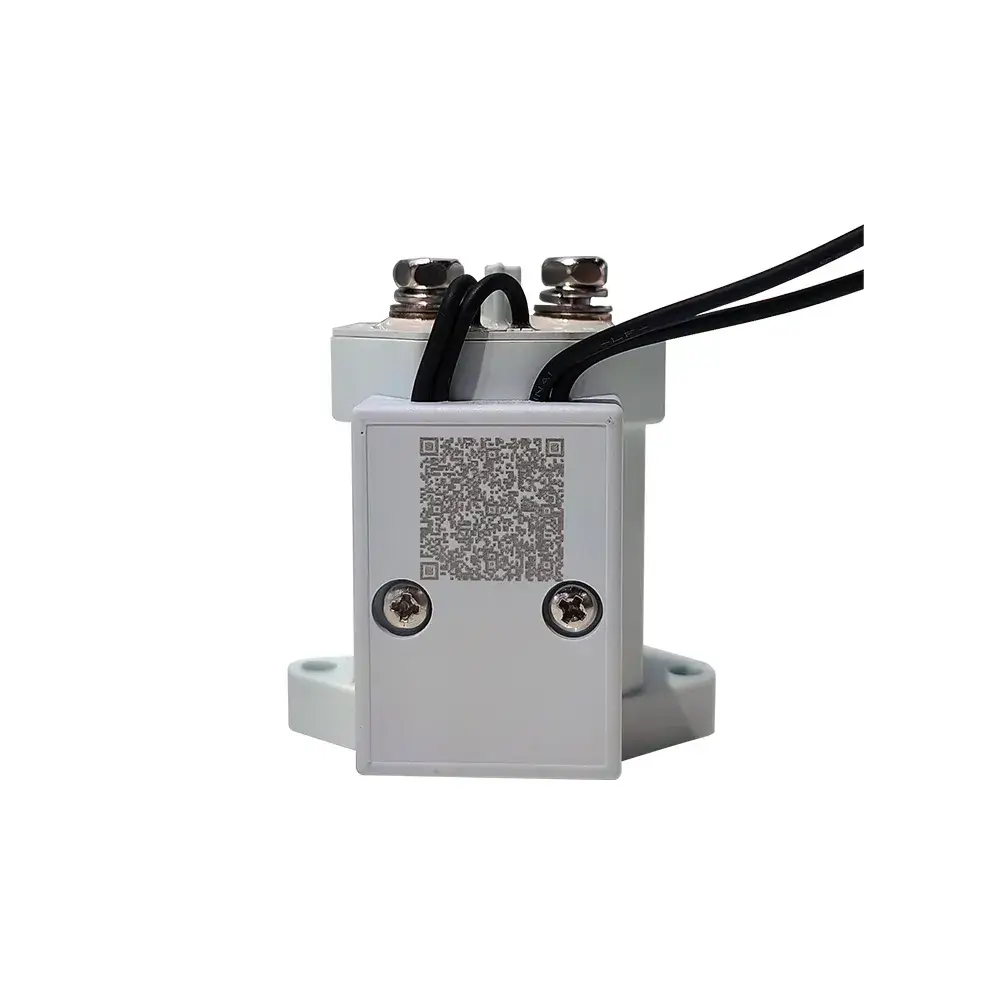
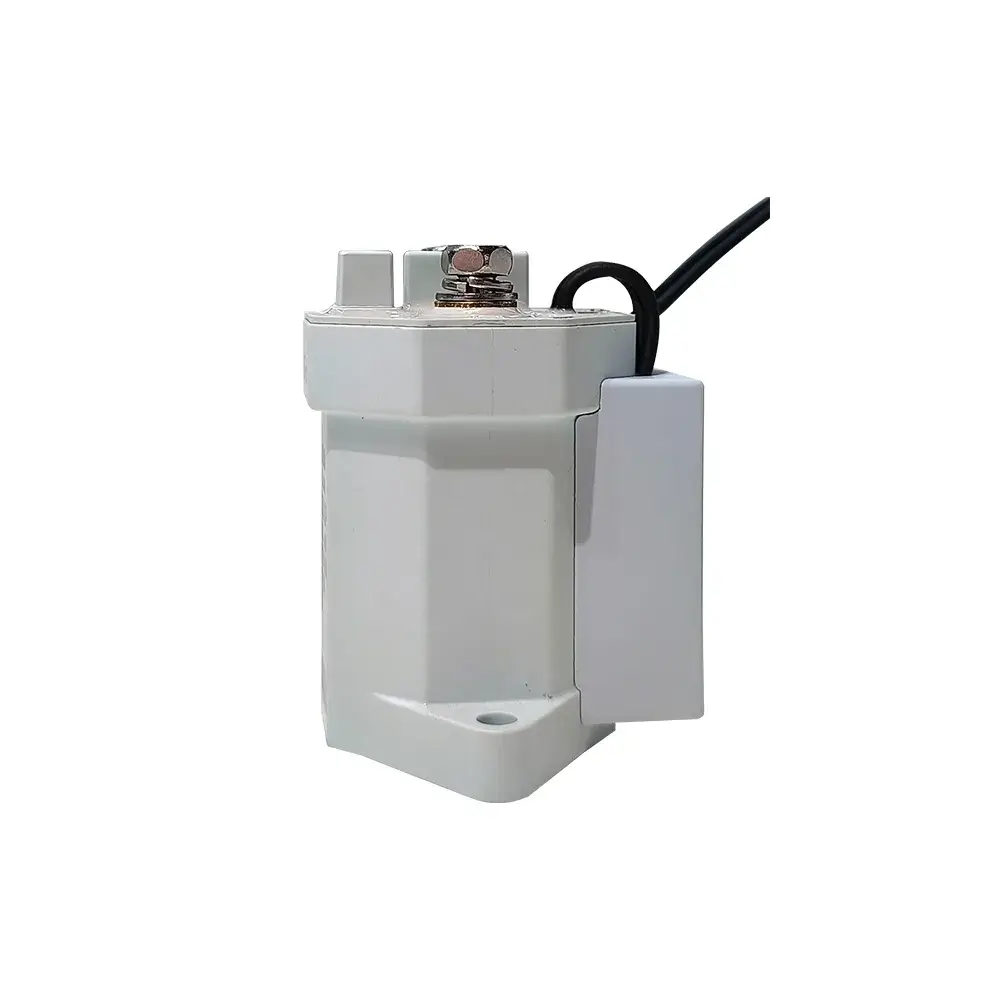
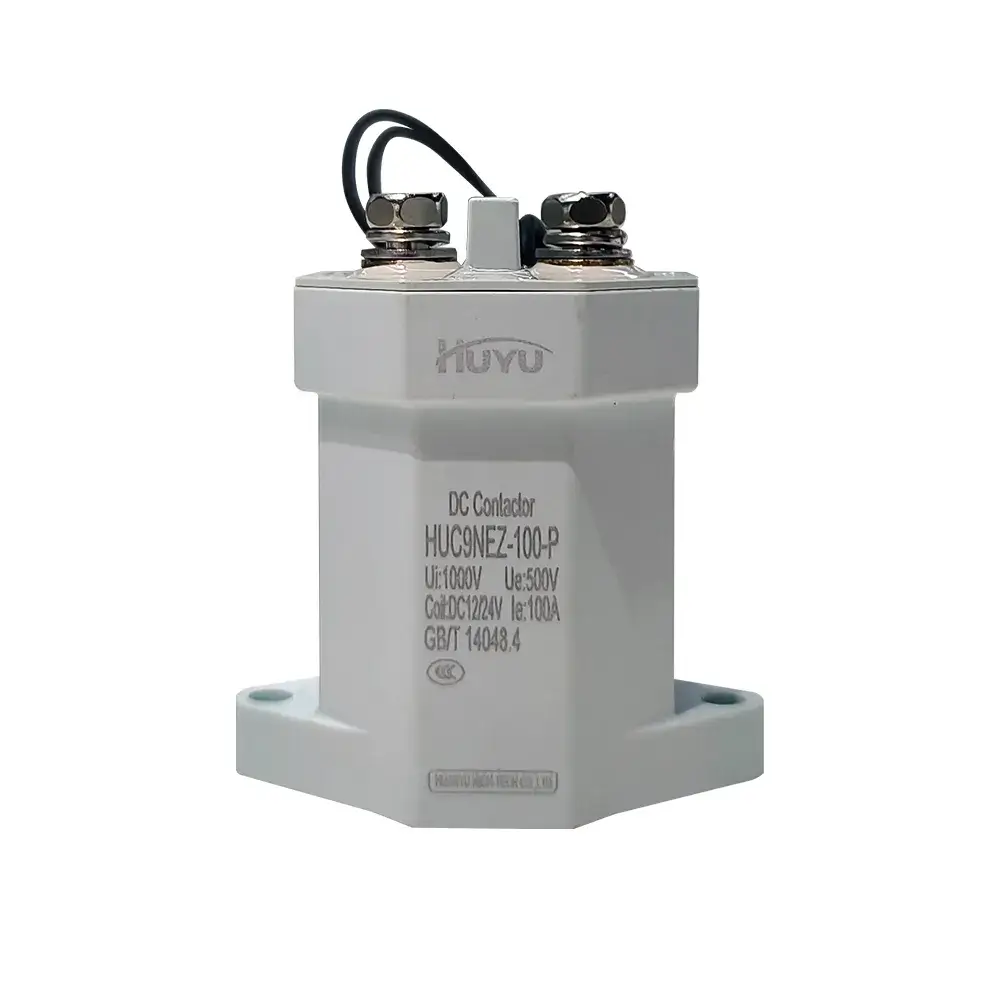
HUC9NEZ DC Contactor
The HUC9NEZ is a DC contactor rated 30A–500A for 12–1000VDC systems. Ideal for high voltage DC applications: EV, BESS, DC fast charging, PV. Available in 12V and 24V coil versions. Compact design with ultra-wide operating temperature. Mechanical life up to 3×10⁵ ops. For demanding DC switching in new energy and industrial systems.
Standard: IEC 60947-4-1 / UL 508
Rated Current: 30A – 500A
Rated Voltage: 12 – 1000VDC
Coil Voltage: 12VDC, 24VDC
Main Contact: 1SH (Double-acting)
Operating Temp: -40°C to +85°C
Applications: EV, BESS, Charging Piles, PV Inverters
Product Information
HUC9NEZ DC Contactors – High Voltage Switching for New Energy, 30A to 500A
The HUC9NEZ series DC contactors by HUYU Electric are designed for high-current, high-voltage DC applications requiring reliable and fast switching. Covering a range of 30A to 500A with voltage ratings up to 1000V DC, the series is ideal for electric vehicles, battery energy storage systems, DC fast chargers, photovoltaic inverters, and power control systems. Whether used as a 100A contactor for charging stations or as a 400A contactor for battery banks, the HUC9NEZ offers reliable performance across all configurations.
Available in both 12VDC and 24VDC coil options, the HUC9NEZ contactors feature a double-acting switch (1SH) that ensures low contact resistance and robust reliability. Suitable for extreme temperatures, this compact and lightweight solution is perfect for both indoor and outdoor installations. As an alternative to established brands like TE Connectivity, Gigavac, and Schneider Electric, HUYU Electric offers factory-direct OEM/ODM options with full documentation and private labeling.
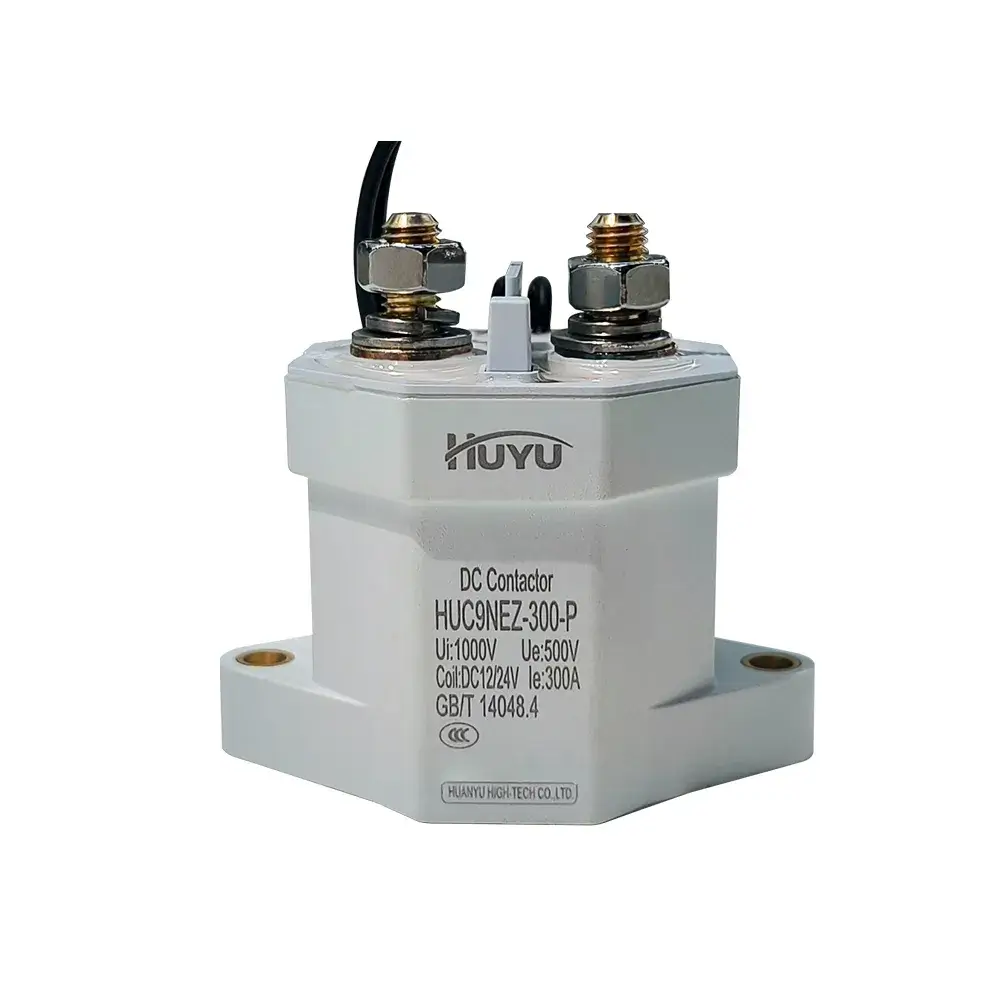
Model Range & Main Contact Ratings – 30A to 500A
| Model | Rated Current Ie | Coil Voltage Us | Max Switching (Single) | Contact Resistance | Pull-in Time | Typical Application |
|---|---|---|---|---|---|---|
| HUC9NEZ-30A | 30A | 12V / 24V | 300A/320VDC | 2mΩ | ≤30ms | Small EV auxiliaries |
| HUC9NEZ-50A | 50A | 12V / 24V | 300A/320VDC | 2mΩ | ≤30ms | PV combiner boxes, small DC loads |
| HUC9NEZ-100A | 100A | 12V / 24V | 300A/320VDC | 2mΩ | ≤30ms | DC charging pylons, 100A contactor applications |
| HUC9NEZ-100P | 100A | 12V / 24V | 1000A/320VDC | 0.4mΩ | ≤30ms | EV pre-charge circuits |
| HUC9NEZ-150P | 150A | 12V / 24V | 1500A/320VDC | 0.2mΩ | ≤45ms | Mid-current BESS |
| HUC9NEZ-200P | 200A | 12V / 24V | 2000A/320VDC | 0.2mΩ | ≤45ms | EV main contactors |
| HUC9NEZ-250P / 300P | 250A / 300A | 12V / 24V | 2000A–2500A/320VDC | 0.2mΩ | ≤45ms | Large BESS |
| HUC9NEZ-350P / 400P | 350A / 400A | 12V / 24V | 2500A/320VDC | 0.2mΩ | ≤45ms | DC fast chargers |
| HUC9NEZ-500P | 500A | 12V / 24V | 2500A/320VDC | 30mV (@100A) | ≤45ms | Utility-scale BESS |
Coil Options & Switching Performance
The HUC9NEZ provides 12VDC and 24VDC coil options for all models, including 100P to 500P. Operating voltage ranges from 9–36VDC. High-current models are equipped with a built-in economizer that reduces holding power to as low as 1.6W, minimizing thermal buildup in confined units. Pull-in time for 30A–100A models is ≤30ms and ≤45ms for 100P–500P models. Release times are consistent at ≤10ms, alongside ≤5ms contact bounce, meeting demanding DC switching requirements in EV and BESS systems.
Technical Specifications
| Product Model | HUC9NEZ Series DC Contactor |
| Standards | IEC 60947-4-1 / UL 508 |
| Rated Current Ie | 30A – 500A |
| Rated Voltage Ue | 12–1000VDC |
| Coil Voltage Us | 12VDC / 24VDC |
| Main Contact Type | 1SH (Double-acting) |
| Dielectric Withstand | DC 3110V / AC 2200V |
| Insulation Resistance | ≥1000MΩ (1000VDC) |
| Mechanical Life | 3×10⁵ operations |
| Operating Temperature | -40°C to +85°C |
| MOQ | Contact for project quotation |
Request a Quotation for HUC9NEZ DC Contactors – Factory Direct
30A–500A, 12–1000VDC. 12V/24V coil. For EV, BESS, DC fast charging, and PV systems.
Project-Based Quotation • IEC 60947-4-1 • Worldwide Shipping
OEM/ODM Supply – DC Contactors for New Energy Systems
HUC9NEZ – One Series for All High Voltage DC Needs
The HUC9NEZ fills the gap between PCB relays and bulky breakers. Offering 1000VDC capability, it stands as a competitor to brands like TE Connectivity, Gigavac, and Schneider Electric. Features include integrated economizers and double-acting contact design for maximum reliability.
How to Select a DC Contactor for High Voltage New Energy Systems
Key factors for selecting the right DC contactor for EV, BESS, charging piles, and PV systems.
1. Current Rating and Load Profile
The appropriate current rating should be chosen based on steady-state loads, ensuring sufficient margin for inrush or peak demands. For instance, a DC fast charging station with 150A continuous load may need a 200A DC contactor. BESS systems typically use 400A or 500A contactors.
2. Coil Voltage and Efficiency
Select 12VDC or 24VDC coils based on power budget constraints. The integrated economizer in larger models minimizes power consumption.
3. Voltage Compliance
Ensure the rated voltage exceeds the open-circuit voltage of the application. For 800VDC systems, the HUC9NEZ supports safe operation with appropriate impedance protection.
4. Auxiliary Contacts
Auxiliary contacts on models rated 100A and above provide status monitoring, aiding interlocks and system reliability in energy applications.
Frequently Asked Questions
What is a DC contactor?
A DC contactor is an electrically controlled switch designed to make and break direct current circuits under load. Unlike AC contactors, DC contactors must manage the absence of natural current zero-crossing, which makes arc extinguishing more challenging. The HUC9NEZ high voltage DC contactor uses a double-acting contact and optimized arc chamber to interrupt DC currents up to 500A at voltages up to 1000VDC, making it suitable for demanding applications such as electric vehicle battery isolation, photovoltaic array switching, and battery energy storage system protection.
What is the difference between AC and DC contactor?
An AC contactor relies on the alternating current’s natural zero-crossing (100 or 120 times per second at 50/60Hz) to help extinguish the arc when the contacts separate. A DC contactor faces a continuous current with no zero-crossing, so it requires stronger arc extinguishing mechanisms — such as magnetic blowouts, arc chutes, or vacuum chambers — to stretch and cool the arc until it collapses. The HUC9NEZ’s double-acting contact design and sealed arc chamber are specifically engineered for this DC arc challenge, which is why using an AC-rated contactor on a DC circuit typically results in contact welding or rapid failure.
Can I use an AC contactor for DC?
While it is physically possible to pass DC current through an AC contactor, it is not recommended for any application above very low voltage and current. An AC contactor’s arc extinguishing system is not designed for the sustained arc that DC produces, leading to contact welding, insulation breakdown, and potential fire risk. The HUC9NEZ is a purpose-built DC magnetic contactor rated for 1000VDC, eliminating the safety and reliability compromises that come with repurposing AC devices for DC duty. Always use a contactor rated for the specific current type and voltage of the application.
What is the purpose of a contactor?
A contactor’s purpose is to remotely control the flow of electrical power to a load — turning circuits on and off under normal operating conditions, and providing a means of automatic disconnection in response to control signals or protective relays. In electric vehicles, a DC contactor isolates the high-voltage battery from the drive inverter when the vehicle is off, ensuring safety. In battery storage systems, DC contactor 24V or 12V models connect and disconnect battery racks from the DC bus under control of the battery management system. In DC fast charging stations, contactors manage the power flow to the vehicle, disconnecting the DC output until a safe connection is confirmed.
No documents available for download at this moment.