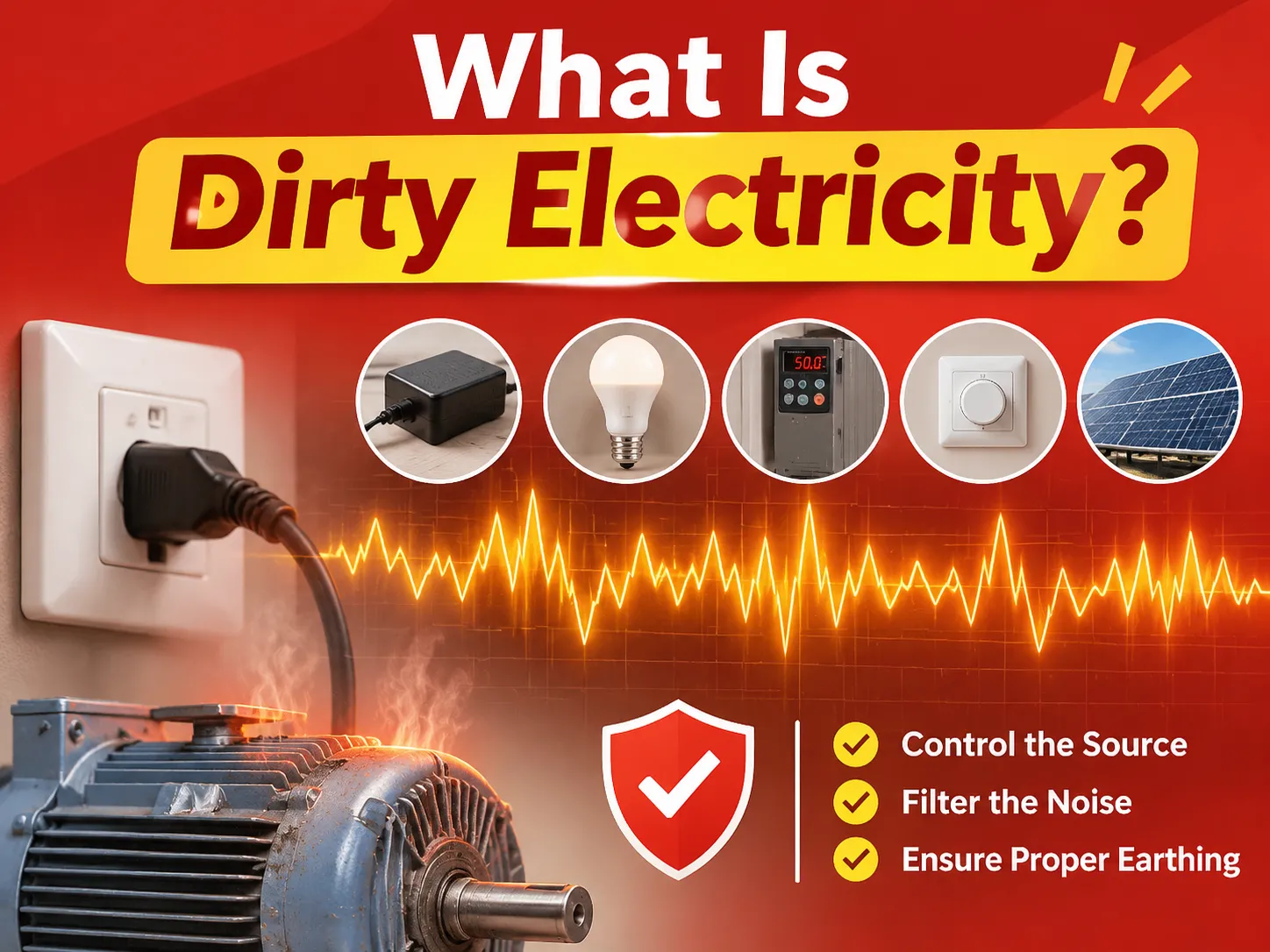
Dirty electricity is defined as the high-frequency voltage interference over the 50 or 60 Hz supply network that is largely created through the functioning of switch-mode power converters together with other loads that create high-frequency interruptions. This situation revolves around a considerable commercial aspect hinged on the sale of equipment claiming to have therapeutic properties, although no definite evidence to support these claims can be availed. It is important to deal with these two issues separately to give an adequate understanding of the topic under consideration.
Dirty electricity can be explained in the simplest form as the presence of high-frequency voltage and current noise in the range of around 2 kHz to almost 150 kHz broadband noise within the main grid system mainly attributed to the operation of switch-mode power converters, LED drivers, variable speed drives, high-frequency dimmers, solar inverters and high-frequency arcing contacts. Dirty electricity is quantified in terms of milli-volts of the high-frequency content or assessed in the form of conducted emissions as opposed to harmonic distortion. The documented effects of dirty electricity will refer to its possible influence on electronic devices such as enhanced heating of transformers or motors, nuisance tripping of RCDs, and interfering with power line transmissions. There will be no backing of claims surrounding the health implications by local authorities regarding dirty electricity. It’s recommended to control dirty electricity at its source by applying filtering and proper grounding techniques.
Details below seeks to explain the technical meaning of dirty electricity, as well as its source. It may also elaborate various impacts of dirty electricity on different equipment and devices.
From the perspective of building services engineers, there is a definition of dirty electricity that does not include the homeowner with a dirty electricity plug-in meter.
Dirty Electricity Defined in Practice
Three phenomena that can be classified as dirty electricity have different origins and solutions.
Harmonic Delaying involves a steady-state change in the shape of voltage and current waves away from a pure sine-wave value (an electrical waveform that is completely smooth) at N times the frequency of the supply going into the system. All electrical systems must adhere to a harmonic distortion limit of 5% at the common coupling point. Non-linear loads, such as rectifiers and variable-frequency drives, cause the generation of harmonic distortion.
High-frequency noise is what the majority of people would consider to be dirty electricity. High-frequency noise occurs at frequencies above harmonic distortion, specifically from 2 kilohertz (kHz) and 150 kHz, and results from the switching cycles of the internal work of the circuits of power supplies, which operate at frequencies from tens of kHz to hundreds of kHz. Harmonic analyzers cannot detect high-frequency noise, and anybody producing any kind of power quality report will not release information about this phenomenon, because harmonic analyzers will only go up to the 50th harmonic frequency.
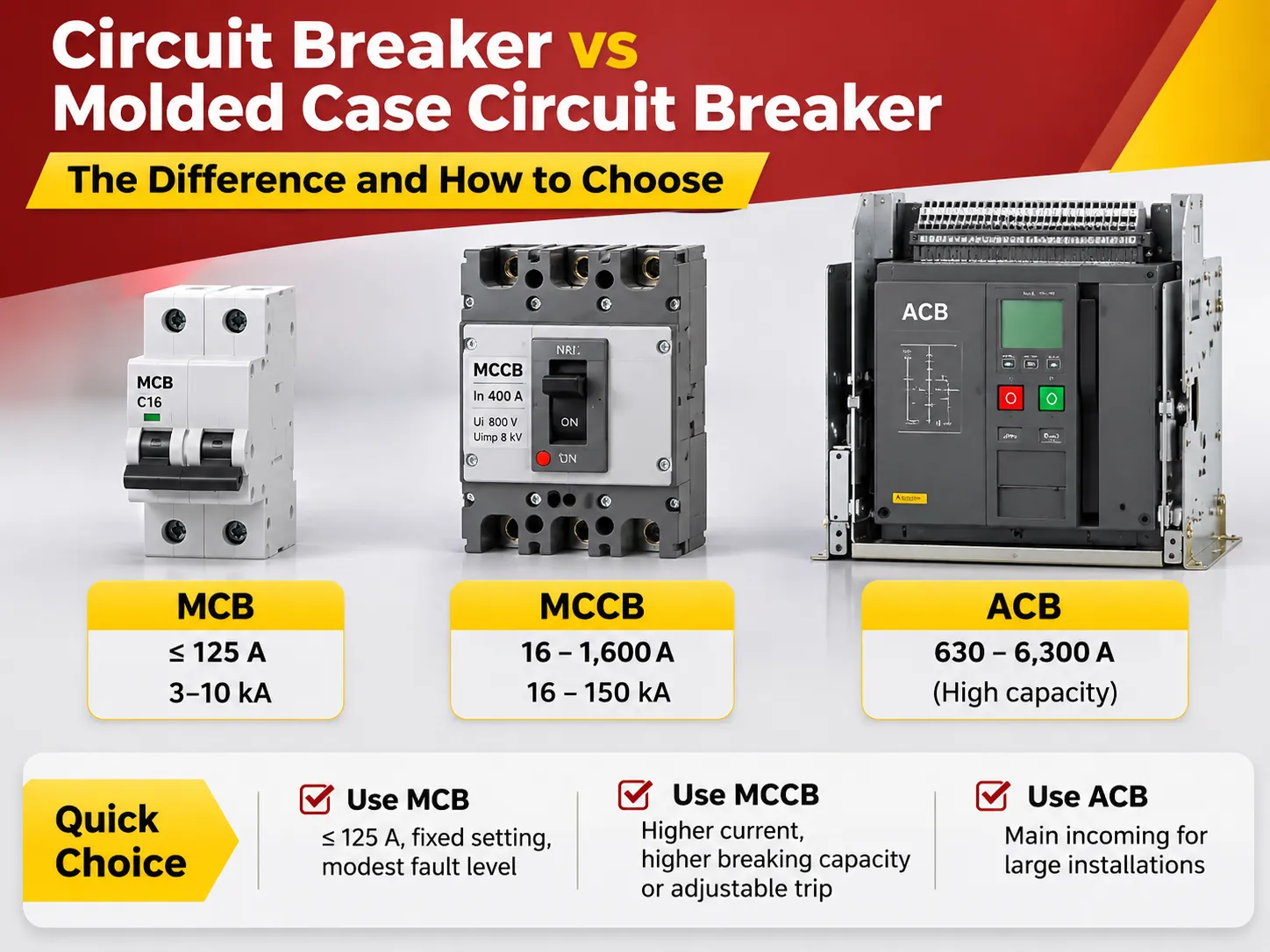
Transients are intermittent spikes in voltage that can be caused by the on/off switching of power supply circuits or lightning or arcing in the power distribution network. Transients can be controlled by using surge protection devices, without using filtering techniques. It is advisable to understand the differences between circuit breakers and surge protectors before making any purchase for the transient condition because these devices serve different functions and neither of them filters out noise with high frequency through their system.
The description of an engineer is clearly defined and is associated with engineers as the following; all instances of supply contamination that surpass levels of casual standards and inherent harmonics which cannot be accredited through normal power-quality measurements. It presents an objective classification but lacks fame compared to our earlier definition.
This Is Where It Comes In
One reason behind the role of switching power supplies (SPS) in today’s buildings functions mainly on the ground that they serve as one of the primary causes of electromagnetic interference.
An SPS provides a bridge connecting the AC supply through chopper function at high frequency and transforming the current into a DC supply. The chopper function produces sharp voltage edges producing small voltage impulses through utilization of on/off functions in the chopping operation. While a single laptop PS does not cause interference in any manner, the moment you unify hundreds of LED drivers, laptop PS and battery chargers, variable-speed drives, etc. on the same electrical panel, high-frequency voltage distortion results.
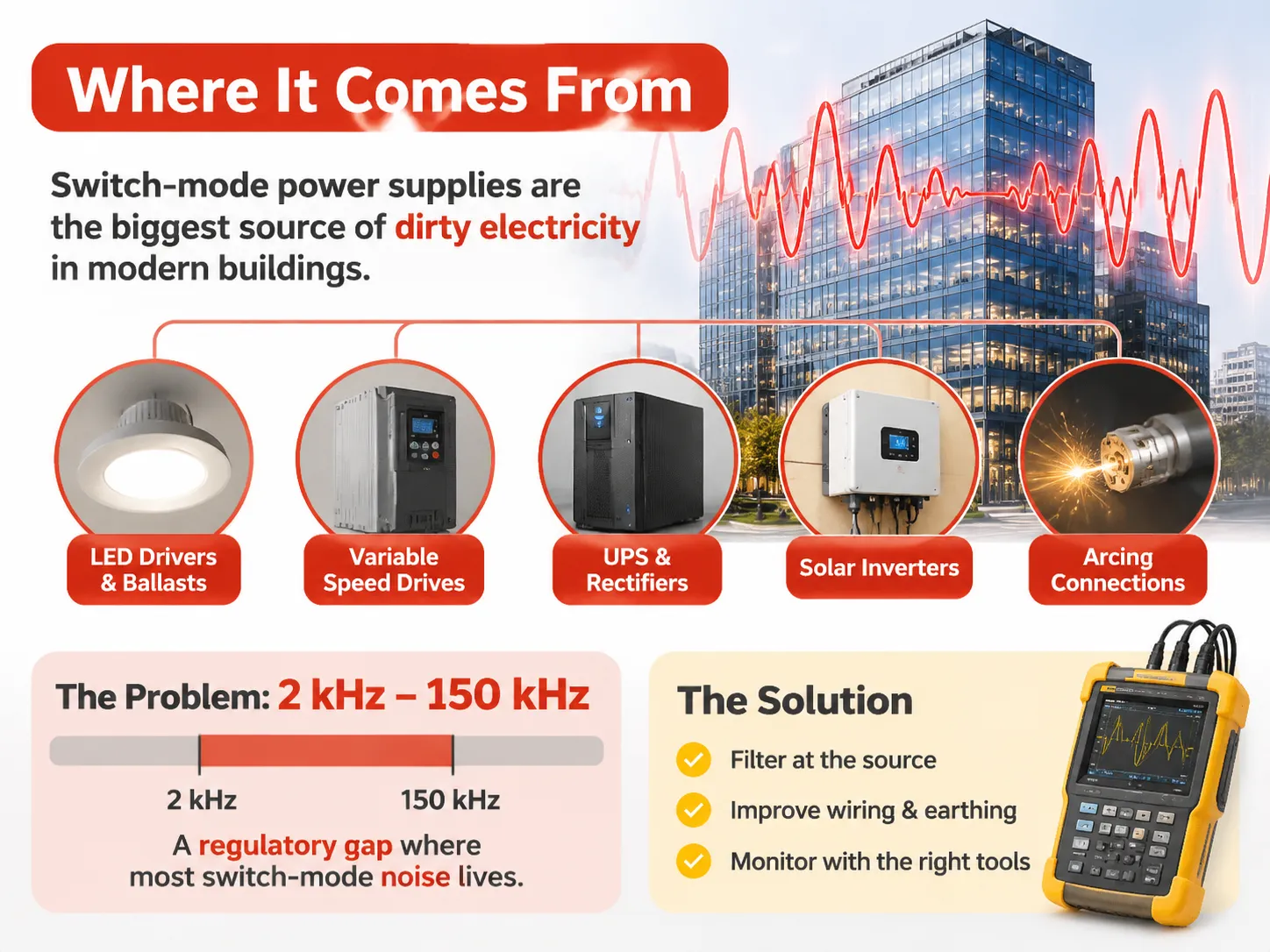
Electronic ballasts, programmable LED drivers, variable-speed drives, uninterrupted power supplies and solar inverters are five basic sources accounted for electromagnetic noise in every electrical power system. Additionally, arcing connections can also produce electromagnetic noise thus being a serious concern with regard to power quality issues.
Correct wire design is as important for controlling noise than proper electric supply. This includes using extended lengths of paired conductors, having shared neutral connections, lack of grounding and even training signal by sending them directly to the load.
Table below summarizes problem sources, impact, and actions that can be taken against it.
| Problem Source | Start Frequency – End Frequency | Impact | Standard Actions |
|---|---|---|---|
| Switch-mode power supplies and LED drivers | 20 kHz – 1 MHz | Continuous low level of noise, possible issues with communications | Filter at the source, segregate board. |
| Variable speed drives | 2 kHz – 150 kHz | Heating of motor and nuisance tripping of RCD | Use series reactance or shielded motor cables |
| Electrical arcing at a connection | Noise that appears in spikes | Burning, fire danger and erratic operation | Re-terminating, ensure correct torque and AFDD |
| Transients caused by lightning and switching operations | Transients that last less than 1 ms | Damage to equipment, excessive stress to insulation | Use surge protection systems, no filtration at this frequency. |
| Harmonic distortion | 100 Hz to 2.5 kHz | Overheating of neutral and transformer | Use load balancing methods and harmonic filters. |
Importance of 2 kHz to 150 kHz Frequency Range
There are standards for energy emissions at different frequencies for the same devices in two frequency ranges. Most of the frequency range energy emissions that fall in between 2 and 150 kHz are usually considered dirty emissions.
To start with, the emissions at frequencies lower than 2 kHz are regulated by harmonic distortion limits as established under the IEEE 519 standard in North America. Emissions at frequencies higher than 150 kHz are controlled by CISPR 11 and CISPR 32 international standards. Until recently, there was no regulation for the frequency band between 2 to 150 kHz, which includes the use of switching power supplies and frequency bands that cause buildup of noise.
Such gap in regulation is responsible for the situation described. If a product complies with the all rules or electromagnetic compatibility (EMC), it is still possible that it pollutes the environment within the frequency band of 2 to 150 kHz. CISPR 16-1-2 provides the method of measuring emissions at this band, but the enforcement of the standards used leaves many products emitting noise within the band.
Therefore, it would greatly affect building energy engineers since the measuring instrument used is generally called an electrical energy quality analyser according to IEC 61000-4-30, which is capable of measuring harmonics at the 50th or 63rd order (2.5 kHz to 3.15 kHz at 50 Hz) rather than requiring the use of high frequency current probe and spectrum analyser to report at higher frequencies.
Effect of Electrical Noise on Equipment
There are three types of effects namely thermal effects, functional effects, and communications effects that will be explained further so as not to confuse the latter two with thermal effects as to their actual costs to the user.
Thermal effects. The skin effect inherent in high-frequency signal transmission causes current to flow unevenly through a conductor, as the current discharges more heavily on the surface, and as a result of the thermal energy generated during conduction, this can lead to excessive overheating in conductors that are continually transmitting high-frequency signals. The influence of high-frequency currents on capacitor devices must also be understood since it is a leading cause of failure due to excessive power levels.
When implementing electrical designs, it is essential for engineers to consider the effects of high-frequency currents on capacitor devices because excessive heating will occur and result in premature failure.
In the power line communication systems, whether they are smart grids or electrical transmission systems, the integrity of the signal must remain intact. The presence of high-frequency noise will interfere with the performance and effectiveness of the system since it is being corrupted by interference, which is purely a communication problem.
The presence of noise is also quite commonplace in other electronic instruments in the way they can be generated through a variety of means. In the case of this noise being produced, it is not possible to attribute this back to one physical location because it is always a random occurrence.
There can be a study and analysis of the electrical arcs present in the system itself since it will identify both a cause and a
In the case of an impedence analyzer detecting interruption events whereby no audible tone is produced, this indicates a problem in tightness of electrical connection rather than an issue related to load handling. The arc fault detection device identifies the signature of series arcing and trips before ignition occurs and is therefore a different function from filtering.
The Evidence Concerning the Health Claims
This is where the subject matter goes beyond the field of electrical engineering into something more amenable to lay explanation.
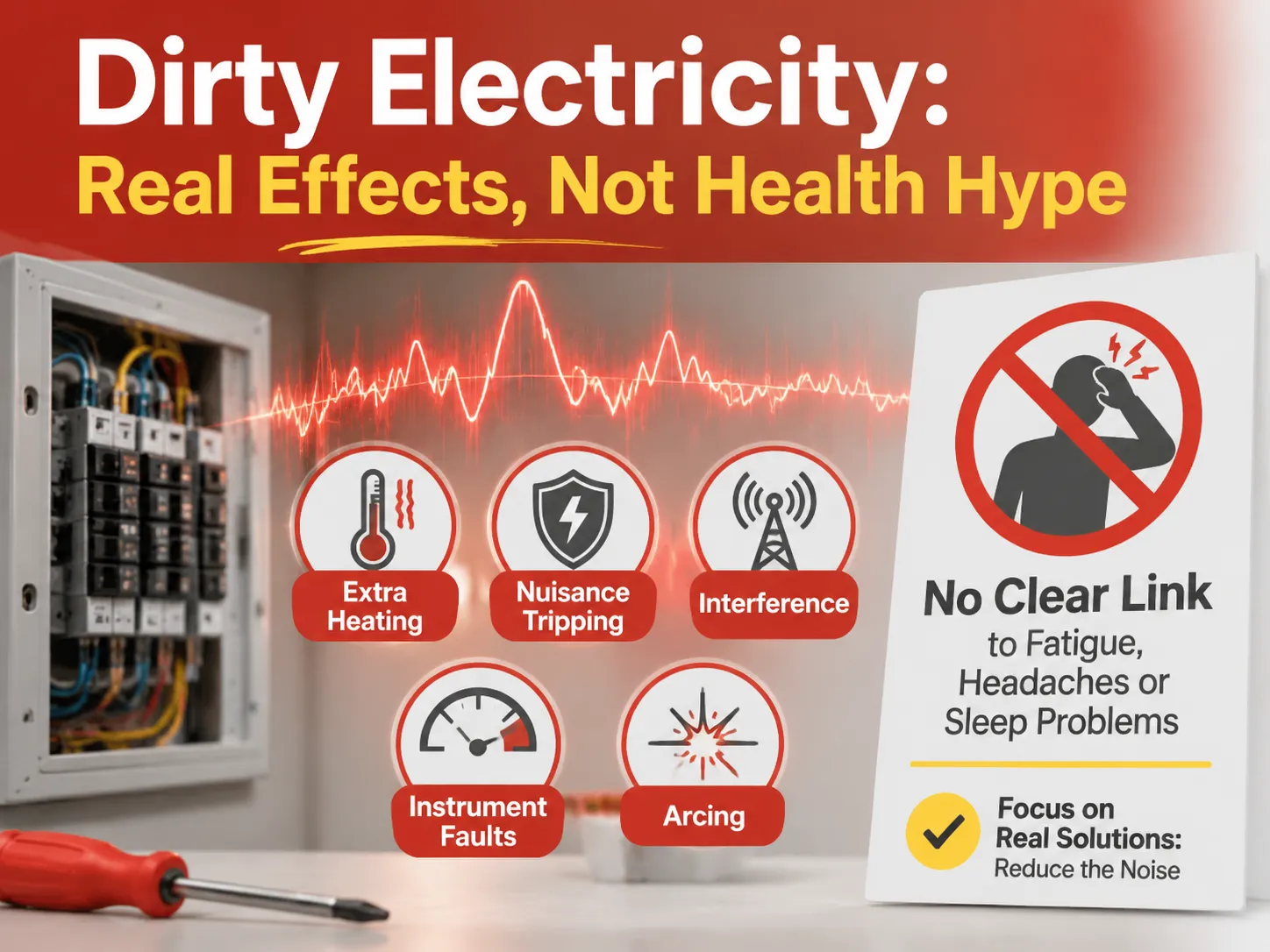
There has been a plethora of information regarding the claim that dirty electricity causes fatigue, headaches and sleep disruption among people. The World Health Organization through its reports and other national radiation protection authorities have confirmed that there is no empirical evidence to link the dirty electricity level in buildings to health problems.
An interesting phenomenon in this area is known as the nocebo effect: patients affected by this condition express their symptoms no matter the type of exposure involved. Such knowledge does not imply that they do not have any ailment but rather serve as a tool for ensuring appropriate handling of their complaints since not every remedy is effective.
One technical aspect complicating the health issue is that electromagnetic energy at high frequency does produce heating of equipment installations and causes nuisance tripping and communication interference. The rationale for resolving this interference issue is valid based on that alone.
Proper Measurement Guidelines
If there is a loss of money through measurement, it is mainly because the most reliable measuring devices give out results in terms of arbitrary units, which are impossible to compare at different locations or before and after any modification takes place.
The first measurement step involves proper power quality survey utility. The utility uses Class A equipment to collect the voltage, current measurement, harmonics (up to the 50h harmonics), flickering, and transients information for at least one week. This helps identify the problem whether it is transient, harmonic, or high frequency and serve as a basis for comparison for both utilities and consultants as data can be considered valid.
The second measurement method involves high frequency measurement. If the power quality survey has revealed the energy quality problem, then the source will be plotting kHz spectrum using a spectrum analyzer and the current probe is also a must for capturing data on 2-150kHz.
The third measurement method involves correlation with the load. Since the measurements, will take place at the time we turn the boards on and off one after another it will be easy to identify the complications within an hour.
By passing meters offering readings in fictional units can be of no assistance since they describe both current and voltage not in absolute terms, but rather in fictional data.
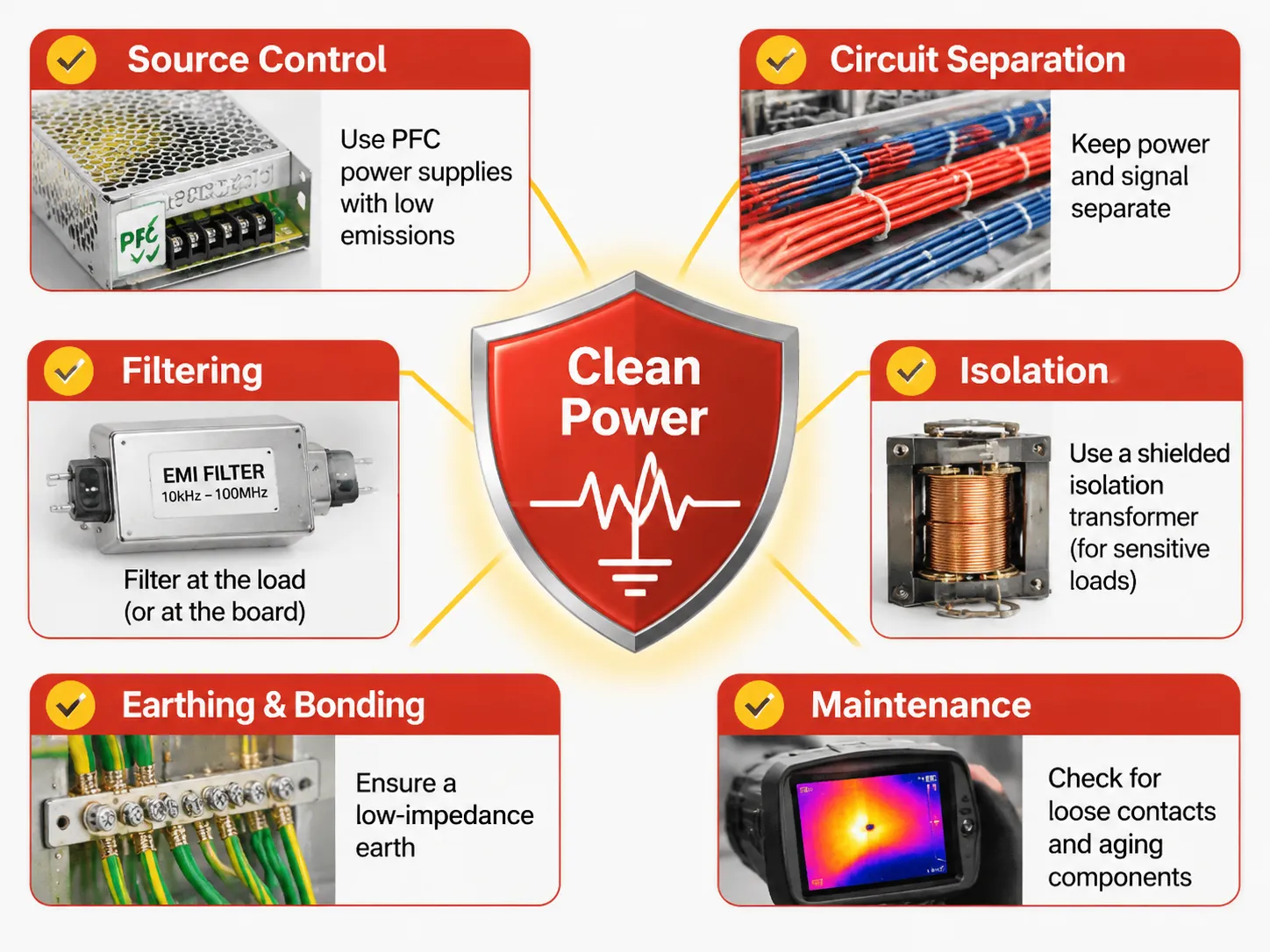
Solution: Source Control, Filter and Grounding
The need of conclusion ordering should be highlighted. Filtered noise cannot stop once the noise is produced by the source leading to continuous costs.
Source control. Utilize regulated low emissions power sources and use regulated devices in the frequency ranges specified by their manufacturers of 2 kHz to 150 kHz. In addition, stay away from having a large accumulation of low-cost devices on one common board. If you are the owner of new buildings, then this is a specification problem and there are no costs to you in this regard as of yet.
Circuit separation. Ensure heavy load circuit serving groupings do not intermingle with sensitive circuit serving groupings, including ILS circuits. Keep cables and power separated, cross them at at least 90 degrees, avoid long runs of cables in parallel as much as practical. Almost all electromagnetic interference issues in commercial building environments are easily resolved by simply separating circuits.
Final filtering. Capacitively filter before load to mitigate EMI from propagating to other devices on the same circuit board before arriving to your ILS devices but the filter must pass the insertion loss requirement – there may not be any stated point of attenuation on the data sheet if you don’t have a specific point indicated.
Isolation. From the standpoint of increasing the likelihood of successfully filtering out unwanted EMI from lab instruments and/or audio studios, shielded isolation transformers with the electrostatic shield are a good idea to consider when working with sensitive electrical equipment.
The type of protective device that should be selected for distribution boards is important, as it can help to assure that high-frequency immunity will not contribute to nuisance tripping in an existing noise problem.
Key Elements for Specification in the Design of a New Facility
In any building with major electronic load requirements, there are five necessary components that should be included in your electrical specification, all of which are less expensive in the design phase than in the compliance phase.
Establishing limits for harmonic distortion (point of common coupling) using a standard (generally IEEE 519 or similar), requires the consultant to demonstrate compliance with measurements, not calculations.
Utilizing separate panels for nonlinear loads, such as drive installations, inverted devices, and large LEDs, will lessen the impact that their operation has upon instrumentation and IT panel loads, which should be separate from each other.
Sizing of the neutral conductor should consider both harmonic currents because of the contribution of harmonic three canceling out its effects on the neutral current. Thus, the basis for the neutral conductor will be determined by the size of the fundamental current and should consider thermal effects of loads placed upon the facility.
Proof of earthing and bonding testing, such as loop impedance results and bonding tests, should be provided during the transition period.
Results of commissioning tests in the frequency range of 2-150 kHz should be used as a benchmark for current projects.
Finally, there are types of protective and distribution devices that exist within those panels on which the specifications should begin and measurements should be based.
Where HUYU Fits
We manufacture circuit breakers, residual current devices, and arc fault detection and relevant electrical components, and there are two aspects of dirty electricity that relate to this product range.
The first aspect is immunity. A residual current device that operates on high-frequency leakage is performing as expected in a wrong circuit, while the difference in products relies on the amount of noise that they can withstand before this occurs. The RCBO instruments used in final circuits have a specific high-frequency performance rating and it should be requested instead of being assumed.
The second aspect is providing protection against the cause rather than effect. An arc detection instrument functions on the arcing connection that generates either heat or broadband noise. The safe use of an efficient circuit breaker can ensure that circuit overloads never occur due to equipment producing noise.
We don’t sell filters, and we will mention that every time noise is identified instead of protection. Clean electricity supply is achieved systematically through source control, isolation, and proper grounding. Implementing a device at the distribution board is just one piece of the puzzle.
FAQ
How do I get rid of dirty electricity?
Cleaning your electricity implies eliminating frequencies in the electrical currents usually associated with certain devices producing energy voltage or currents not normally used. Any electrical device generally produces some harmonics that can interfere with the power quality of other devices, whether it be your computer, refrigerator, or any other electrical appliance. In summary, dirty electricity refers to energy produced by devices that may not normally produce such harmonics.
How can I get rid of dirty electricity?
The complete removal of dirty electricity is impossible to achieve in everyday life but you can take actions to eliminate its possible negative effects. If you worry about the health issues associated with electromagnetic fields, you should definitely think about using cell-phones, having a wi-fi connection at home and doing so many other things affecting the electricity.
When it comes to reduced effects of dirty electricity levels, you can start by upgrading your electric system as indicated above, by switching off any unnecessary devices, re-calibrating your transformer system, adjusting your equiptments so that they draw the least amount of power possible, i.e. making sure you have an adequate ground and using filters. Finally, if none of the above proofs satisfactory, then there is no option but to call in a professional
The source of the dominant high-frequency electrical noise in the voltage supply and current signals above the harmonics is mostly derived from the various devices including switch-mode power supplies, LED drivers, variable speed motors and inverter ends. The problem comes in owing to the fact that some users have been known to refer to harmonic distortion and transients as electrical noise. One of the best ways to view electrical noise is to understand how it relates to the normal contamination whose measurement cannot be done by any standard power quality meter.
Is there a myth in relation to dirty electricity?
Dirty electricity is indeed a health issue. The World Health Organization and governments have yet to provide any consistent proof that the accumulated levels in buildings are responsible for any of the claimed conditions. Furthermore, there has also not been any provocation testing that has confirmed that even highly sensitive individuals would be able to discern whether or not they were being exposed to the dirty electricity. While there is proof of engineering effects, there is no suing of health related claims which makes it harder to propagate the true engineering statement.
References
- Behler-Young – Dirty Electricity: What Can It Do
- Schneider Electric – Dirty Power: What It Is and Why You Need to Clean It Up
- UL Solutions – Power quality and protective device standards
- NEMA – Low Voltage Distribution Equipment and Power Quality
- Hitachi Energy – Power Quality and Grid Stability
Conclusion
Dirty electricity exists in the engineering world but the commercialization of it has led to a misunderstanding on how serious the effects of this phenomenon actually are. Dirty electricity does produce noise related challenges but the alleged health effects from it are baseless. Anyone who adopts a health perspective based intervention will simply be wasting resources on an instrument with little value.
Dirty electricity should be viewed more as power quality in which three aspects have to happen: proper measurements, proper separation of the other sources and then filtration after that. In new buildings it will be useful to ensure that the designs include provisions for distance measurements and neutral sizing because it will ensure that there are no unnecessary expenses down the road.