

Every commercial establishment – including offices and data storage centers – runs on a hidden electrical nervous system made up of distribution panels, breakers, backup generators, and building management systems (BMS) that control operations throughout the facility. The assistance provided by these systems is known as building management electrical services. This article covers information on what services these include, who provides them, which companies manufacture the materials needed for performing the service, and how to choose the best such service for your building.
Concise answer: Some companies which specializing in electrical services can deal with the problem mentioned above, for example, such American companies as EMCOR, Rosendin, and Cupertino Electric and companies providing BMS services, like Johnson Controls, Siemens, Honeywell, and Schneider. Additionally, some manufacturers of electrical systems and producers of switchboards are also capable of providing a solution (one of such companies is HUYU Electric from China, which was founded in 1989 and is a partner of Eaton within the company’s international partnership program and its electrical devices are certified in accordance with UL, KEMA, TUV, and CE standards). The prices for electrical services offered by different companies vary within a range of $100-$200 per hour, which allows to save 20-30% on electricity cost in 2-5 years.

What Building Management Electrical Services Include
Electrical services for building management are divided into eight categories, and a building typically purchases most of these services and equipment from different suppliers.
| Service Area | What It Covers | Typical Provider |
|---|---|---|
| Power distribution | Service entrance, panels, breakers, feeders, sub-distribution | Electrical contractor |
| Lighting and controls | Fixture installation, lighting control panels, daylighting, emergency lighting | Electrical contractor / lighting specialist |
| Emergency power | Standby generators, automatic transfer switches (ATS), UPS systems | Electrical contractor / generator dealer |
| Life safety | Fire alarm systems, smoke control, emergency and exit lighting | Fire/electrical specialist |
| Security and access | CCTV, access control, intercoms — powered and integrated | Low-voltage integrator |
| BMS / building automation | HVAC, lighting, and metering on one monitoring platform | BMS specialist (JCI, Siemens, Honeywell) |
| Energy management | Sub-metering, demand response, power monitoring, solar/EV integration | Energy services firm |
| Maintenance and service | Preventive maintenance, 24/7 repairs, testing, upgrades | Electrical contractor / service division |
Today’s buildings use these services to source their information through building management systems where different devices communicate using BACnet or Modbus protocols so that the facility manager can use the information for scheduling, troubleshooting, and monitoring energy usage in real time. A successful combination of technical devices is essential here since it reduces power consumption of the HVAC system by around 20-30%.The electrical panel replacement cost guide covers the core distribution upgrade most buildings eventually face.

What HUYU Provides and Solves
When a contractor puts in a panel or a breaker, it is the manufacturer that is behind them, and that is where HUYU Electric comes into play in the building management association. HUYU (Huanyu High-Tech, 1989) is a low-voltage electric manufacturer with a modern production base of 69,513 m² and around 700 employees, along with more than 35 years of experience in R&D and production, and the most important aspect of the production chain is the partnership with Eaton. The product portfolio of the company consists of several groups of products for the operation of a building’s electrical systems:
- Miniature Circuit Breakers (MCB) from 6A to 125A with one to four poles, the most widely used type of equipment for every electrical assembly board.
- Molded Case Circuit Breakers (MCCB), Residual Current Circuit Breakers (RCCB), and Residual Current Breakers with Overcurrent protection (RCBO) — primary circuit breakers for circuit protection.
- Low voltage magnetic switches, disconnection switches, loads, and equipment for the modern buildings.
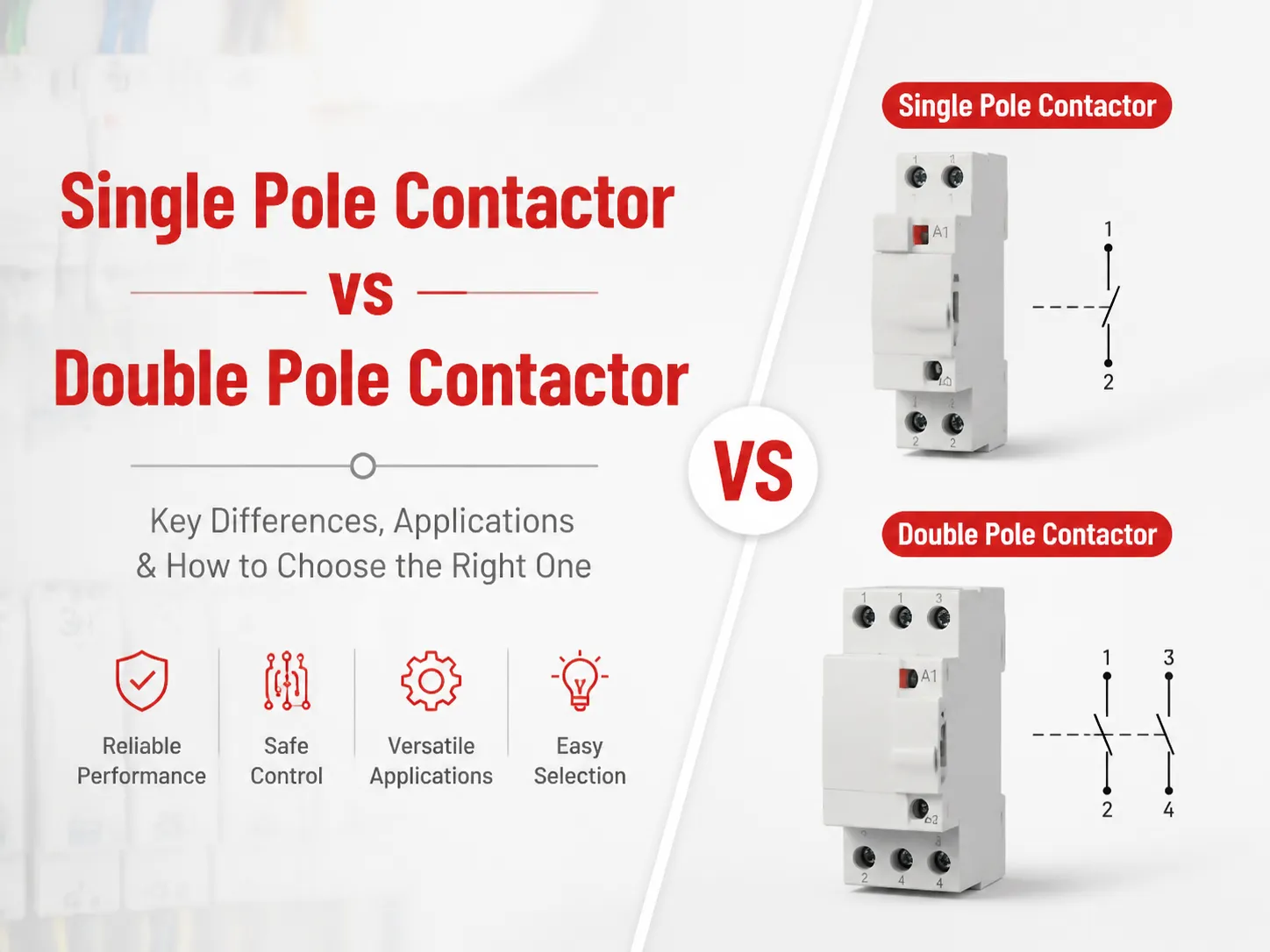
- Contactors, relays, measuring transformers.
- PV combiner box — rooftop solar system component.
HUYU Electric is certified by TUV, KEMA, UL, CE, CB and IEC standards and provides the delivery of its products worldwide. For building owners and facility managers, the practical relevance is simple: the certified breakers and switchgear inside your panels are what keep a building running and its inspections passing, and the UL 489 breaker guide explains why breaker certification is the quiet backbone of every distribution board.
The Major Providers and What They Offer
There are four categories of service providers available to render electrical services for building management, which will help you in selecting the suitable service provider for these services:
| Provider Type | Examples | What They Do Best |
|---|---|---|
| National electrical contractors | EMCOR, Rosendin, Cupertino Electric (US); SPIE, Equans (Europe) | Large distribution, fit-outs, data centers, emergency power |
| BMS / building automation firms | Johnson Controls, Siemens, Honeywell, Schneider Electric, Trane | HVAC controls, energy management, system integration |
| Regional licensed contractors | Local C-10 holders and IBEW signatories | Tenant work, maintenance, retrofits, service contracts |
| Component manufacturers | Eaton, ABB, Schneider, Siemens, HUYU, Chint | The breakers, panels, and switchgear every installer uses |
The national contractors are the generalists of scale — the firms that wire a hospital or a hyperscale data center and maintain it afterwards, such as the firms profiled in our Manhattan electrical contractor guide. The BMS companies are the masterminds behind electrical services since the top products today are sourced from companies such as JCI, Siemens, Honeywell, and Schneider. In particular, JCI leads in the integration of HVAC systems across North America; Siemens is well-known for its large infrastructures, and Honeywell for creating cloud-supporting systems.

Component and System Brands Around the World
The global brand map of building electrical components can be helpful to those engaged in purchasing:
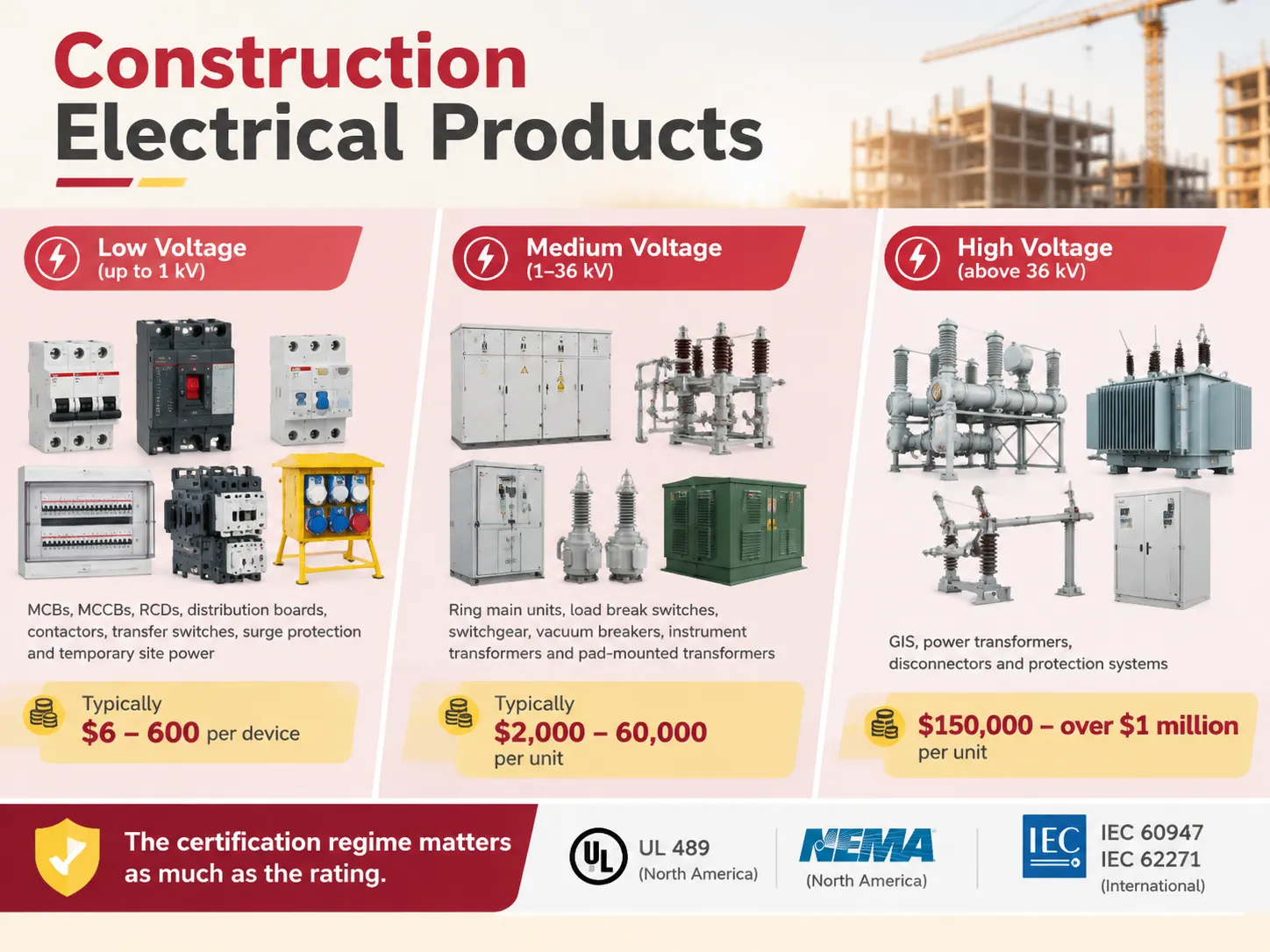
- US/Europe premium tier: Eaton, ABB, Schneider Electric, Siemens – complete low-voltage portfolios with global certification and high price.
- Asian volume tier: HUYU, Chint, Delixi, and others – certified alternatives sold at direct factory prices or more frequently supplied to distributors and project purchasers globally.
- BMS platforms: the five notable brands are Siemens (Desigo), Johnson Controls (Metasys), Honeywell (Forge), Schneider (EcoStruxure), and Trane (Tracer): the choice usually depends on the existing infrastructure rather than on the company’s advanced technologies.
Building management purchasing takes place in stages, where the BMS platform integrates, the contractor installs, and the manufacturer certifies the components. For the specification side of that question, the certified options in practice are plain to see: the HUYU HUM18-63N MCB range shows what a 63A miniature breaker line with documented test data looks like, and a distributor’s datasheet tells the rest of the story.
Costs, Timelines, and Payback
The expenses associated with electric service installations absolutely differ depending on the scope, although planning parameters are largely similar:
| Service | Typical Cost | Notes |
|---|---|---|
| Commercial electrician labor | $100-200/hour | $125-200 in high-cost metros; masters higher |
| Panel upgrade (100A to 200A) | $2,500-6,000 | Most common retrofit |
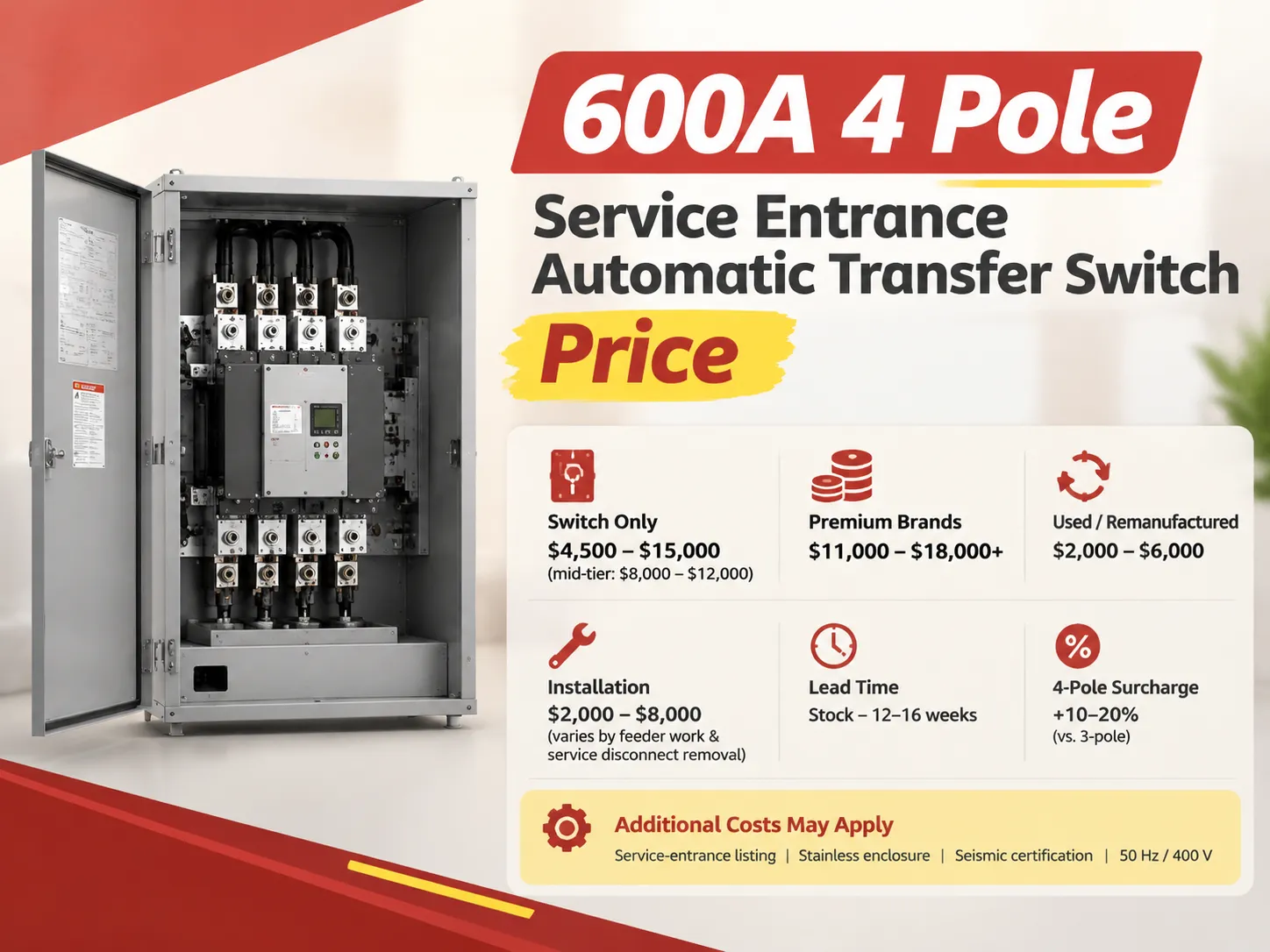
| Standby generator installed | $4,000-20,000 | Whole-building units, authorized dealer |
| BMS installation (per point) | $300-1,500 | Controls + commissioning |
| Preventive maintenance contract | $1,500-15,000/year | Scales with building size |
Infrastructure planning complies with the scope of work: panel changes may take one to three weeks with the permitting process, while generator installations may take from four to ten weeks. Doing a complete building management system retrofit for a large premises may take from three months up to a year. The justification for the expenditures follows from the logic behind payback: energy management initiatives together with building management systems may save up to 20-30% of HVAC energy as well as the safety upgrades required by the code have to do with fire losses that are far greater than the investment.The GFCI protection guide explains one of the code layers every building manager ends up specifying.
How to Choose the Right Service for Your Building
The correct service depends on the stages and type of the building; a checklist based on the circumstances is much better than a catalog:
- When it comes to new construction or significant installation of new equipment, it is advisable to hire a nationwide or large regional electrical contractor familiar with the kind of building in question (for instance, office, hospital, data center); make sure to ask the contractor for reference projects with a similar scale.
- If the building has already been constructed but it has energy or comfort issues, it is more likely that the problem is with the controls rather than wiring; therefore, it would be wise to acknowledge the problem and hire a BMS expert to help audit the system and retrofit as needed before getting involved in distribution.
- If the emergency power is needed (critical load), make sure to hire a contractor who is an authorized dealer for generators; make sure to check load calculation to properly size the generator, ATS, and panel as one system.
- When it comes to code changes and safety, it is better to hire a licensed local contractor who has a good inspection record; confirm that the contractor has all necessary licenses and permits.
- During operations, make sure to sign contracts on preventive maintenance that include specific requirements for testing as well as thermal imaging; also, require the use of certified equipment for repair works.
As for all the mentioned scenarios, three steps have to be taken in order to verify the contractor: ensuring the contractor has a license and insurance, obtaining a detailed quote, and requiring them to use certified equipment for their repairs.
FAQ
What are electrical building services?
Electrical building services refer to the systems responsible for giving power to the building and safeguarding it: power distribution systems (including panelboards, switching devices, and power rails), lighting systems and their control, emergency power and power supply systems (such as generators, automatic transfer switches, and uninterrupted power supplies), life safety, and fire alarm systems, as well as security power sources, building management system (BMS), and energy monitoring. Together with building systems, electrical building services ensure that energy is correctly supplied to the building and that the building remains safe, comfortable, and environmentally friendly.
How much does a commercial electrician cost per hour?
The hourly rate of commercial electricians ranges anywhere from $100 to $200 (as of 2026), with the rate in expensive cities (San Francisco, New York) accounting for $140-260. The highest-paid position among commercial electricians is that of foremen or masters in the field. Unlike the hourly charge in residential projects, commercial charges are mainly published as flat rates per project or community-wide (new construction rate is generally $4-15/sf).
Who is the biggest electrical contractor in Ohio?
Superior Electric (The Superior Group), located in Columbus, is above other employers since it trains over 2000 IBEW/NECA electricians and provides electric services to hospitals, data stores, and various types of public organisations at scale. Mid-City Electric (the company that became employee-owned back in 1960) is a leading organization in central Ohio in terms of electrical industry and tele-data sector.
How many electrical services can a building have?
There is one service entrance from utility, but big buildings can have several services depending on their scale and/or functionality, as well as on the requirements of the law. High buildings and mixed-use buildings can have separate services for its life safety systems, its HVAC compartment and all tenant units with separate panels and meters as well.
References
- Holaday-Parks — Building Automation Services Overview
- Five Star HVAC — Building Automation Systems Guide (BMS Platforms)
- AKU Fan — Best Commercial Electricians in Columbus, Ohio
- Newland Electrical — Building Management System Services
- Rosendin — Electrical Contractor (San Jose HQ)
Conclusion
The electrical services in new buildings are comparable to a nervous system as it consists of distribution, lighting, emergency power supply systems, fire-protection, energy management system integration, energy management, and upkeep which are provided by various contractors as well as building management system providers. The first ones provide installation services, while component suppliers ensure safety and function of different systems levels by providing certified breakers and switchgears. The data related to costs involved are $100-200 per one hour of work, $2,500-$6,000 for panel upgrading, $4,000-$20,000 for generator installation, and savings up to 20-30% on energy costs during 2-5 years of payback period provided building management systems solutions are used. It is important to define criteria based on provider type responsible for various stages of building development.