

If you are an inhabitant or employee of Manhattan, you probably know that the building was constructed before the Second World War, the walls made of plaster, and that for the tenant to engage in renovations, an alteration agreement is to be signed as well as having Con Edison cease operations on your panels. Using the services of an electrical contractor in this area differs from the process in other parts of the United States, where people can consult on this matter online. In this article, you will find out which companies offer electrical services in New York City, how much their work costs, how long a project would take, and how to choose one in accordance with the latest trends where more and more companies provide electrical services alongside the installation of backup generators.
Quick response: Prices for electricians in Manhattan are generally very high in comparison to rates throughout the country. Rates in the borough usually range from $95 to $160/hour, depending on the type of work performed. For example, the average cost for a regular panel upgrade range from $1,500 to $5,500, the price for remediation of knob-and-tube wiring is about $4,500 – $12,000 per floor, and full re-wiring jobs costs around $12,000 to $30,000+. Among the companies providing electrician services here are Apollo Electric, AE Electric and Davenport, both doing residential jobs, as well as union contractors like IBEW Local 3 and commercial companies like EMCOR.
Why Manhattan Is a Different Electrical Market
The search term “Manhattan residential commercial electrical contractors” signals that residents are aware that electrical jobs in Manhattan require a unique set of conditions to carry out the work. There are three major aspects that drive the costs in Manhattan higher than other areas of the American Northeast by at least 30-45% while complicating the jobs as well.
- Old buildings record. Old buildings dominate the Manhattan landscape, indicating that additional work will have to be put into a replacement of old wiring, which takes much more time as compared to conventional wiring.
- Approval from co-op and condo board. Most buildings may require an alteration agreement and board approval before electrical work is undertaken. It is necessary to reserve 2-6 weeks for this purpose.
- Cooperation with Con Edison. Any work performed on the service entrance must be scheduled with Con Edison, which may take additional 1-3 weeks and up to $500 in charges for coordination.
One must also take into consideration the required payment of the IBEW Local 3 wage rates and NYC DOB Master Electrician Licensing. Hence, Manhattan is not a budget-friendly location; it is better to use the services of licensed specialists who can help you.

Residential Contractors in Manhattan
Home electrical work in Manhattan includes co-op buildings, brownstones, and townhouses. The top recommendations from such professionals in the city are as follows:
| Contractor | Strength | Typical Scope |
|---|---|---|
| Apollo Electric | Licensed since 1995; high-end residential and commercial; emergency service | Panel upgrades, recessed lighting, EV chargers, whole-house surge protection |
| AE Electric | Flat-rate written quotes; 7-day service across all five boroughs | Rewires, panel upgrades, EV chargers, generator installation |
| Daven Electric | Long-standing residential specialist with strong co-op references | Outlets, switches, lighting, panels, service upgrades |
Each of these companies holds a master electrician’s license, possess knowledge about the Department of Buildings permits, and is skilled in negotiating Any alteration agreement, as well as scheduling freight elevators for their work in the buildings. In case of minor jobs like changing an outlet or a fixture, clients should pay a service fee which ranges from $150 to $250 before the actual price of the job is charged.The electrical panel replacement cost guide explains the single most common upgrade in older Manhattan apartments.
Commercial Contractors in Manhattan
Two types of organizations are in charge of commercial electrical work—office complexes, retail businesses, restaurants and mixed-use buildings—namely union contractors who belong to IBEW Local 3 and large nationwide firms based in Manhattan. Local 3 regulates its workers according to the rates of union payrolls and apprenticeships, hence being the standard requirement for all jobs of a considerable size that must be done in this borough.
| Contractor | Profile | Typical Work |
|---|---|---|
| EMCOR Group | Fortune 500 facilities-services giant with a strong NYC electrical division | Large commercial fit-outs, data centers, building systems |
| IBEW Local 3 contractors (e.g., Forest Electric, Five Star Electric) | Union signatories with deep DOB and Con Ed experience | Office build-outs, retail stores, restaurants, elevator work |
| Midsize licensed firms | 20-100 electricians, faster responsiveness than the giants | Storefronts, tenant fit-outs, maintenance contracts |
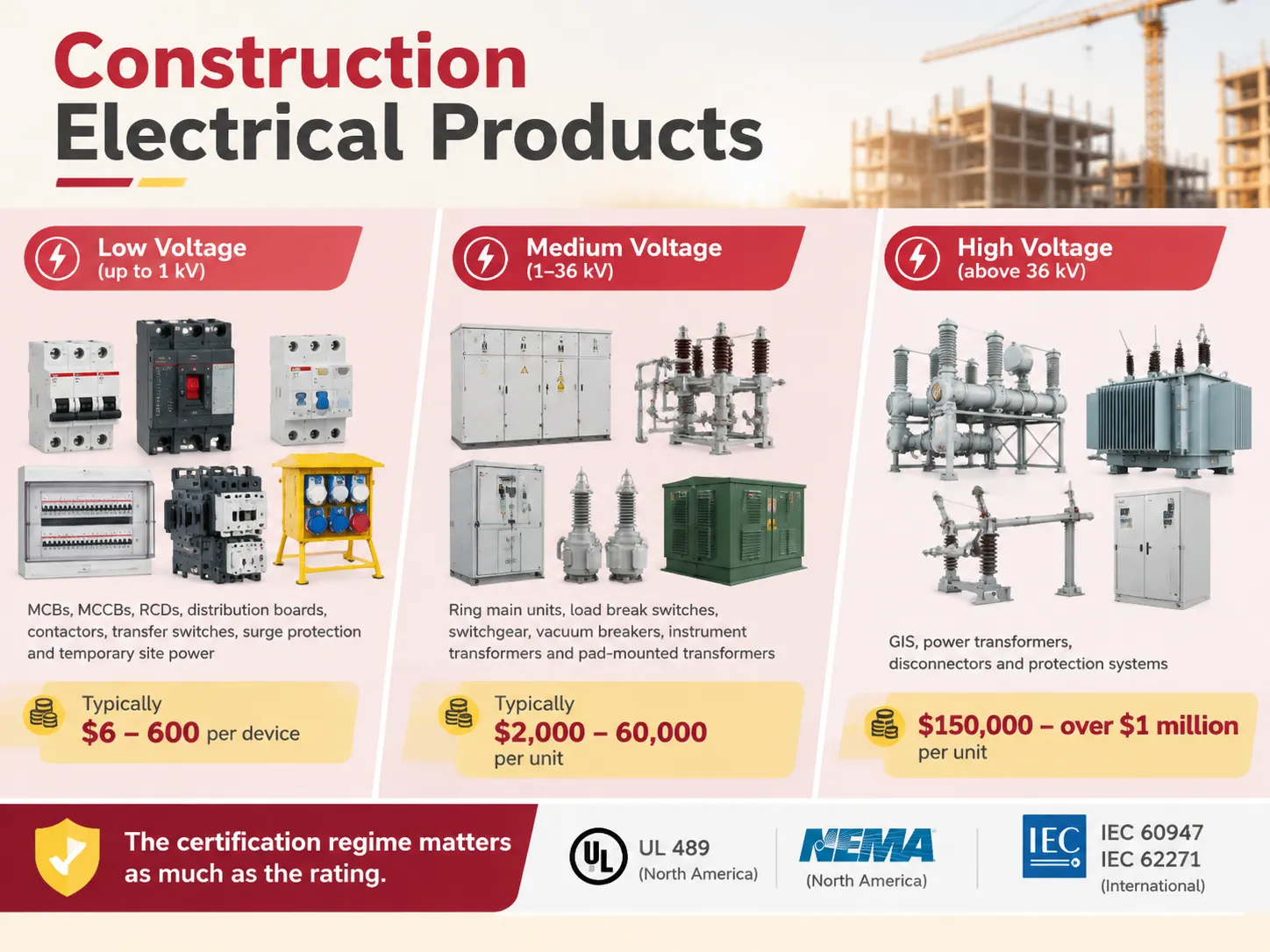
In practice, for commercial occupiers the desirable list would be 2 or 3 midsized licensed companies that can respond to a request in several days rather than the weeks. Each candidate company needs to be requested for the reference projects in the relevant building type, for instance, if a company has done a couple of restaurants, it is expected to know the exact DOB and FDNY requirements which the general contractor does not know. If your commercial project involves a panel or breaker change, the component quality matters as much as the crew: the UL 489 breaker guide covers what certified breakers are and why inspections care about them.
What Work Costs in Manhattan (2026)
Market research for 2026 has just been released and it puts Manhattan as a leader amongst all districts within NYC. The chart below summarizes approximate pricing of popular work:
| Job | Typical Cost | Range |
|---|---|---|
| Service call / diagnostic | $185 flat | $150-250 |
| Licensed electrician (hourly, Manhattan) | $95/hr | $71-160 (emergency $145-195+) |
| Outlet or GFCI replacement | $210 per outlet | $150-325 |
| Light fixture installation | $275 per fixture | $175-450 |
| Dedicated circuit (AC, dryer, oven) | $825 per circuit | $450-1,400 |
| Panel upgrade 100A to 200A | $3,900 flat | $2,800-5,500 |
| EV charger (Level 2) installation | $2,100 flat | $1,200-3,500 |
| Knob-and-tube partial rewire | $7,500 per floor | $4,500-12,000 |
| Whole-home rewire | $18,500 flat | $12,000-30,000+ |
There are three basic rules when it comes to budgeting in the borough. Firstly, always get a written itemized quote as the best practice in NYC is to do flat rate quotes that include permits and that hourly pay must be avoided when doing larger jobs without any written “not to exceed” estimate. Secondly, check whether DOB fees ($150-$800 depending on job) are included or not since many quotes don’t cover them. Lastly, it’s smart to create a cushion of 10-20% because pre-war buildings tend to have surprises hidden behind the walls.For the breaker-level failures that trigger so many service calls, the circuit breaker replacement cost guide gives the current pricing picture.

Standby Generator Services
As an effect of storms that shut down power to entire neighborhoods, generator use has increased vastly in Manhattan, and the term “electrical contractor with generator services” has become quite popular. An automatic standby generator that powers homes can be bought at approximately:
| Component | Typical Cost |
|---|---|
| Standby generator (whole-home, installed by authorized dealer) | $4,000-20,000 |
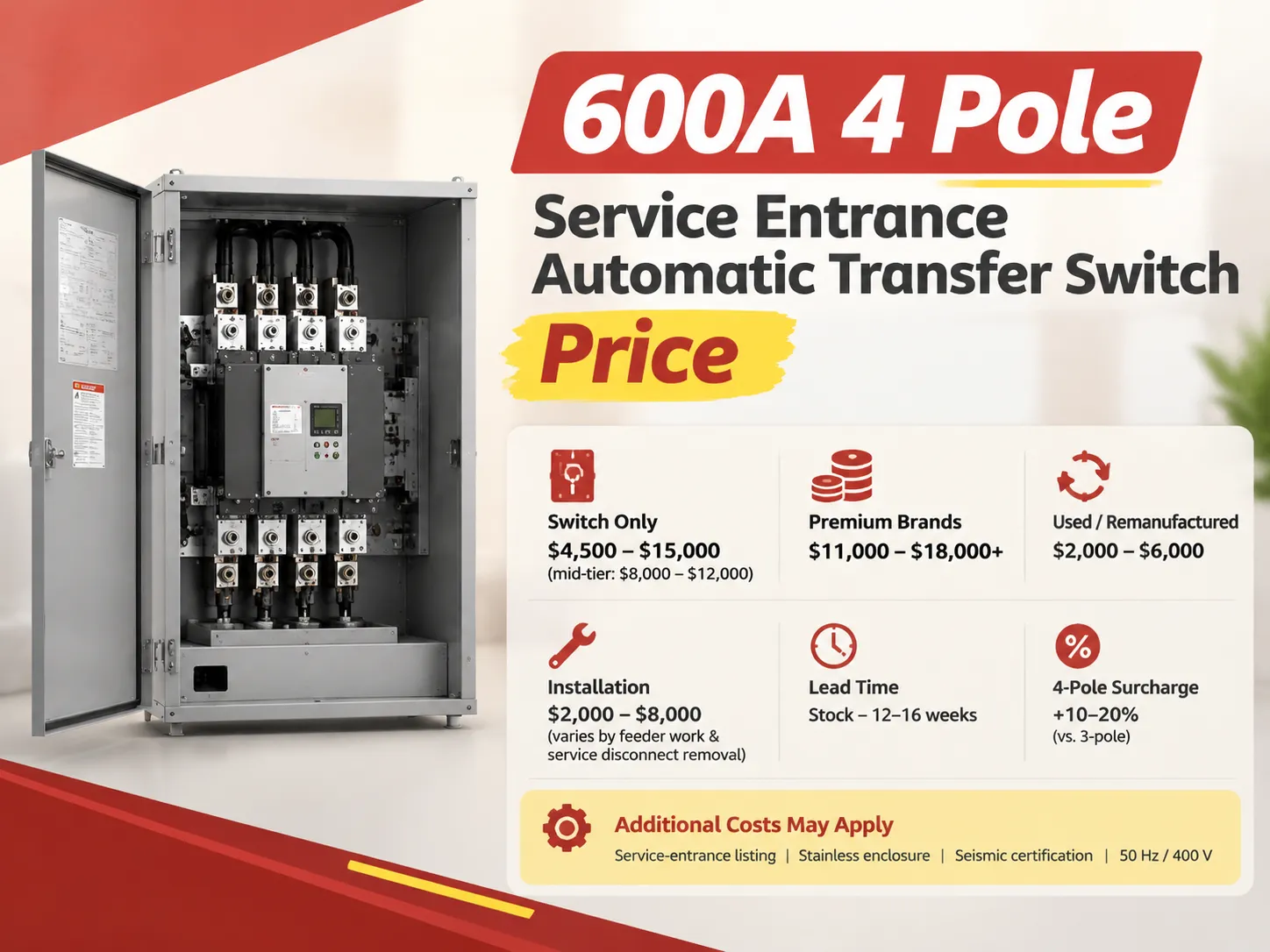
| Automatic transfer switch (ATS) | $400-3,000 |
| Electrical + gas permits (combined) | $400-800 |
| Annual maintenance (oil, battery, filters, load test) | $150-600/year |
Three important points to make regarding generators in Manhattan. First and foremost, not every electrical contractor provides generator services — it is important to work with a certified generator service provider, as this is important for the warranty. Second, it must be noted that electrical and gas permits and Con Edison transfer switch cooperation are required to operate generators in NYC, and any contractor who claims otherwise is violating the regulations. Third, the generator has to be sized according to a load calculation and not just according to the square footage.The wet-location and ground-fault rules that govern outdoor equipment apply here too, and the GFCI explainer is worth a read before you approve an outdoor installation.
How Long Projects Take
In Manhattan, timelines are determined more by the approvals process than by the work itself:
- For small jobs (outlet, fixture, and switch), it’s typically 1 to 2 weeks ahead, with an on-site time of 1-2 hours.
- For panel upgrades, and service changes, it will be anywhere from 2 to 6 weeks overall. All of this includes the approval process from the co-op board and scheduling with Con Edison. Actual work takes an additional 1-2 days.
- With rewires, expect time frames of 3 to 8 weeks based on floors and accessibility requirements and the first couple of weeks going towards the approval process.
- For a generator installation, expect to spend anywhere from 4 to 10 weeks waiting for the permits, gas work, and utility work to be scheduled.
Don’t hesitate in asking a contractor to put down what they are promising in writing before signing anything. A contractor who says that rewiring a pre-war apartment will take a couple of weeks has either never done such a job or is lying.
How to Choose the Right Contractor
The checklist for hiring the right contracting company in Manhattan and not making a mistake:
- Be sure to check licensing with the DOB BIS. NYC requires the master electrician license. Using the DOB Building Information System, you can verify the licensing of the company, and any complaints against it within minutes. A contractor without a license cannot apply for a permit, and this puts your insurance coverage at risk.
- Confirm insurance with at least $1 million in general liability and workers’ compensation coverage. In a densely populated area, you do not want to inherit the costs from an accident.
- Ask for at least two written estimates for any work over $1,000. Compare estimates both by work being offered and the prices quoted. The cheapest may involve the lowest workload as well and you may end up paying for the permits, materials, and coordination with Con Ed.
- Get the statement on permits in writing. Unpermitted work may result in stop-work orders or fines which could complicate your sales.
- Check for any prior experience with co-ops if you live in one. The company should have experience dealing with permits with the type of your building.
- Demand warranties in writing — good companies honor their work for at least a year.
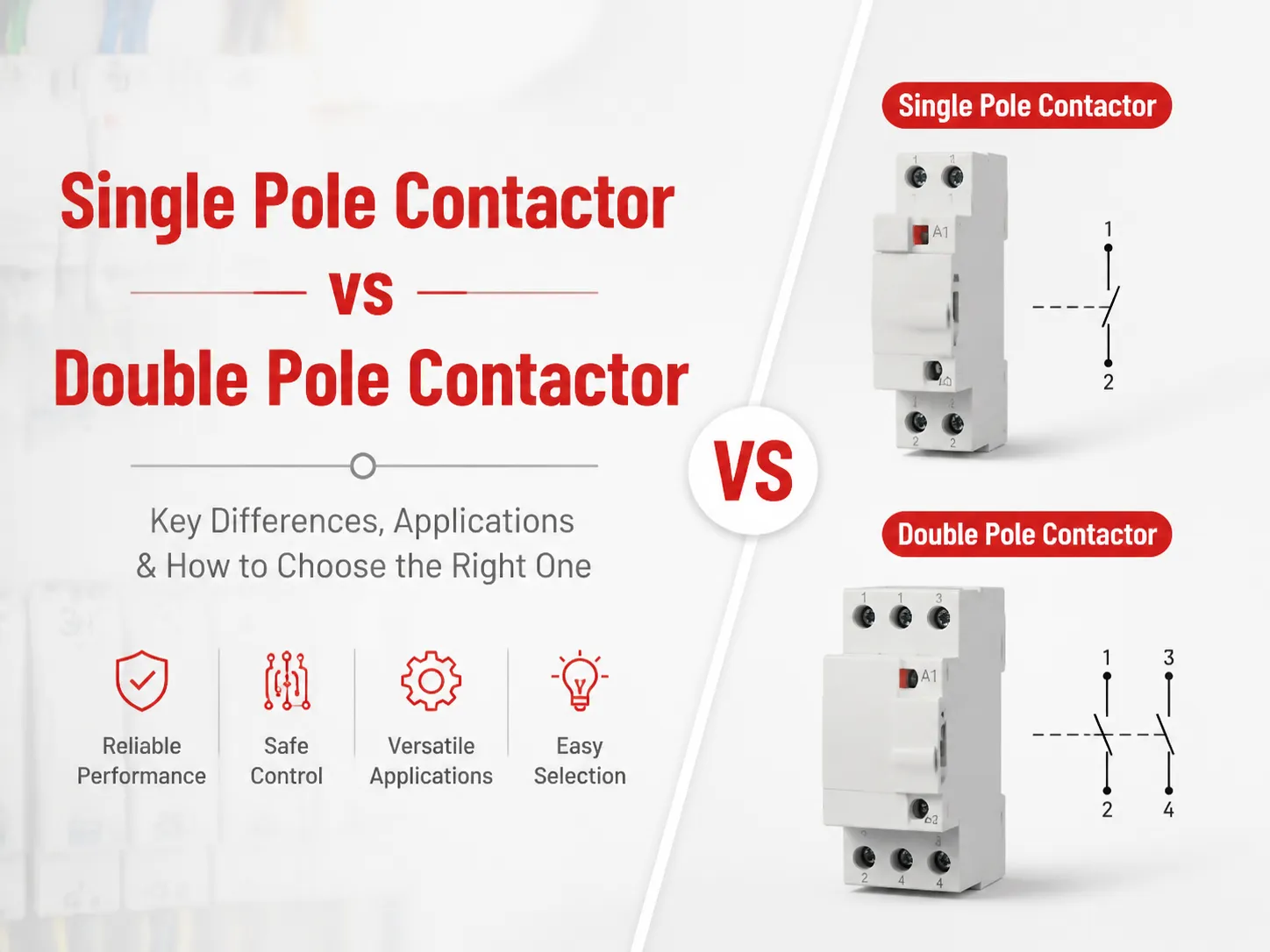
Make sure to ask about the origin of the materials. The breakers, panels, and protective devices have to come from factories produce the electrical systems safely for years.This is exactly the kind of due-diligence question the single-pole vs double-pole breaker guide helps you ask intelligently.
FAQ
Who are some reputable commercial electrical contractors in New York City?
In terms of large projects, EMCOR Group is the major Fortune 500 company while unions like IBEW Local 3 employ firms like Forest Electric and Five Star Electric for various commercial jobs. Looking for tenant and storefront work? You should contact smaller licensed companies that have DOB master licenses. They usually meet your requirements, including speed and price. Make sure to check the license before contacting the contractor you are interested in.
Can residential electricians do commercial electrical work?
The licensure system in New York makes a difference. Every master electrician can become one with a master license. However, many residential companies with master licenses do not possess neither the crew and necessary commercial liability insurance, nor experience required for commercial jobs. In addition, commercial works have a different set of requirements as compared to residential ones. Therefore, the answer is simple: hire a smaller company that is specialized in your type of job.
How much do electricians charge for commercial work?
Commercial electricians in New York City usually charge from $100 to $200 per hour depending on the specifics of the task and their union status. In most cases, the contractor will quote you a flat rate for finishing a commercial project. Since the electrical jobs in commercial construction require at least 2-5 electricians plus crew supervisor, it is recommended to ask for a flat rate instead of hourly wage.
How much does an electrician charge per hour in NYC?
Generally licensed electricians charge from $100 to $200 per hour depending on the nature of the job and location with Manhattan being on the higher point of the scale – $95-$160 according to the latest surveys. As for the emergency repairs or after-hour services, the rate starts from $145 to $300 per hour plus $150-225 travel charge. Most contractors have a minimum charge too – about $150-300 for a service call.
References
- Local Service Cost — Electrician Cost in New York City 2026: Real Rates by Borough
- Recommended — New York Electrician Cost Guide (2026)
- AE Electric — How Much Does an Electrician Cost in NYC? Price Guide
- CostCheck USA — Electrical Work Cost in New York NY (2026)
- AB Electric — How Much Does an Electrician Cost in NYC (2026)
Conclusion
When looking for “Electrical contractors for commercial and residential jobs in Manhattan,” one might think of a checklist, rather than a directory for contacts. The Manhattan marketplace is different because of the age of the buildings, the way co-ops operate, coordination between contractors and Con Edison, and payment by the International Brotherhood of Electrical Workers (IBEW). Because of this combination of facts, pricing is approximately 30% to 45% higher than usual. Predictions for 2026 are: hourly wages will be about $95-$160, panel upgrade needs will cost clients a range of $1,500 to $5,500, rewiring will be $12,000 to $30,000, and the price of standby generators will be around $4,000-$20,000 from authorized dealers. This is only a part of the story of hiring electricians unless the contractor is licensed, has insurance, obtained permits needed to start the project, and has experience in working on co-op projects.